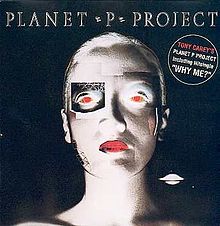
WTF!? Wednesday: Faceless Band #3 – Planet P Project

7.13 Planetpproject

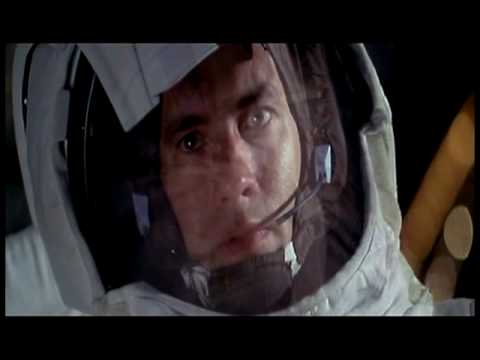
Welcome everyone to my very first “WTF!? Wednesday” during which I will dedicate some blog time to the lesser known bands that I have come across over the years. Let’s take a MTV time warp back to 1983. During that year, you might have seen a whacked out video about an astronaut and his significant other for the song “Why Me?” by a band called Planet P Project.

7.13 Why Me video

7.13 Why Me video 2

The song and video describe an astronaut that was estranged from his significant other for unspecified reasons. Throughout this semi-science fiction video, the astronaut is pining for his lady as he hurtles through space while she continues living on Earth. The look of the video has Eighties technology written all over it. Yet, the video remains compelling for some reason, which may be that young love separation anxiety that you may feel for another while in your teens and twenties. The only difference is the infinite amount of distance that space travel could theoretically place between two lovers.

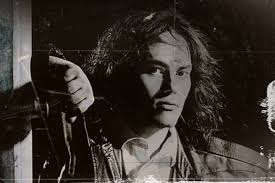
So, who was this Planet P Project. First of all, they were a one hit wonder with “Why Me?” The album and band was really the children of the great keyboardist Tony Carey, who at the time was just coming off an acclaimed stay in Ritchie Blackmore’s post-Deep Purple band called Rainbow, which had also included at the time, vocalist-extraordinaire Ronnie James Dio. Anyway, Carey had been sign in 1980 by Geffen Records for a solo career. But, Carey had written a batch of science fiction-based songs that were way different from his solo material. Since this new material, including the song “Why Me?”, were so different from the sound of his first solo album, Carey decided to record them under a band name, Planet P Project. The sound of the band is along the lines of Asia, Triumph or a very light Rush.

Throughout Planet P Project’s self-titled debut album, Carey’s lyrics take on the usual Eighties worry of technology encroaching upon humanity, a theme that was huge during the Party Decade. This album seemed to find a niche crowd within the fans of Rush, Dungeons & Dragons and Dune. I can vividly remember some frat brothers really getting into this album. While I found the first single, “Why Me?” compelling, I found the rest of the album full of lyrical cliches and the music a rip-off of mostly Triumph.

7.13 Plnet P Project - Why Me single

But, if you have ever heard the “Extended Dance Version” of “Why Me?”, you could probably hear what was compelling to me. Now, let me tell you right away that this is a typically eighties remix, with big-sounding electronic drums, swooshing and echoing synthesizers and a heavy use of the song’s hook. The biggest difference is the use of a scratchy lead guitar and a heavy use of echo. All of a sudden a good song has been recreated into a compelling strange Eighties dance/rock song. In other words, the dance version was totally new, a sound that producer (and former member of The Buggles) Trevor Horn will use to great effect and success with The Art of Noise (“Close to the Edit”, “Kiss” the Prince-cover with Tom Jones) and Frankie Goes to Hollywood (“Relax”, “Two Tribes”). The remix was credited to Fraςois Kevorkian and John Potoker. This version was one of the first whose sound seemed to “jump” from the speakers with a bass that pulsed through your body while dancing at the club.

In 1995, MTV released a compilation CD entitled The Class of ’83. It was a compilation of the songs whose videos were in heavy rotation at some point on the channel during that year. Mostly, the songs were new wave classics, except for this enigmatic song, Planet P Project’s “Why Me?”.
7.13 Planet P Project - Tony Carey

Unfortunately, radio seems to have forgotten this one great song with the sound of a “faceless” band. Planet P Project is a mere footnote, although they have continued to record and release albums to this day. Unfortunately, “Why Me?” was the closet the band came to a hit song when in peaked at number 64 on Billboard’s Hot 100 Singles and number 4 on the magazines Rock Hits list. Hopefully, Spotify or Pandora will rediscover this song.
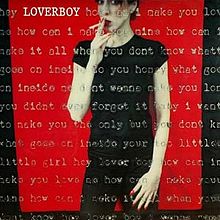
Faceless Bands Of The ’80s #2: Loverboy

7.12 Loverboy group shot

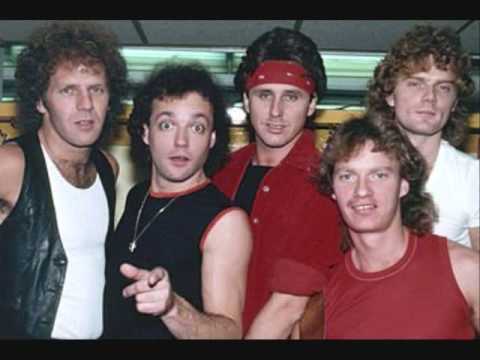
Sometime during second semester of my senior year in high school, a pop/rock band grabbed the attention of many teens at my school. The band was playing a mix of Journey and Foreigner but they made their sound more “modern” with the prominent use of a synthesizer. These five men from Canada called themselves Loverboy. Their self-titled debut album contained a couple of nice pop/rock songs called “Turn Me Loose” and “The Kid Is Hot Tonite”. The unusual thing that I noticed immediately was this band was building their songs on a deeper than usual bottom bass sound. Now that we have over 35 years of rock history behind us, the reason for this advanced sound may have been due to an engineer by the name of Bob Rock. This man was become a producer further along in the eighties and will go on to change the sound of heavy metal when he produced two classic albums: Dr. Feelgood by Mötley Crüe and the milestone Metallica by Metallic (also known as “The Black Album”). All of a sudden, rock when getting a slight make-over with the emphasis on big drums and a deep bass bottom.

7.12 LoverboyLB

In the Fall of 1981, just as I was going off to college, Loverboy released their sophomore album called Get Lucky. This was the band’s most successful album as it slowly but steadily sold over four million copies. And this happened as the album never rose above number seven on Billboard‘s Top 200 Albums chart. Still, Loverboy seemed to be the band that was heard throughout my dormitory and all over campus. You could not go to a party without the album, or at least some songs from the album, was being played. If this album had been released during the mid-Eighties, it probably would have been as successful as Bon Jovi or any other pop/rock band that was all over the charts.

7.12 Loverboy - Get Lucky

The whole thing was packaged to grab the attention of teens everywhere. Let’s begin with the iconic cover. First, you have someone’s small butt stuffed into red leather pants like those worn by lead singer Mike Reno and guitarist Paul Dean. For the longest time, rumors ran rampant about whose butt was photographed. As it turned out, the photographer took a photo of his then-thirteen-year-old daughter in some small red leather pants. The man’s hand that was used was that of a six-foot, five-inch male model who had the largest hands of the models that were called. So, the cover is that of a jail-bait girl’s butt in red leather with a tall man’s large hand crossing his fingers overlay on the Lolita’s heinie.

Now, it’s time to listen to the record. If you don’t remember the songs on the album, let me list the hits for you. There was “Working for the Weekend” and “Lucky Ones”. Loverboy also had a hit with the song “Jump”, not to be confused with Van Halen’s mega-hit that came out in 1984. They also got some radio play from the songs “Watch Out” and “Take Me to the Top”. But, the song that was their biggest hit on the album, according to it’s peak position on Billboard’s Hot 100 Singles, was “When It’s Over”. It seemed like that song lived on the radio for over six months as it ran it’s course.

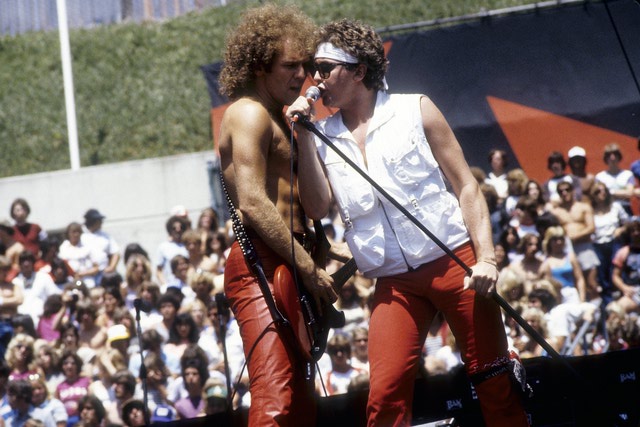
Loverboy Live
OAKLAND, CA – JULY 18: Mike Reno and Paul Dean performing with ‘Loverboy’ at the Oakland Coliseum in Oakland, California on July 18, 1982. (Photo by Larry Hulst/Michael Ochs Archives/Getty Images)

Of course, now, we ALL know the song “Working for the Weekend”, because no matter where you are in the U.S.A., some radio station is playing that very song at 5:00 PM every Friday evening to signal the end of the work week. Once you hear that song, it is your pass to go out and party as hard as you’d like. Only, most of us now probably hear that song on a Friday and get worn out by reminiscing about those party weekends in your twenties. We were all legends in our own minds, weren’t we?

Unfortunately, this album has lost some of its luster over the years. Bon Jovi and the rest of those hair metal artists pushed Loverboy aside while stealing much of their sound. Is Loverboy a Hall of Fame band? If you went by sales, one could make an argument. But, if you measured them  based upon artistry, then I would have to say, “No.” But, they did leave us this ultimate eighties party album.

By the way, if you want a quick soundtrack to your next Eighties Party, you might try this album, Record One of Prince’s 1999, Michael Jackson’s Thriller, Madonna’s first album and finish up with Freeze-Frame by the J. Geils Band. Now, that’s some great music!

One other thing! Since tomorrow is Wednesday, I thought I would attempt something that I will call “Weird Wednesday”. On “Weird Wednesday”, I will write about obscure albums or those off the beaten path that I think should be mention. So, watch out for tomorrow’s entry!

Faceless Bands Of The ’80s #1: Asia

7.11 Asia_-_Asia_(1982)_front_cover

Those of us that came of age in the late-Seventies and early-Eighties got to listen to radio as it was declining from being the place that brought together you and your friends and people like you from all over the listening area to what free radio, and in my opinion XM/Sirrius and the streaming sites, has become: a narrowed wasteland of music that appeals to the lowest common denominator. In the radio station’s effort to maximize their audience, they have developed a culture of people who would rather isolate themselves within their own iPod playlists.

Now (pretend like I am speaking like Grandpa Simpson) in my day we listen to artists whose faces were unknown to us, but the bands almost sounded interchangeable. Yes, I know that many of us can tell the difference of the sounds of bands like Journey, REO Speedwagon, Styx and Foreigner, many of today’s teens probably could not. Those were the first generation of what Rolling Stone magazine once collectively referred to as the “faceless” bands. Whatever! Many of us dug these artists. What was interesting was the second generation of these artists who popped up after these guys all became successful. Let’s look at these names: Asia, Loverboy, Toto, Quarterflash, April Wine, Triumph, Planet P Project, to name just a few. The difference between the first and second generation bands? The second generation bands, like most every other artist of all genres in the Eighties, moved the synthesizer to the forefront of their sound in order to sound modern. This week, let’s take a look at some of these bands.

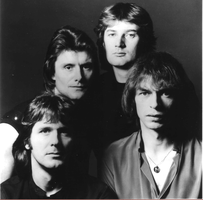
7.11 AsiaPromotionalOriginal

Today, we begin with what was called at the time the first supergroup of the Eighties: Asia. Back in the late-Sixties, the word supergroup was bandied about to describe a new band that was formed by former members of currently successful bands. Ironically, this phrase was used to describe two bands that Eric Clapton had joined. The first group to receive this description was when he left The Yardbirds to join Cream, which had a couple of highly regarded session musicians, drummer Ginger Baker and bassist/vocalist Jack Bruce. The next band that Clapton joined was also called a supergroup because he brought drummer Ginger Baker with him to join multi-instrumentalist/singer Steve Winwood of the Spencer Davis Group and bassist Ric Grech. At the time, critics were not kind to the work of Blind Faith, but Cream did, so historians have seemed to retroactively labeled the band as the first supergroup.

Regardless of the historical derivation of the term, Asia was going to be Generation X’s first musical supergroup. So, who were the band members, and from which groups did they come? First, there was bassist and lead vocalist John Wetton of art-rock band King Crimson fame. Since King Crimson had a reputation of creating music that was dark and challenging, music people were excited by the mention of Wetton’s name. Next up was former Yes guitarist Steve Howe. Add to them, the drummer from art-rock band Emerson, Lake & Palmer, Carl Palmer. Finally, out of left field, came new wave keyboardist Geoff Downes from The Buggles, though to his credit he had just finished up a stint in the band Yes with Howe. So, the hype was high for this band. Imagine the critic’s disappointment when the sound that came from this band was the English equivalent of Toto. Yes, the musicianship was extraordinary, but the songwriting was pedestrian.

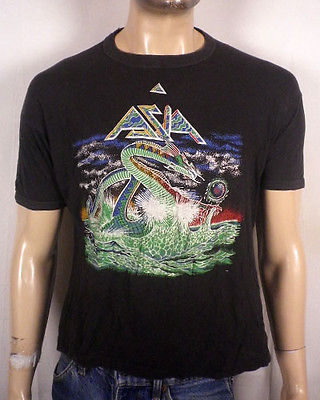
7.11 1982-asia-band-concert-t-shirt

Their 1982 eponymous titled debut album went on to become one of the top three selling albums in the United States, on the strength of their two hit songs “Heat of the Moment” and “Only Time Will Tell”. Although these were great songs, I personally was hoping for so much more, like anything from the King Crimson catalog. In the place of 10 to 15 minute epic compositions, we were given three-to-six minute pop/rock songs. To further the band’s movement toward the “faceless band” category, the cover did not have any of the artists, but had was appeared to be Asian-influenced sci-fi art of an ocean-bound dragon battling (or is it playing?) with a silver orb. Like all the faceless bands, the logo and their album artwork were the import thing to go with hard rock songs with pop/rock constraints. To many critics, the whole thing seemed to be contrived in order to sell records. You know what, it worked.

I mean, c’mon! I loved those first two songs. And, the albums isn’t really THAT bad. But, it was NOT the art-rock, mind-blowing music I was hoping for. But, then again, maybe Genesis, Yes, King Crimson, ELP and the rest had all ready done. Maybe, these guys deserved a big it album and a couple of hit songs.

Unfortunately for Asia and many of the other bands I plan to cover this week, their time in the sun was limited. By 1983, MTV’s muscles were flexing and thus changing the playlists of radio all over the country. No longer did Asia seem fresh, since they could not keep up the pop/rock songs that had filled their debut album. These guys were all virtuosos and needed to flex their muscles. But, for the summer of 1982, “Heat of the Moment” sure spoke to us.

Duran Duran: The Beatles Of The 80s?

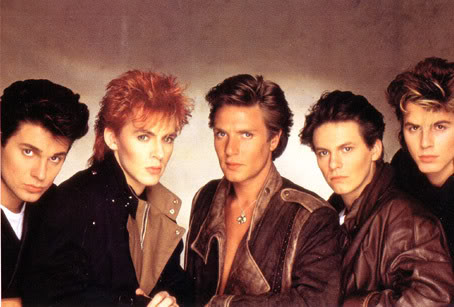
7.8 duran_duran_1

My oldest son Graham loves to say that Duran Duran was The Beatles of the Eighties. Since he has such a dry and sly sense of humor, I never can tell whether he really thinks that or is making a joke. Regardless of his opinion, I do not think I am speaking in hyperbole when I say that Duran Duran was huge between the years of 1982 and 1985. They were the first new wave band to really transcend MTV’s influence as they became the dreams of girls around the world. Heck, I even remember some girls’ dorm rooms that had posters of the band hanging up. Even as they were very popular, I think The Beatles comparison is a little much, even an overstatement of their impact. Could they have been more like the Paul Revere & the Raiders of the Eighties? That may be closer in that Paul’s band had a big influence on punk rock, garage rock and power pop throughout the Eighties and Nineties, while Duran Duran’s influence can be felt in the music of such modern day artists as The Killers and The 1975.

7.8 DuranRio

Personally, I was grabbed by Duran Duran in much the same manner that the rest of you who are my age were, by MTV. Their videos were mind-blowing romps through exotic tropical locales in much the same manner that Pink Floyd had stretched the recording nature of the studio while making Dark Side of the Moon. The Durans exploited the locales with beautiful models all the while they were wearing pastel-colored suits that all predicted the lifestyle to come. No longer we rock artists wearing jeans with scuzzy T-shirts and long stringy hair and crazy facial hair. Now, Duran Duran was well groomed and good-looking. But what separated them from the Haircut 100s of the world, was that these guys were making rock music that you could dance to.

7.8 duran_duran__rio_single_by_wedopix-d38wq2t

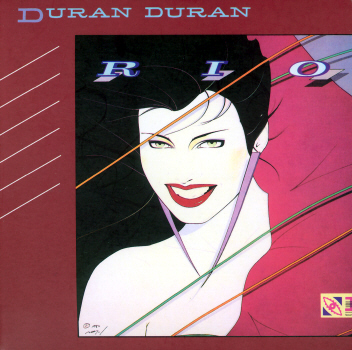
Let’s begin with their 1982 album Rio. This album is something of a classic now. Maybe not the sense that London Calling or Purple Rain is, but it was musically altering at the time. The album kicks off with the title song, “Rio”, which was a hit in its own right. In this song, you hear the musical influence that Chic had on the band in its rhythm guitar and bass sound. But, it also utilized a keyboard sound that was unique in that it was layered right on top of the guitar during the verses. The other distinguishing sound was that of the squawking saxophone sound that came right out of Roxy Music. What new wave band dared to include a sax while rocking out? Well, more and more artists will, but they seemed to be the first.

7.8 Duran-Duran-Hungry-Like-the-Wolf

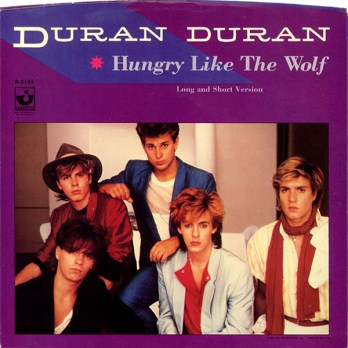
With my attention grabbed, it was another couple of songs before I was knocked over again by a song: “Hungry Like the Wolf”. Beginning with that iconic female giggle, the song was one hook after another. Now, we were being treated to the use of electronic drums throughout the whole song, that mixed the organic with the synthetic. Then, you get those sung “Do-do-do-tood-do”s, and I was hooked. But, when it was coupled with the video of beautiful women “hunting” the guys in the band, and, well, what guy didn’t want to be in the band?

Then, there were the last two songs on the album, “Save a Prayer” and “The Chauffeur”. With “Save a Prayer”, the guys had created a yearning ballad that was based upon John Taylor’s bass playing. It is a beautiful yet haunting song that cries out for the old use of a lighter while it is played live in concert. Plus, it was romantic enough to be a great slow dance song, the kind that girls love.

And, after the band finishes their big ballad, they change directions again to show off their best Bowie effect on the strange “The Chauffeur”. The song begins as a Nick Rhodes synthesizer workout, while singer Simon Le Bon displays his vocal chops. When the band kicks in, the haunting mood never leaves. The song slowly pulls you in until you realize that maybe, just maybe, Duran Duran HAD been slightly influenced by Pink Floyd. This song was an unusual but, dare I say, brave way to end the album.

7.8 Duran Duran live

So, was Duran Duran The Beatles of the Eighties? No. They were simply Duran Duran. But, as I re-evaluate their career I am beginning to think they deserve a spot in the Rock & Roll Hall of Fame. If you had asked me back in 1984 if I would have believed that, I would have said no way. But, when you take the greatness of their Rio album plus all of their terrific singles, you have one pretty awesome legacy from Duran Duran.

Who’s Afraid Of Talking Heads?

7.7 talking-heads-promo-650x400

By the Summer of 1982, my musical tastes were turning away from the Journey/REO/Styx/Foreigner stage of my life toward something that seemed a little more visceral and, for a lack of a better word, “arty” for my expanding tastes. That summer happened to be the last one I spent at home, although I was working as a supervisor for a corn detasseling crew. If you’re not from the Midwest, teens used to be hired by various agricultural companies to traipse through cornfields removing the tassels from fields of cornstalks in order to ensure a pure corn seed being produced. Unknowingly to many of us, we were actually following in the steps of Gregor Mendel, the father of Genetics, even though he worked with peas. It was that kind of thinking that separated me from the rest of the crew.

7.7 The Name of This Band Is Talking Heads Front7.7 The_Name_of_This_Band_Is_Talking_Heads Back

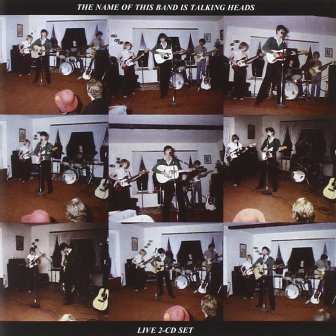
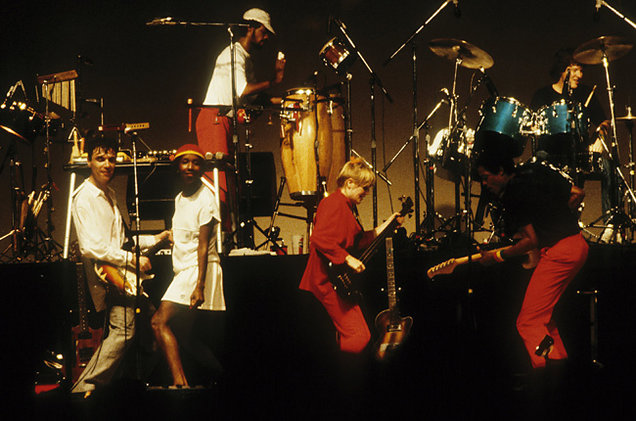
So, with an influx of some cash and no girlfriend to waste it on, I was free to indulge my obsession of buying albums. I distinctly remember looking through my Rolling Stone magazines for their reviews and making my purchases based upon a couple of their critics. That summer, I decided to buy a double live album set entitled The Name of This Band Is Talking Heads by, of course, Talking Heads. Although I had loved their last two albums, I still had not made a commitment of the heart to the band. What intrigued me about this album was that it was a chronological travelogue of the band’s growth as a live entity. What I mean is that Side 1 takes you through live performances from 1977 and 1978 that were recorded as parts of live radio broadcasts from the studios. Then, you flip the album over to hear the band playing live in a small club in 1979. Record Two contained live performances of the expanded band from the larger venues on their tours that lasted from 1980 to 1981. The whole album is a journey through the growth of a band from an art school trio to CBGBs heroes to a large band able to take on Afro-beats and make it their own. And, by the end of the album, Talking Heads have become rock gods.

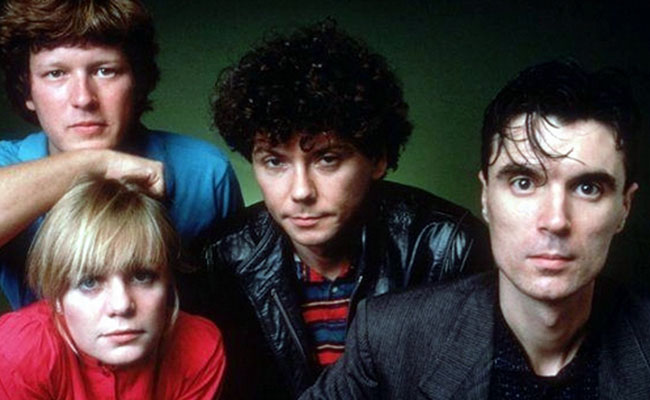
If you don’t know by know, Talking Heads were a quartet of musicians: lead singer/guitarist David Byrne, bassist Tina Weymouth, keyboardist/guitarist Jerry Harrison and drummer Chris Franz. Byrne has released a series of solo albums to dwindling sales and critical acclaim. Byrne’s most acclaimed solo venture occurred in 1981 when he teamed up with their producer Brian Eno to create an influential album of loops and sampled voices from various sources in a world music setting called My Life in the Bush of Ghosts. Harrison has released a few pretty strong albums. The rhythm section of Franz and Weymouth are a married couple who are the basis of a great group called Tom Tom Club that released a classic self-titled debut album that contains a song of increasing popularity called “Genius of Love”. Once the band reconvened in 1983, they were ready to take over the world. In the meantime, they released today’s album, The Name of This Band Is Talking Heads.

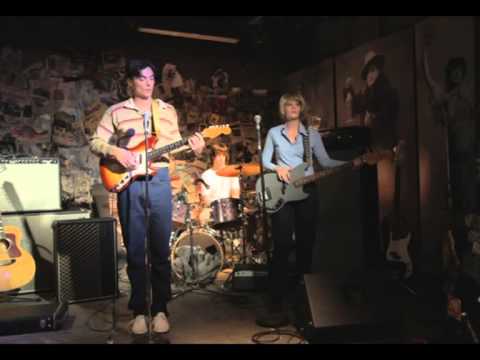
7.7 talking heads live 1977

Now, the whole album is an exhilarating journey through the growth of one of punk’s most beloved bands. I remember making a cassette tape of record two and cruising through my hometown, in which I never really felt accepted, and trying to blast “Crosseyed and Painless” out to the townspeople. Of course, no one really heard it, but I swore I felt better about it. Where my friends were listening to Randy Rhodes guitar solos on “Crazy Train”, I was turning up the volume on my Technics stereo whenever listening to the guitar blasts from Adrian Belew’s hired guitar sounds from the expanded band’s version of “Born Under Punches (The Heat Goes On)” or “Houses in Motion”.

7.7 Talking-Heads-1983-Billboard-650

Now, many people will point to Talking Heads’ Stop Making Sense, their soundtrack to their brilliant concert film of the same name, as the band’s finest live album. That album is fantastic, no doubt about it. But, the whole thing works better while watching the film. With The Name of This Band…, you get to hear a band grow from formation, through its awkward years into a full-blown force to be reckoned with.

Throughout the whole album, you can hear the band’s core influences of funk and bubblegum music, even though they go in many different tangents. Don’t worry, if you don’t know much about Talking Heads, all of their important tracks are on this album. This album gives us two terrific versions of “Psycho Killer”, in addition to “Don’t Worry About the Government”, “Artists Only” (with a great minimalist guitar solo), “Heaven”, “I Zimbra”, “Life During Wartime”, “Once in a Lifetime” and “Take Me to the River”. Every song has life and intensity injected into them that they all seem to transcend their studio counterparts.

No other band can make to want to dance in a constraint manner as Talking Heads will. On their next studio album in 1983, they will finally find the formula where you can mess with the listener’s head while making him or her shake their booty while listening to Top 40 radio. But, this album still shows the bands trying to get to that promised land, knowing it is just at their fingertips. And, to me, that’s what makes this album so much fun.

By the way, this is not an album that will get you girls. As a matter of fact, it might prove that you really are a nerd. And, that in and of itself is just dandy.