Let’s Wrap Up 1975 in My 1000 Favorite Albums

5.17 Top 1000 Albums_LI

As I have stated before, 1975 marks the start of what I consider the prime listening years of my life. And although I believe that I was keeping abreast of music through 1995, I was also a parent and a young adult attempting to navigate a young family through life. That means from 1985 to 1995, music was not as intense as it had been the prior decade. After 1995, I began to experience music through my boys, students and athletes. And, now, with all the downloading and streaming available to me, I tend to simply be an academic in my experience. Sure, I can still discern the good (Kendrick Lamar) from the bad (Rascal Flatts), but I no longer feel music viscerally, unless it happens to be music from my youth.

I really don’t miss being a young person, with all the drama and such. What I miss is my youthful idealism and enthusiasm for the new, without the truly jaded cynicism of being a middle aged adult. I miss the excitement of the new singles being released by artists from the U.K. or the latest Michael Jackson video. For those of you that actually know me, you know what a huge fan I am of the comic strip Bloom County. In that strip, the character I related to the most was Binkley. Binkley, if you don’t know, was a pre-teen character who was kind of wimpy and full of angst and anxiety. Specifically, I loved the strip in which he went to a “Lost and Found” area at a store looking for his youthful idealism. I loved that strip back in my college days and continue to read it online today. But, that one has stuck with me since I first read it, then cut it out of the Ball State newspaper, The Daily News, and posted it on my dormitory room door (that’s how we did Facebook in the Eighties!).

So, I will not apologize for my bias on this list on the music of my “era.” But, do understand that any list of this sort has a built-in bias. Rolling Stone still skews toward the Boomer/Gen X crowd, while Pitchfork is innately millennial. And, the UK-based magazines will always rightfully tilt toward the music that was popular there. And, all are valid, but I am telling you my leanings upfront so there will be little controversy, except when I leave your favorite albums off the list. So, my suggestion is to try my albums then make your own lists. Nothing is more democratic than that.

Enough all ready Keller! On with the countdown!

6.29 Patti Smith - Horses

Patti Smith – Horses (1975). This album is where the modern punk era began. Smith was known as a writer, rock critic and poet. So when she gathered a band led by former rock critic (and compiler of the great Nuggets compilation on this list back in 1972), Smith set her poems to some of the sloppiest and harshest machine. And, it became absolutely magical and influential to the whole NYC punk scene. If you want to Smith of this era, just watch the Easter episode of SNL during which she performed. It was a game changer.

6.29 Paul Simon - Still Crazy After All These Years

Paul Simon – Still Crazy After All These Years (1975). Speaking of SNL, Paul Simon’s first two appearances on the show are legendary, and they both were pretty much pimping this monster of an album. Oh, sure, I was so pissed when I found out on American Top 40 that “50 Ways to Leave Your Lover” had hit number one and not my beloved “Rock & Roll All Nite.” But, I have gotten over it. Still, this album has aged well and has become one of my favorites as I have gotten older.

6.29 Pink Floyd - Wish You Were Here

Pink Floyd – Wish You Were Here (1975). I can remember the excitement of high school students upon the release of this album, as expectations were sky high after the landmark success of The Dark Side of the Moon. Much as been made of the fact that this album, and the title song specifically, being a tribute to their fallen leader Syd Barrett. Ironically, Barrett showed up during the recording sessions, and his former bandmates did not recognize him at first. This album represents the band at its most vulnerable.

6.29 Queen - A Night at the Opera

Queen – A Night at the Opera (1975). Let’s face it, this is the album that made Queen into the stadium rockers they knew they were. If you are reading this, I figure you have seen the movie, so I will not go into the recording. This album made me a life-long fan of the band. It’s simply a fun romp through the minds of one of the most creative and innovative bands of all time.

6.29 Roxy Music - Siren

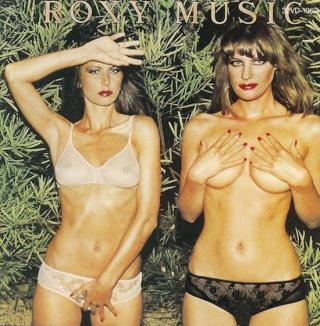
Roxy Music – Siren (1975). Roxy Music may not have made much of a commercial impact here in the States, but, like Bowie, their influence is everywhere throughout the late-Seventies and Eighties. The whole New Romantic movement’s blueprint is found right here. And, personally, I was hooked the first time I heard the coolness of “Love Is the Drug.” By the way, that’s Mrs. Rupert Murdoch, ex-Mrs. Mick Jagger, former girlfriend of Roxy leader singer Bryan Ferry Jerry Hall on the cover.
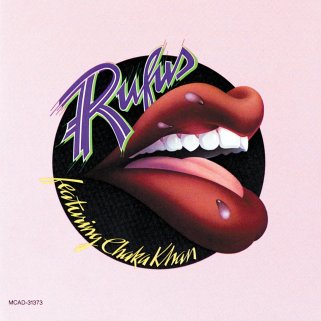
6.29 Rufus feat. Chaka Khan - Rufus feat. Chaka Khan

Rufus featuring Chaka Khan – Rufus Featuring Chaka Khan (1975). Rufus burst onto the scene in 1974 with their terrific rendition of the Stevie Wonder-written hit song “Tell Me Something Good.” The band was an excellent, tight funk band with talented player. But, up front, they have the most beautiful woman with a voice that could rival Aretha in its soulfulness in Chaka Khan. And, they put it everything together perfectly on this album, which is anchored by the sublime “Sweet Thing.”
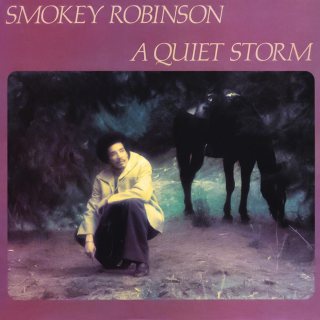
6.29 Smokey Robinson - A Quiet Storm

Smokey Robinson – A Quiet Storm (1975). What can be said about an album that totally influenced the creation of a whole radio station programming format? That’s how important this album is. Smokey was an established name for his songwriting for Motown and his work with the Miracles, but this album transcended all of that. This was ground zero for all of those smoky (pun unintended) soul ballads that some many of people my age put on their “Make Out Music” mixtapes in college. Oh, and never forget how WKRP in Cincinnati parodied this format with Venus Flytrap’s brilliant show within the show.
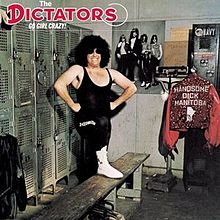
6.29 The Dictators - Go Girl Crazy

The Dictators – Go Girl Crazy! (1975). Okay, was the band heavy metal or punk, two factions that would have nothing to do with each other at the time? I would say both! They were the first to meld the two genres into one dirty sound. If you like Andrew WK’s debut album from the early 2000s, this album is for you, though some of their “jokes” might not be as funny in today’s environment. The music still holds up for those who wanted their punk a little less arty and more from the groin. Oh, Twisted Sister, you better thank these guys for your career.
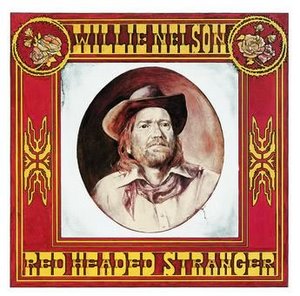
6.29 Willie Nelson - Red Headed Stranger

Willie Nelson – Red Headed Stranger (1975). Who would have predicted that an outcast of the Nashville country music establishment would create an concept album telling the story of a preacher-turned-murderer on the run after killing his former wife and her lover and it would completely change the course of country music? Well, only in the Seventies is what I say. Willie moved country back to the basics as far as playing is concerned and channeled his inner Johnny Cash to create one of the true latter day classics that influenced artists across the musical spectrum.
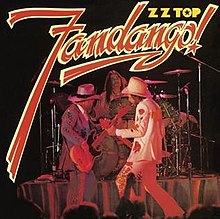
6.29 ZZ Top - Fandango

ZZ Top – Fandango! (1975). ZZ released this half-live, half-studio album just as they popularity was on the rise. And, this one raised their profile even higher. What person in the 55-65 age range didn’t cruise around in their car blaring “Tush” when it came on the radio or 8-Track tape player? It’s even used in Dazed & Confused, so I know it’s an American truth. Plus, the album has “Heard It on the X,” a great radio song if there ever was one.

Wow! I just realized some serendipity with 1976, the year of the bicentennial, being covered around Independence Day. It wasn’t planned that way.

It’s Day 2 for 1975 on My 1000 Favorite Albums of All-Time List

5.17 Top 1000 Albums_LI

Back in middle school, my dream was to become a disc jockey at a radio station. Now, that dream was in extreme contrast to what my mother wanted me to become and that was a dentist or a physician. Granted, I did possess some qualities that would have made me a good prospect for all three of those professions. So, when I discovered that DJs were increasingly being told what songs to play, well that went against the artistry I heard on radio stations like Chicago’s WLS-AM. So, that was out.

Next, I realized that I really didn’t want to become a dentist. Let’s simply say that was not my dream. Then the whole physician thing really did appeal to me. For some reason, the whole science part was not an obstacle for me. And, ego-wise, being a physician sounded fulfilling to me. Honestly, however, the whole being a doctor 24/7, whether on call or not, was not my bag, baby. I have a quirk in my personality that requires me to withdraw from humanity and not run toward it. That’s why I could never be a politician even though I love political science.

So, I discovered that I was a paid extrovert, which means that I could be entertaining while conveying the information to others. All of that meant I was born to teach and coach. And, during my down time, I could feed my desire to learn about rock and sports history.

And all of that psychobabble began in 1975. So, let’s get going with the next batch of great albums.

6.29 Elton John - Captain Fantastic and the Brown Dirt Cowboy

Elton John – Captain Fantastic and the Brown Dirt Cowboy (1975). This album marks the last of the great Elton John albums during his early-Seventies run of classics. And, this was his seemingly most personal album to date. Throughout it, both he and lyricist Bernie Taupin were purging many of the demons that were beginning to plague their lives through the songs on this album. This album was the perfect epithet on an unprecedented run.

6.29 Emmylou Harris - Pieces of the Sky

Emmylou Harris – Pieces of the Sky (1975). Upon the death of her mentor Gram Parsons, Harris embarked on her legendary career as an unparalleled country singer with this career-defining debut album. Her selection of songs ranged from traditional (the Louvin Brothers’ “If I Could Only Win Your Love”) to the sublime (The Beatles’ “For No One”). Today, Harris is considered one of the more important figures in both country music and the current Americana movement.

6.29 Fleetwood Mac - Fleetwood Mac (1975)

Fleetwood Mac – Fleetwood Mac (1975). Fleetwood Mac was all ready known as a legendary English blues rock band, having released some of the finest music in the genre during the late-Sixties and early-Seventies. But, the band had become something of a revolving door at guitar, when leader and drummer Mick Fleetwood heard the debut album of a California duo called Buckingham-Nicks. Fleetwood’s genius was the ability to immediately recognize that he needed both parties in a new version of his band. And, the rest, as they say, is history. This version of the Mac became its most well-known and commercially successful, and it all began here on this classic album.

6.29 Harold Melvin & the Blue Notes - Wake Up Everybody

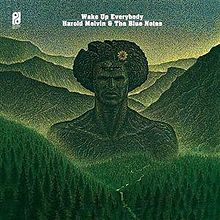
Harold Melvin & the Blue Notes – Wake Up Everybody (1975). At this juncture in musical history, the smooth R&B sounds of Philly Soul was slowly morphing into disco. And, Harold Melvin & the Blue Notes found this transition period to lay down this album over socially conscious lyrics set to a smooth groove. It sounds as if The Spinners teamed with Curtis Mayfield and Barry White to created this beautiful amalgamation.

6.29 Heart - Dreamboat Annie

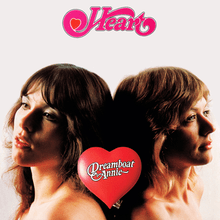
Heart – Dreamboat Annie (1975). Heart cannot be denied their place in the history books because their creative force was the feminine side of the band. These women were blessed with the skill, ability and talent to navigate through the sleazy sexist world of rock music but to rise amongst the immortals of the world. Lead singer Annie Wilson possesses the most powerful voice in rock’s history, while sister and guitarist is most adept with her Jimmy Page-like playing. Thank God the Wilson sisters broke open that door, setting the stage for the women of the future.

6.29 Jeff Beck - Blow by Blow

Jeff Beck – Blow by Blow (1975). Just when you think Beck is nothing but a hard rock guitarist, he goes and makes a jazz-rock fusion guitarist’s wet dream. Beck can simply make a guitar sound like a singer. He makes his guitar sign and moan in all the right places while keeping his playing disciplined and innovative. Just a magnificent listen.

6.29 Kiss - Alive

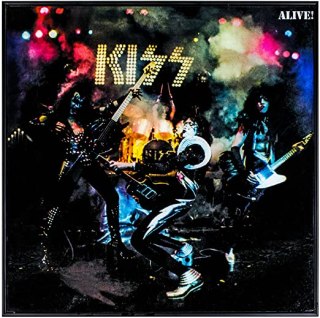
Kiss – Alive! (1975). This is the album in which the Kiss Army was assembled. It immediately became my favorite album for most of the year. I don’t care much doctoring was ultimately done to the album (mistakes fixed, crowd noise enhanced, etc.), the packaging and the sound was perfection to every teen boy across the country. And, “Rock and Roll All Nite” is the anthem of 1975.

6.29 Led Zeppelin - Physical Graffiti

Led Zeppelin – Physical Graffiti (1975). Physical Graffiti is Led Zeppelin at its most bloated and overindulged, yet it’s most majestic at the same time. Honestly, it’s everything a pre-punk double album should be. Yet, it’s full of immortal songs, led by “Kashmir.” That song alone typifies everything you need to know about this album.

6.29 Neil Young - Tonight's the Night

Neil Young – Tonight’s the Night (1975). Creatively, Young seems to have a short attention span, as this album was written and recorded in 1973 in the immediate aftermath of the death of Crazy Horse roadie Bruce Berry. That was the second untimely death in Young’s world in six months, influencing Neil to rip the bandages off his wounds resulting in one of the most mesmerizing albums of his illustrious career. It is a dark trip to take, yet it remains a beautifully poignant trip through one’s grief.

6.29 Neil Young - Zuma

Neil Young – Zuma (1975). After the cathartic exorcising of the demons on Tonight’s the Night, Neil returns to his commercial strengths on this album. And, if you want to hear Young rip through a guitar solo, look no further than “Cortez the Killer.” You gotta admit that Young has had one of the more diverse yet dazzling rock careers of all.

By the way, that album marks the 249th album on my list. Statistically speaking, we are nearly one quarter of the way through this journey. Peace!

This Is Day 1 of 1975 on My 1000 Favorite Albums List

5.17 Top 1000 Albums_LI

Technically, I was still a year away from my teenage years when 1975 rolled around. However, the year does represent the year during which I started my middle school years, which meant dances, learning all kinds of things (both good and bad) from the older guys in the team locker rooms, and so many other kinds of social interactions. All kinds of things happen during those years, especially the development of your musical tastes. And, I found myself absorbing music and anything written about rock artists in magazines like Creem, Circus, Hit Parader, Billboard and, most importantly, Rolling Stone.

One can never replicate the time in which the possibilities of the world seemed endless, but your teen years seem wasted with this. And I say “wasted” because we are not ready for that. As teens, we are riddled with self-doubt and a seemingly endless supply of angst. And, if you are dealt a crappy hand in life during that time period, it tends to either momentarily or permanently screw up your life. It’s no wonder that teens are so dramatic. Your brain is not ready for all of this new information bombarding it all the while being cooked in an overabundance of hormones being hyper-produced by your endocrine system.

For me, I threw myself into two refuges: music and sports. Both helped me somewhat deal with my environment. I’d rather not get into the sports side since it seemed to define much of what I am today, both good and bad. Instead, let’s focus on some of the great music in which I discovered while the old hormones were kicking in, making for a lethal mixture.

1975, here we go.

6.29 Aerosmith - Toys in the Attic

Aerosmith – Toys in the Attic (1975). With all due respect to one of my former athletes, this album is when Aerosmith were cool. Don’t get me wrong, it was pretty cool for this guy to see the boys make a huge late-Eighties comeback. But, this was actually when the band was the funkiest rock band on the planet. This album represents the band’s first Seventies masterpiece. You know how cool this album was? “Big Ten Inch Record” was banned by my high school radio station. And, they were talking about a record, right?

6.29 Bee Gees - Main Course

Bee Gees – Main Course (1975). Just a couple of years earlier, the Brothers Gibb had gone their separate ways, thinking their version of baroque pop/rock in the vein of Magical Mystery Tour-era Beatles was passe. But, in 1975, the trio reunited and began incorporating flourishes of R&B and a little underground sound that was leaking into the mainstream called disco. Their first foray into this sound was this album, led by the singles “Jive Talkin’,” “Nights on Broadway” and “Fanny (Be Tender with My Love).”

6.29 Bob Dylan - Blood on the Tracks

Bob Dylan – Blood on the Tracks (1975). Dylan made a dramatic comeback of sorts with this set of terrific songs. Unfortunately, it took the dissolution of his first marriage to bring Dylan back to the forefront in a major way. Truth be told, this album was my first introduction to the voice of the Sixties. And, although it’s weighed down by all kinds of factual inaccuracies, “Hurricane” was an important song in the eventual release of Ruben “Hurricane” Carter from his wrongful conviction for murder.

6.29 Bob Dylan and The Band - The Basement Tapes

Bob Dylan & The Band – The Basement Tapes (1975). Back in the Sixties and Seventies, bootleg and import albums were an important part of the underground world of “true” rock fans. Without question, there was a rumor back in the day that Bob Dylan and The Band were secretly making some of the best music of their careers. And, while that rumor swirled, bootleg tapes of the sessions were finding their way into fanatics’ hands. Finally, in 1975, many of those recordings were officially released by the parties, and we got to hear the magical music these two creative forces made while all were at their creative peaks.

6.29 Bruce Springsteen - Born to Run

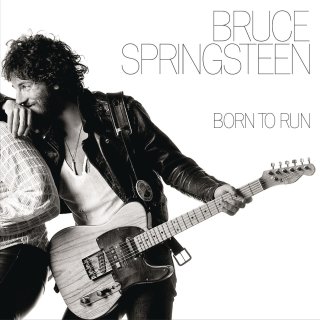
Bruce Springsteen – Born to Run (1975). After being hailed for a couple of years as a new Bob Dylan and hyped as “the future of rock & roll,” The Boss dropped his first truly classic album with Born to Run. The whole thing is one beautiful ode to growing up on the East Coast, full of rock and soul, all baked in a Phil Spector-like “Wall of Sound” production that made his songs sound like everybody before him yet like no other. This album continues to be one of my ten favorite albums of all time.

6.29 Daryl Hall and John Oates - Daryl Hall and John Oates (The Silver Album)

Daryl Hall & John Oates – Daryl Hall & John Oates (The Silver Album) (1975). Arguably, Hall & Oates are rock’s greatest duo. At least, they are in my book. And, this album represents their commercial breakthrough. Although not on the level of their Eighties work, The Silver Album does hint at what is to come. Plus, “Sara Smile” was the best song slow at school dances this side of Barry Manilow’s “Mandy.”

6.29 David Bowie - Young Americans

David Bowie – Young Americans (1975). Oh, David Bowie, I honestly had no idea you were a glitter god before this album. And, this album got me into your sly little world, and my life, and my boys’ lives, were forever changed because of your little dip into the Philly Soul world on this album. And, yes, “Fame” was my entry drug.

6.29 Dr. Feelgood - Down by the Jetty

Dr. Feelgood – Down by the Jetty (1975). After reading about the band in an issue of Creem magazine, I went on a search and destroy mission to find this album. I distinctly remember the band being hyped as an updated version of early Stones and J. Geils, only with more energy. I knew I liked those bands, and I LOVED energy, so my interest was piqued. Needless to say, I was sold! These guys were another English lot that were something of a John the Baptist to the whole punk scene that would break up on both sides of the Atlantic over the next 18 months. I just wish I had gotten to see them live. You Brits were so lucky!

6.29 Dwight Twilley Band - Sincerely

Dwight Twilley Band – Sincerely (1975). If you want to know when the second generation of great power pop began, look no further than this album. Unfortunately, this band’s momentum was grind to a halt by an incompetent label. Just take a moment to think about this fact: Twilley had a huge hit song at the time called “I’m on Fire.” It was tearing up the charts, until it unexpectedly began a precipitous chart free fall. Then, the album was delayed, not because it wasn’t done but because the company lacked funds. But, this album remains a landmark in the power pop movement that will peak later on in the Seventies. Side note: both Dwight Twilley Band AND Tom Petty & the Heartbreakers were on the same label at the same time. That label should have been financially set for an eternity.

6.29 EWF - That's the Way of the World

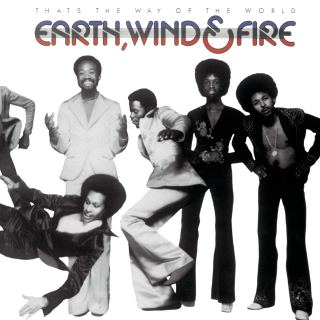
Earth, Wind & Fire – That’s the Way of the World (1975). Funkadelic were the acid-fried rock gods, Parliament were the horn-laced funkateers and EWF represented the world of positivity in funk. Little by little, the P-Funk brand merged, but EWF continued to make their own brand of horn-based funk. In reality, the band shares similarities with Chicago. Both were on fire with their brands of jazz infused music that turned into something of a ballad machine. But, EWF were reaching their best around this album and would hold onto it through the early-Eighties.

Well, that wraps up Day 1 of 1975. You might read a little more enthusiasm in my writing beginning with these albums. Regardless, enjoy! Oh, and Happy Birthday to Canada! Peace.

Day 2 of 1974 on My 1000 Favorite Albums List

5.17 Top 1000 Albums_LI

Wow! What a week! I’m getting too old for this shit (my apologies to Lethal Weapon). Either we’ve had one of the grandchildren at our house or I was taking care of my step-father who is now suffering dementia. So, I haven’t had time to really listen to music or write. And, today, I’m just plain exhausted.

Yet, today, I am digging deep to finish off my second entry of albums from 1974 that I have on this act of stupidity that I call my 1000 favorite albums of all-time. So, let’s get on with it!

6.23 Neil Young - On the Beach

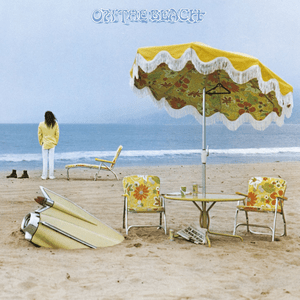
Neil Young – On the Beach (1974). After the death of Crazy Horse guitarist Danny Whitten, Young went on a two-album-and-a-tour bender purging the demons of that death much to the chagrin to his record company. This album is as ragged as the previous two albeit with a survivor’s mentality. This is the prime period in which Young made his reputation as a songwriter and rocker.

6.23 Queen - Sheer Heart Attack

Queen – Sheer Heart Attack (1974). Here’s the album in which Queen finally began to grow into their ambitions. Throughout the album, you hear the band following the muse of their own individual whimsy. Drummer Roger Taylor is the rocker, bassist John Deacon is the pop/R&B lover, guitarist Brian May is the lover of art rock based in the English experience and singer/band focal point is the master of camp. And all of this becomes an unlikely concoction of rock bliss that would dominate music for the next decade.

6.23 Randy Newman - Good Old Boys

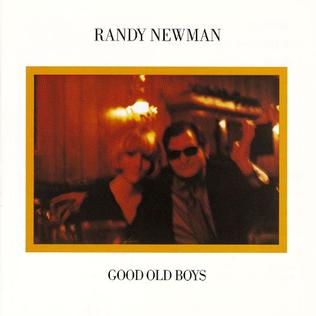
Randy Newman – Good Old Boys (1974). Newman has made a career out of walking that thin line between brilliant satire and outright cruelty. And, those for those people who take everything at face value, Newman is a pariah. Yet, there are those of us who love his take on bigotry. What is amazing is that our country has not moved beyond his canny take on the stupidity of racism, as we have witnessed over the past month or so of Black Lives Matter demonstrations throughout the country and world.

6.23 Raspberries - Starting Over

Raspberries – Starting Over (1974). After the departure of half the band, the Raspberries reconvened with an aptly titled fourth album by toughening their sound with an emphasis on The Who influences. While the whole album is killer power pop, which set the stage for the genres late-Seventies resurgence behind Cheap Trick and The Knack, the stand out song is the immortal rock & roll dreams stated in “Overnight Sensation (Hit Record).”

6.23 Roxy Music - Country Life

Roxy Music – Country Life (1974). This album is something of a transition album for Roxy Music, as they continue to record their artier version of Glam Rock and transition to that elegant pop/rock which will soon become their staple at the turn of the decade. It’s not much of a batch of singles but a coherent album statement.

6.23 Shuggie Otis - Inspiration Information

Shuggie Otis – Inspiration Information (1974). You may be wondering who this artist is, and rightfully so. This man was criminally overlooked back in the Seventies. He made social and racial statements that were every bit as strong as Marvin or Curtis, but, today, his music actually sounds contemporary. Artists in the Nineties were singing the praises of the man as they discovered him. Oh, and the Brothers Johnson had a major hit with Otis’ “Strawberry Letter 23,” even though his original version easily outdistances that great cover.

6.23 Stevie Wonder - Fulfillingness' First Finale

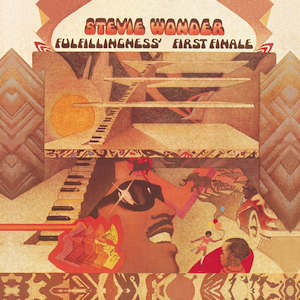
Stevie Wonder – Fulfillingness’ First Finale (1974). Much like Marvin Gaye, Wonder followed up his socially/racially motivated previous album with one taking on relationships. But, instead of fulling Marvin’s lead into the sexual, Wonder takes on the heart. “You Haven’t Done Nothin'” and “Boogie on Reggae Woman” are the hits here.

6.23 The Doobie Brothers - What Were Once Vices Are Now Habits

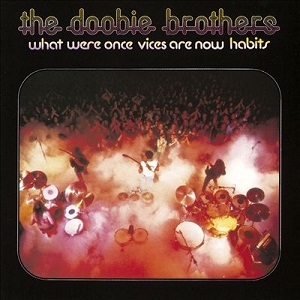
The Doobie Brothers – What Were Once Vices Are Now Habits (1974). I know! There’s probably better albums from The Doobies that were released earlier, but I still love this album! I dig the diversity of the songs, ranging from the huge hit “Black Water” to the laidback, nearly Chicago take on “Another Park, Another Sunday.” Plus, the use of the Memphis Horns was a great touch by the band.

6.23 The Meters - Rejuvenation

The Meters – Rejuvenation (1974). The Rolling Stones always had a way of bringing great black artists to the forefront whenever they toured. This time, the band shown the light upon one of rock’s more overlooked funk bands out of New Orleans called The Meters. There’s much to compare The Meters to being a Seventies musical equivalent of today’s The Roots. In both cases, these guys could play anything and that ability made them able to transcend genres in being a terrific band. Go listen to this album to hear what Mardi Gras should actually sound like.

6.23 Tom Waits - The Heart of Saturday Night

Tom Waits – The Heart of Saturday Night (1974). Tom Waits brilliance only comes through upon multiple listenings. There is an understated beauty to his tales of the losers that cross through the bars on the wrong side of the street. His music is impeccable and only enhances the loneliness of the many characters which inhabit his songs.

6.23 Van Morrison - It's Too Late to Stop Now

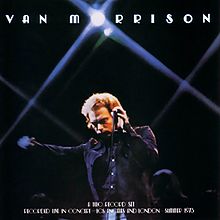
Van Morrison – It’s Too Late to Stop Now… (1974). Legend has it that Van Morrison is a temperamental live performer. You wouldn’t know by his passionate performance on this brilliant double album. He and his band run through scorching versions of many of his best-known songs. This album remains one of my favorite live albums of all time.

6.23 Van Morrison - Veedon Fleece

Van Morrison – Veedon Fleece (1974). This album marks the end of Morrison’s most innovative and creative period of his career. Still, he ended it on a high note. Unfortunately, this album lacks a big hit single that marked his previous albums. But, much like the album that kicked off this chapter, 1968’s Astral Weeks, Veedon Fleece is the sound of an artist working through his demons, specifically the sudden divorce from his wife.

And, that, my friends, wraps up my version of 1974. Have a stellar weekend! Peace!

It’s Time for Day 1 of 1974 on My 1000 Favorite Albums List

5.17 Top 1000 Albums_LI

Wow! 1974. That was the year I discovered American Top 40. It was the year I got to play basketball on my first school team. I also ran track for the first time, though that was a mixed beginning to a decent career. Perhaps the best part of the year was getting to play basketball for my dad, the former high school basketball coach and my hero. We had two separate basketball teams at our school, but they weren’t “A” and “B” teams. Dad coached the other team but had me and a couple other guys from the other team play on his team in the second half. He would turn the three of us loose at the beginning of the third quarter, pressing the other team full court. The three of us would have a blast getting to do that for the only time in our careers. I wish to this day that Dad had never given up being a coach to become a principal because I wanted to play for him. For a guy who only coached varsity basketball for two seasons, he sure cast a long shadow upon my school’s program for a very long time.

As far as music was concerned, I was still pretty much a singles guy though I was getting my feet wet with albums. Yet, there were a plethora of great albums from 1974. So, let’s get going with this list.

6.23 Bad Company - Bad Company

Bad Company – Bad Company (1974). Yet another supergroup that was assembled from former members of Free, Mott the Hoople and King Crimson to create one of the great blues-based rock bands of all-time. Led by vocalist extraordinaire Paul Rodgers, Bad Company set the tone for the sound of mid-Seventies rock with hits such as “Can’t Get Enough,” “Ready for Love” and “Bad Company.”

6.23 Barry White - Can't Get Enough

Barry White – Can’t Get Enough (1974). I feel Barry White has long been overlooked as a musical genius. The man produced some of the most sophisticated and lush soul music of the era, much of it influencing the whole genre of disco. In addition to his production work, his voice is the most distinctive attribute of his sound, with that patented bass pillow talk-slash-singing voice of his that melted many a woman. His greatest song, “Can’t Get Enough of Your Love, Babe” is here, but, for some reason, I have always loved “You’re My First, My Last, My Everything.”

6.23 Big Star - Radio City

Big Star – Radio City (1974). Criminally, Big Star’s debut album was a commercial failure, so co-leader Chris Bell left the band and along with him went the most heartfelt and achingly beautiful songs from the first album. Now, with Alex Chilton left unchecked, the harder edged side of the band was now dominant. And, once again, Big Star responded that sounds much more like the power pop of the Nineties than that of the Seventies. Of course, much like The Velvet Underground before them, Big Star was a commercial failure but influenced some many huge artists of the Eighties and Nineties.

6.23 Bob Marley & the Wailers - Natty Dread

Bob Marley & the Wailers – Natty Dread (1974). Many critics feel this album represents the pinnacle of Marley’s illustrious career. I don’t know. I feel like it becomes a matter of splitting hairs with this man’s legacy. All I know is that this album contains “No Woman, No Cry,” one of the man’s greatest songs. So, maybe it IS his best album?

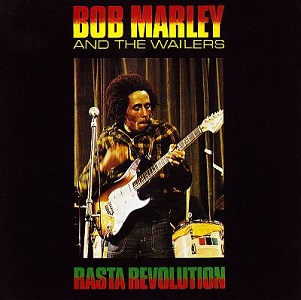
6.23 Bob Marley & the Wailers - Rasta Revolution

Bob Marley & the Wailers – Rasta Revolution (1974). Four albums in two years? And they are all classics? Marley was the man! I still cannot believe he died at such a young age, yet his popularity continues to grow. Oh, this album is outstanding and contains the terrific “Soul Rebel.”

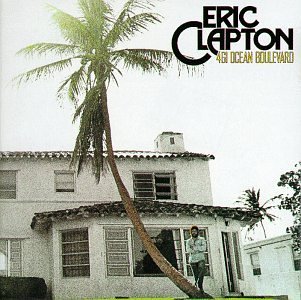
6.23 Eric Clapton - 461 Ocean Boulevard

Eric Clapton – 461 Ocean Boulevard (1974). Clapton is a rock survivor. He’s created some of the greatest blues-based rock music while maintaining his status as a guitar god. How does a man not get screwed up after experiencing creative and commercial highs with his bands Cream, Blind Faith, Derek & the Dominos, in addition to his impeccable guitar work with the likes of The Beatles and George Harrison, to name a few. So, he took a break, got clean, got influenced by the laidback blues music of J.J. Cale and created this beautiful album.

6.23 Gil Scott Heron - Winter in America

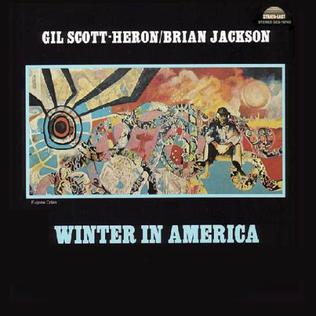
Gil Scott-Heron – Winter in America (1974). Thank you Saturday Night Live episode with Richard Pryor as the host because that was my introduction to the music of Gil Scott-Heron. At the time, I really didn’t know what to make of it, this mixture of R&B, semi-spoken word and jazz mix. But, now, with hindsight being 20/20, I recognize the foundation of hip hop being laid by this brilliant man with an endless fountain of social commentary he set to music with the aid of Brian Jackson.

6.23 Gram Parsons - Grievous Angel

Gram Parsons – Grievous Angel (1974). One of the godfathers of country rock who is perhaps invented the genre with The International Submarine Band, changed the course of The Byrds in 1968, influenced The Stones with a touch of country by co-writing “Wild Horses,” founded The Flying Burrito Brothers and then recorded this album (and one other) before overdosing on drugs. This album is considered to be something of the Rosetta Stone for the whole Nineties alt-country and today’s Americana movement. Oh, did I mention that he introduced us to Emmylou Harris as his duet partner on this album? The man covered a lot of ground in his short life.

6.23 Joni Mitchell - Court and Spark

Joni Mitchell – Court and Spark (1974). On Court and Spark, Mitchell began to add flourishes of jazz to her folk-based sound that only expanded her musical palette. Now, her songs were becoming more esoteric and wistful. And, no one can forget her hit song “Help Me.”

6.23 Kraftwerk - Autobahn

Kraftwerk – Autobahn (1974). Seriously! Who in their right minds makes a rock album with only synthesizers based upon the “sounds” of the original national highway system? Either these Germans were crazy or geniuses. I tend to go with the latter. Think about it. They were so far ahead of the curve, that the whole rave thing has come and gone and now Electronic Dance Music (EDM) is all the rage, and they all sing the praises of this band. Not to mention their influence on mid-Eighties hip hop, synthpop and just the fascination of all things electronic in music in their aftermath.

6.23 Labelle - Nightbirds

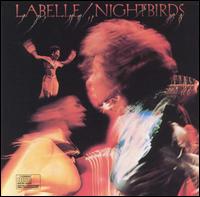
Labelle – Nightbirds (1974). These women were like something from the Parliament/Funkadelic wardrobe, you know, a space/funk look. But, man, could they ever sing. The cool part was this trio, made up of Patti Labelle, Nona Hendryx and Sarah Dash, had their individual looks and styles, but when they came together, they absolutely rocked! “Lady Marmalade” is all I need to say.

6.23 Linda Ronstadt - Heart Like a Wheel

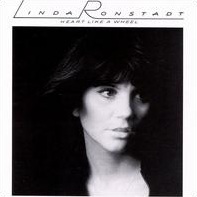
Linda Ronstadt – Heart like a Wheel (1974). Linda Ronstadt was my first celebrity crush. And, not just for her looks. That voice of hers still sounds like what angels in heaven will all sound. Her canny choice of material has always what has separated her from the pack. Her voice is soulful and tough yet tender and vulnerable. “You’re No Good” sucked me in, but “When Will I Be Loved” made me stay.
6.23 Lynyrd Skynyrd - Second Helping

Lynyrd Skynyrd – Second Helping (1974). Skynyrd did not suffer a sophomore jinx on this album at all. Instead, they upped the ante with classics like “Sweet Home Alabama,” in which the band tears Neil Young a new one for what he sang in his scathing “Southern Man.” And, both parties loved each other’s songs. That would never happen today. Oh, did I mention that this album also has Skynyrd standards “Call Me the Breeze,” “Workin’ for the MCA” and the immortal “The Ballad of Curtis Loew.”
And that’s just the first half! Wait ’til you see what’s coming next time. Peace!

The Year 1973 in My 1000 Favorite Albums

5.17 Top 1000 Albums_LI

Oh boy! Am I ever becoming the music connoisseur by the age of ten. Not really, because if I’m honest, I was actually a big fan of “Tie a Yellow Ribbon Round the Old Oak Tree” and “Shambala” as much as “No More Mister Nice Guy” and “Long Train Running.” Still, I did begin to slow become a better judge of good music as opposed to bad music, regardless of these discrepancies.

Since I am still battling these persistent back spasms, I have a little more time to write today than I normally would. Plus, I’m in a little groove with my other musical obsession, Tom Petty, playing in the background.

So, let’s get this 1973 bus rolling!

6.21 Al Green - I'm Still in Love with You

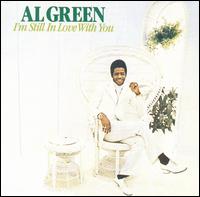
Al Green – I’m Still in Love with You (1973). Yet another terrific set of steamy soul songs, a few of them covers. I remember a grade school friend’s teenage sister, who we all thought was hot, playing this 8-track tape. If she liked it, as my pre-hormonal thought process went, it had to be good. And, it is!

6.21 Alice Cooper - Billion Dollar Babies

Alice Cooper – Billion Dollar Babies (1973). This is the first album I ever bought with my own money. Good choice? No! Great choice!!! This album continues the band’s winning formula of shocking stage shows and lyrics, budding hard rock and a high dose of teenage pandering. Kiss and every hair metal band after Van Halen must pay homage to Alice Cooper for their success.

6.21 Bob Marley & the Wailers - Burnin'

Bob Marley & the Wailers – Burnin’ (1973). Wanna know where Eric Clapton discovered “I Shot the Sheriff”? Look no further! As you will soon discover, Clapton’s version is lame in comparison to Marley’s original. Not only that, but this album contains the immortal “Get Up, Stand Up.” So, what else do you need in order to realize reggae is a great genre?

6.21 Bob Marley & the Wailers - Catch a Fire

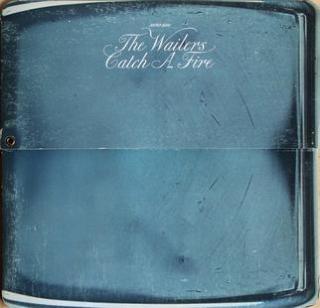
Bob Marley & the Wailers – Catch a Fire (1973). Here is Marley’s major label debut, and it is a classic! Johnny Nash brought the song to the masses, but Marley’s original version of “Stir It Up” is dripping with sex. Plus, the rest of the album introduced reggae to the mainstream rock audience. This one was the first of two landmark albums in 1973 for Marley & the Wailers.

6.21 Brian Eno - Here Come the Warm Jets

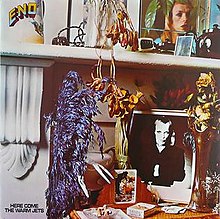
Brian Eno – Here Come the Warm Jets (1973). Eno, the self-described noise manipulator for the band Roxy Music, struck out on his own for the innovative take on Glam Rock. This album set the stage for his great run of albums in the Seventies that influenced punk, new wave and hip hop. Additionally, we get to hear his production work that would become so vital for artists like Talking Heads, U2 and Coldplay, among many others.

6.21 Bruce Springsteen - The Wild, the Innocent & the E Street Shuffle

Bruce Springsteen – The Wild, the Innocent & the E Street Shuffle (1973). Dave Marsh once described Side Two of this album like a typical weekend for a working class hero, and that has always stuck with me. Two more mellow songs, representing the Friday workday and the Sunday day off, sandwich the wild Saturday blowout of “Rosalita” in the middle. And nothing better described that album. This is when Springsteen began to sprout into The Boss.

6.21 David Bowie - Aladdin Sane

David Bowie – Aladdin Sane (1973). As the title cryptically implies, Bowie is working out some demons on this album with some slightly bizarre music within the Glam Rock context set forth by his work on Ziggy Stardust. This is a terrific set, even though it lacks the big single like its predecessor or the albums that will follow.

6.21 Led Zeppelin - Houses of the Holy

Led Zeppelin – Houses of the Holy (1973). Led Zep pretty much follows the same game plan they followed on Zeppelin IV only their playing seems a little looser and freer. This album might just be their most consistent and satisfying statement in their illustrious catalog.

6.21 Lynyrd Skynyrd - Pronounced

Lynyrd Skynyrd – (pronounced Leh-nerd Skin-nerd) (1973). This is Southern Rock in all its glory and warts. Unlike the present day version of this band, the Ronnie Van Zandt-led version was lyrically grappling with what it was like to be an American from the former Confederacy. Outside of “Sweet Home Alabama,” all of the band’s big concert songs are found on their debut album, from “Freebird” and “Simple Man” to “Tuesday’s Gone” and “Gimme Three Steps.” It remains a great album today that influenced a huge run on Southern Rock artists in the Seventies up through today in bands like the Drive-By Truckers and North Mississippi Allstars.

6.21 Marvin Gaye - Let's Get It On

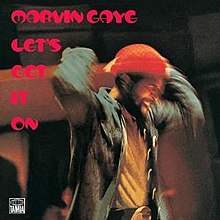
Marvin Gaye – Let’s Get It On (1973). So, how did Gaye choose to followup his greatest musical statement? With an album written as an ode to sex. And, if you don’t think about the muse of this album, it stands as one terrific song for physical love. However, the story behind the album would never fly today during the #MeToo movement. I tend to block that story out of my head when revisiting this album, as I do for all Michael Jackson LPs.

6.21 New York Dolls - New York Dolls

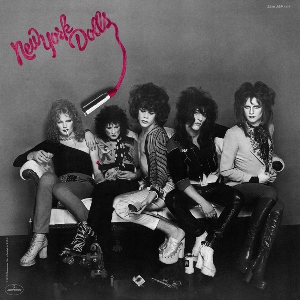
New York Dolls – New York Dolls (1973). While Detroit’s Stooges nudged the door open on a thing soon to be called punk rock, NYC’s New York Dolls brought an art school mentality to the sound as they did a Warholian thing by cross dressing onstage. Between the two bands, along with a pinch of political awareness from MC5, they set the parameters of punk. If the band could have only held it together long enough to become as heralded as The Stooges and MC5.

6.21 Paul McCartney & Wings - Band on the Run

Paul McCartney & Wings – Band on the Run (1973). McCartney fans argue all the time as to which of his albums are the greatest. Personally, I love to read their posts on the subject. Some enjoy the obscure latter day albums, while others push the big sellers. Me? I go with this album. Why? The title song! It remains a romanticized yet magical song of the power of a rock band that I want to buy into.

6.21 Paul Simon - There Goes Rhymin' Simon

Paul Simon – There Goes Rhymin’ Simon (1973). Once again, Simon shows what a musical force of nature he was becoming as he continues to dip into musical styles from outside of the typical rock world. “Kodachrome” and “Loves Me like a Rock” are classics that we would play on our high school radio station in the early Eighties as a sing-along bit. And, we were NOT being ironic!

6.21 Stevie Wonder - Innervisions

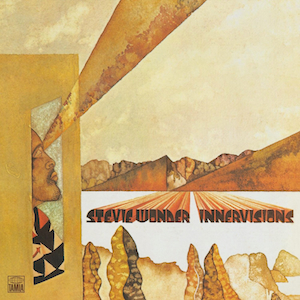
Stevie Wonder – Innervisions (1973). Now, Wonder is hitting his full creative stride on Innervisions. All I need to say are “Living for the City,” “Higher Ground” and “He’s Misstra Know It All.” Classic.

6.21 The Isley Brothers - 3 + 3

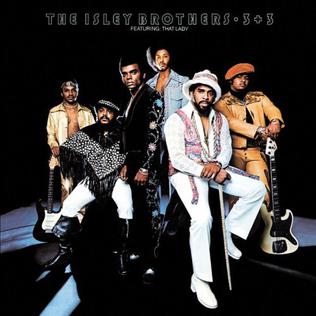
The Isley Brothers – 3 + 3 (1973). Yes, The Isley Brothers were a terrific band from the late-Fifties through the early-Sixties, but this is the album when they turned a creative corner and became true rock immortals. The album comes from the band expanding from the three original brothers to six with two younger brothers and a cousin joining the lineup. Most importantly, younger brother Ernie added his Hendrix-influenced guitar playing to the funk, making them a more commercial version of Funkadelic. “That Lay, Parts 1 & 2” remains a landmark song, and their version of Seals & Crofts’ Yacht Rock classic of “Summer Breeze” is a sensual innovative take.

6.21 The Stooges - Raw Power

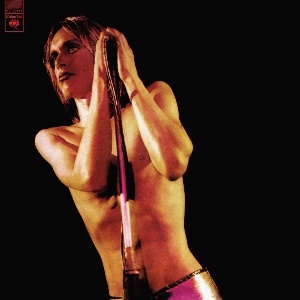
The Stooges – Raw Power (1973). For all the praises worthily heaped upon the band’s first two albums, this is the one where the whole rage and rawness came to a head and burst its influence all over rock’s budding punk scene. Of course, you will find Bowie’s fingerprints on the creation of this classic. “Search and Destroy” remains a punk classic.

6.21 The Who - Quadrophenia

The Who – Quadrophenia (1973). While Who’s Next is rightfully praised as The Who’s creative peak and Tommy is considered the granddaddy of all rock operas, I actually prefer this ode to the band members’ Mod days. The story line is so much better, and the songs are terrific. I simply find this album as the most satisfying Who adventures ever.

6.21 ZZ Top - Tres Hombres

ZZ Top – Tres Hombres (1973). This is the album that kicked off ZZ Top’s career. But, never lump these Texans in the Southern Rock category. They are way more blues rock than Southern Rock, just like The Allmans. To me, any album that has an original like “La Grange” is going to be a classic in my book.

And that folks, wraps up 1973 in my list. Peace!

My 1000 Favorite Albums of All-Time: 1972, Part 3

5.17 Top 1000 Albums_LI

I gotta be honest. It’s been a rough past couple of days, and today’s not starting off great either. I’ve been experiencing horrible lower back spasms that extend down into my buttocks and even my legs. Now, I have the spasms every day, but they normally don’t knock me down. Unfortunately, there is no rhyme or reason to them as far as severity. They could be aggravated by a sudden movement, sleeping wrong, excessive heat, even back massages have aggravated them. For some reason, even though my spine is supposedly structurally sound, my back muscles will not quit attempting to keep my spine straight. I’ve tried every muscle relaxer and treatment possible, and still I get no relief. Seriously, what can you say about a guy’s back who got Botox injections into the trigger points of those spasms in an effort to relax the spots that lead to the spasms only to suffer WORSE spasms that before? And, the same results happened with trigger point injections of steroids, painkillers and other muscle relaxers.

So, I apologize ahead of time if my entries are not as insightful, if they ever have been, as before. I’m simply hoping for clarity and coherence while writing today. So, buckle up! This could be a roller coaster ride of a read. This is rock blogging on muscle relaxers. At least keyboards don’t trail off as handwriting can.

6.18 Slade - Slayed

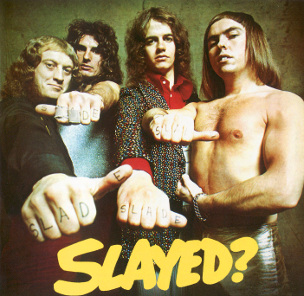
Slade – Slayed? (1972). Yet another entry from the UK Glam scene, Slade was the next step in the development of the American scene in NYC with Kiss and the New York Dolls arriving shortly afterwards. Slade never really made a dent here in the States until their early-Eighties resurrection thanks to Quiet Riot’s remake of their “Cum on Feel the Noize.” This album is stuffed full of stuff that the Hollywood Strip Hair Metal bands would cover, especially “Mama Weer All Crazee Now.” Don’t let the phonetic spellings of their titles fool you, this is a great band with their best album.

6.18 Steely Dan - Can't Buy a Thrill

Steely Dan – Can’t Buy a Thrill (1972). Steely Dan’s main songwriting duo, Walter Becker and Donald Fagen, are two meticulous studio craftsmen who showed this tendency on their debut album. You can hear the precise arrangements, the impeccable playing and the complex influences of jazz, rock and R&B being melded into a completely new sound. “Do It Again” and “Dirty Work” are terrific songs, but we ALL know the guitar riff to “Reelin’ in the Years,” one of the all-time great riffs of rock music.

6.18 Stevie Wonder - Talking Book

Stevie Wonder – Talking Book (1972). This album begins the maturation of Stevie Wonder into the musical genius he had been touted since his debut album. But, now, Stevie was ready to speak his mind about social issues just like Marvin Gaye. The man wrote and recorded “Superstition” and “You Are the Sunshine of My Life” before opening for The Rolling Stones on their American tour. And, as great as this album is, the best is yet to come.

6.18 The Allman Brothers Band - Eat a Peach

The Allman Brothers Band – Eat a Peach (1972). This album did not begin this way, but it ended up being a loving tribute to the recently departed guitarist Duane Allman. You can hear his greatness on the tracks he recorded before his untimely death, in addition to the live cuts that were added, such as the 33-minute jam “Mountain Jam.” You can hear the beginnings of the more mellow leanings the band would take as Dickey Betts began to assert himself in a leadership role with the exquisite “Melissa.”

6.16 The Nitty Gritty Dirt Band - Will the Circle Be Unbroken

The Nitty Gritty Dirt Band – Will the Circle Be Unbroken (1972). The teaming of a group of Southern California long-hairs and old time real country music pickers might appear a clash of cultures on paper. But, this amalgamation worked because all involved knew what was in the hearts of each other. This just might be the finest country rock album of them all, as the band and players blast through many of the standards those originals wrote. And, the Dirt Band’s originals fit the mood perfectly. This may be the first time when both country and rock purists were commercially satisfied with the outcome.

6.19 The O'Jays - Back Stabbers

The O’Jays – Back Stabbers (1972). This album represents the moment when The O’Jays went from soul and R&B journeymen to Rock & Roll Hall of Famers. The trio asserted their mastery of Seventies soul with keen observations of the society around them. Of course, the title song is immortal. Although their brilliantly positive anthem “Love Train” has been reduced to a beer commercial song, the song remains a landmark song, no matter how many Silver Bullets (and not Bob Seger’s, either) it may have sold.

6.18 The Rolling Stones - Exile on Main St

The Rolling Stones – Exile on Main Street (1972). The recording of this album is legendary for its debauchery and excess. And, The Stones have never got in the way of a good story to aid their lore. And, this album is terrific, although I tend to believe this album is more appreciated for the stories associated with its creation than the actual music, how ever good it is. And, it is excellent. But, I still prefer Sticky Fingers.

6.19 Todd Rundgren - Something Anything

Todd Rundgren – Something/Anything? (1972). The Renaissance man of rock music unleashed this monster double album on an unsuspecting population and garnered the biggest commercial windfall of his career for his solo work. Then, he backed away for a more artistically fulfilling career. Still, this album remains a testament to the depth and breadth of his talent as a singer/songwriter/producer/musician. “I Saw the Light,” “It Wouldn’t Have Made Any Difference,” “Couldn’t I Just Tell You,” and “Hello It’s Me” are all on here.

6.18 Van Morrison - Saint Dominic's Preview

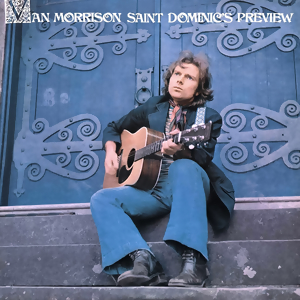
Van Morrison – Saint Dominic’s Preview (1972). Not exactly album held together by a theme as his previous albums all were, Saint Dominic’s Preview remains a joyous celebration of life through Morrison’s unique blend of rock, R&B and Celtic mysticism. The highlight happens to be my favorite Van Morrison song of all time, “Jackie Wilson Said (I’m in Heaven When You Smile).”

6.18 Various - Nuggets Volume 1

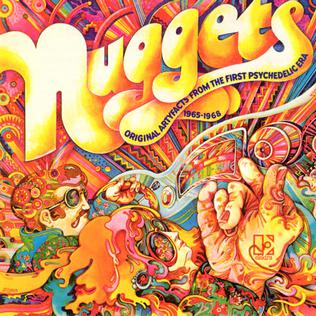
Various Artists – Nuggets: Artyfacts from the First Psychedelic Era 1965-1968 (1972). Future Patti Smith guitarist and at the time rock critic Lenny Kaye put this compilation together, and the album ended up becoming ground zero for the whole punk/new wave movement of the Seventies. The original double album set contained hits by forgotten American garage bands like the Electric Prunes (“I Had Too Much to Dream Last Night”), The Standells (“Dirty Water”) and The Count Five (“Psychotic Reaction”), but unfortunate misses by the likes of The Chocolate Watchband (“Let’s Talk About Girls”) and Mouse (“A Public Execution”). This album spawned five essential four-CD box sets during the Nineties and the Aughts.

6.18 War - The World Is a Ghetto

War – The World Is a Ghetto (1972). War still has not gotten its due as one of the greatest funk/rock bands of all time. This multi-racial band set the standard for musicianship and social commentary that ranks up there with the works of Marvin Gaye, Stevie Wonder, Sly & the Family Stone, Parliament/Funkadelic and Curtis Mayfield. This is sophisticated work by musicians at their creative peak. The title song and “The Cisco Kid” were the big hits here.

Next time, we are on to 1973!

My 1000 Favorite Albums of All-Time: 1972, Part 2

5.17 Top 1000 Albums_LI

Let’s see, what do I remember about 1972? First, I was petrified at the thought of calling a girl I liked on the phone. Second, I probably had more in common with a basketball than anything else on the planet. Third, my third grade teacher became the first non-family member to encourage me to write more, although I really didn’t take her advise. Fourth, I discover just how hard a person’s head could be when another friend broke his front tooth on the head of another friend as we played basketball. The highlight of the whole episode was seeing the remnant tooth still implanted in the guy’s head. You know, exciting times for a nine-year-old.

And, for some odd reason, I became obsessed with the whole Watergate break-in. That fascination has remained a life-long thing. I’ve always been kind of odd. Enough of that! Let’s do the music.

6.16 Jimmy Cliff - The Harder They Come

Jimmy Cliff – The Harder They Come (1972). Everyone should have a reggae phase during their lives. Honestly, there’s no better music to listen to around water on a warm day. Of course, you have to start your reggae journey with this album that has more than only Jimmy Cliff on the album. But, those three Cliff songs are immortal. Throw in some Toots & the Maytals, and you have the basis of a beautiful introduction into the world of reggae. From there, branch out to Bob Marley, Johnny Nash, Peter Tosh, Burning Spear, Black Uhuru, and the rest. And Jimmy Cliff’s “Many Rivers to Cross” is exquisite.

6.16 Lou Reed - Transformer

Lou Reed – Transformer (1972). Lou Reed left behind The Velvet Underground and got some production help from buddy David Bowie to stake his claim not only as a major player in glam rock or as a godfather of the upcoming punk movement, but as an important rock icon. Bowie tempered Reed’s gritty tales of the NYC underbelly without loosing Lou’s journalistic point-of-view. This classic album will always be best remembered for the terrific “Walk on the Wild Side.”

6.16 Marvin Gaye - What's Going On

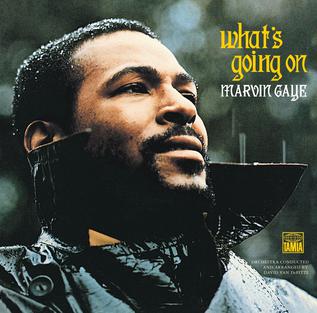
Marvin Gaye – What’s Going On (1972). Along with Stevie Wonder and The Temptations, Marvin Gaye has got to be the most important Motown artist of the early-Seventies. This album remains the man’s creative peak, with tales of anguish of inner city life (“Inner City Blues (Make Me Wanna Holler)”), the environment (“Mercy, Mercy Me (The Ecology)”) and the disparity in the deaths of poor black men, both at home and in Vietnam (the pleading title song). No other Motown album dealt with black issues like this one did. This album should remain required listening for race relations. It is especially poignant during these days of Black Lives Matter.

6.16 Mott the Hoople - All the Young Dudes

Mott the Hoople – All the Young Dudes (1972). Once again, David Bowie played a major role in the success of this great British band, giving them a glam overhaul and helping the band focus their energies. Plus, no one will ever forget the title song, a nice little gift from Ziggy Stardust himself.

6.16 Neil Young - Harvest

Neil Young – Harvest (1972). Perhaps, this album remains something of a commercial albatross around the necks of critics more than Neil Young himself. This country rock sounding album remains Young’s only number one album, and there are so many great songs on it. And as fantastic as this album is, it only gives the average listener a small glimpse in the depth of the man’s talent. “Heart of Gold” was the hit, but “The Needle and the Damage Done” is the emotional heart of the album.

6.16 Nick Drake - Pink Moon

Nick Drake – Pink Moon (1972). This is the Drake album upon which his reputation is hung. And, it is his bleakest album, yet still achingly beautiful. Unfortunately, it was his last album as he would die from a drug-overdose in 1974. He never really experienced any commercial success in his lifetime, but his reputation as an artist continues to rise. The title song was even used in a car commercial a few years back.

6.16 Paul McCartney - Ram

Paul McCartney/Linda McCartney – Ram (1972). Beatles fans were awaiting major artistic statements from the first solo albums from the formerly Fab Four. And, they got them from John Lennon (John Lennon/Plastic Ono Band) and George Harrison (All Things Must Pass). But, McCartney was just McCartney on his debut, McCartney. So, what did Paul do for a follow-up? He teamed up with his beloved wife Linda and created another batch of “silly love songs.” But, these were very charming songs, including the Beatles-like pastiche of Uncle Albert/Admiral Halsey.”

6.16 Paul Simon - Paul Simon

Paul Simon – Paul Simon (1972). If you were wondering why Simon & Garfunkel broke up, from a musical standpoint, Simon’s first solo album proved it. The man wanted to dive into different styles. After the glorious “Bridge over Troubled Water,” Simon showed his playfulness on “Me and Julio Down by the Schoolyard.” The theme of death is tackled throughout this album, no matter how Simon dresses up the music. Still, Paul did record a brilliant hit song with “Mother and Child Reunion.”

6.16 Pink Floyd - The Dark Side of the Moon

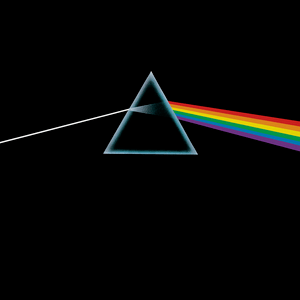
Pink Floyd – The Dark Side of the Moon (1972). What can I say about this album that hasn’t been said before? Simply put, it remains a cultural milestone that truly defies its place in musical history. This album is the vision that you’d think Sgt. Pepper would have. This is the granddaddy of all classic rock albums, and much more.

6.16 Randy Newman - Sail Away

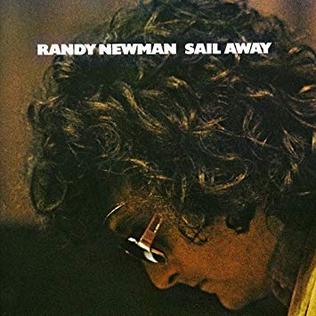
Randy Newman – Sail Away (1972). This album just might be Newman’s best. The sarcasm is slightly toned down, but the lyrical impact is still there. It is simply beautiful in its execution. And, there is enough sly winks to keep me coming back. The satire is thick, though. Newman has described the title song as a commercial jingle for slave owners to recruit potential (naive) Africans. “Political Science” is, well, a cynical lesson in political science. And, Newman’s original take on “You Can Leave Your Hat On” is more hilarious when compared to Joe Cocker’s earnest take on the song.

6.18 Raspberries - Raspberries

Raspberries – Raspberries (1972). Before Eric Carmen went solo and gave us the teen weeper “All by Myself” or before he became a right-wing conspiracy-touting nut job, he was the one of the originators of power pop. This Cleveland band’s debut album is a terrific mix of “Paperback Writer”-era Beatles and early Mod-era Who. And, I could go on for days about what a masterpiece “Go All the Way” is. Everyone from Cheap Trick to Bruce Springsteen to Marshall Crenshaw to The Bangles to Matthew Sweet and beyond have all knelt at the alter of the Raspberries.

Peace!

My 1000 Favorite Albums of All-Time: 1972, Part 1

5.17 Top 1000 Albums_LI

I gotta admit that 1972 was the year I was excited to get to because we are now entering my wheelhouse. These albums truly represent the foundation of my musical life. Most of them are ingrained in my memory because of high school kids who rode my school bus or those at the swimming pool during the summer or older kids in the neighborhood blaring either 8-track tapes or the radio set on the legendary Indianapolis radio station WNAP 93.1 FM Indianapolis “The Buzzard,” perhaps the last of the “cool” radio stations.

This was also the year in which my straight-laced, no-nonsense history teacher of an uncle (perhaps the greatest uncle of all-time!) would poll his high school students to determine which 8-track tapes to buy me for my birthday or Christmas. So, I must include a huge thank you to those students at Southport High School on the southside of Indianapolis for convincing my uncle and aunt to purchase these tapes for me: School’s Out by Alice Cooper, Elton John’s Goodbye Yellow Brick Road and Goat’s Head Soup by The Rolling Stones that Christmas. You guys truly jump-started this whole music obsession of mine.

Let’s get the ball rolling!

6.14 Al Green - Call Me

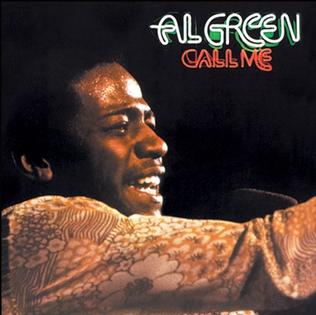
Al Green – Call Me (1972). In 1972, I did not understand the power of a sexy slow song. Simply, I only knew what I liked and didn’t like. But, Al Green is the master of those groovin’ slow songs that still make women melt today. Or, at least, I’d like to think they still work today. Maybe, kids, his music will work if you turn up the bass?

6.14 Alice Cooper - Schools Out

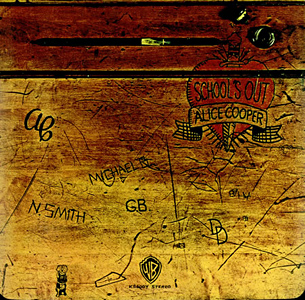
Alice Cooper – School’s Out (1972). Nothing spoke to the tween version of me like Alice Cooper! He was our Marilyn Manson or our Ghost. Except, he was the original, if you ignore Screamin’ Jay Hawkins. Still, no one has written such an enduring anthem as the title school which STILL rings true to school kids today.

6.14 Aretha Franklin - Amazing Grace

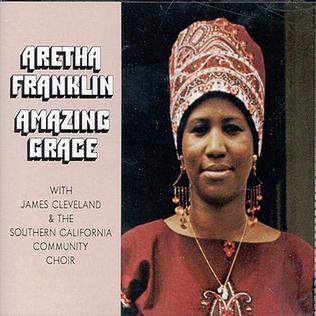
Aretha Franklin – Amazing Grace (1972). As a kid, church is just not cool (and sometimes, as an adult too). Then, you hear the Queen of Soul vocally ripping apart these hymns in a manner you wouldn’t have envisioned possible. Now, this IS church!

6.14 Big Star -1 Record

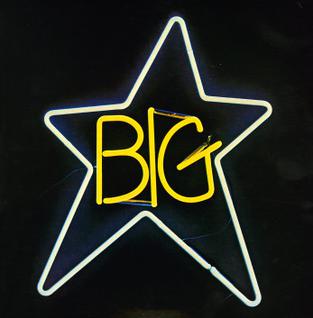
Big Star – #1 Record (1972). Like so many others my age, we did not discover this band until the Eighties, when tastemakers like R.E.M. began touting Big Star as a fantastic lost band. Then, my generation jumped all over the band’s three albums, and a new legend was established. Trying to re-establish the original British Invasion sound in the early-Seventies was definitely not considered “cool.” Then, the album was lost to time by incompetence of the label. Now, they are every bit as an influence to the whole alternative rock scene of the Eighties and Nineties as The Velvet Underground. Put them in the Rock & Roll Hall of Fame this year!

6.14 Black Sabbath - Vol 4

Black Sabbath – Vol. 4 (1972). Here’s the last truly awesome Sabbath album of the first Ozzy-era before they took that Spinal Tap-like turn. The album is known for the song “Snowblind” and being recorded at the beginning of the band’s notoriously large consumption of drugs, which led to their downturn. Still, this album is peak-Sabbath. I gotta give a shout out to my friend Walt Ring who turned me on to this album in eighth grade.

6.14 Chicago - Chicago V

Chicago – Chicago V (1972). After combing through Chicago’s legendary Seventies run of hit albums and songs, I began to notice a slight downward turn in the consistencies of the albums after this one. My belief is that Terry Kath’s drug and alcohol demons were beginning to cut into his creativity, as he is beginning to relinquish his leadership role to others, as evidenced by only one of his songs making the album. Yet, the album had two major hits in “Saturday in the Park” and the underappreciated “Dialogue.”

6.14 Curtis Mayfield - Superfly

Curtis Mayfield – Super Fly (1972). So, Shaft was first in the blaxploitation film soundtrack race, but Mayfield had the ultimate statement with Super Fly. Mayfield was an inspired choice to chronicle the inner city tale of this film. Curtis was able to show the compassion and moral compass to make this music ring true. I cannot heap enough superlatives upon this album and how timeless it truly is. Much of the music is a perfect soundtrack to the Black Live Matter movement today.

6.14 Daryl Hall and John Oates - Abandoned Luncheonette

Daryl Hall & John Oates – Abandoned Luncheonette (1972). This album was a slow-burner, as it took four long years to caught on. But, once it was discovered by my generation, we were quick to sing the praises of this legendary duo’s mix of rock, folk and soul. “She’s Gone” is not the only masterpiece on this album.

6.14 David Bowie - Ziggy Stardust

David Bowie – The Rise and Fall of Ziggy Stardust and the Spiders from Mars (1972). This album is a landmark album. Not many albums truly capture the zeitgeist of a moment, but this is one of them. And, it’s stature only continues to grow as time passes. This album is so much more than a glam rock record, as we continue to feel its ripple effects nearly a half-century later.

6.14 Deep Purple - Machine Head

Deep Purple – Machine Head (1972). Ignore everything else about this album for a moment and focus solely on the opening guitar riff for “Smoke on the Water.” That’s all I have to say. Next!

6.14 Elton John - Goodbye Yellow Brick Road

Elton John – Goodbye Yellow Brick Road (1972). In Eighties parlance, Elton John was the shit at the time of this album. Ultimately, this album represents the Rocket Man’s greatest creative statement. It is my Sgt. Pepper.

6.14 Elton John - Honky Château

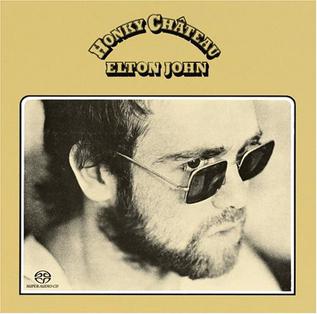
Elton John – Honky Château (1972). I like to think of this album as Elton’s Hall & Oates album, only he released it first. This one has “Honky Cat,” “Rocket Man” and my personal fave “Mona Lisas and Mad Hatters.” You just knew his next album was going to be huge. And, Goodbye Yellow Brick Road was just that.

That concludes the first of three installments on 1972.

Day 2 for 1971 from My 1000 Favorite Albums

5.17 Top 1000 Albums_LI

The question I have is did the Classic Rock radio format begin with music from 1971? Seriously! My list is stuffed with artists and music that is heard often on rock radio stations today. If you thought the previous list was full of them, just wait until you see what’s in store for you today. Perhaps, two of the biggest fish in the Classic Rock sea will be thrown out today.

So, tighten your metaphorical seat belts, because here we go.

6.11 Led Zeppelin - Led Zeppelin IV

Led Zeppelin – Led Zeppelin IV (Zoso) (1971). There was NO way I could leave off this album. First, it’s Zep. Second, it’s the album upon which Seventies and Eighties hard rock is based. The most-requested radio song of all-time (“Stairway to Heaven”) is here, as are long-time radio staples “Black Dog,” “Misty Mountain Hop,” “When the Levee Breaks” and my personal favorite “Rock and Roll.”

6.11 Leonard Cohen - Songs of Love and Hate

Leonard Cohen – Songs of Love and Hate (1971). Leonard Cohen’s stuff is more about his lyrics than the music. The music is in place to enhance the mood of the music. If you follow his progression, you will notice that Cohen’s singing his becoming more self-assured. This is an intense set of emotional songs, highlighted by “Last Year’s Man,” “Famous Blue Coat” and “Joan of Arc.”

6.11 Nick Drake - Bryter Layter

Nick Drake – Bryter Layter (1971). This album was a late discovery for me, and what a shame! It would have been a “go-to” album for me as a teen, since it’s full of angst, loss and loneliness. The music is beautifully melancholic while the lyrics fit perfectly. Why did this album fall through the cracks here in the US?

6.11 Rod Stewart - Every Picture Tells a Story

Rod Stewart – Every Picture Tells a Story (1971). Is there a better Rod Stewart album? Not at all! For me, this is the only album from his solo career to have, though Atlantic Crossing and A Night on the Town are pretty good. But, he always shined better when he sang with the Jeff Beck Group and The Faces outside of this classic album. And, yes, “Maggie May” is here.

6.11 Sly & the Family Stone - There's a Riot Goin On

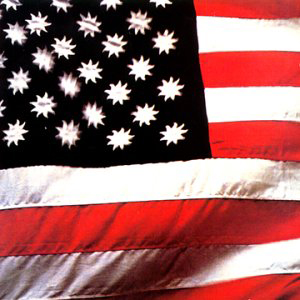
Sly & the Family Stone – There’s a Riot Goin’ On (1971). Of all the albums on race relations, this is the one album that still rings true today. I get it that every generation gets to choose the voice of their protests, but Sly is spot on with his social commentary here. What a better compliment than to say your musical message remains relevant nearly 50 years later.

6.11 T Rex - Electric Warrior

T. Rex – Electric Warrior (1971). The Glam Rock granddaddy of the them, apologies to Mr. Bowie. Marc Bolan was the visionary of the glam movement in the UK and deserves his impending Rock Hall induction if only for this album. Unfortunately, at the time, it barely made a commercial dent here in the States. Now, it is considered a major landmark album both for the punk and hair metal movements down the road.

6.11 The Allman Brothers Band - At Fillmore East

The Allman Brothers Band – At Fillmore East (1971). Hello, Southern Rock! We’ve been awaiting you. Yes, Lynyrd Skynyrd perfected it, but the Allmans got their feet in the door. No, they actually knocked the whole damn thing down with this live album, which proved they were actually the best blues-based jam band. Proof? Listen to the last cut, a nearly 23-minute version of “Whipping Post,” where you hear everything that is glorious about the band.

6.11 The Beach Boys - Surfs Up

The Beach Boys – Surf’s Up (1971). The Sixties dream was over. Creative visionary Brian Wilson had gone of the deep end. Drummer and Wilson brother Dennis had been tied to the Manson Family, so The Beach Boys were nearing a nostalgia act status. But, the remaining boys put that darkness into their music and delivered a darkened vision of their California dream that fit the times perfectly. It didn’t sell upon its release, but Surf’s Up has aged well as a grown-up statement.

6.11 The Doors - L.A. Woman

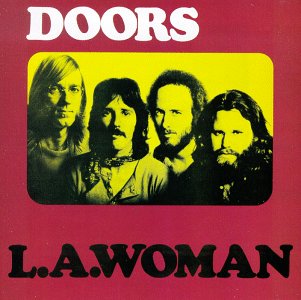
The Doors – L.A. Woman (1971). The Doors are perfect for teens, all dark and angst-ridden. And, sometimes, I feel like they can be a bit overrated. Then, I listen to this album, and it reminds me of their short-lived greatness. The sound is more bluesy than other albums, but Jim Morrison’s poetic lyrics are here in all their majesty while his voice sounds tired, jaded, raspy and just plain worn out. Everyone should have known he wasn’t long for the world. Still, this album contains three of my favorite Doors songs in the title song, “Love Her Madly” and, best of all, “Riders on the Storm.”

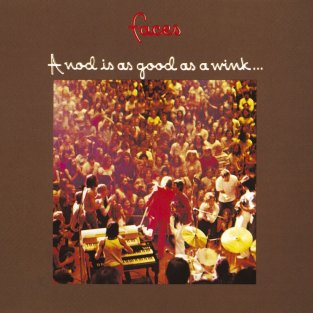
6.11 The Faces - A Nod Is as Good as a Wink

The Faces – A Nod Is as Good as a Wink…To a Blind Horse (1971). This is NOT a Rod Stewart album, although many may think the hit song “Stay with Me” is his. A Nod is the sound of a great band actually fulfilling its promise. I would have rather the band stayed together and grown then to have had to hear Stewart’s Eighties albums. The Black Crowes copped the sound of their debut album from The Faces.

6.11 The Rolling Stones - Sticky Fingers

The Rolling Stones – Sticky Fingers (1971). Sorry everyone! This is the greatest Stones album ever (remind me I said that when we get to 1978, as I might get into hyperbole). We have THE classic Stones sound that everybody from Sex Pistols to The Replacements to The Black Crowes have tried to emulate right on display on Sticky Fingers. Seriously, half of their greatest songs are on this one album. We have “Brown Sugar,” “Wild Horses,” Sway,” “Sister Morphine,” “Bitch” AND “Can’t You Hear Me Knocking”! This album is vastly underrated, especially when compared to Exile on Main Street, the band’s supposed classic.

6.11 The Who - Whos Next

The Who – Who’s Next (1971). Will you just look at today’s list? The Allmans, The Stones, Zeppelin IV, Rod Stewart and, now, Who’s Next? C’mon! Screw 1967! 1971 was an awesome year. And, Who’s Next is a darn-near perfect album. “Baba O’Reilly,” “Going Mobile,” “The Song Is Over,” “Behind Blue Eyes” AND “Won’t Get Fooled Again” are all here! Are you kidding me? This album IS Classic Rock.

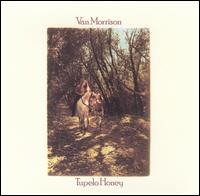
6.11 Van Morrison - Tupelo Honey

Van Morrison – Tupelo Honey (1971). By now, Van Morrison was at his creative peak and would remain at it for a couple more years. If this only had “Wild Nights” on it, I would consider it a classic.

6.11 Yes - Fragile

Yes – Fragile (1971). Here is the album that really solidified the career of Yes. They truly gelled on this album. The playing, as always was impeccable, while Jon Anderson’s vocals were pure and soaring. And “Roundabout” is an awesome song! I will always remember one of my fraternity brothers listening to music upstairs in the frat house. He would sit in a rocking chair and you could hear him rocking to the music. The more he got into the music, the faster that chair went. We actually thought the ceiling was coming down while listening to “Roundabout” one day.

And, folks, that ends 1971 on my list. Onward and upward!