For years now, I have been on a one-man crusade to get former Cincinnati Reds shortstop Dave Concepcion inducted into the Baseball Hall of Fame in Cooperstown, New York. I may be a trained medical technologist/microbiologist and high school science teacher/track and field and basketball coach, but I was raised by a small coterie of teachers, most of whom were history teachers, that all drilled into my head the importance of history, no matter the subject.
This has led me to become something of a historian of various pandemics (my microbiology side), various sports (basketball, baseball and track & field) and, the subject upon which this blog is based, rock and roll. I was grabbed by the sounds of rock & roll early. According to my mom, who had a tendency to exaggerate stories, used to say that she remembered me dancing in my playpen to the sounds of artists on afternoon American TV shows like American Bandstand, Shindig! and Hullabaloo. That part of her story I don’t doubt. And she may be sticking to the facts when she said that I LOVED Paul Revere & the Raiders since I remember her buying me one of their albums when I was four years old.
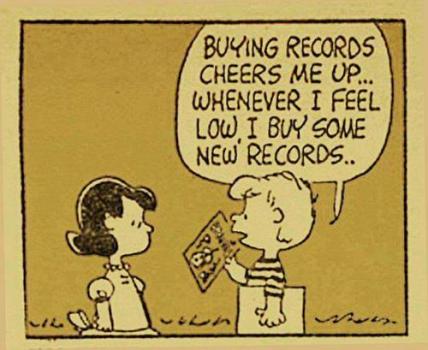
And since my father was a principal after I turned six, I became a regular at the school’s middle school “sock hops,” dancing with the cheerleaders and other girls at those dances. Around that same time, I remember buying 45 singles on occasion, while getting many of the singles from the school jukebox whenever the guy came in to change the records in it. That was so cool that he was just giving me those old 45s just because I was interested in what he was doing. Unwittingly, since Dad made sure I was present for jukebox change days, he was feeding into my budding vinyl music affliction from which I still suffer today.
By the time I was in third grade, my mom was allowing me to add 8-Track tapes to my Christmas and birthday lists. That year I received the following tapes to begin my addiction: Carpenters’ Singles 1969-1973, Goodbye Yellow Brick Road by Elton John and The Rolling Stones’ Goats Head Soup. Then came my first rock musician obsession: Alice Cooper. Back in fourth and fifth grade, I noticed that the high school kids loved Alice Cooper. So when I first heard “School’s Out” and “No More Mister Nice Guy,” I immediately became infatuated with this music. After much begging, I finally got the School’s Out album on 8-Track for my birthday, then I used my good behavior money and allowance of two months in order to purchase my first album, Alice’s Billion Dollar Babies. After sports, music became my way to deal with the world.
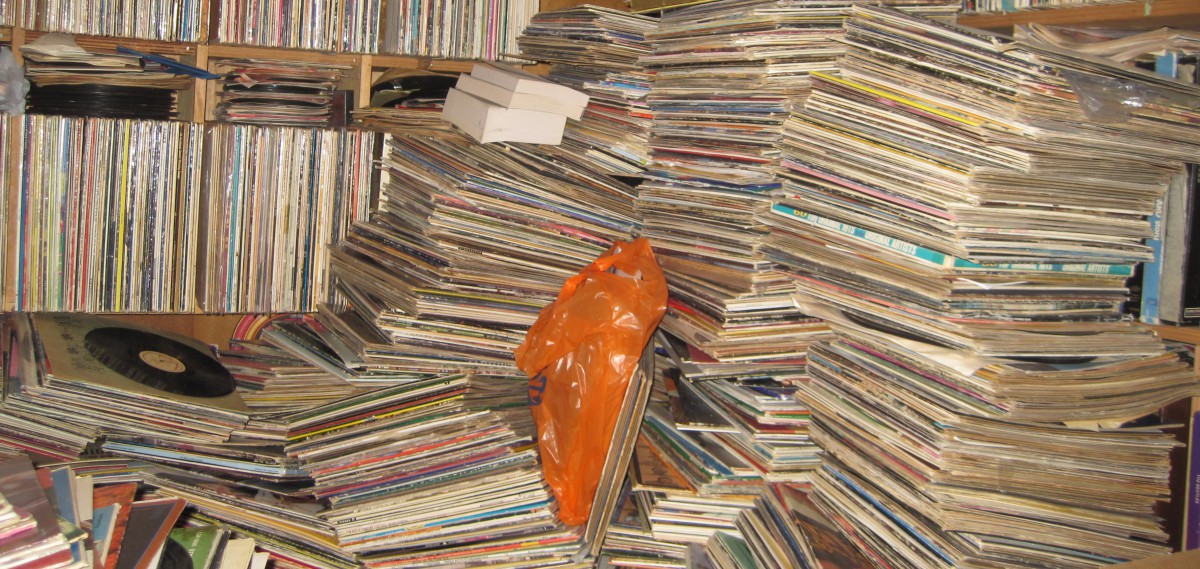
Slowly, through middle school and high school, I began to accumulate a small album collection. By the time I went to college, I had between 100 and 150 albums. After I had been in college for a couple of weeks, a couple of College Bowl team members from my dorm approached me to become their pop culture expert. At that time, I started reading not just Rolling Stone and Creem magazines but also trivia books and biographies. I was devouring this stuff nearly by the truckload over the next decade.
In the meantime, my record collection began to grow exponentially. As I neared 200 albums in my collection, a fraternity brother wanted to be the person to buy my 200th album. My album count became a weekly topic in our frat’s minutes from our weekly house meetings. When I announced that I finally picked up album number 199, this particular frat brother brought to me Neil Young’s Rust Never Sleeps to become my official two hundredth album in my collection.
As the information of seemingly useless rock and roll began to fill my head and my body was failing me, I needed something on which to focus I, through the encouragement of a couple of friends who were authors, started this blog. Then, over the course of the pandemic, my blog was picked up by some real rock journalists, podcasters and musicians that my reputation within the rock world modestly grew. At that time, I was invited into the world of Hall Watchers, a group of writers, DJs, podcasters, etc. who watched the nominations and inductions of artists into the Rock & Roll Hall of Fame. As more and more rock artists were being kept out of the Hall, people began to complain on social media. That’s when the Hall Watchers began a program to improve and reenact the voting for the Hall of Fame. When the final vote took place that ended with the most up to date artists in 2022, we had corrected nearly EVERYTHING that was wrong about the nomination and induction process currently in use. I am not sure if the result of our work is still online, but let’s just say that they would be fewer complaints about the Hall and its inductees if our rules had been implemented. The bottom line is that record, merchandise and concert ticket sales matter! Rock and roll has ALWAYS been about the people and their likes and dislikes. Rock and roll is no place for elitism, as former Hall direction and Rolling Stone magazine founder wanted it to be. Slowly, current Hall head and former head of MTV back in the music days John Sykes has been nudging the Hall toward a place being for the people, not the critics. I may not live to see all of our changes implemented, but they will come soon enough. Too many artists are being inducted well AFTER they have passed away. We should be celebrated the brilliance of these gifted people while they are alive and not giving their awards posthumously to their living kin.
I have created a list of artists who all should be inducted quickly. These people are all important to the history of rock and roll. Some were wildly popular during their heydays, while others were highly influential long after they left the industry. But, all of them share a common theme in that they all made an impact on their fans and the rock world in general. Remember, these rankings are based on MY opinion of the artists’ impact, in addition to their influence on my taste in music. I have ranked 100 artists, with an extra 15 artists named to my Honorable Mention section. I have added the ranking each artist has on the Not in the Hall of Fame website in order to give you an idea what the experts believe about these artists. If an artist has an asterisk (*) after their name, they have been nominated for induction in 2024. But, believe me when I say that I have AT LEAST 100 more artists who should be considered for induction.
Honorable Mention:
115. Jimmy Buffett (129) – Had one hit song, “Margaritaville.” Best known as a touring artist.
114. Muse (87) – One of the better rock artists of the 21st century.
113. Nick Cave & the Bad Seeds (52) – Woefully underappreciated literary-type of artist who began in the Goth realm.
112. Scorpions (54) – Highly influential German metal band from the Eighties.
111. No Doubt (126) – Brought Eighties-styled ska and new wave into the Nineties and had many hit songs during their relatively short run in the spotlight; jumpstarted Gwen Stefani’s solo career.
110. PJ Harvey (36) – This Brit arrived on the alternative scene around the same time as American Liz Phair, bringing the angry young woman point of view to rock music.
109. Suede (89) – One of the first Britpop bands to make an impact on both sides of the Atlantic.
108. Mott the Hoople (95) – One of the great British Glam rock bands of the early Seventies; known for “All the Young Dudes.”
107. Los Lobos (109) – The rocking Mexicano rock band who brilliantly straddles the Latin and white American musical crowds.
106. Steppenwolf (42) – One of the great rock bands of the late-Sixties; known for their hits “Born to Be Wild” and “Magic Carpet Ride.”
105. Pantera (58) – Brought heavy metal into the Nineties, plain and simple.
104. X (101) – Broke out of L.A.’s hardcore scene, even though their form of rock and roll owes more to the Fifties and Americana.
103. Tool (82) – Highly influential alternative/progressive/heavy metal rock band that combined all that is dark about the Nineties into a heavy sound.
102. Three Dog Night (48) – A wildly successful trio from the early-Seventies who had many hits, including “Joy to the World.”
101. Faith No More (166) – One of the first artists who straddled the worlds of metal, art rock, alternative, hip hop and pop musics, combining all of their influences into an original stew of great rock music.
Keller’s Top 100
100. Dave Matthews Band* (53) – One of the premiere jam bands to emerge from the Nineties; nearly as successful on the album chart as their ticket sales would indicate.
99. XTC (68) – Although XTC came out of the UK during the punk era, this band was more of an updated take on the Beatles sound; I totally recommend their Skylarking album as their case for induction, but that’s not the only arrow in their quiver.
98. Squeeze (98) – Yet another Beatles-influenced pop/rock group to emerge during the UK punk scene of the Seventies; Americans will know them for the hit song “Tempted.”
97. Grand Funk Railroad (91) – These guys began as a highly successful album and concert band but ended up with some big hit songs by the mid-Seventies; known for “We’re an American Band,” a remake of “The Locomotion,” “Bad Time” and “Some Kind of Wonderful.”
96. Lauryn Hill (83) – If Ms. Hill had not retreated for the spotlight into family life at the turn of the century, she would have been immediately inducted upon her first year of eligibility; her work with Fugees and her debut album, The Miseducation of Lauryn Hill, is a classic album.
95. Captain Beefheart (32) – This Frank Zappa-protégé never had a hit song or album and is not known for his live performances, but the Captain’s “music” has been highly influential on many avant guard artists.
94. Blur (23) – We all know that the Hall has an American bias, but Blur are gods in the UK, right up there with Oasis in the Britpop sweepstakes.
93. The Shangri-La’s (104) – If the truth be told, The Shangri-La’s the models for many of the women from the punk/new wave scenes in New York City and London; their tough girl image was a deep well of influence upon the vocal styles and images of everyone from Blondie’s Debbie Harry to Cindy and Kate from The B-52’s to Pat Benatar.
92. The J. Geils Band (80) – I don’t think time has been kind to the Geils Band; people have forgotten that they were one of the greatest party bands on vinyl and in concert; their hits from the early Eighties are just the tip of the iceberg of their career.
91. Badfinger (88) – This band is perhaps the unluckiest band in history; while they were signed to Apple Records by and taken under the wings of The Beatles, they never really live up to their great potential. They were part of the Big Three of the First Wave of Power Pop (along with Big Stars and The Raspberries).
90. Lenny Kravitz* (153) – Kravitz is a total rock & roll child as he seamlessly shifted through many genres, often on the same album, while making a sound that is totally his own; Lenny is to rock music as Prince was pop music as both are musical libraries with the ability to synthesize their sources into art.
89. Coldplay (10) – While I often enjoy Coldplay’s singles, their albums often run thin over time as I still think the band has not shaken its Radiohead Lite designation from earlier in their career.
88. Chubby Checker (293) – How has the creator of a dance record immortalizing a dance called The Twist that hit number one on TWO different occasions in separate years on the Billboard Hot 100 back when that never happened, unlike today with pop-based Christmas songs not be inducted? This travesty needs to end!
87. Brian Eno (31) – I understand that he was the member of Roxy Music whose sense of electronic music avant garde pushed the band into the experimental side of Glam Rock and that he is now considered to be one of the greatest producers of all-time. But, he really caused a long-term shift in rock music after his two commercial albums of Glam Rock followed by several albums of electronic music which gave rise to New Age music of the late-Eighties/early-Nineties. Then, throw in his 1980 collaboration with Talking Heads’ David Byrne that combined strands of funk and new wave with the sounds of world music. What a career!
86. Slade (81) – Ever since T. Rex was inducted, I thought the granddaddies of Glam Rock, Slade, would be a slam dunk for the Hall. During a time of dungeons and dragons lyrics being set to complicated blues-based rock, Slade brought stomp-based rock music back to the masses while dressed in some of the wildest clothes of all-time.
85. The Raspberries (292) – We recently lost lead Raspberry Eric Carmen and with him lost the ability to meld the sweetest pop lyrics and melodies to early Who-like power. They were the American side to Badfinger and nearly as commercially successful. Their influence continues to be felt as new power pop bands pop up all around the world.
84. Mary J. Blige* (225) – In the 90s, Ms. Blige was the alchemist who combined the vocals of a true diva with the beats of hip hop to bring the future in earlier than expected. I believe her work has been underappreciated by the masses, while the musical elite actually understands her contributions to the future of rock music.
83. REO Speedwagon (84) – After REO unexpectedly became hitmakers back with 1980’s Hi Infidelity, the band started chasing pop singles chart success leaving behind their roots as a hardworking, hard touring band that based its success on album sales while being one of the many bands who ushered in the arena rock genre.
82. (The) Sweet (180) – In the UK, these Glam Rockers were known as The Sweet while here in the States they were marketed as Sweet. Regardless of how we name this band, they were essentially the missing link between Glam Rock and Power Pop. The band married simple, melodic rock music with good time lyrics and that stomp rhythm that was characteristic of Glam Rock. I believe this quartet was ground zero for the whole pop punk genre as popularized by Green Day, Blink-182, Sum 41 and the rest.
81. The Marvelettes (233) – Two Motown acts have been criminally overlooked nearly since the creation of the Rock Hall; The Marvelettes are one of them. Remember, this group scored Motown’s first number one song on Billboard’s Hot 100.
80. Phish (134) – For my money, the best Nineties jamband is Phish. They are the heir to the Grateful Dead’s throne of touring bands who never play the same set twice. While they have never had the commercial impact of Dave Matthews Band, their loyal Phish Heads have made the band a must-see concert draw. Perhaps Phish’s greatest attribute is to not only alchemize the sounds of their influences, but the band has been flawlessly recreating the sounds of various classic albums (from The Beatles’ White Album to Remain in Light by Talking Heads) every Halloween. These guys are brilliant both on the stage and in the studio.
79. The Guess Who (33) – Perhaps the Lester Bangs character in Cameron Crowe’s brilliant coming-of-age film Almost Famous got The Guess Who’s legacy best when he said, “Give me The Guess Who. They have the courage to be drunken buffoon, which makes them poetic.” I don’t know about the drunken buffoons part, but The Guess Who was one helluva band with hit songs.
78. Stone Temple Pilots (43) – This San Diego band immediately made inroads during the initial grunge band sweepstakes, but by their second album, STP proved they were much more diversified than the grunge labeled they earned upon the release of their debut. It’s a shame we lost lead singer Scott Weiland to drugs because this band lost its unique voice and vision.
77. Marilyn Manson (66) – Manson began his career by melding his shock-rock persona but has lately been branching into a more glam sound and image.
76. Kool & the Gang* (76) – This band started out in the Seventies as one of the greatest funk bands going, but as the times changed, they evolved from funk to disco and finally settling into a Quiet Storm sexy balladeers.
75. Sade* (403) – This model-turned-smooth jazz crooner rose to fame going against the grain in the mid-Eighties. She continues to periodic release albums that stick to the sound while the public continues to eat it up.
74. Tommy James & the Shondells (64) – This highly underrated psychedelic bubblegum/pop/rock group dominated the pop charts in the late-Sixties and early-Seventies. By the Eighties, the band’s hits were back on the charts thanks to a diverse group of artists such as Joan Jett, Billy Idol and teen singer Tiffany.
73. Procol Harum (34) – Either one of the last of the first British Invasion bands or the first of the progressive rock bands. Regardless, they pushed the boundaries of what rock and roll could do by incorporating classical musical into their sound.
72. War (69) – This interracial funk band from East L.A. was first discovered by former-Animals lead singer Eric Burdon, having the band briefly back him on his initial foray into a solo career. Shortly thereafter, War proved they were worthy on their own with a run of singles in the early Seventies, highlighted by “Why Can’t We Be Friends?,” “Low Rider” and “Cisco Kid.”
71. The Commodores (96) – Hey Hall! Remember that just because you inducted Lionel Richie that you can ignore the band who gave him his break. The Commodores were the premiere R&B band of the late-Seventies all the while dominating the pop chart.
70. Slayer (97) – With Metallica, Megadeth and Anthrax, Slayer ruled the world of thrash metal as the Big Four. While all four deserve induction into the Hall and Metallica already in, Slayer would be the next logical thrash metal band due not just to their success but for the everlasting influence of current and future metal artists.
69. Korn (35) – In the late-Nineties, Korn was HUGE, bringing its hip hop-inflected metal sound to mainstream radio. Although they will always be associated as one of the first Nu Metal artists due to those hip hop touches, that label with always be a disservice to the band’s massive legacy.
68. Little Feat (38) – Will someone explain to me why this terrific band has been forgotten? I probably should have this band listed much higher and, in the future, will. This band, led by the late and former Frank Zappa sideman singer/guitarist Lowell George, was an innovator as they took country/southern rock and added tinges of jazz and soul to the mix for a sweet sound that was just beginning to catch on with Americans around the time of George’s death. Sure, the band regroup about a decade later, but the band was a shell of itself with their deceased leader.
67. Blue Öyster Cult (62) – The general public who casually listen to music probably believe that Blue Öyster Cult is a heavy metal, or at least a hard rock, act. But their two hits – “(Don’t Fear) The Reaper” and “Burning for You” – are very misleading. BOC is a much more versatile band with literary lyrics who seem to attract a brotherhood of sci fi/D&D nerds who enjoy a variety of music. BOC is really a critic’s band dressed up as AOR/metal band. Dark? Yes. Brother of Black Sabbath? Lyrically, maybe, but definitely not musically. Musically, they are much more sophisticated. It can be jarring the first time you listen to them. To the uninitiated, give them several listens before giving up.
66. blink-182 (56) – These guys cornered the pop punk for middle school boys market in the late-Nineties. Sure, their lyrics are goofy and immature, but you cannot deny the hooks in their music. Blink truly is one of the best pop punk bands from around the turn of the century.
65. Dionne Warwick (317) – There is a reason that Warwick has been nominated for induction several times. She was the best interpreter of those classic smooth soul songs written by Burt Bacharach. Her understated manner was the blueprint for The Fifth Dimension and Sade’s entire careers. Then, throw in that she is Whitney Houston’s cousin, you will see that she has the lineage and credentials for induction.
64. Black Flag (78) – Although The Go-Go’s, X, the Germs’ Pat Smear and Dead Kennedys all outsold Black Flag while making a name for themselves, Henry Rollins’ first band were the kings of the L.A. hardcore scene. If one were drawing a family tree of American alternative music, one of the artists who make up the actual trunk of this tree, with all of the great artists following in their footsteps.
63. The Carpenters (186) – Stop snickering! The Carpenters are NOT Barry Manilow, Anne Murray or any of the others considered to be soft rock punchlines. No, The Carpenters are much deeper. Go back and listen to their classic greatest hits. Upon first listen, your hair might curl a little due to a flashback of how cheesy they could sound. But, as soon as Karen begins to sing, focus on her voice. Immediately, you should hear more than a simple interpretation of the lyrics like Manilow. As you listen, you will hear the actual pain from her soul inflecting those lyrics into her truth. At that moment, you begin to understand that the lightness of brother Richard’s arrangements lightens the darkness of Karen’s vocals to create a unique sound that is simultaneously soulful and soulless, thus keeping their music from going off into the deep end. The Carpenters just might have been the first lyricists that actually related to the lives of Generation X. When you realize all of this, The Carpenters suddenly become as radical and subversive as any punk or metal band.
62. Dead Kennedys (223) – Jello Biafra and his band are the quintessential American punk band. Along with Black Flag, the Kennedys ripped the band aid off the wounds of younger Boomers and older X-ers of their political views and anger. Back then, people were better at recognizing the threat of fascist views than people are today. Go back and listen to those early angry records of the Dead Kennedys and get a better political education than you did from your right wing teacher who is attempting to indoctrinate you (that’s where the TRUE indoctrination takes place – not from the left!).
61. Rick James (194) – When Dave Chappelle had his show on the air, he made a caricature out of James. I agree that James’ life had devolved into your typical rock star-turned-drug addict in the years leading up to his untimely death. Still, it should NEVER cast a shadow over his genius of a career. If you do not own his 1981 classic album Street Songs, you should immediately put it at the top of your purchase list. He called his sound punk funk as he was trying to incorporate more punk spins on his terrific funk rock sound in the late-Seventies. Listen carefully to those albums because you will hear the foundation upon which Prince built his empire. Interesting side note, James got his start by playing in a short-lived band with fellow Canadian Neil Young. Kind of makes you wonder “what if?”
60. Bad Company (26) – I will admit to a bias I have against Bad Company. Sorry, folks! I’ve never been a real fan, though I do love their 1979 hit “Rock and Roll Fantasy” but that’s about it. So I probably do have the band ranked higher than they should be. That’s why I have a comment section so you can tell me how much I don’t know about music. By the Seventies, “supergroups” were popping up everywhere; however, few had the commercial clout of Bad Company. Two members of this quartet came from the band Free (“All Right Now”), including lead singer Paul Rodgers, one from Mott the Hoople (see #108) and one from King Crimson (they are coming up) while their manager was Led Zeppelin’s manager, who signed Bad Company to record for Zeppelin’s label (that way the manager could double dip into their money). Bad Company had a great commercial run from their 1974 debut to their aforementioned 1979 hit. To this day, what remains of the band continues to be a big concert draw.
59. Mary Wells (128) – If you read most any unbiased book about Motown, you will learn that during the label’s early days, they were kept afloat by one bankable artist: Mary Wells. Ms. Wells was so successful that she left Motown for a bigger label in order to make more money and gain more control over her music. Motown founder and owner Barry Gordy Jr. was so mad that he blackballed Mary in an attempt to undermine her career. In the long run, Gordy was successful and factors into why she has yet to be inducted into the Hall of Fame. It’s complete BS!!!
58. KC & the Sunshine Band (NR) – Much like Rodney Dangerfield, disco artists get no respect for the subversive role in sexual identity and queer life politics let alone the musical talent and continued influence they have had over the DECADES since their commercial heyday. KC & the Sunshine were arguably The Beatles of disco, in that they were the band who could mesmerize the dance floor while creating one pop hit after another. These interracial Miami musicians led by Harry Casey changed the course of music by bringing a melting pot of Miami dance sounds to the masses via disco. Give these people their due!
57. Peter Frampton* (171) – When rock journeyman Peter Frampton released his landmark double live album Frampton Comes Alive, little did he know that he was about to change the direction of the music industry in the mid-Seventies. After the album completed its run Billboard‘s Top 200 Albums chart, he shown the world that (1) live albums could be blockbusters, and (2) there was an massive audience ready to purchase rock music albums. To prove the first part, look at the names of some famous live albums released in Frampton’s aftermath: Cheap Trick at Budokan, Thin Lizzy’s Live and Dangerous, All the World’s a Stage by Rush, Little Feat’s Waiting on Columbus, among hundreds of others. After the huge sales of Frampton Comes Alive, we seen Rumours, Thriller, Saturday Night Fever, Hotel California, Back in Black, Synchronicity, Born in the U.S.A. and Purple Rain all sold tens of millions of albums. Both outcomes changed the industry for a good 40 years, until the advent of Napster. Frampton is a terrific musician, but that one album is more than enough to elect him to the Hall.
56. Emerson, Lake & Palmer (19) – Once again, I have these lower than I probably should. At the beginning of one of their songs they sang, “Welcome to the show that never ends…”, and I took that as a warning back when I was younger and more into punk. So, I’ve got give them a chance the next time I go to the record store. But, no matter how gifted of musicians they are, they are spending their artistic time to meld classical music with rock I have found their sound a little pretentious. Still, they do constitute another under represented genre, progressive rock.
55. Buzzcocks (92) – For crying out loud! How can one of the founding fathers of pop punk be left out of the Hall?!?! They were part of the initial London punk explosion, combining sweet melodies with the energy of punk. They, along with The Jam, are to pop punk as Big Star, The Raspberries and Big Star are to power pop.
54. Barry White (191) – Barry White took disco, slowed it down and added his deep voice to pillow talk lyrics to create some of the sexiest music of the early-Seventies, if not ever. Once again, we have here a vastly underrated and somewhat forgotten artist who deserves recognition.
53. Beck (21) – In the aftermath of Prince in the Eighties, people were awaiting the next artist willing to go out on a limb to take the influences of the Eighties and earlier to create a sound for Gen X and Millennials. Into that vacuum came a new artist who was equal parts folkie, punk, hip hop aficionado, bluesman and rocker steeped in the new technology of the Nineties by the name of Beck. He burst onto the scene with a slacker anthem called “Loser,” only to shift through a variety of sounds in the aftermath. His mid-Nineties album Odelay is a bonafide classic. I probably have him ranked too low, but I am a young Boomer or an older X-er according to different sociologists so I have a different agenda.
52. Paul Revere & the Raiders (51) – I remember as a toddler that my parents had a Corvair and there was a song that was popular around the same time called “Corvair Baby” by Paul Revere & the Raiders. My parents used to call me their Corvair Baby, so that’s a nice memory. Fast-forward to my high school days in the late-Seventies and hearing recordings of the punk bands from both NYC and London covering Revere & the Raiders music. That immediately clued me in that this band was not merely a nice, entertaining band, but the forefathers of punk, new wave and a little power pop.
51. Tracy Chapman (157) – I had compiled this list LONG before Tracy made her stunning comeback during the 2024 Grammy Awards Show by duetting with Luke Coombs on their separate hit versions of her classic 1988 hit “Fast Car.” During the pandemic, I went through my collection seeking comfort music just to help survive the daily clown show in D.C. and the Black Lives Matter (which they do) protests going on all over the country. When I put on Ms. Chapman’s beautiful debut, I was struck by how little had changed in the then-32 years since the album’s release. I was both sad and appalled how the lyrics still rang true today. I recommend going back to listen to her stuff again and look at ourselves as to why this album is full of seemingly eternal truths. It pisses me off! That’s what a Hall of Fame artist should be able to evoke.
50. Daft Punk (45) – One of the more recent artists to make this list, this “robotic” duo created some of the finest dance, even, dare I say, disco music since the heyday of chest hair and medallions. The two Frenchmen gave electronic dance music (EDM) a melody making the medicine go down easier with the sweet tooth of the pop music crew. Daft Punk created some of the best music of the post-grunge era.
49. Alice in Chains (99) – Like any other genre worth its meddle, grunge had its Big Four bands from Seattle: Nirvana, Pearl Jam, Soundgarden and Alice in Chains. While the first two are in and #3 has been nominated several times, the band representing the dark side of the genre, Alice in Chains has been largely forgotten by the Hall Nominating Committee. Enough is enough, as but Soundgarden and Alice deserve induction.
48. Mötley Crüe (49) – The L.A. (hair) glam metal scene has been ignored by the Hall completely thus far. Hell, for that matter, metal has been treated so unfairly to date. Judas Priest was screwed by being inducted via the Musical Excellence designation instead of as a Performer. With Ozzy being nominated this year, maybe the damn is about to break for metal. We have an overabundant number of metal artists awaiting induction. And that’s just B.S.!
47. The Replacements (29) – In the Eighties world of American alternative music, R.E.M. were The Beatles, Hüsker Dü were The Stones and The Replacements were The Kinks. But, that does NOT mean the voters need to ignore the latter two, who both happened to be from Minneapolis. Of the genres being ignored, metal is number one, but Eighties alternative is number two. Once again we have way too many Hall worthy artists like The Mats.
46. Jane’s Addiction* (59) – Another entrant from the Eighties American alternative world that needs to be inducted is L.A.’s Jane’s Addiction. Jane’s was so quirky and talented that they were breaking down genres as quickly as they were building new ones. They were punk, metal and Led Zeppelin all rolled up into one terrific band. Plus, their lead singer, Perry Farrell, created the Lollapalooza Tour of the Nineties, and Jane’s headlined the initial tour.
45. Cyndi Lauper (112) – After last year’s nomination, I really thought this would be Cyndi’s year. But in the infinite wisdom of the Hall, Ms. Lauper has once again been ignored by the Nomination Committee. Cyndi was a complete gamechanger, as she set the stage for Madonna and her acolytes, the Riot Grrrl scene of the Nineties, and the Spice Girls whole career, with her Eighties take on feminism and equality for all, including the LBBTQ+ community. And she did all back when NONE of it was cool to do.
44. Diana Ross (111) – Everyone who knows music knows that Diana Ross was one of the original divas of the music world and should be inducted into the Hall. I don’t need to waste any more time on her argument.
43. Foreigner* (67) – I honestly had given up hope that Foreigner, Styx and REO would ever be inducted. Yet, I can remember the first time I heard the band on a jukebox in the middle school gym before a big middle school track meet. I was immediately taken by their sound. I guess when you finally get Jann Wenner out of the Hall, then his alleged blackballing of certain artists, such as the aforementioned ones, would finally be ousted. Now, Foreigner is nominated and appears to be headed for induction.
42. Alanis Morissette (73) – One of the big album sellers of the Nineties and a voice of a generation of women is still awaiting her nomination and induction. Anymore, these artists are turning to Broadway to get their overdue recognition. Alanis Morissette found her voice when she created an album describing female empowerment after being jilted by a lover.
41. INXS (46) – The second biggest band from down under is a huge presence from the Eighties in their own right. INXS went from opening for fellow Aussies Men at Work in 1983 to rivalling U2 as the biggest band in the world in 1988. Unfortunately, music shifted their attention to newer bands and sounds in the Nineties, which cause lead singer Michael Hutchence to spiral down until he took his own life. That was unfortunate because INXS could be a huge concert draw these days while still creating brilliant music.
40. The White Stripes (6) – I am not totally sold on The White Stripes being ushered right into the Hall, but they did briefly lead a garage rock revival in the 2000s. While I prefer The Black Keys, at least I can recognize that The Stripes paved the way for The Keys. Plus, “Seventh Nation Army” should qualify anyone for induction.
39. Sleater-Kinney (39) – Back in the Aughts, I began to read all kinds of reviews praising the Portland, Oregon, punk trio completely composed of women. While I never really heard them back in the Nineties, I began to take notice of their back catalog whilst they were on hiatus. Low and behold, I was sold and joined the bandwagon. This band is the real deal and deserves induction. A side note: guitar god Carrie Brownstein was Fred Armisen’s co-star in the great comedy show Portlandia.
38. New York Dolls (70) – When you talk about the prehistory of punk rock after The Stooges and MC5, you will read about some band that filled the sonic gap between The Stones, Stooges and Aerosmith while the members all dressed like women for shock value. In the early-Seventies, the New York Dolls were a critics darling and the toast of The Big Apple’s music scene. Unfortunately, middle America was off-put by the band and their dress, relegating the Dolls to become an influence on a couple generations of punks around the world.
37. A Tribe Called Quest* (65) – Until the Kanye West of those brilliant albums of the Aughts and early-2010s is eligible, hip hop has a number of lesser stars ready for induction. ATCQ is one of those rap artists whose influence continues to be shuffled through. The band was known for their lyrics, those lyrics’ delivery and that their beats were often derived from jazz cuts as much as any other source, giving them their unique sound.
36. Suzi Quatro (NR) – Why is Leather Tuscadero in the Hall? Probably, it’s got to do with the fact that she was an American bassist who was having more success in the UK by being a big part of the glam rock scene in London. It’s a shame that the Hall tends toward an American-centric bent, because she would be one helluva addition to the Performers wing.
35. Sinéad O’Connor* (387) – It seems like the Irish always seem to be way ahead of the rest of the world when it comes to social injustices. When banshee-dressed-up-as-a-rock star Sinéad O’Connor burst onto the scene during the musically fertile year of 1987, she was hailed as a future voice of pop music. The problem for the industry was that Ms. O’Connor was going to speak her mind no matter the situation. One minute she’s mouthing off about Ireland’s then-abortion ban, the next minute she has the Public Enemy logo recreated on the side of her head for her performance on the Grammys Award Show. Then, at the peak of her career while getting ready to promote the follow-up to her 1990 breakthrough album I Do Not Want What I Haven’t Got, she performed an acapella version of Bob Marley’s “War.” At the end of the song, Sinéad holds up a photograph of Pope John Paul II, said “Fight the real enemy!”, and then tore up the picture. At the very moment, Americans took offense to her action. Even though she was saying that the Catholic church was covering up a child abuse scandal involving priests and young people in their parishes. Unfortunately, Ms. O’Connor was a decade early on trumpeting the warning. Recently, she passed away, comfortable with the knowledge that she was vindicated yet still sad that another decade of victims had to suffer.
34. Oasis* (3) – While I agree wholeheartedly that Oasis should be in the Hall of Fame, I feel like that band’s influences should be inducted first. You see, Paul Wellers’ original band, The Jam, happened to be the biggest influence outside of The Beatles on Oasis. Therefore, I believe that the third biggest London punk band of the Seventies, which happened to have what Britpoppers called “The Modfather” Paul Weller, who along with The Kinks taught Oasis and the others in the Nineties London scene to write about UK life instead of capitulating to America. That is why Britpop never made a dent in the States as Americans could not relate to the bands’ lyrics. However, Oasis did have hits here and deserve induction.
33. Weezer (25) – As one of the most successful and influential Nineties rock bands, Weezer’s first three albums are considered to be classics. However, what miffs the Weezer purists are the rest of their catalog. They believe that Weezer is a shell of the band that they once were. Weezer is a great alternative pop/rock band that made the paths for pop punk and emo bands to follow. Personally, I love Weezer and believe they belong in the Hall, but my older son, the purist, thinks that those first albums are the only documents that qualifies the band for induction and penalizes the band for that, meaning that he thinks many other artists are more deserving and thinks I have them overrated.
32. Joe Cocker (37) – I have a simply question: How does an artist that burst onto the scene with a transcendent performance at Woodstock and continued to have an excellent career sits on the outside of the Hall? I have no idea why! The man created two classic albums and was the voice of a generation. Enough is enough!
31. Supertramp (27) – Back in 1979 and 1980, I was a high school student, who, along with a small coterie of my “nerdy” friends LOVED Supertramp. That was back when Breakfast in America and Paris had been riding high on the charts and constantly being played on both pop and rock radio. But, as I delved deeper into the band’s back catalog, we all discovered what a wonderfully diverse sounding band Supertramp was by combining progressive rock tendencies and Beatlesque pop/rock musical structures. I will go to my grave defending the brilliance of their single “Give a Little Bit.”
30. Thin Lizzy (61) – On the surface, Thin Lizzy seems to be an excellent little hard rock-bordering-on-metal band from Ireland. They had a charismatic lead singer/songwriter/bassist in Phil Lynott. What differentiated Thin Lizzy from the crowd was the use of TWO lead guitarists who would play off of each other. This unique feature, which is common to progressive rock and jam bands, influenced many other bands such as Iron Maiden, Judas Priest and Def Leppard to go down a similar path with multiple lead guitarists. Plus, how can you NOT love the sound of Springsteen-influenced lyrics played against those heavy guitars? It certainly all combined to make a compelling noise.
29. Hüsker Dü (47) – The Minneapolis alternative band casts a long shadow over all of alternative rock music from the Eighties on through the Nineties. This power trio consisting of singer/songwriter/guitarist Bob Mould, singer/songwriter/drummer Grant Hart and bassist Greg Norton created a noise with distorted guitars and a fast, driving rhythm section that resembled the Ramones on more speed than humanly possible and loud distorted guitars with lyrics shouted over the din. But, the separating factor underneath this whole sonic barrage was some sweet melodies contained with their songs. As they matured, the distortion was toned down and the melodies pushed more toward the front, all of which set the stage for the Pixies. What Hüsker Dü did during the years of 1984 to their implosion in 1987, the band released five albums, two of which were double albums, as well as an excellent one-off single, a punked out version of The Byrds’ “Eight Miles High.” Back then, this would have taken an artist a decade or more to produce so much classic product. Of course, their influence clearly outweighs their commercial clout. Yet, much like the Velvet Underground, their massive influence along makes them Hall-worthy.
28. Devo (60) – What started as a college performance art project rose to become one of the more influential new wave/avant garde bands of the Seventies and Eighties. This band, which hails from Akron, Ohio, turned rock on its collective head by musically forcing its essence through synthesizers all the while parodying society’s obsession with pop culture and satirizing the American political system. Devo was a nerd’s band with commercial appeal.
27. The B-52’s (50) – The B-52’s always seemed to be brothers-in-arms with Devo, in that both bands loved to parody the kitschy side of pop culture. Although, while Devo became an intellectual’s band, The B-52’s just wanted to place their sexuality politics on the dance floor, picking up where disco left off and new wave began all the while nodding back at the throwaway culture of the Fifties and Sixties.
26. Wu-Tang Clan (22) – This Staten Island collective of solo rap stars burst onto the scene with nine superstar voices and personalities back in 1993 with their now-classic debut album Enter the Wu-Tang (36 Chambers). The group consisted of RZA, GZA, Method Man, Raekwon, Ghostface Killah, Inspectah Deck, U-God, Masta Killa and the late Ol’ Dirty Bastard, most of whom all had successful solo careers in the wake of the massive success of the Wu.
25. Eric B. & Rakim* (145) – Not in the Hall of Fame has this rap duo totally underrated. Honestly, rap has a before and after this duo hit the scene in 1987. With Rakim spittin’ over Eric B.’s melodic beats, suddenly MCs everywhere noticed a poet’s spirit in Rakim’s lyrics. Suddenly, hip hop was moving away from its party beginnings and moving into serious topics all because Rakim had a unique way to deliver these social poems to inspire street artists to come. Yes, they lack the hit singles on the Top 40 radio, but their legacy continues to inspire hip hop musicians today.
24. Boston (40) – In 1976, the sound of arena rock was just beginning to rear its head when Boston dropped its debut on an unsuspecting world. Now, that debut battles Guns N’ Roses’ first album for the biggest selling debut album of all-time. Yes, Boston’s output is mainly the work of guitar and studio wizard Tom Scholz with otherworldly vocal help from the late Brad Delp, and subsequent albums took nearly forever to see the light of day due to their perfectionism. However, if it weren’t for Boston’s initial success, we may not have seen everything from REO Speedwagon, Styx and Journey to Bon Jovi, Journey and the L.A. hair metal scene. Plus, the way Scholz layered his guitars was not only an influence on the aforementioned artists, but Nineties alternative gods like The Smashing Pumpkins and Nine Inch Nails. Much like Foreigner’s nomination, and subsequent induction this year, Boston has got to be on the shortlist for the future.
23. Big Star (28) – This Memphis band released their debut #1 Record in the heady power pop days of 1972, the same year as The Raspberries arose from Cleveland, both boasting a sound that was equal parts Beatles, The Who and The Kinks. Although Big Star had the better album with outstanding songs. Unfortunately, they had the shittiest record company in the world. That brilliant debut, which was receiving momentum-building critical praise, could not be found in the bins of record stores because their label couldn’t distribute pot to a crowd at a Cheech & Chong concert. So, the debut died, while the band slowly melted away all the while leaving two more gems for the Eighties alternative music archeologists, like yours truly, to discover upon the recommendation of used record store clerks. And, most of those people who picked up Big Star’s three albums probably started bands who in way or another showed their influence, much as The Velvet Underground, The Stooges, The New York Dolls and MC5 had done for punk and post-punk the decade prior. And, I could do this all day long, singing the praises of Big Star!
22. Styx (74) – Enough is enough! This band, back in the years 1978 through 1981, just might have been most likely the most popular band of my age group. I am not kidding. All through the halls of my high school, daily you could see kids wearing Styx concert shirts through the school, while the parking lot was full of cars blaring 8-Track tapes of Styx. Hell, I had a belt buckle expressing my love of the band’s brand of progressive rock, hard rock, pop, Beatles harmonies and a touch of Broadway. Of all the arena rock/AOR bands, Styx was the best!
21. Chic (210) – Okay, so beginning in the 2000s and going into the 2010s, Chic had been nominated eleven times (2003, 2006, 2007, 2008, 2009, 2011, 2013, 2014, 2015, 2016 and 2017), easily the most nominated artist to NEVER be inducted! So, instead of inducting the WHOLE band, the Hall thought it would pull a fast one by inducting one-half of the production and songwriting team Nile Rodgers using the Musical Excellence award. And that complete bullshit! Sure, this band killed on the disco charts, but their music was just as influenced by rock, blues, R&B and jazz as can be heard on ALL of their albums. Chic should be inducted immediately and end this madness!
20. Cher* (146) – How can one of the greatest survivors of music history who has scored a chart hit for SEVEN straight decades, beginning in the Sixties up through today? She has expressed her artistry in a multitude of genres, from folk rock to pop to R&B to disco to hair metal to her innovative use of autotune in her career defining hit song “Believe.” Divas deserve their places in the Hall.
19. Mariah Carey* (138) – The woman with the most number one pop hits for a female artist, who is called The Queen of Christmas and set the stage for all the big-voiced divas beginning with Mary J. Blige through Christina Aguilera up to Ariana Grande should have a place in the Hall. What else do I have to say after that run-on sentence.
18. The Smashing Pumpkins (20) – The Nineties may not have been THE NINETIES if The Smashing Pumpkins had brought their layers of screaming guitars to the grunge and alternative rock scenes. Their music had the whole ball of twine and more with their introspective lyrics combined with those trademark guitars squealing and screeching in pain over the sweet melodies this side of Cheap Trick. Where most of the brethren in the alternative world eschewed mainstream Seventies arena rock, The Pumpkins, especially leader singer/songwriter/guitarist Billy Corgan embraced it. It’s that Chicago sensibility that separated The Pumpkins from the Sabbath-influence guitars of their Seattle brethren.
17. Soundgarden (18) – Soundgarden was the first Seattle band to be signed by a major label, so their status is secure in their hometown. But, the fact that they are still awaiting their turn for induction is ludicrous. They put grunge on the charts, and the rest is history.
16. Sonic Youth (16) – The forebearers of American alternative rock music, Sonic Youth set the stage for the whole scene across the country. The crazy part is that they went from New York City underground innovators to alternative rock gods by the time the Eighties segued into the Nineties, all without compromise. They predicted nearly every subgenre of the alternative scene that we are still experiencing today.
15. Television (90) – Of all the CBGB bands at the big bang of NYC punk in the mid-Seventies, Television was the one that was always praised for its musicianship. Unfortunately, the band couldn’t sustain their momentum due to each members’ egos. If you were going compare Television to anyone previous to them, it might be the Grateful Dead. Like the Dead, Television had a propensity to go off into the multiverse with their intertwined guitar solos.
14. The Monkees (15) – If I were truly going to crown a musical artist as the most important to Generation X kids who became rock stars, I would say it was The Monkees. So, stop snickering Boomers, The Monkees deserve the Hall honor. I get that they were a television producers’ creation based upon A Hard Day’s Night-era Beatles and didn’t play or write their own songs. However, those songs were written by some of the best songwriters of the time and performed by the best session musicians around. But, it was The Monkees who brought those tunes alive during their musical segments of the shows. And every Saturday morning, the kids of the Seventies got the baptism into the rock world and lifestyle. From their, a generation picked up their instruments took over the Eighties and Nineties.
13. Warren Zevon (30) – This guy has always been something of a songwriter’s songwriter. The man just knew how his way around a song musically, and lyrically, he was unparalleled. He was so good that even Linda Ronstadt covered one of his songs, “Poor Poor Pitiful Me.” Zevon shares some DNA with Randy Newman with both having an acerbic wit in their lyrics.
12. OutKast (41) – OutKast were musical geniuses, plain and simple. They took in every music, production technique and hip hop trend, then spit it out with some of the greatest music that transcended hip hop altogether. After a string of innovative albums and songs, OutKast finally won the biggest prize of all, the 2004 Album of the Year Grammy award for their double-disc magnum opus Speakerboxxx/The Love Below. They were the first hip hop artist to win that award. They are simply one of the all-time greats.
11. The Runaways (55) – The Runaways were one of the first all-girl bands to transcend their unique status. They were part-English glam rock, part-punk, part-metal and all-rock and roll. The Runaways imploded before taking their rightful place on the charts. Plus, nearly all of the individuals in the band all went on to success in their own right: guitarist Joan Jett is a Hall of Famers, guitarist Lita Ford and singer Cherie Curie. Unfortunately, drummer Sandy West passed away from lung cancer at the age of 47. And coolest of all, bassist Jackie Fox, became a multi-game champion of the TV game show Jeopardy. This is one band that just may be overqualified for the RRHOF.
10. Motörhead (17) – Next to Black Sabbath, Motörhead just may the second most important artist to heavy metal. They brought speed to the genre refreshing the whole sound for the next generation. Now, in the words of Todd Rundgren, Motörhead’s NOT in the Hall of Fame? Make this right!
9. MC5 (9) – Let’s face it, if you are a forerunner for the whole punk movement, it’s going to take forever to get you inducted. This is ridiculous that the Rage Against the Machine of the Sixties is still not in the Hall.
8. Jethro Tull (2) – If metal gets overlooked, then progressive rock is next. There is a backlog of deserving artists. In the case of Jethro Tull, they took English folk music and a flute and married them to rock music. They were highly successful in their prime. Much like new wave is with my age group, the Tull is with a couple of my brothers-in-law’s era of the early- to mid-Seventies.
7. King Crimson (12) – If you prefer your prog rock dark and dissonant, then King Crimson is the band for you. Robert Fripp brought some of the heaviest and darkest music to the mainstream you may ever hear outside of heavy metal or goth rock. This is my kind of prog rock.
6. Pixies (5) – All Kurt Cobain wanted Nirvana to be like were Pixies, an Eighties alternative band who worked the whole LOUD-quiet-LOUD thing that became Kurt’s whole musical signature. Pixies were an Eighties and early-Nineties band who were critical darlings and slowly building into a commercial juggernaut. Unfortunately, just as the musical tastes were embracing their kind of music, Pixies imploded. Once again, I am talking about a huge influential band.
5. Ozzy Osbourne* (44) – Ozzy is so important to metal. First, he was the lead singer of Black Sabbath, ground zero for the whole genre. Second, as a solo artist, he was the first to embrace the whole LA hair metal guitar wizardry when he plucked a young guitar slinger from the Sunset Boulevard scene named Randy Rhodes to become his creative foil. The two combined to combine the metal voices of the Seventies and Eighties into a whole new thing. This is taking WAY TOO LONG!
4. Joy Division/New Order (11/4) – Those unfamiliar with the intertwined history of these two bands, here’s the deal. Joy Division was the U.K.’s premier post-punk in the late-Seventies and early-Eighties. Then, on the eve of the band’s first American tour, lead singer Ian Curtis committed suicide. The other three members picked up a keyboard player, changed their name to New Order, then proceeded to create some of the most innovative and copied dance music of the Eighties. New Order was arguably the third most important band on college rock radio in the Eighties, behind R.E.M. and The Smiths. Since the Hall has inducted two bands of similar lineups in the form of Parliament/Funkadelic and Small Faces/Faces, I feel it is important to induct both bands together.
3. The Jam (24) – During the height of the U.K. punk movement of the Seventies, three bands exemplified the sound and style: Sex Pistols, The Clash and U.K. gods The Jam. Behind the leadership of lead singer/songwriter/guitarist Paul Weller, The Jam actually became the biggest band in their home country. Unfortunately, much like The Kinks, The Smiths and much of the Britpop movement of the Nineties, The Jam’s success did not translate to the States. Their music was much like early Who, but their lyrics dealt with life across the pond. If the Hall wanted to be creative, they should consider inducting The Jam with Paul Weller’s solo career, which led him to be dubbed “The Modfather” by the English music writers for his influence on Britpop and The Style Council, Weller’s brilliant Eighties European pop group. All three would give the Hall a complete story on Weller’s impact on the rock world. If you listen to The Jam, you will hear much of Green Day’s sound.
2. Iron Maiden (7) – Oh my goodness, how is it that Iron Maiden is NOT in the RRHOF?!?! These guys are the sound of metal in the early- to mid-Eighties. I just did NOT understand why the Hall had to turn to giving Judas Priest the Musical Excellence Award in order to induct them. This fate is a cop out if they do the same thing to Maiden. Eddie Trunk is right that metal is totally overlooked. I do not agree with him who is truly important within the genre. Ronnie James Dio? Of course, but maybe via the Musical Excellence award just like Randy Rhodes. Anthrax? Yes, but after many others. King’s X? Pass.
1. The Smiths (1) – After R.E.M., The Smiths were the most important artist on college (alternative) radio. Their chiming guitars made them brethren of R.E.M., but The Smiths were more influenced by the New York Dolls than The Byrds. Plus, The Smiths’ lyrics, written by lead singer Morrissey, were more poetic than Athens’ finest which were more abstract and obtuse. Once again, The Smiths were bigger in the U.K. than here in the States. Yet, The Smiths had a rabid cult States side following that seems to be growing as the years pass. Their continuing influence cannot be understated.
Now that I finally finished this after mistakenly publishing this article, yet, for some reason, getting good feedback on it, I can finally focus on the recently announced Class of 2024. I have much pent up on that subject! What can I say? I’m disabled and retired so I have too much time on my hands.




 If My Records Could Talk