When The Police Finally Hit the Jackpot in the USA

4.6 Police-album-zenyattamondatta

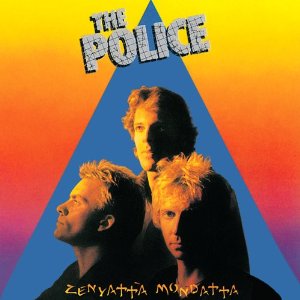
Man, I have not listened to The Police in a long time. But, for some reason I felt compelled to put their deceptively great second album, Reggatta de Blanc. Well, did that album take me back. It seems that I hear more in the grooves of this album than I have ever heard back when my hormones were raging. But, I did not stop with that album. I followed it with what might arguably be the band’s masterpiece, 1980’s Zenyatta Mondatta.

I still remember purchasing that album while going to some high school academic club weekend state-wide convention. I remember sneaking out of the convention with some rock-loving friends of mine, as well as the girl I was dating at the time, who was only with us because she wanted to hang out with me, I guess. The rest of us were on serious business to find a record store in order to pick up some music that wouldn’t be popular with the majority of kids at our high school. That day, I personally walked away with Devo’s classic debut album Q: Are We Not Men? A: We Are Devo and The Police’s aforementioned third studio album.

4.6 police in concert

Needless to say, The Police completed their transformation from a punk/reggae-influenced new wave band with loads of nervous energy, sophisticated musicianship and scholarly lyrics whom many people in my world thought was “punk” into a worldly band poised to become a stadium-filling and million-selling album artist. On Zenyatta Mondatta, the empty spaces between notes being played became longer and longer, meaning this band’s music was becoming something akin to jazz, except this was rock music.

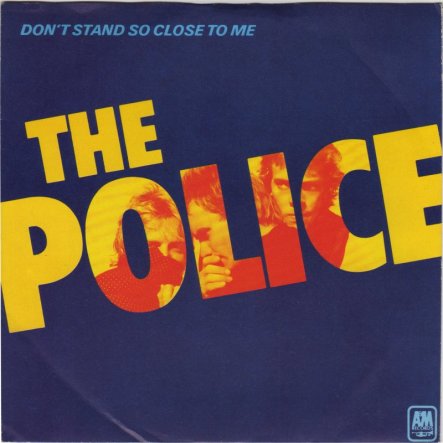
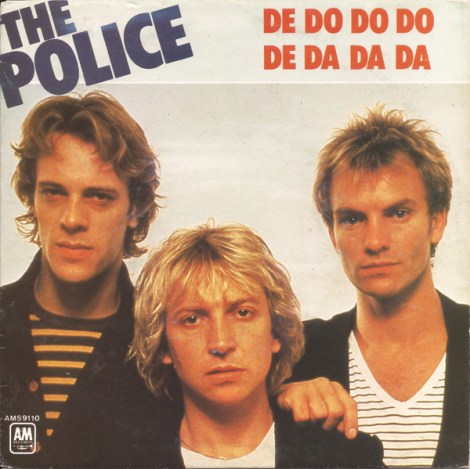
This was the album that finally broke the band in the US. Instead of a minor hit, like they had with “Roxanne,” or the non-hits The Police released from their second album, Reggatta de Blanc, such as “Message in the Bottle” and “Walking on the Moon.” Now, their hits were brushing the Top 10 on Billboard‘s Hot 100 Singles Chart. Those two singles, “Don’t Stand So Close to Me” and “De Do Do Do, De Da Da Da” have become classics in the own right. It’s almost as though as The Police’s music grew more complex, the public understood it better. You can see that as their next two albums, Ghosts in the Machine and Synchronicity reach number two and number one, respectively, on Billboard’s Top 200 Album Chart. But, their whole success in the US began with this album, as sales pushed it all the way to number 5 on the chart.
4.6 the-police-dont-stand-so-close-to-me 1980

The album begins on Side One with the eerie synthesized sounds of droning as it segues into “Don’t Stand So Close to Me.” This song is not your typical pop song theme, as it deals with the attraction between a young female student and her male teacher, all the while the lyrics are comparing it to the book Lolita without ever naming it. Sting, the band’s bassist, vocalist and main songwriter, coyly clues us into that book by name-dropping the author Nabokov. Side One runs through some of the band’s least alternative-sounding music, often with lyrics calling out worldly concerns. My personal favorite song comes in the middle of all of these worldly affairs with a little personal declaration of love in the form of “When the World Is Running Down, You Make the Best of What’s Still Around.” This song brings in a little personal humanity in the form of love for another that allows us to keep our sanity while the rest of the world is spinning down the proverbial toilet.
4.6 police - de do do do de da da da

The other hit song, “De Do Do Do, De Da Da Da,” jump starts Side Two. Now, this is a deceptive love song, dressed up in the simple language of baby talk, as if we were to strip all worldly concerns and languages away to the core emotions that will keep humanity working as the society collapses around us. It is these moments of sophisticated levity that keeps this album’s music grounded as The Police without the band morphing into ultra-serious cats like Rush.

What makes The Police’s lyrics so poetic is that Sting, before he became a full-time professional musician was an English teacher. This frees up the other two, drummer Stewart Copeland and guitarist Andy Summer, to take those songs in magical places through their unparalleled musicianship.
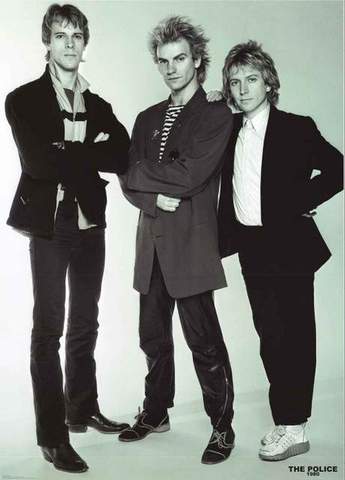
4.6 police publicity photo

To me, Zenyatta Mondatta was the album when The Police made the jump from a club band to a world-wide sensation. Boy, I am sure glad I rediscovered it today. By the end of the day, I will have gone through their whole discography, which should have never ended so quickly as it did. As great as their whole career was, I sure have missed what they might have recorded. And, as fine of album Sting released immediately upon the demise of The Police, those albums would have become classics in the hands of The Police as opposed to session musicians, no matter how great they are.

The Police are truly a missed opportunity. But, isn’t that the history of the many bands that broke up too soon in their careers.

The Culturally Significant ‘Saturday Night Fever’ Soundtrack

4.4 Saturday Night Fever album cover

Allow me the moment to pose a question to you. Think about this and take your time. What albums in history have been so culturally significant that the album alone changed things at the time of its popularity? Yes, it’s a pretty deep question, but I feel it is worth pondering.

As I sit here thinking about the question, some answers pop up. Let’s begin with the first album that went off like a nuclear bomb in society during the Fifties. I am talking about the first Elvis Presley album released on RCA, simply titled Elvis Presley. Before that album, there were handfuls of “race records” and afterwards there was this thing called rock ‘n’ roll that swept the nation and “corrupted” a generation of teens in the US, Britain and elsewhere.

4.4 Studio 54
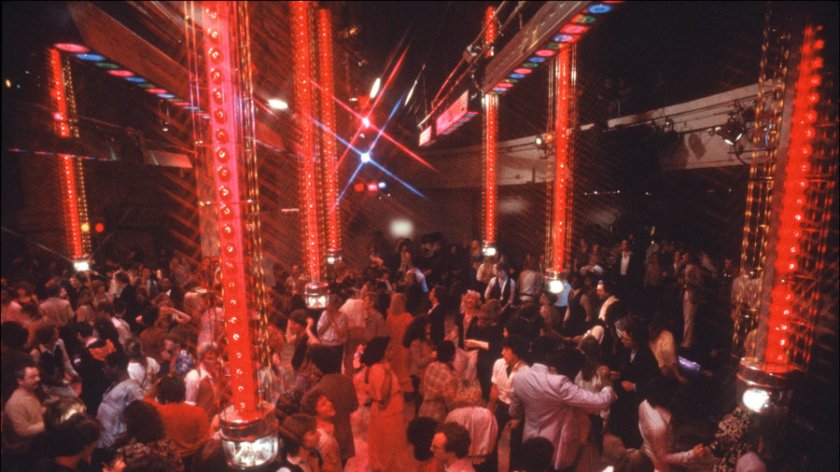
The famous and hedonistic Studio 54 at the height of its disco glory.

Following that album, there was the Beatles’ first US album titled Meet the Beatles that set off Beatlemania in the States. Then, three short years later, the Beatles did it again by ushering in the Summer of Love in 1967 with their first foray into psychedelia with their masterpiece album Sgt. Pepper’s Lonely Hearts Club Band. After that album, rock ‘n’ roll became simply rock, an album oriented genre.

4.4 John Travolta in SNF

In the Eighties, there was Michael Jackson’s Thriller and Prince’s Purple Rain, both ushering in an era of black artists being seen as sex symbols and rock gods. And, then, in the early-Nineties, the alternative nation generally speaking and the world of grunge specifically entered the world’s conscientiousness behind Nirvana’s Nevermind. Unfortunately, after that album, the only thing that affected music stance within society significantly was Napster, a file-sharing computer program that totally leveled the music industry, from which the industry has yet to recover.

4.4 Trammps-2008
The Trammps

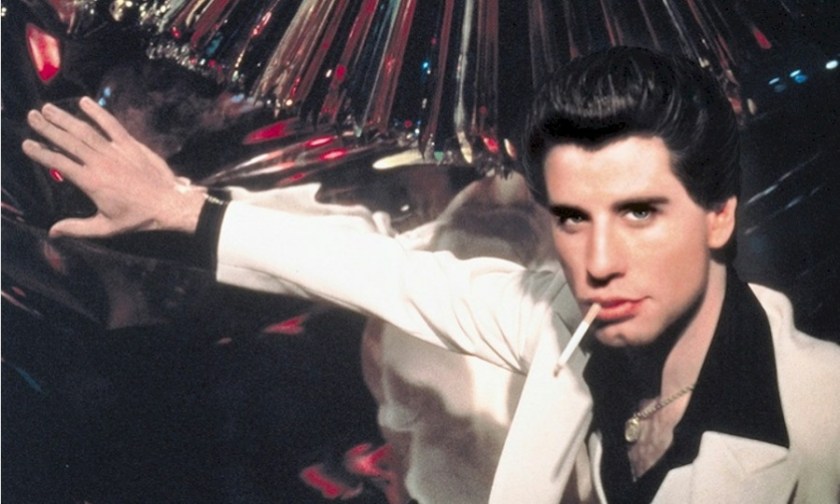
However, I skipped one album that just may be the granddaddy of cultural significance. Before its release, the music it was pushing may have just began to wane in popularity and may have even faded from memory if not for this album. After this album caught on with the public, the genre it was pushing was revived quickly and immediately entered a golden period of musical excellence and cultural significance. The phenomenon I am alluding to is that movie and its highly successful soundtrack called Saturday Night Fever. The image of a young John Travolta striking his famous one-arm-up-dance-pose may be the single most iconic image of the disco era. The movie was good enough to be nominated for an Academy Award, but it was the soundtrack that transcended everything in society, pushing disco out of the gay night clubs in New York City, Miami and San Francisco and into the clubs of middle America and the music onto most formats of radio and even finding its way into high school dances. The watered-down funk beats augmented with string sections was the sound of music beginning in late-1977 with the release of the Saturday Night Fever soundtrack and lasting through to the summer of 1979, when Chicago DJ Steve Dahl held his famous “Disco Destroyer” Night between games of a Chicago White Sox double-header, during which Dahl literally blew up thousands of disco records in centerfield. So much damage was done to the field that the second game had to be forfeited by the Sox. Although the disco hits continue for the next couple of years, Disco as a movement died that night in Chicago.

4.4 Bee Gees
Bee Gees just before ‘Saturday Night Fever’ made them disco icons

Although the Bee Gees had been changing their sound from the Beatles-like ballads toward the disco-fied sounds they released on their 1975 Main Course and 1976 Children of the World albums, it was not until they released a string of three classic songs from the Saturday Night Fever soundtrack that made the trio into disco stars. That string of hits, “How Deep Is Your Love”, “Stayin’ Alive” and the sublime “Night Fever”, became the new calling cards for the disco-movement. Additionally, the soundtrack yielded many more classic disco hits, such as Yvonne Elliman’s “If I Can’t Have You,” “More Than a Woman” by Tavares and arguably the greatest disco cut of all-time, The Trammps’ “Disco Inferno.” Not to mention that the album also included former disco hit songs like the Bee Gees’ own “You Should Be Dancing” and “Jive Talkin'”, Walter Murphy and the Big Apple Band’s “A Fifth of Beethoven” and KC & the Sunshine Band’s “Boogie Shoes” only solidified the street cred of the soundtrack. This album quickly became a cornerstone in nightclubs across the world. Unfortunately, since their reputations were so entwined with the album, the Bee Gees became poster children of the disco movement. Suddenly, the three brothers were blamed for all the bad disco music that was released during the waning days of disco. As if it were the Bee Gees’ fault that people released albums of disco music by the Muppets or Ethel Merman. Nor was it their fault that lame disco songs were released by the Beach Boys, Rod Stewart and KISS. But, the blame was placed on the Bee Gees because they helped revive disco with Saturday Night Fever just as it seemed the genre was about to collapse.

4.4 KC & the Sunshine Band
KC & the Sunshine Band

Today, disco is insidiously everywhere. You can hear it used in commercials. It pops up during movies and television shows. Even 21st century musical artists like Daft Punk, Arcade Fire, Madonna, Lady Gaga and LCD Soundsystem all have incorporated disco into their sounds. Even hip hop artists have been known to sample disco songs in their own hit songs. So, disco never really died. It went back underground, exactly where it belonged, and actually started back in the Seventies.

4.4 Bee Gees with Andy Gibb live 1979
Bee Gees with younger brother Andy Gibb in a preview of the Bee Gees line-up that never happened.

So, the genre know for excesses of all kinds, be it sex, drugs, clothing, fashion, music, etc., is alive and well. And, now that we are forty years past those peak-days of Saturday Night Fever, the music is alive and well. Long live Disco!

The Runaways Were a Great Band – Period

4.6 the runaways - the runaways

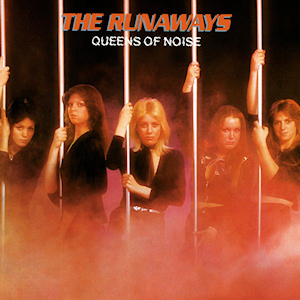
A couple of weeks ago, I finished a great book about the teenage female rock band from the mid-Seventies known as the Runaways. This book, titled Queens of Noise: The Real Story of The Runaways and written by Evelyn McDonnell, was great at bringing back to those relative innocent days of the bicentennial, when the whole world was less uptight and ultimately less threatened by change. Except, when it came to women actually playing rock music aggressively, totally aimed at the groin. Enter Sixties rock impresario Kim Fowley and five teenaged (for the perverts out there, “jailbait”) female musicians. The five, whom Fowley christened as the “Fabulous Five” where sixteen-, seventeen-, eighteen-year-old young ladies by the name of Sandy West (drums), Jackie Fox (bass), Cherie Currie (singer), Lita Ford (yes, THAT Lita Ford, on lead guitar) and Rock & Roll Hall of Famer Joan Jett (rhythm guitar).

4.6 Runaways

Back in 1976, I had read a few articles about this band called The Runaways from LA, who played music that fell someone between glam , punk and metal. But, what these young ladies did was change the rock forever. Even though this five-some never reached the top of the charts, they did build the road for women to rock their way to stardom, whether the women were part of the Go-Go’s, The Bangles, L7, Hole, Vixen, The Donnas or any of the others. The Runaways took the sexist remarks, the perverted statements and leers, and other forms of sexual harassment and abuse to make it easier for the women of today to rock out for a living.
4.6 the runaways publicity photo

My advice to you is to go out and find versions of the bands’ first two albums, so you will get the fundamentals of women who rock. You might want to find the CDs, since they will be much cheaper than the vinyl versions. As a matter of fact, I had purchased that first eponymous Runaways’ album back in 1976, when I was just beginning my eighth grade year in middle school. If I still had that album today, it is worth over $100. Go figure! Anyway, I must be honest, I was NOT prepared for the rock that The Runaways had recorded for their debut album. The music was raw, primal, every bit as a punk rock classic as the first Ramones album, also eponymously titled).

RUNAWAYS

From the opening song, The Runaways’ anthem “Cherry Bomb” through the last song, the rocking “Dead End Justice,” these girls took on juvenile delinquent personas, but each unique to her personality. For example, Lita was the spandex-sporting metal goddess, Joan the punk rocker, Cherrie the good girl turned bad, Jackie the girl next door and Sandy the California beach baby, who were all tough and beautiful. But, what has been lost throughout the years was how great of musicians each one was, especially drummer Sandy West, to whom history was never kind.

4.6 The_runaways,_queens_of_noise

If deserving bands such as the Velvet Underground and The Stooges can get into the Rock & Roll Hall of Fame as towering influences more than commercial successes, then The Runaways should be held in the same high esteem that they are currently being held by the young pop and rock artists of both sexes today. Check out both of those first two Runaways’ albums. They are classics. Then tell me, are they punk, metal or just plain rock? Aw, who cares! They rock!

Daryl Hall, Solo – ‘3 Hearts in the Happy Ending Machine’

4.2 daryl hall - 3 hearts

Ladies and Gentlemen! I hope everyone had a fantastic Easter, end to Passover, April Fools Day or the end to a good weekend, depending on your point-of-view. And, by the way, if you live in Illinois, April 1 is Cheap Trick Day in the state, so I was able to celebrate three holidays on a single day, even though I do not, nor have I ever, live in Illinois, I still celebrate Cheap Trick Day since I am a fan of theirs.

So, what does all of this have to do with today’s topic? On the surface? Seemingly, nada…uh…nothing. Yet, there is a connection so indulge me a bit. You see, in 1983, Cheap Trick released their eighth album, One on One. The album, which was an unfortunate flop because the band’s record company was busy trying to force extremely poor song choices on the band for them to record. This was happening all the while lead singer Robin Zandt had penned one of his finest songs ever called “I Can’t Take It”. If you go back and listen to that song you will be listening to one of the finest non-hits ever to not make the Top Forty. Why is this significant? It’s not worthy, except for who produced this album: Todd Rundgren.

4.2 Hall & Oates in concert

In addition to being a terrific songwriter, singer, solo artist, member of Utopia, Todd Rundgren is one of the greatest producers of all time. Among the many artists whom Rundgren has produced, you will find albums by the likes of New York Dolls, Patti Smith, Tubes, XTC and Meat Loaf. Additionally, you will discover that Rundgren produced the third Daryl Hall & John Oates album, War Babies from 1974.

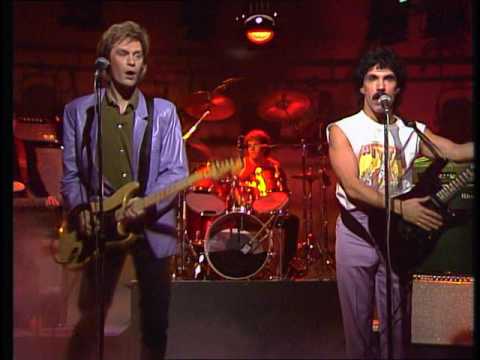
Now, we all know that Daryl Hall & John Oates went on to become the biggest-selling duo in rock history and members of the Rock and Roll Hall of Fame. I hope everyone remembers that Hall & Oates had their earliest tastes of commercial success with the album released immediately after working with Rundgren. That album is known as “The Silver Album” due to its metallic silver cover with the photograph of an androgynous-looking Daryl and John. That 1975 eponymous album is significant because it had the duo’s first Top Ten hit single “Sarah Smile”. In the aftermath of that song’s and album’s success, the album that was released the year BEFORE Rundgren produced War Babies, the song “She’s Gone” along with the album Abandoned Luncheonette were re-released and became hits all over again.

4.2 daryl hall - sacred songs

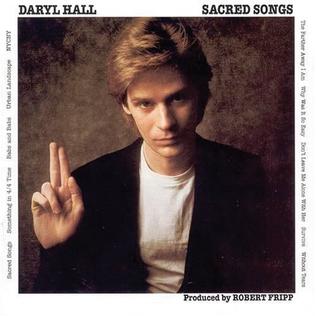
Hall and Oates, as you know, hit number one on the Hot 100 Singles list in Billboard in 1977 with “Rich Girl”. Then, the hits quit being so big, as they ended the Seventies with songs peaking in the Top 20 but no better. But, once the calendar flipped over to the new decade of the Eighties, the band got white-hot. From 1980 through 1985, the duo experienced a hot streak that few other artists have ever seen. By 1986, Daryl Hall and John Oates were now wearing the crown of the most successful duo of the rock era, but they were also “fried.” They decided it was time to take a small break in order to recharge their creative batteries. John Oates did some production work and raced race cars, while Daryl Hall decided to record his second solo album. If you remember, Hall released his highly experimental rock album, Sacred Songs, produced by King Crimson leader Robert Fripp as an audition for Hall to join a new incarnation of the dark art-rock band, way back in 1980, even though the album had been on the shelf since 1978.

In 1986, Daryl Hall dropped his second solo studio album, Three Hearts in the Happy Ending Machine. The album begins with what is arguably Daryl Hall’s finest single, “Dreamtime.” To my ears, Hall has sunk all of his rock music influences into one terrific pop song. Throughout the glorious four minutes and forty-four seconds, you get to hear many Beatle influences, from Eighties-drenched Sgt. Pepper nods to the driving Ringo-esque drumming by Tony Beard, to little Bob Dylan lyrical courtesies (“man with movie star eyes” immediately jumped out at me) throughout the song, to the Electric Light Orchestra-like touches of keyboards courtesy of Eurythmics’ Dave Stewart, who added some other-worldly guitars as well. The whole thing comes off as a Brian Wilson-like Wall of Eighties’ Sound over an Eighties era Hall & Oates dance beat.

4.2 Hall & Oates

Now, after such a glorious single to kick off an album, few artists would be able to re-gather themselves enough to keep the quality of the material of the rest of the album close to that opener. Yet, Daryl Hall, who had been inching closer and closer to writing complete enough songs to fill a Hall & Oates album, rose to the occasion, which makes me wonder how some of the songs on 3 Hearts never ended up on a duo album. The duo’s loss was solo Daryl’s gain, as the rest of the album sounds as if it were an actual duo album. Whatever was happening at the time, this album represents the final gasp of terrific songs written by Daryl, with and without co-writers.

Other songs that stand out as possible hits have always been “Only a Vision” and “I Wasn’t Born Yesterday,” which are the typical H&O mid-tempo rock & soul songs the duo is known for, while “Someone Like You” is the typical big H&O ballad for which the band had become known for since the dawning of the Eighties. After those first four songs, I had always been confident that Hall was creating his masterpiece, only to be disappointed by the quality drop off the rest of the way.

Side One closes with a stereotypical Eighties-sounding pop-rock-dance-hip hop mix, as much of the post-Artists United Against Apartheid song predicted. In other words, this is not so much a song as it is a collage of songs written by Hall; Eurythmic Stewart; Hall & Oates bassist, the late Tom “T-Bone” Wolk; and Eighties superstar producer/engineer Arthur Baker, who was making a name on remixes of various hip hop hits, called “Next Step.” And, that song is only interesting for who is all listed on the writers’ credits, while the rest of the album are all tired Daryl Hall songs that could have used some John Oates, Sara Allen or Jana Allen ingredients added to the songwriting recipe.

4.2 Hall & Oates 86

Once again, Daryl Hall did create a good album that continued to straddle the main influential sounds of the Eighties’ rock, pop and soul that his duo had perfected long ago. Still, 3 Hearts in the Happy Ending Machine is a great solo album and follow-up to Daryl’s fantastic Sacred Songs. This album is worth digging through your collection to rediscover, or to travel to your local independent record store to find in order to add to your collection. This one is a keeper.

If Music Is Not Communal Any Longer, What Will Feed the Rebellion?

3.30 black keys drum logo

Happy Good Friday to my Christian friends out there, and a Happy Friday to my non-Christian friends! As a man who is closer in age to being one who yells at kids to get off his lawn, I realize that sometimes in here I complain about the state of music not being as important as it seemed to be when I was a kid. I guess my problem is rock music’s status within the millennials’ world of pop culture. If you look at the spending habits of Baby Boomers and Gen X-ers, you notice they still buy the majority of concert tickets and physical carriers of music (CDs and vinyl), while millennials prefer to download their favorite songs, preferably for nothing. It is simply the difference in the technology available that accounts for the difference. Unfortunately, the downside to this is that music no longer brings groups of people together to listen to an artist’s latest release or to see another in concert with a group of friends. That has been replaced with your favorite songs on your smart phone, available for you to listen to it via Blacktooth technology in your car or as you walk via headphones or earbuds. Now, music is an isolating experience.

I find that aspect sad. I can remember cruising as a teenager, and nearly every car had their car radios tuned to the same station. There was nothing like a dozen cars full of teens blaring Foghat’s “Slow Ride” or “Driver’s Seat” by Sniff ‘n’ the Tears. Crazy memories that I wish all teens could have, but I guess the millennials are all eliciting some communal response from something collectively on their smart phones. I just don’t see how it works with the same emotional intensity of memories as music can elicit.

3.30 Black Keys-Attack & Release3.30 Black Keys - Brothers

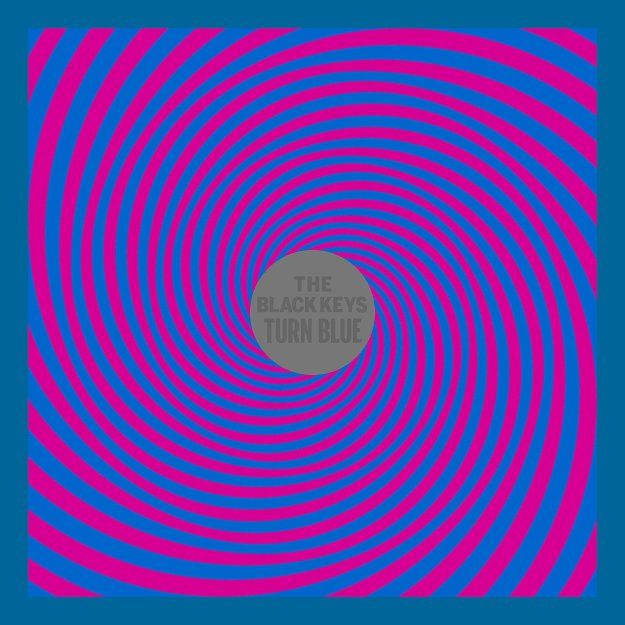
3.30 The Black Keys - Turn Blue

Now, the state of music is not as dire as I would like to believe, it is only more difficult to find the good stuff, and not the stuff pushed upon the youth by Ryan Seacrest’s nationally syndicated radio station. Since the turn of the millennium, I have discovered a cornucopia of terrific artists who should be in your playlists. For the Grateful Dead and Phish Jam Band freaks out there, go listen to My Morning Jacket, while all of you who love STAX and other Seventies R&B should find the late Charles Bradley, Leon Bridges, St. Paul & Broken Bones, Nathaniel Rateliff & the Night Sweats or the late Sharon Jones & the Dap-Kings. If you prefer Southern Rock, there’s the Drive-By Truckers and Blackberry Smoke. Want some Power Pop, check out OK Go, Fountains of Wayne, Derrick Anderson, Kai Danzberg, et al. For lovers of Rolling Stones-styled rock, go find The Struts, Alabama Shakes or The Black Keys. Seventies CBGBs-era Punk, try The Strokes, The Hives, The Vines or The White Stripes. New Wave? DREAMCAR, The Killers and Franz Ferdinand. Female art rock sounds ala Yoko Ono or Laurie Anderson, check out St. Vincent. And this paragraph could go on forever. The point is, great music that would have been played on album oriented rock radio back in the Seventies and early Eighties is not finding an all-inclusive outlet; therefore, making it extremely difficult for a new artists to make a pop cultural impact as artists in the past could.

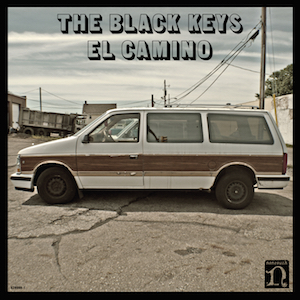
3.30 The_Black_Keys_El_Camino_Album_Cover

Right now, although this band has not released an album of new material in several years, The Black Keys may be arguably the biggest rock band in the world. Unfortunately, few people know this. Since 2008, when The Black Keys released their first album produced by the great Danger Mouse, Attack & Release, the band made a quick ascent to the top of a much less lucrative rock mountain behind their three following albums: Brothers (2010), the band’s masterpiece El Camino (2011) and Turn Blue (2014). Each album built upon the success of the previous album only to continue this growth streak both creatively and financially. However, there is a new paradigm for bands to follow, and The Black Keys may have found the new formula. Instead of relying on radio airplay, or even big streaming gains, The Keys discovered that through the licensing of their music for use in commercials was much larger financial windfall for the band, which brought the band more widespread exposure, thus driving up their album sales.

But, to this old idealist, who stood with artists refusing to sell out their music to ad agencies, this crass example of capitalism is very disheartening. Oh well! Want me to yell, “Get off my lawn”? Or do I try to accept this. As a music lover, I simply accept it, continue to purchase the music I like and move on. The time’s they are a-changing’, as the prophet once sang.

3.30 The Black Keys live

The Black Keys are one of those bands who would have experienced success no matter when they would have appeared on the rock and roll timeline. Even though the musicians are young in age, they are old souls in the type of music from which they draw inspiration. And, although the duo sounds as if they are immersed in old Howlin’ Wolf records, you can also tell they are of the hip hop generation with the clues hiding in their rhythms, along with the rap-rock hybrid record they made nearly a decade ago with members of Wu-Tang Clan under the guise of their alter ego Blakroc.

And, although The Black Keys, much like The White Stripes, the band with whom they are compared, are a duo consisting of a guitarist (Dan Auerbach) and a drummer (Patrick Carney). The lack of a bassist in no way impedes the band’s ability to be funky. Plus, if they really want to add to their bottom end, they bring in a session bassist. But, to be perfectly honest, the band’s music rarely needs that augmentation. Somehow, the duo just does not need the extra musician.

3.30 Black Keys in studio with Danger Mouse
The Black Keys’ Patrick Carney (left) and Dan Auerbach (right), with super producer Danger Mouse in the back ground.

Additionally, as a fan of the band who discovered them before their career blew up, yet after they were being hyped in the early part of their career as the next White Stripes. Auerbach and Carney were able to maintain they artist compass throughout this development time. Originally, the duo hailed from Akron, Ohio, and that dying town’s DNA was prevalent throughout their artist development, much like it was always in LeBron James’ basketball brilliance. And, like LeBron, The Black Keys too began to feel stifled by the small town, so, in an effort to save their artistic souls just at the moment their were peaking, the duo packed up and moved to Nashville. This move allowed the boys to grow artistically, much like King James’ move to South Beach helped his game reach new heights. In the cases of these superstars, these moves helped them attain new heights, which, in the case of James, he brought back to Cleveland and helped them achieve the championship that immortalized LBJ forever.

3.30 Black Keys in concert

Who knows what heights The Black Keys will reach? The Black Keys have been on hiatus since their last tour ended in 2015. In the meantime, Auerbach has released a well-received solo album, as well as doing some production work for some bands on his label. Carney, on the other hand, has been spending his time by doing some session work, as well as doing his own production work, most notably on his current girlfriend’s, Michelle Branch’s, comeback album that was released last year. My guess is these geniuses are slowly gaining the artist experiences they each were seeking in order to eventually bring them back together for a monster Black Keys reunion. That is something I am awaiting.

There seems to be something of a hole in my rock and roll heart, the key is just may be black. Actually, it just might take two black keys to rev my rock and roll engine. Cheesy, yes. Sometimes, ya just gotta go with the clichés over originality, to make the art react properly. Or, more likely, I am just not that good of a writer. Deal with it.

Am I ‘Speaking in Tongues’ or Is It Talking Heads?

3.29 talking heads pic 1986
I choose this photo of the band because they look like they are auditioning for Roxy Music.

As I sit here attempting to write this entry, my mind’s eye goes back to all the “great” advice for getting my writing mojo. Thanks should go out to my long-time chemistry back row buddy Mark Kline for his advice to “breathe through your eyelids.” I was not ready to play Bull Durham quotes, but MLB Opening Day is a National Holiday in Cincinnati, so I should have been ready. Usually, the baseball quotes come from Major League, and they fly fast and furious between my boys and me (“Are you telling me Jesus Christ can’t hit a curveball?”). As I dug through my music collection, there were 7″ singles everywhere in my music room, along with albums strewn about along with CDs, both purchased and burned. I was even digging through my rock magazines just attempting to find a morsel of inspiration.

My iTunes collection? Worthless! My iPods? Archaic! So, let’s take a shower.

As I stood there with conditioner in my hair, letting the water run over me, suddenly it hit me like a bolt of lightning! Speaking in Tongues by Talking Heads! That little masterpiece of new wave, art rock, and left-field white man Parliament-influenced funk rock that was part of the soundtrack of the Summer of 1983 in Wisconsin. This ended up being the cure for my temporary condition. So, instead of plopping the vinyl on the turntable, I instead went for the CD version. When I do this, it is usually for lazy reasons: I don’t want to get up to flip the album. That’s right! This former long distance track star is too damn lazy to get out of his back-up La-Z-Boy to flip an album on his turntable. That’s totally true. But, I also did not want to break any momentum I might be building as I hunt-and-peck away at my laptop. No, I never make entries using my phone. I can’t see the small screen so well, and I am a much slower typist on that stupid thing. So, I do this thang old skool! At least I’m not handwriting this thing and scanning in the work.

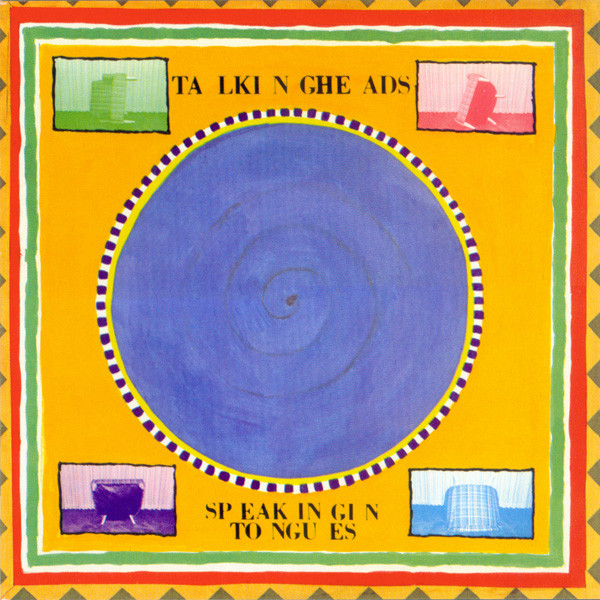
3.29 talking heads - speaking in tongues

As far as this album, Speaking in Tongues, is concerned, it is the band’s fifth studio album, coming after a run of four studio albums, each which pushed the band’s talents and chemistry beyond the previous LP milestone. First, in 1977, the Heads debuted on Sire Records with their Talking Heads: 77 album, a collection of pared down funk and bubblegum songs each sung and played with an emotional detachment never before scene by a band. The following year, 1978, the band took the sound of their debut and added more instrumentation as well as making forays into soul music, via their cover of Al Green’s “Take Me to the River,” which peaked at #26 in Billboard‘s Hot 100 Singles Chart.

And, just when you thought you had this band pegged, they dropped Fear of Music on us in 1979. Nothing prepared us for the band bringing the funk more clearly than they had on this album. Still, there was one song which stuck out against all others on this album. The song was the first one you heard when you dropped the needle on Side One, “I Zimbra.” It was funky, yet it definitely had African rhythms that were not of the Burundi-type being popularized in the UK at the time by Adam and the Ants and Bow Wow Wow. No, these rhythms had not be Anglo-ized like those aforementioned bands’ sounds had.

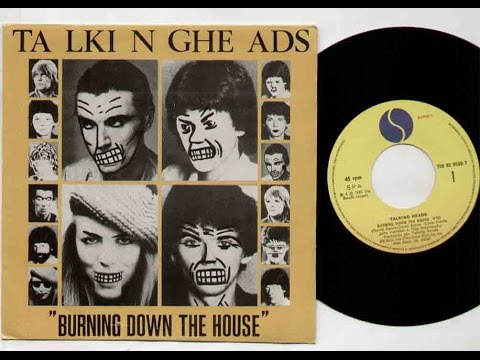
3.29 burning down the house
Remains Talking Heads’ only Top 10 hit single.

Then, building upon the success of “I Zimba” the band hunkered down one more time with producer Brian Eno to create the whole African-funk-new wave workout called Remain in Light. Never before had popular music moved so blatantly in that direction, that the Talking Heads were being portrayed as musical geniuses. But, what followed was a short hiatus, with the members doing their own solo projects. Married rhythm section of bassist Tina Weymouth and drummer Chris Frantz grabbed many of the members of the Remain in Light touring band to create their own side band called Tom Tom Club. That band’s debut was more successful than any previous Talking Heads album in sales, plus the duo created a single that has been massively influential over the past nearly 40 years, “Genius of Love.” Additionally, guitarist/keyboardist Jerry Harrison released his own new wave classic album, The Red and The Black. Finally, Brian Eno and lead singer David Byrne collaborated on their highly influential album of samples, loops and out-and-out strangeness entitled My Life in the Bush of Ghosts, on which the pair used recorded vocals of late night talk radio, exorcism, reading of religious material and the like set to actual loops of African rhythms recorded during their visits to the continent.

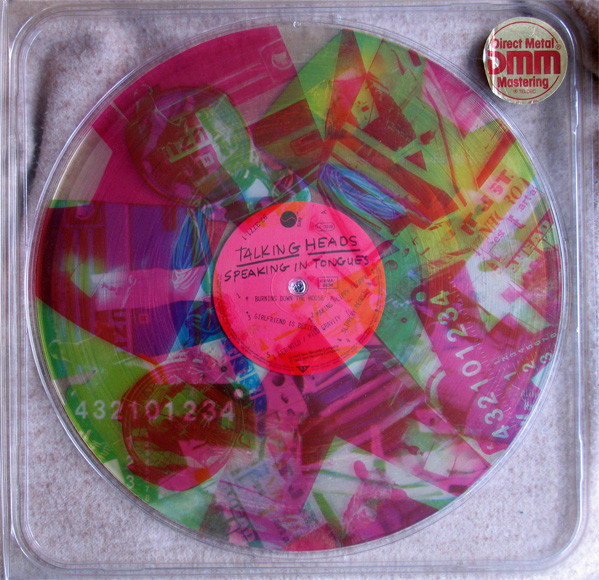
3.29 speaking in tongues 3-D vinyl edition
Have you ever seen the highly collectible version of the Talking Heads’ ‘Speaking in Tongues’ LP? I still want to add this to my personal collection.

Finally, the band members regrouped to create a masterpiece that was the culmination of all their previous work that somehow was made palatable to the whole world, especially Middle America. Speaking in Tongues broke no new ground. There was no where else to go with their lessons other than to create their most accessible sound possible. And, on this album, Talking Heads succeeded. Finally, they had learnt to bring all of their ideas and distill them down to the most concentrated forms. Now, you have the funkiest white art band in the whole, one who totally opened the doors for the Red Hot Chili Peppers and Faith No More to walk through. And, although, “Burning Down the House” was the big hit from the album, the dance clubs were full of the sounds of “Making Flippy Flop” and “I Get Wild/Gravity.” Plus, the band threw in a blues-ish, Howling Wolf-like song called “Swamp,” whose funkiness evokes the spirits of New Orleans’ sounds-past. And, then the band wraps up the whole album with their most mature statement ever with the sentimental “This Must Be the Place (Naive Melody).” Unfortunately, too many people missed out on a fantastically romantic song for their first dance at their weddings by over-looking this song, as well as flying over the heads of high school kids in need of a Prom theme (Fear not youngsters! My theme got rejected, as I suggested “A Touch of Southern Comfort.” I guess the product placement was too obvious.).

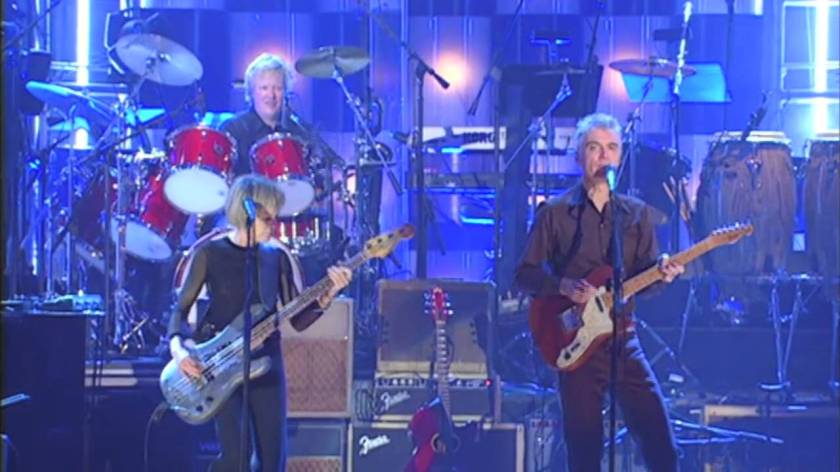
3.29 talking heads 2002 rrhof induction
Talking Heads perform at their 2002 RRHOF induction ceremony.

Little did I realize that my writing mojo would be so entwined with Talking Heads. I thought the band and me were too cool for any type of emotional attachment with each other. Au contraire! Live and learn. You never know, one day I might rediscover the brilliance of Dire Straits. Wait a sec! Foreshadowing? Who knows? I sure don’t.

It’s Not Writer’s Block! It’s Subject Block!

3.28 what can i say

I am so frustrated today! I am having writer’s block. Wait a second! It’s not really writer’s block, so much as it seems to be subject block. Have you ever had one of those days when you look at your collection, and nothing pops out at you as something that needs to be written about. I have more much than most people would ever say they need, and I cannot choose one damn album or CD about which to write.

Seriously, I have tried to listen to everything, and none of it has inspired me to write one single word about it. Let’s see, so far I have listened to David Bowie, in the hopes of finding a little Glam, proto-punk, new wave, neo-soul or Eighties pop. And, none of it worked! Next up, I tried a little classic rock with some Eagles, Fleetwood Mac and Steely Dan, but all I got was frustrated. Funk? Naw. How about your beloved Jellyfish? I’m trying, but it’s not really going anywhere for me. So, I tried visiting some of my favorite power pop website and Facebook walls, but nothing caught my fancy.

Right now, I have been attempting to find some interesting but great dance music to be played at Son #2 and his beautiful finance’s wedding reception. But, I am nowhere near being ready to write about that type of music.

FYI: I am now listening to Track 4 on the debut album by Jellyfish, Bellybutton, and I am still not inspired. The song is a great song, a lost classic. It’s title is “I Wanna Stay Home,” which my wife says is the theme song of my old age. You know, she may be right. But, I still don’t want to write.

Okay, let’s dig into the surefire stuff. How about the Police? No. What do you think about Paul Weller, The Jam or The Style Council? Nope.

Elton? Naw.

Queen?

Nyet.

Daryl Hall & John Oates?

Nein!

R.E.M.?

Springsteen?

Petty?

Cheap Trick?

No, no, no, no.

Wait! How about old faithful? Prince! No!

Then, I turned off my stereo and sat in silence. ARRRGGGHHH!!! I wanna rock! But to what?

Never mind! I’m walking away. Sorry guys. I’ll get back in the batter’s box again tomorrow to face live pitching again. I was an “oh-fer” today, and there’s no shame in that.

Later.

My Hair Metal Top 40

3.27 Hair Metal Logo

For the past month or so I have been immersed in Seventies Glam Rock, particularly the brand that originated in the United Kingdom with hits by T.Rex, David Bowie, Slade, Suzi Quatro, Sweet, among many others. What I have been reading about the English scene sounds like it was a fun time for both artist and fan, with both living their parts via fashion and within the clubs. Now, Glam Rock, or as I remember it being called back in the day, “Glitter Rock” really never caught on en mass here in the States. Sure, we all remember “Bang a Gong (Get It On)” by T.Rex or many of the early singles released by Bowie, but American Suzi Quatro was a superstar in the UK but unheard of in the States until her recurring role on the TV show Happy Days as Leather Tuscadero, as were other big UK rock stars like Slade, Mud and Gary Glitter. And, although American Glam Rockers like Alice Cooper and KISS both experienced mega-success, other American Glam artists such as the highly influential New York Dolls lay strewn on the side of the rock highways, as causalities to the fickle public.

Actually, it was not until the Eighties, when an Americanized version of Glam burst in the clubs on Sunset Boulevard in Hollywood. This version was a mix of the gender-bending dress of the musicians, added to spandex and lots of metallic material used in the band’s costuming. The bands all had long hair that appeared to be exploding from their heads, much like a stereotype of a New Jersey girl in the Eighties. These bands used cases of AquaNet, all the while borrowing their girlfriends’ makeup. This version of Glam Rock was mixed with a guitar-solo-worshipping virtuosos to form a poppier version of heavy metal, known as Pop Metal, Glam Metal, or, in a more derogatory manner, Hair Metal.

Now, in the States, Glam first became popular with the New Wave of the first artists played on MTV by the likes of Duran Duran and Culture Club. But, when that watered-down version of metal mixed with pop melodies (or good old English Glam Rock) started crawling out of L.A., first with Ozzy Osbourne’s Blizzard of Ozz album, followed by Quiet Riot, Mötley Crüe and Ratt, the floodgates were beginning to open. Then, at the US Festival in 1983, on the third day, the organizers held a “Heavy Metal Day” whose line-up was filled with many of the Sunset Boulevard bands that were making a scene at the time. And, that day was the most attended day of the three-day festival. Now, this Hair Metal thing was more than a scene, it was a happening. Record companies began to search everywhere for these bands. Def Leppard came from England, Bon Jovi from New Jersey, Poison from Pennsylvania-via-L.A. It seemed as if these Hair Metal band were everywhere by 1988. And, I was sick of the genre back in 1986! The whole thing offered little to me. It may have been the most conservative, same-sounding genre in the history of rock music. And, it’s success and excesses killed rock music, so much so that music no longer holds the same stature with the millennials that it once did with the Boomers and Gen X-ers.

But, in honor of this era, arguably the most decadent time in the history of rock music, I give to you, my reader, My Top 40 Hair Metal Hits. Enjoy!

40. Alice Cooper – “Poison”. This is the man who really started this genre finally getting a hit during Hair Metal’s heyday. This is poetic justice.

39. Aerosmith – “Janie’s Got a Gun”. What?!?! Someone is tackling a social issue in this genre? Heaven forbid!

38. Mötley Crüe – “Dr. Feelgood”. Okay, this is about their drug supplier and not their favorite strippers.

37. Bon Jovi – “You Give Love a Bad Name”. I’m sorry, but someone explain to me how Bon Jovi got into the Rock & Roll Hall of Fame!

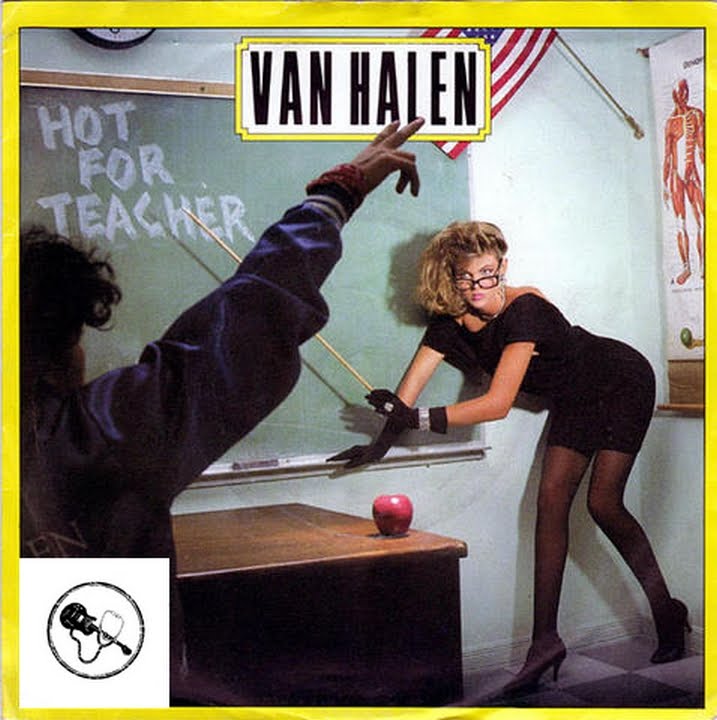
3.27 36 Van Halen - Hot for Teacher

36. Van Halen – “Hot for Teacher”. Van Halen was fun. Van Hagar was not. Any questions?

35. Mötley Crüe – “Don’t Go Away Mad (Just Go Away)”. Now, I will ALWAYS love this song because the lyrics show a sense of humor. Who hasn’t thought that when breaking up with a soon-to-be-former-partner.

34. Hanoi Rocks – “Tragedy”. This Finnish band was a fore-runner to this whole Hair Metal-thing, as they released this song in the early Eighties.

33. Autograph – “Turn Up the Radio”. Okay, here’s an ode to the use of a radio as music source for a party. How quaint.

32. KISS – “God Gave Rock and Roll to You II”. The perfect song to end Bill and Ted’s Bogus Journey.

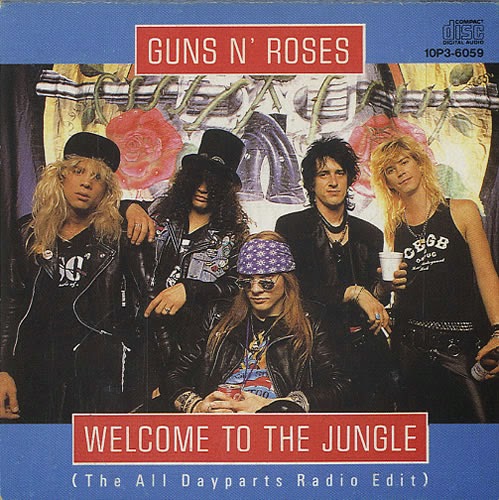
3.27 31 Guns-N-Roses-Welcome-To-The-Jungle

31. Guns N’ Roses – “Welcome to the Jungle”. See? GNR was so much more than the party band for a bunch of strippers.

30. Aerosmith – “What It Takes”. This song will always remind me of a buddy who had been engaged to two or three different young ladies when this song came out. “There goes my old girlfriend. There goes another diamond ring.” HAHAHA!!!

29. Night Ranger – “Sister Christian”. Does anyone really think this power ballad convinced the guy’s sister to hold on to her virginity? Not if she listened to the rest of Night Ranger’s catalog.

28. Lita Ford with Ozzy Osbourne – “Close My Eyes Forever”. Nice power ballad Lita! Nice use of Ozzy when he could still sing.

27. Skid Row – “18 and Life”. I just HAD to throw this song in my countdown. WHY?

3.27 26 poison nothin but a good time

26. Poison – “Nothin’ but a Good Time”. Anyone else think Poison might be a Cheap Trick tribute band in disguise?

25. Aldo Nova – “Fantasy”. Anyone remember this Hair Metal Prequel?

24. Aerosmith – “Livin’ on the Edge”. “Aerosmith” on the comeback trail. Okay.

23. Enuff Z’Nuff – “Fly High Michelle”. I am not really sure if this Chicago band is Hair Metal or not. Like Poison, they might be a better Cheap Trick tribute band.

22. Def Leppard – “Photograph”. This song has verses that remind me of Loverboy, choruses that remind me of Journey, a middle eight that reminds me Sammy Hagar, and guitars that remind me of Van Halen. No wonder it was a hit.

3.27 21 motley crue looks that kill

21. Mötley Crüe – “Looks That Kill”. The Crüe was more believable early in their career.

20. Poison – “Unskinny Bop”. Yawn! Here’s a song for strippers!

19. Def Leppard – “Rock of Ages”. I like that the band counted to four in Swedish, or some Germanic language, to make people think they were doing something satanic at the beginning of the song.

18. David Lee Roth – “Yankee Rose”. Roth’s first real song he released is a hard rock classic.

17. Great White – “Once Bitten, Twice Shy”. Great White did a cover of UK Glam band Mott the Hoople’s former lead singer’s solo song and made it a hit.

3.27 16 twisted sister were not gonna take it

16. Twisted Sister – “We’re Not Gonna Take It”. This video was funny, though Twisted Sister’s take on androgyny was scary.

15. Scorpions – “No One like You”. I saw this band open a concert in 1979, and I laughed at them throughout their set. The only band in the countdown who had a balding musician in a “Hair” metal band.

14. RATT – “Round and Round”. I knew this genre was trouble when the bands started recycling the old Aerosmith sound.

13. Whitesnake – “Here I Go Again”. Was this a hit because of Tawny Kitaen writhing throughout the video, or was it a nice little pop ditty? Might be the question of the era.

12. Bon Jovi – “Dead or Alive”. Jon Bon Jovi, do you really want me to answer that? Still, a good song.

3.27 11 lita ford kiss me deadly

11. Lita Ford – “Kiss Me Deadly”. The second most popular artist to come from the seminal L.A. all-girl band The Runaways.

10. Mötley Crüe – “Girls, Girls, Girls”. Strippers, Strippers Strippers. That’s why this genre became so boring to me.

9. Van Halen – “Jump”. Despite some guy in my dorm playing this song for two hours straight, I still like it.

8. Quiet Riot – “Cum on Feel the Noize”. This is a cover of Slade’s original Glam Rock classic that set the American charts on fire.

7. KISS – “Rock and Roll All Nite”. This is ground zero for the hair metal phenomenon.

3.27 6 bon jovi livin on a prayer

6. Bon Jovi – “Livin’ on a Prayer”. Will radio ever quit playing this song? I liked the song better when Son #1 was a two-year-old singing it to his mom.

5. Living Colour – “Cult of Personality”. Technically, not a Hair Metal band, but they are third best metal band from this era, behind GNR and Faith No More.

4. Def Leppard – “Pour Some Sugar on Me”. When Son #1 was three, he told me this was our song? Must have been because we saw the video everyday right after his mom left for her aerobics class.

3. Ozzy Osbourne – “Crazy Train”. “All Aboard!” Few could turn down that offer of public transportation. Especially, if Ozzy’s the conductor!

2. Poison – “Talk Dirty to Me”. The best Cheap Trick imitation of all-time. As a matter of fact, Poison might be the best Cheap Trick tribute band if they only chose to play Cheap Trick songs instead of all the crap Poison recorded.

3.27 1 gnr sweet child o mine

1. Guns N’ Roses – “Sweet Child O’ Mine”. Once again, GNR is NOT a hair metal band. They have too much punk in them (Thanks Duff!) and too much street cred to be a hair metal band. They only perfected the sound.

And, there you go! The 40 Hair Metal Songs that I actually like. I really didn’t think I would find that many, but I did!

‘Alice Cooper Goes to Hell’ Is No Joke

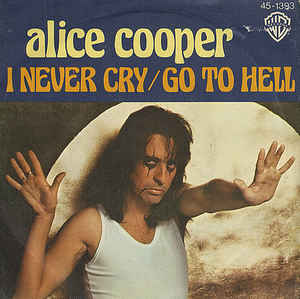
3.26 Alice Cooper Goes to Hell

Remember back in the Nineties when Michael Jordan had retired from basketball to pursue his dream of playing minor league baseball? After doing that for a couple of years, he decided to come back to basketball by making a simple two-word announcement, “I’m back.” My wife and I had taken our boys up to Chicago for our Spring Break when that announcement came. And Chicago was abuzz with the news, no place more so than Niketown. The boys were so excited, especially #2 because Jordan was his favorite player. They bought Jordan clothing and hats that day. And, all seemed right in the Keller universe.

Well, I took last week off just to hang out with my wife during her Spring Break this year. And, instead of traveling, we spent the time getting ready for Son #2’s wedding and the arrival of our first grandchild this summer. It will be an exciting time in our home this summer.

So, what do all of those anecdotes have to do with my blog? Whenever we spend Spring Break at home, we clean the house. So, while during one of our cleaning sessions, for some reason, I was listening to an album that was important to me in 1976 and 1977. I am not sure why I played it, but something compelled me to put it on the old turntable. The album was Alice Cooper’s 1976 album about Cooper’s fight with mental illness and alcoholism entitled Alice Cooper Goes to Hell. And, who knew that this album, considered to be one of Cooper’s worst helped me through one of the most difficult times of my life.

3.26 Alice Cooper live

Let’s go back a bit to remember that the name Alice Cooper originally was the name of a rock band of five guys from the same high school track and field team from the Detroit area. But, as the group’s popularity rose, the band’s name became associated with the lead singer, the former Vincent Furnier, and less with the other four men in the band. That’s why Alice Cooper is now the stage name and character of Mr. Furnier. Anyway, like most kids my age, I became intrigued, then obsessed with Alice Cooper. Why? What kid doesn’t love to have their favorite artists push the buttons on our parents? These guys not only played great, loud, simple rock songs, but they put on a huge show. Now, you understand the popularity of Marilyn Manson back in the Nineties.

Now that I am forty-plus years removed from those days in 1976, I can analytically describe just how this album helped me through my parents’ divorce. I had always been close to my dad leading up to that last day of school in seventh grade, when he told my brother and me that he was moving out of the house to think things through. I was devastated. I felt betrayed because he was always my buffer between my mom and me. And, now, I was being thrust into a family leadership role for which I was not prepared.

3.26 Alice Cooper - I Never Cry

Enter Alice Cooper Goes to Hell. During the summer, I fell in love with Cooper’s ballad “I Never Cry,” which totally seemed to be describing my emotions at this juncture in my life. All of a sudden, I went from totally clueless to self-conscious in the snap of a finger. Now that I am older, I realize what my strengths and weaknesses are, but, as a teen, you have no clue of them unless something dramatic occurs to force them to the fore. Immediately, I discovered I was something of a “paid extrovert.” What I mean by that, is that I am very insular by nature, but when thrust into a group, I like to entertain. However, if it is a new group, I prefer to disappear. So, often, as a teenager, I was probably known as someone who was “stuck up” at worst, or “aloof” at best. But, I couldn’t help it. That is just my own brand of weirdness.

So, Cooper’s “I Never Cry” really described my reaction to the impending divorce of my parents. At the time, I was blindsided by the announcement from my dad, because I thought everything was fine. And, no matter how much I tried to turn on my emotions, I just couldn’t cry. I had purchased the seven-inch single of this song initially, but I immediately knew that I wanted to get the album.

3.26 Alice Cooper on Midnight Special

Since the album was entitled Goes to Hell, the public worked themselves up into a lather of ignorance thinking this was an album of Satanism, never considering in their narrow, ignorant minds that someone’s life could be considered “going through hell.” Oh no! Heaven forbid that artists use metaphors, because they aren’t smart enough. Maybe, it was the complainers who weren’t smart enough to understand what a metaphor is and how it is used. But, let’s not learn, let’s complain. I am so glad that my generation is carrying on with these acts of stupidity. That is why the Boomers and X-ers are so easily manipulated by Wall Street, Political Animals on FOX, and the mantra that business will cure all society’s ills. But, those are arguments for another day, so let’s stick to Alice Cooper.

The album, Alice Cooper Goes to Hell (ACGTH), describes Vincent Furnier’s descent into mental illness and alcoholism. In the terrific opening song, “Goes to Hell,” a chorus of parents and concerned citizens condemn Cooper to Hell for leading our children astray, while this whole scene is simply a concoction in Furnier’s mind due to mental illness. As the voices in his head try to pull him in different directions, the music changes from a Broadway take on disco with “You Gotta Dance” to the faux confidence found in the bottle of “I’m the Coolest”. Those mental personalities seemed to be played by people in Alice’s life, whether it is protestors, radio kingpins, record producers, music agents, fans or family, you are witnessing the mental decline of Furnier along with Cooper’s own entertainment descent. When you begin to realize that this is a Shakespearean play taking place simultaneously within Furnier’s mind AND Cooper’s career, then you understand why the artist Alice Cooper made the musical choices he made as he was turning away from his bread-and-butter hard rock persona of just two years ago.

3.26 alice-cooper-and-the-muppet-show
Some say Alice Cooper lost rock & roll cred when he appeared on ‘The Muppet Show,’ but the kids understood! This meant he was a god. Look carefully as you can see Cooper descending further into his alcoholic hell.

Vincent Furnier made his most “real” album to date with ACGTH. And, while this album is often correctly described as “indulgent,” the critics have missed the big point of this being a rock opera of the state of one’s mind as well as one’s career. And, for some reason, I saw through the whole thing as a thirteen year-old suffering through the pain of the end of his parents’ marriage. ACGTH is a beautifully poetic album that in the right hands, and if coupled with Cooper’s previous album Welcome to My Nightmare, would make a terrific Broadway play, so long as the director can simultaneously play up the inner and outer dichotomy of oneself.

Thanks, Alice! Your willingness to make your art real saved me at juncture in my life when I needed it the most. You will never understand how important that album was to me. And still is, it appears.

THE TOP 10 NEW WAVE ALBUMS: Day 10

New Wave.9

We’ve made it! This is Day 10 of my countdown of the Top 100 New Wave Albums. Most of them will not be a surprise, while some may shock you. So, buckle up. This could be a wild ride. May not the wild ride of the Mueller investigation, but wild just the same. Let the countdown begin!

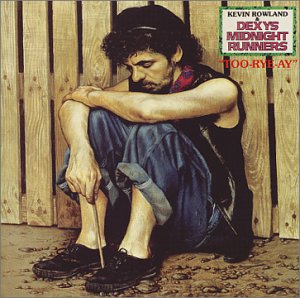
10. Dexys_Midnight_Runners - Too-Rye-Ay

10. Dexys Midnight Runners – Too Rye Aye (1982). That’s right! Dexys is number ten. Everyone knows the hit from this album, “Come on Eileen.” And, as fun and great that hit is, the album is just as strong. Band leader Kevin Rowland start Dexys as a soul band but abruptly adjusted the sound of the band by incorporating some Celtic folk instrumentation into the band’s sound. So, the overall-wearing street urchin look of the band in the “Eileen” video was not a gimmick; it was part of the image statement. This album continues to surprise me as I listen to it more and more.

9. The Cars - The Cars

9. The Cars – The Cars (1978). If you were a teen growing up at the time this album was released, you remember how ubiquitous the album was on radio after a slow six-month sizzle until it finally took off. This album plays like a Greatest Hits album, since nearly every song is still being played on Classic Rock radio. The genius of The Cars was how they were able to seamlessly blend the herky-jerky sounds of New Wave with the smooth production of Album Oriented Rock. That ability to straddle the two sides was the genius of this band. And, this album was The Cars greatest statement.

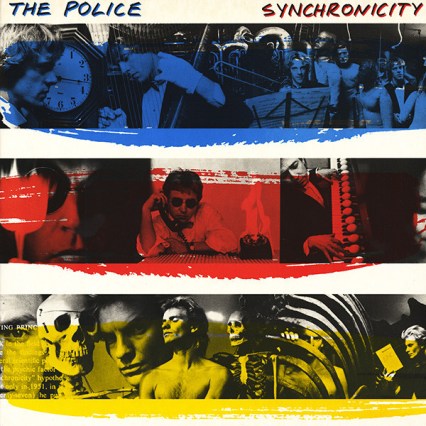
8. The Police - Synchronicity

8. The Police – Synchronicity (1983). The biggest album of 1983, which ultimately was the band’s final album, saw The Police showing all of us how New Wave should grow up. This album attacks some very adult themes in a literary manner. The biggest song of 1983 came from this album, “Every Breath You Take.” On the surface, it seems like a great love song. But, upon closer examination, this is a stalker’s song. “King of Pain,” “Wrapped Around My Finger” and “Synchronicity II” were the other hits, but darkness invaded each song. We are hearing Sting’s first marriage disintegrating, as well as the band’s partnership. If this album represents New Wave becoming an adult, then I must be following it at the time.

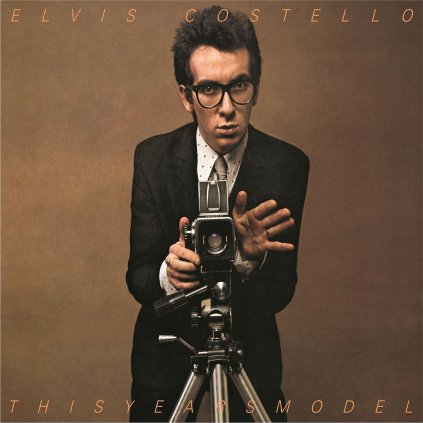
7. Elvis Costello - This Years Model

7. Elvis Costello & the Attractions – This Year’s Model (1978). How could I pick just one Elvis album? It was difficult as to which album to choose. But, This Year’s Model truly introduces Elvis as an angry New Wave singer. The iconic moment of his career happened on Saturday Night Live when told he could not perform his new single “Radio Radio” due to the show’s censors not liking the tone of the song (Elvis indicts the narrow-mindedness of radio programmers everywhere), Costello was supposed to sing another song. So, at first, Elvis seemed to acquiesce. Then, he abruptly stopped the band, and said, “There’s no reason not to play this song!” After which, he and The Attractions ripped into “Radio Radio”, spewing anger and venom. The result? A modest increase in sales. And, the rest is history.

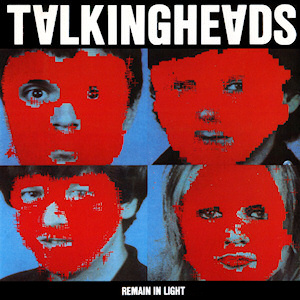
6. Talking Heads - Remain in Light

6. Talking Heads – Remain in Light (1980). If the Heads had not jumped into the whole African rhythm fad, then Paul Simon may not have recorded his masterpiece, Graceland. Those African rhythms helped turn this art punk band into a funk punk band, like an Ivy League Funkadelic. “Once in a Lifetime” is the hit song and video from the album, yet there is a reason Phish covered this album during one of their Halloween musical costume performances. The whole album remains rock, all the while the African rhythms screamed funk. And, then there was David Byrne’s lyrics.

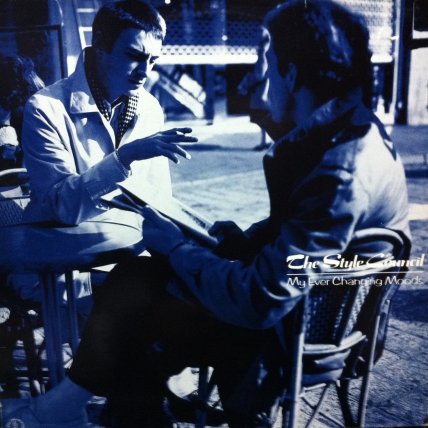
5. The Style Council - My Ever Changing Moods

5. The Style Council – My Ever Changing Moods (1984). My apologies to my British brethren, but I prefer the American version of this album over your version. Our version has a different running order as well as different versions of the timeless songs of “You’re the Best Thing” and the title song. I will NEVER understand why none of Paul Weller’s bands or solo career have been accepted by Americans.

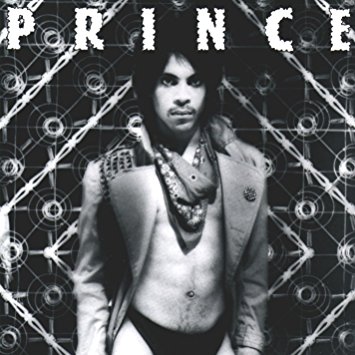
4. Prince - Dirty Mind

4. Prince – Dirty Mind (1980). This was Prince’s one rock album. It is a New Wave album, especially when you hear his Purple Majesty’s dominant instrument, the synthesizer. Prince was hinting at his musical greatness when he released this album.

3. The Smiths - The-Queen-is-Dead

3. The Smiths – The Queen Is Dead (1986). This album was Morrissey and Johnny Marr’s finest moment. Morrissey’s lyrics were fantastic and darkly humorous, while Marr’s swirling guitars were innovative in the mid-Eighties as an anti-dote for the overuse of synthesizers. So, were The Smiths England’s R.E.M., or was R.E.M. America’s answer to The Smiths.

2. R.E.M._-_Lifes_Rich_Pageant

2. R.E.M. – Lifes Rich Pageant (1986). Isn’t it ironic that both The Smiths and R.E.M. released their finest albums during the same year? Or, was it? Anyway, R.E.M. traveled to Indiana for John Mellencamp producer Don Gehman to help the band put a little spit-shine on their Southern Gothic sound. Let’s just say, “Mission Accomplished.”

1. The Clash - London Calling

1. The Clash – London Calling (1980). What can I say? This is easily the greatest and most recognized album of the era. The Clash became the most exciting band in the world upon this album’s release. It was also the band’s most focused AND diverse album at the time. from the title song through “Lost in the Supermarket” to “Train in Vain (Stand by Me),” the single that was perversely left off the album’s tracklist. There was a sticker on the album that claim The Clash was the only band that mattered. And, then I played that album, and I sure fell for it. This is my hands down favorite album of all time. Period.

Well, there you have it. My apologies to you for leaving your favorite album off this list, or ranking it so much lower than you would have. This whole thing is subjective and totally for our enjoyment. I hope that this countdown was successful on the last level. Have a great weekend!