It’s Day 1 of the Year 1971 in My 1000 Favorite Albums List

5.17 Top 1000 Albums_LI

When looking upon my portion of my 1000 albums list, I notice that 1971 really is a cross-section of music that has been the foundation of the classic rock radio format that has been forced down our throats since the late-Seventies. And, it’s fine. I know I bitch quite a bit about the state of radio, but it has nothing to do with this music. It’s simply that an age group felt alienated by popular music beginning with the MTV revolution of the Eighties that they felt the need to exert their power and ended up killing the vary thing that made their music so compelling in the first place – allowing music to fuel change and not become a cash cow.

But, I get it! I live in a dream world where the youth’s music actually drives popular culture like it did for me in the mid-Seventies. I guess I have never really bought into this whole “I’ll get mine and the hell with you mentality.” Does that make me naive? No. Cynical? Probably. Skeptical. Definitely! So what have I done throughout my life? Been a major hypocrite by being a major consumer, of course. But, I try to talk a good game.

So, I use music to help me deal with my shortcomings as an individual. Like sport, it is an equalizer. Either you are good or you are not. So, let’s focus on what I feel like are the better albums of 1971.

6.9 Black Sabbath - Master of Reality

Black Sabbath – Master of Reality (1971). Ozzy, Tommy, Bill and Geezer made, if you can believe it, a sludgier, dare I say grungier, album than before. I say that this album may have invented the careers of such diverse artists as Iron Maiden, Queens of the Stone Age and Soundgarden, to name a few. “Sweet Leaf” and “Children of the Grave” are the big ones here.

6.9 Carole King - Tapestry

Carole King – Tapestry (1971). Carole King had all ready solidified herself in the annals of rock history as part of the songwriting team of Goffin and King. Then, she released this monster and everything changed for her. Even if she never released another album, King would have remained a giant in the singer/songwriter world of the Seventies. The new songs, like “It’s Too Late” and “I Feel the Earth Move” fit right in next to her reimaginations of her hits for other artists, such as “(You Make Me Like) A Natural Woman,” for a delightful laidback listen.

6.9 David Bowie - Hunky Dory

David Bowie – Hunky Dory (1971). Bowie had been making some fantastic music prior to this, but nothing like this. “Life on Mars?” is an outstanding acoustic song, but Bowie had me at “Wam bam, thank you Ma’am!” during “Changes.” After this, I became a lifetime Bowie fan.

6.9 Dolly Parton - Coat of Many Colors

Dolly Parton – Coat of Many Colors (1971). Give Dolly her rock due! The woman is a terrific songwriter, and this album is her masterwork. Yes, she wrote other huge songs (“Jolene,” “I Will Always Love You,” “9 to 5,” “Here I Go Again,” etc.), but this album is such a personal statement of perseverance which makes it stand as Dolly’s landmark.

6.9 Don McLean - American Pie

Don McLean – American Pie (1971). The title song is an immortal tale of the history of rock & roll. Everything about the song is such a touchstone in American culture. I remember singing this song in the early-Eighties with other college students in various locations like the dish room of the dormitory cafeteria or in a bar in Wisconsin. But, the album is iconic as well, especially the cover photo of McLean’s painted thumb.

6.9 Elton John - Madman Across the Water

Elton John – Madman Across the Water (1971). This album, along with its predecessor may not have seemed like the big-selling albums of Elton’s career as the albums that will follow over the next three or four years, but they do establish Elton as a major artist. Even if the rest of the album was lame, it would still be known for “Tiny Dancer” and “Levon,” two of John’s most beloved songs.

6.9 Funkadelic - Maggot Brain

Funkadelic – Maggot Brain (1971). George Clinton is the Frank Zappa of funk music. And that point is driven home with this fantastic album that set the stage for the likes of hip hop and the Red Hot Chili Peppers. To hear one of the best guitar solos ever recorded, look no further than the title track in which Clinton allegedly told guitarist Eddie Hazel to play “like your mamma just died.” Hazel is one of the criminally underrated guitarists of all time (along with Terry Kath of Chicago).

6.9 Harry Nilsson - Nilsson Schmilsson

Harry Nilsson – Nilsson Schmilsson (1971). As a kid, you had to love “Coconut.” Then, as an angst-ridden teen, you loved Harry’s version of the Badfinger song “Without You.” But, as an adult, you truly appreciate the genius of Harry Nilsson and realize what a shame it is that he wrecked his life with alcohol, leading to his untimely death in 1994. This guy was a terrific talent, both as an unparalleled singer and a terrific songwriter. This album was his ultimate statement.
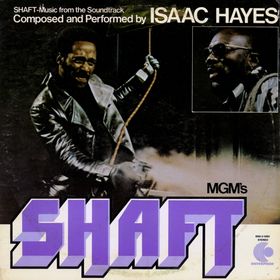
6.9 Isaac Hayes - Shaft

Isaac Hayes – Shaft (1971). Hey kids! Isaac Hayes was much more than Chef from South Park. The man was a musical genius who created one of the most enduring blaxploitation film soundtracks ever. Left put it succinctly, Hayes is a bad motherf-! “Shut your mouth!” I’m talkin’ by Isaac Hayes!

6.9 Janis Joplin - Pearl

Janis Joplin – Pearl (1971). Big Brother & the Holding Company may have put Janis Joplin on the map, this solo album was intended to mark her as one of her generation’s finest vocalists. This is the stuff of legends. “Me and Bobby McGee” and “Mercedes Benz” are the big ones.

6.9 Jethro Tull - Aqualung

Jethro Tull – Aqualung (1971). Let me be honest. This is the ONLY Jethro Tull album that I can sit through. But, for some reason, maybe it’s the humor in the title song, I like this one. This is the one time I could get into the use of a flute on a rock album. Plus, sometimes it’s just nice to hear some good cynical lyrics once in a while.
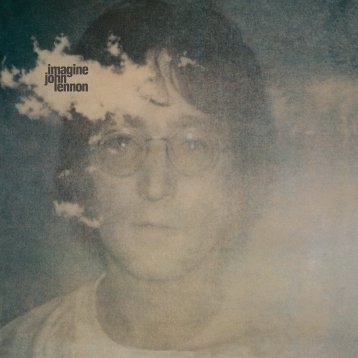
6.9 John Lennon - Imagine

John Lennon – Imagine (1971). Lennon put The Beatles in his rearview mirror on the previous album, so it was no surprise that he was going to make an major statement on this one. And, boy, did he ever! The title song is a secular hymn if there ever has been one. In all honesty, I think he became bigger with this album and song.

6.9 John Prine - John Prine

John Prine – John Prine (1971). The Bob Dylan of Appalachia released his debut and stuffed it full of his classics that you must hear before you die. There was a major reason that some many musicians of all generations paid tribute to the man after falling victim to COVID-19 in the spring. This is the album where your lesson in his songwriting should begin.

6.9 Joni Mitchell - Blue

Joni Mitchell – Blue (1971). Surprisingly, this album was Prince’s favorite. But, why not?! It’s is beautiful in its sparse sadness. This album happens to be Mitchell’s best album in a stellar career. The woman bares her soul on this album with songs like “A Case of You,” “California,” “Little Green” and “My Old Man.” Just a stunning display of vulnerability.

See you in a couple of days for the follow up!
1970, Part 3: My 1000 Favorite Albums

5.17 Top 1000 Albums_LI

Sorry about the delay on Part 3! My body has just not been cooperating. Let’s finish off 1970 today.

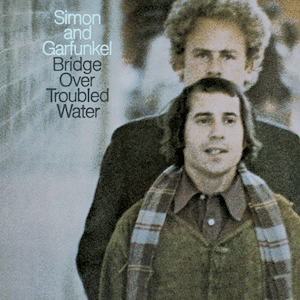
6.6 Simon and Garfunkel - Bridge over Troubled Water

Simon & Garfunkel – Bridge over Troubled Water (1970). What I possibly say about this album that has not been previously said. The album is mainly about the dissolution of a partnership. And as a final statement, this album is perfect. From the gospel title song to the rhythmic “Cecilia” to the poignant “The Boxer,” this album flexes and expands the strengths of the duo: their seamless harmonies and Paul Simon’s unerring songwriting.

6.6 Syd Barrett - The Madcap Laughs

Syd Barrett – The Madcap Laughs (1970). The tale of Mr. Barrett is a sad one indeed. The former Pink Floyd leader left the band after their initial success due to drug and mental health issues. And, throughout this album, you can hear the torment of all of those problems mixed with his brilliance at writing memorable pop/rock songs. If it wasn’t for his Floyd friends Roger Waters and David Gilmour (Syd’s replacement in the band), this album may never have seen the light of day.

6.6 J. Geils Band - The J. Geils Band

The J. Geils Band – The J. Geils Band (1970). Often unfairly touted as America’s answer to The Rolling Stones, The J. Geils Band, along with CCR, reminded everyone what R&B-based rock music would never die. The visual focus of the band was frontman Peter Wolf who was a dynamo in the live setting. However, it is the band that shines on their studio albums. And, nobody, I mean nobody, blows a rock harp like the one and only Magic Dick.

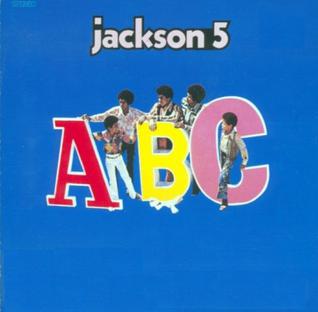
6.6 The Jackson 5 - ABC

The Jackson 5 – ABC (1970). The Motown magic stretched into the Seventies with this album by the now-famous family band. And nothing against Jackie, Jermaine, Marlon and Tito, but young Michael was the star. The title song, “The Love You Save,” and “One More Chance” are all the proof you need. The legend of Michael is solidified on the album and will only expand over time. Plus, it’s nice to hear his innocence, and ours, on vinyl every once in awhile.

6.6 The Kinks - Lola Versus Powerman and the Moneygoround, Part One

The Kinks – Lola Versus Powerman and the Moneygoround, Part One (1970). The Kinks were on a huge creative roll in the late-Sixties with brilliant depictions of the British common man, but it all comes to end with this fantastic album. Of course, the single “Lola” is the big one on this album, and rightfully so. What is so surprising to me is that the subject matter of the song (being courted by a transsexual) was able to garner radio play during such conservative times. Ironically, the only censorship that took place was Ray Davies had to replace the original “Coke Cola” phrase with “cherry cola” so he wouldn’t infringe upon trademarks.

6.6 The Rolling Stones - Get Yer Ya-Ya's Out!

The Rolling Stones – Get Yer Ya-Ya’s Out (1970). So, during the year in which The Beatles broke up, The Stones and The Who both released live albums. In the case of The Stones, I can barely listen to their live albums. Honestly, I’d rather listen to The Replacements on one of their drunken worst nights than some of those late-career live albums The Stones released while the were playing at their most bored (and boring). But, this one is the exception. They actually live up to their moniker of being the World’s Greatest Rock & Roll Band.

6.6 The Stooges - Fun House

The Stooges – Fun House (1970). On the band’s sophomore album, they were recorded live in the studio, which was a perfect way to emphasize their power house performances on vinyl. And, Iggy Pop was just beginning to blossom into his madman lead singer status, so this was the perfect venue for The Stooges. “T.V. Eye” and “1970” are the classic cuts on this one.

6.6 The Velvet Underground - Loaded

The Velvet Underground – Loaded (1970). This album’s legend is full of irony. First, it was the band’s first major label release. Next, it was an album that abandoned their legendary New York City streets-influenced lyrics for a more commercial appeal without forgoing their now-influential sound. And, finally, it became their most commercially viable album, all the while it was the band’s swansong. At least they proved the core vision of the band could be successful. Now, we are left to wonder only what might could have been if they had taken this approach sooner. Then again, would have VU had been as influential as they became if they did become commercial successful? Oh, and the whole Butterfly Effect…

6.6 The Who - Live at Leeds

The Who – Live at Leeds (1970). So, The Who were a little bit toast when they finished their tour band Tommy. So, instead of rushing back into the studio, the band, who was jonesing to play some rock music, packed up and headed to Leeds to record a live album. And, what they recorded was a version of The Who at their most intensely powerful and muscular. The band, as later released on the deluxe version of the CD, piledrived through their hits, various covers AND Tommy as if their very lives depended on this performance. The original vinyl version left out the Tommy stuff and focused on six of their punkiest performances. Brilliantly, the whole thing was packaged as a bootleg recording which only added to thrill of the album.

6.6 Traffic - John Barleycorn Must Die

Traffic – John Barleycorn Must Die (1970). Legend has it that the young Steve Winwood was prepping a solo album, when he decided to reconvene Traffic to have another go at it. And the result was perhaps their finest album as a band. Much as been made over the years how much of an influence The Who and The Kinks were an influence on Paul Weller and Britpop, but people should get a load of this album to discover just how much of a role Traffic has played into rock history.

6.6 Van Morrison - His Band & Street Choir

Van Morrison – His Band and the Street Choir (1970). Morrison got critical acclaim early with Astral Weeks. Then, in 1970, he hit commercial pay dirt with two albums, this one being the second of the year. His unique blend of American sounds, particularly R&B, with his Celtic background was, and continues to be, groundbreaking. The enduring “Domino” leads the way on this one.

6.6 Van Morrison - Moondance

Van Morrison – Moondance (1970). The first of two major albums released in 1970 by Van Morrison, Moondance announced to the world what a major artist he had become. Seriously, any album that contains a 1-2-3 punch of the title song, “Caravan” AND “Mystic Eyes” has got to be listed with the immortals.

Next time, we’re on to 1971. Peace!

1970, Part 2: My 1000 Favorite Albums

5.17 Top 1000 Albums_LI

A little perspective is needed here. In 1970, I ended my first grade year in elementary school and started my second grade year. What that means is my actual musical tastes at the time ran the gamut from the Banana Splits and The Archies to The Partridge Family and Bobby Sherman. However, on occasion, something by the likes of Elton John or George Harrison would break through my love of bubblegum music to slightly expand my music palette. And although I actually experienced only a few of these albums during their heyday does not diminish the impact of each one on my life and on rock history.

On with the countdown!

6.4 Elton John - Tumbleweed Connection

Elton John – Tumbleweed Connection (1970). What is the fascination of the Old American West in the minds of the older Baby Boomers? It’s probably due to all of those old Western TV shows and films they watched while growing up. Me? I preferred the sci-fi world of Wild, Wild West when I was a young lad. Anyway, the motif in the hands of great songwriters, such as Elton John and Bernie Taupin, the Old West can be a compelling metaphor for their lives up to this point in their careers. In all honesty, this might me one of their finest moments as an album, all the while it lacks a hit song. Go figure! A major album statement created by one of the all-time great hit-making songwriting teams.

6.4 George Harrison - All Things Must Pass

George Harrison – All Things Must Pass (1970). The quiet Beatle never really got much of his music on the Fab Four’s albums, but when he did, they were major statements. So, when it came time for George to release his first solo album, he had enough quality material for a triple album. When I was younger, I was a Lennon guy. But, when my older son began to learn to play a guitar, he got hooked on Harrison. One day I asked him why. His replay was simple, “I want to hear a musician, not a poet.” From that point onward, Harrison’s star rose with me.

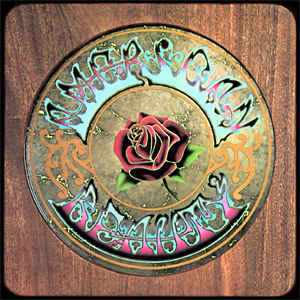
6.4 Grateful Dead - American Beauty

Grateful Dead – American Beauty (1970). The Dead released two absolute classic albums in 1970, and American Beauty is the standard barrier in the band’s illustrious career. It’s as if they decided they could one-up CSNY at their own game, which of course they did. Many of the great Dead songs are here, such as their theme song “Truckin’,” “Sugar Magnolia” AND, my personal fave, “Friend of the Devil.” This is perfect summertime music.

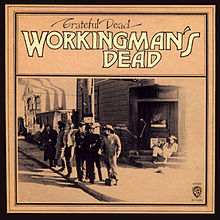
6.4 Grateful Dead - Workingman's Dead

Grateful Dead – Workingman’s Dead (1970). This is the first of the two landmark Grateful Dead albums dropped in 1970. It must have been a bit disorienting when the Dead Heads first heard the band’s new direction. Yet, it only expanded Dead Head Nation and laid the groundwork for the band’s future concert setlists. If you don’t own this album and American Beauty, your music collection is incomplete.

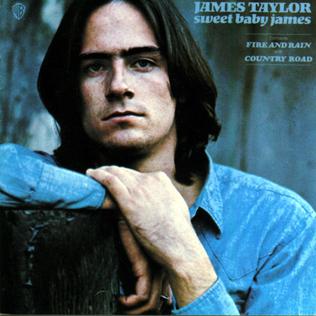
6.4 James Taylor - Sweet Baby James

James Taylor – Sweet Baby James (1970). Back in the day, James Taylor HAD to be a stud! Seriously! I don’t know a woman my age who still doesn’t swoon a bit when they hear a James Taylor song. And the man married Carly Simon too. I honestly don’t think the man understood his power at the time. Hell, did any of us guys realize it? Still, this one remains the best Taylor album because he was cutting through the crap and singing and playing the truth. Plus, drugs weren’t numbing his ability to channel the music gods yet.

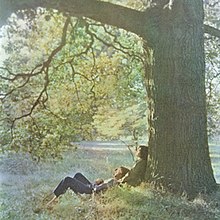
6.4 John Lennon - John Lennon Plastic Ono Band

John Lennon – John Lennon/Plastic Ono Band (1970). This album is not for the weak of heart, as it is John exorcising the demons of his past on one album. He attacks everything, from God to The Beatles to his childhood, releasing himself of as much pain as a person could on one album. If you are looking for “Strawberry Fields, Part 2,” you’ve come to the wrong place. However, if you want to take a journey with an artist coming to terms with all the good and bad things in his past, this album is your primal scream therapy.

6.4 Led Zeppelin - Led Zeppelin III

Led Zeppelin – Led Zeppelin III (1970). On the Zep’s first two albums, they helped create the whole classic rock sound. And, on Side One of this album, the foursome expanded upon that sound. But, the jarring thing happened on Side Two. When you flipped the record, you got some of the heaviest sounding acoustic music ever put to vinyl. That’s when you realized that these guys had much more depth than peers Black Sabbath. This remains my favorite Zeppelin album for that diversity.

6.4 Miles Davis - Bitches Brew

Miles Davis – Bitches Brew (1970). What’s a restless jazz man to do when all of the cool musical innovations are taking place outside of his niche? What Miles Davis did is to grab the more interesting sounds coming from popular music and integrate it into his sound. Davis grabbed some funk rhythms, a Hendrixian guitar sound, a little Sly Stone, a pinch of psychedelia and created something others called jazz fusion. But, this wasn’t the boring jams of the mid- to late-Seventies fusion, this was exciting poly-rhythmic, funk based sounds with flourishes of rock god guitar mixed with jazz keyboards and, of course, Davis’ ultra-cool trumpet.

6.4 Neil Young - After the Gold Rush

Neil Young – After the Gold Rush (1970). In 1969, Young had discovered a ragged rock band that became his muse called Crazy Horse. Now, in 1970, he discovered a teenage prodigy named Nils Lofgren (future E-Street Band member) who took this mix to yet another level on this album. Young is so prolific that he released this album before his transformed CSN into a powerhouse foursome.

6.4 Randy Newman - 12 Songs

Randy Newman – 12 Songs (1970). Unfairly, Newman was immediately lumped into the singer/songwriter category. The problem was Newman was much more cinematic in his songwriting, which is why he has made such an impact on soundtrack writing. But, when left on his own, Randy Newman is a master at creating a give-and-take between his New Orleans-influenced sound and his poignant, sarcastic, caustic lyrics. This album only hints at his greatness.

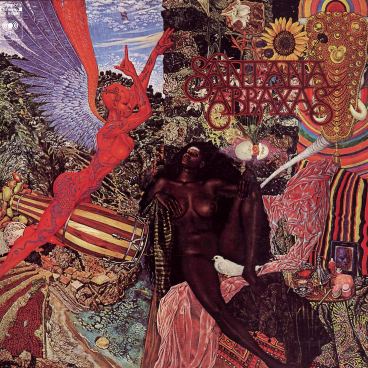
6.4 Santana - Abraxas

Santana – Abraxas (1970). So, Santana further expands the Latin-influenced rock/blues/jazz mix on this classic album. If you look at the cover alone, you might think this is something of a Hispanic version of Sgt. Pepper. But, nothing is farther from the truth. This is a set of terrific songs being played by one of the hottest bands in the world. The album is best known for the band’s covers of “Black Magic Woman/Gypsy Queen” and “Oye Como Va.”

Next time, we’ll finish off 1970! Peace to you all!

1970, Part 1: My 1000 Favorite Albums

5.17 Top 1000 Albums_LI

I realized a couple of things after the beginning of this list. First, you will quickly tell that I am a child of the late-Seventies and early-Eighties by the fact that I had less than 100 albums from the early years of rock music. I’m not really going to apologize because there is plenty of room for a more early Boomer-centric list, as displayed in lists by Rolling Stone or 1001 Albums You Have to Hear Before You Die. And that’s fine, because music truly is about our youth. Second, I discovered another box set compilation that I left out that should have been near the beginning of this list, even though it was released in the early-Nineties. So, I will be backing up a bit to acknowledge that one before I jump into the Seventies.

Therefore, let’s get this thing going.

6.3 Phil Spector - Back to Mono

Phil Spector – Back to Mono (1958-1969) (1991). Long before Phil Spector became a convicted murderer, the man was a pop genius record producer. The man was responsible for the famous production technique known as The Wall of Sound, which influence artists such as Bruce Springsteen and Brian Wilson. Spector’s production work can be heard on this box set in all of its glory, from “Spanish Harlem” and “He’s a Rebel” through “Be My Baby” and “Da Doo Run Run” all the way to “You’ve Lost That Lovin’ Feelin'” and “River Deep-Mountain High,” and all places in between. Hell, the set includes his seminal Christmas album which was unfortunately released the very day President Kennedy was assassinated. Unfortunately, the collection does not include something from his work on the Ramones 1980 album End of the Century or his work with The Beatles as a group and as solo artists. However, the work from his peak is all here.

6.3 Black Sabbath - Black Sabbath

Black Sabbath – Black Sabbath (1970). Yes, artists such as Led Zeppelin, Jeff Beck Group, Blue Cheer, Deep Purple, among others were all turning up the volume on their amps, but heavy metal really began with this album. The format is all here: banshee wail vocals, down-tuned guitar riffs, thunderous-yet-nimble rhythm section and B-movie horror lyrics. This is metal from the moment the needle hits the groove, becoming a HUGE influence across the decades.

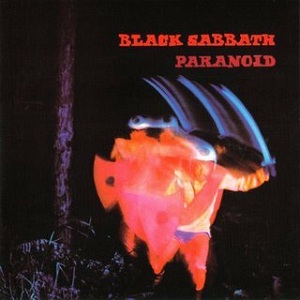
6.3 Black Sabbath - Paranoid

Black Sabbath – Paranoid (1970). So, what did Sabbath do for an encore after inventing heavy metal? They dropped a second, more polished and most influential metal album of all-time a mere seven months later. Four of the band’s classics are all found on the album, “Paranoid,” “Iron Man,” “War Pigs” AND “Fairies Wear Boots.”

6.3 Bob Dylan - New Morning

Bob Dylan – New Morning (1970). Dylan bounced back from the disastrous (but is it really that bad?) Self Portrait album with a more focused album that picks up with the laidback country vibe of the last two albums of the Sixties. Simply a great album for those slow moving mornings.

6.3 Carpenters - Close To You

Carpenters – Close to You (1970). Not every rebel in the Seventies was unshaven and unkempt. Actually, more of us looked as scrubbed and well-groomed as the Carpenters. So, stop groaning and listen to this album! Sure, the music is a little gooey, but, dammit, Karen Carpenter has the voice of a broken angel. It is the underlying pain in her soul that makes the darker lyrical material simply jump forth to grab your heart. Kiss my butt! The Carpenters rule!

6.3 Cat Stevens - Tea for the Tillerman

Cat Stevens – Tea for the Tillerman (1970). When I heard “Wild World” for the first time at age seven, I understood that this was a much different cat who did this one. Then, I got this album on 8-Track for Christmas, along with a vinyl Partridge Family album but I digress. I played the hell out of this tape until it broke a year later. Stevens was a premier artist of the time and here’s the proof.

6.3 Chicago - Chicago II

Chicago – Chicago II (1970). The band broke new ground the previous year on their debut double album. So, to follow it up, Chicago released yet another double album and actually upped the ante. For my money, this is the band’s greatest album in their huge catalog. This album has many of their early classics like “Make Me Smile,” the early-Seventies prom standard “Color My World,” and the immortal “25 or 6 to 4.” I saw the band perform this album live a couple of years ago and reawakened my respect for these rock survivors.

6.3 Creedence Clearwater Revival - Cosmo's Factory

Creedence Clearwater Revival – Cosmo’s Factory (1970). Seriously! Outside of Lennon and McCartney at the beginning of Beatlemania, who had a greater two-year run than the great John Fogerty? C’mon! All of CCR’s classic songs were released in a two-and-a-half year time period. For my money, this is their studio album to own, since it contains “Lookin’ Out My Back Door,” “Who’ll Stop the Rain” and “Travelin’ Band.”

6.3 Creedence Clearwater Revival - Pendulum

Creedence Clearwater Revival – Pendulum (1970). Unfortunately, the music business cut this hit machine short. The band’s sound is still crisp and forceful, but the inter-band dynamics were horrible and their management was even worse. But, before the band imploded, they dropped one more classic album with the immortal “Who’ll Stop the Rain?”

6.3 Crosby, Stills, Nash & Young - Deja Vu

Crosby, Stills, Nash & Young – Dèjá Vu (1970). Shortly after releasing their debut album, the law firm-sounding band of David Crosby, Graham Nash and Stephen Stills added the mercurial Neil Young to the roster. The lineup debuted at Woodstock, then began work on this landmark album. This is nearly a greatest hits album, and the band’s most cohesive work of any variation of this great group.

6.3 Derek & the Dominos - Layla

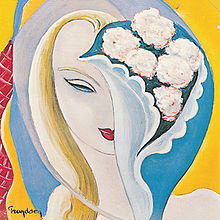
Derek & the Dominos – Layla & Other Assorted Love Songs (1970). After begging The Band to add him to their lineup, then playing the sideman to Delaney and Bonnie, Eric Clapton grabs that duo’s backup band and added some friends (most notably Duane Allman) and recorded these songs of unrequited love. You see, Eric was in love with his best mate’s (George Harrison) wife, the beautiful Patty Boyd. Instead of acting upon this heart-rendering situation, Clapton instead creates this beautiful blues-infused album of confessional love. The highlights include two of Clapton’s most enduring songs, the title song and “Bell Bottom Blues.”

I have several more albums from 1970 for the very near future. Stay tuned!


The Last of the 1969 Albums on My 1000 Favorite Albums List

5.17 Top 1000 Albums_LI

Seriously, do things really have to get worse? I mean, it’s not enough that we are in the midst of the worst pandemic in one hundred years and the leadership of this country refuses to view its citizens as human beings, which as led to thousands more deaths than should have ever happened so quickly. But now, we have racial tensions blowing up everywhere? It’s simply too much! This country appears to be run by the lunatics.

Before my last teaching job, I had been pretty been a white teacher teaching white kids. Nothing wrong with that because I had more in common with the poor kids than the wealthy ones, even though my parents were college education. They were teachers who had been vastly underpaid early on in their careers, so, much like they did, I kind of embraced their working class values. Initially, when I began teaching at a very affluent high school, I was experiencing culture shock. When that school was split into two schools, I went to the new one.

It was at that high school where I actually got my education in multiculturalism, true sexual identities and tolerance. Today, many of the former students and athletes with whom I am closest are not from the same race, social standing or sexual identity as me. Back during these final years of my education career, I used to laugh that I was teaching the U.N. as I had students originally hailing from all areas of the U.S. and all over the world. But, the one thing I really noticed about all of them was, no matter their background, they were all silly teens. And, that’s what matter to me the most which made me determined to reach them.

So, what did I do? I focused on two things. First, I was going to learn as much from them as they did from me. And, second, I was going to try my best to treat them all the same. That simply meant that I expected the same effort from them but would show them compassion when needed. Also, I just kept to my self-deprecating humor in order to attempt to defuse any built in tension. I played up the irony that a guy who seems like a hick from a redneck town could possibly be teaching these highly intelligent kids from different cultures. I feel as though playing up my cultural stereotypes and making fun of it helped us all bridge the gaps between our cultures. Somehow, we connected.

So, when I see the tensions building between different segments of our society, it really pains me now. We cannot be pointing our fingers at each other and bitching about our differences. So, when what happens in Louisville or Minneapolis, as the most recent examples, I feel the pain much more acutely today than I did two decades ago. I know the African-American community is hurting, as I feel it too. I know the LGBTQ+, Muslim-American, rural white, Asian-American, Jewish, and all the other communities are troubled and scared as well. And, I feel it even more when my former students are posting things on social media that expresses their troubled souls.

But, empathy is not enough. Nor is a simple celebration of our differences. I strongly believe that are our similarities are what should be celebrated. I am sick of the finger pointing and the violence toward one another. As England Dan and John Ford Coley once sang (it’s a Todd Rundgren song!), “Love is the answer.”

Sorry! I just needed to get this off my chest. Plus, I really didn’t want the trolls on social media ruining this thought. Anyway, let’s finish off the Sixties portion of my huge list of albums.

5.29 The Band - The Band

The Band – The Band (1969). The former backing band of Bob Dylan reach their creative pinnacle on this album that examines the culture of rural American more deeply than on their debut the previous year. It’s also the last album on which The Band actually sounds unified. This album has classics like “Up on Cripple Creek,” which was their only Top 40 hits, believe it or not, and “The Night They Drove Old Dixie Down,” which became a surprise hit for Joan Baez. This album gave birth to the whole Americana movement of the late-Nineties up to today.

5.29 The Beatles - Abbey Road

The Beatles – Abbey Road (1969). This was the more fitting epithet for The Beatles than Let It Be was since Abbey Road was actually the band’s final creative work together. Everyone remembers the hits: “Something,” “Here Comes the Sun,” “Come Together” and “Octopus’s Garden.” But, we all know the real highlight is Side Two’s medley. You just knew the Fab Four was not long for the world by the end of the album.

5.29 The Flying Burrito Brothers - The Gilded Palace of Sin

The Flying Burrito Brothers – Gilded Palace of Sin (1969). So, after inventing country rock with the International Submarine Band and The Byrds, then partying and writing with The Rolling Stones, Gram Parson goes to California to put together arguably the greatest country rock combo of all-time. At least, they were on this album. To me, this is the true sound of country rock and not the Eagles, who were countryish pop in my book. Or, maybe Parsons & his Burrito Brothers were truly making American Cosmic Rock? Time for a bit of honesty: I got into this band because of Elvis Costello’s Almost Blue album, his collection of country songs. My favorite song on that album was “I’m Your Toy” which is The Flying Burrito Brothers’ timeless song “Hot Burrito No. 1,” which Elvis re-titled.

5.29 The Kinks - Arthur

The Kinks – Arthur (Or the Decline of the British Empire) (1969). Man, could Ray Davies ever tell a story. And, since Face to Face, he has been tackling British culture so compassionately and thoroughly not only in a lyrical sense, but in a musical history narrative as well. This album only continued The Kinks’ hot streak of the last half of the decade. As I have said before, everyone from Paul Weller to Madness to The Stone Roses to the whole Britpop movement owe their whole careers to segment of The Kinks’ career.

5.29 The Rolling Stones - Let It Bleed

The Rolling Stones – Let It Bleed (1969). So, what happens to a band whose original creative force unexpectedly passes away? That’s what happened to The Stones upon the death of guitarist Brian Jones. But, the band grabbed Mick Taylor and continued working on another classic album. The tracklist of this album nearly reads like a greatest hits package, as it contains such classic rock standards as “You Can’t Always Get What You Want,” “Midnight Rambler” and arguably the greatest Stones song “Gimme Shelter.”

5.29 The Stooges - The Stooges

The Stooges – The Stooges (1969). The other proto-punk album released in 1969, The Stooges’ lineup contained one of rock’s more intriguing characters, Iggy Pop, who personified all things punk both in life and on the stage. I think it was required that all Seventies punks had to play “I Wanna Be Your Dog” and “No Fun” live. There is a reason this band is in the Rock & Roll Hall of Fame, and this album just scratches at the surface of that reason.

5.29 The Temptations - Cloud Nine

The Temptations – Cloud Nine (1969). Motown is full of so many cool artists, but The Tempts have always stood head and shoulders above all of them, save for Stevie Wonder. The reason? They took chances in the late-Sixties, setting the stage for Marvin Gaye and Wonder’s fantastic political statements during the next decade. The Tempts took bits and pieces from James Brown, Sly Stone, psychedelia music, added their silky smooth harmonies and brought the Motown sound into the future once again. “Cloud Nine,” with that stunning Wah-Wah guitar sound, and “Runaway Child, Running Wild” bring Motown into the Civil Rights age.

5.29 The Velvet Underground - The Velvet Underground

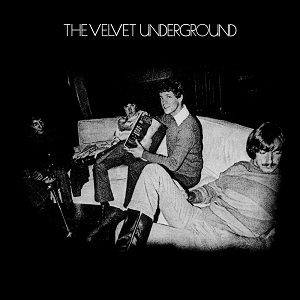
The Velvet Underground – The Velvet Underground (1969). After two loud and abrasive albums for their time, The Velvets went a little softer, allowing the songs to breathe a bit, which sounds as jarring as their first two albums did. By allowing the songs some room, now your can fully appreciate just how beautiful their music was all along. “Pale Blue Eyes” remains one of my all-time favorite songs, and it seems like it has been covered by everyone.

5.29 The Who - Tommy

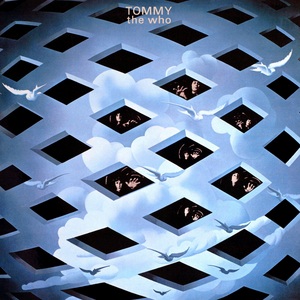
The Who – Tommy (1969). It’s not the first rock opera. That honor goes to The Pretty Things with the very strange S.F. Sorrow, which a record store clerk tried to get me to purchase back in the early Eighties (I should have listened to him). But, it was the first one to catch on with the public. So, much of it sounds dated (that deaf, dumb and blind kid) and Uncle Ernie (“Fiddle About”) is way too creepy now, but there is something magical and quaint about the album. Even though I much prefer the band’s later rock opera effort, Quadrophenia, I still love so of the songs, especially “Pinball Wizard.” And, the album did make for a pretty freakishly entertaining film.

And, that wraps up the Sixties portion of the list of My 1000 Favorite Albums. Of course, the closer we get to 1975, the more passionate I will become about these albums. Anyway, enjoy your weekend!

It’s Part 2 of 1969’s Portion of My 1000 Favorite Albums of All-Time

5.17 Top 1000 Albums_LI

I really don’t have any words of “wisdom” or interest. Let’s get another ten albums done today.

5.25 Grateful Dead - Live Dead

Grateful Dead – Live/Dead (1969). According to legend, the best way to experience The Dead was in the live setting. So, it figures that their first live album was their best. Still, it did set up the public for the band’s two finest studio albums, which were both released in 1970. If you truly think about it, The Dead could have only happened in the States since their sound was a laidback amalgamation of American music.

5.25 Isaac Hayes - Hot Buttered Soul

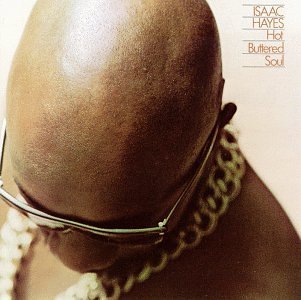
Isaac Hayes – Hot Buttered Soul (1969). Here is the sound of Seventies soul a year early. Actually, this album not only birthed soul but also had a hand in disco. The music is string-laden which accentuates its sexiness. Where else kind you get a twelve-minute version of Dionne Warwick’s “Walk On By” AND an 18-minute suite of Glenn Campbell’s “By the Time I Get to Phoenix” dripping with the sweat of a sex machine on the dance floor.

5.25 King Crimson - In the Court of the Crimson King

King Crimson – In the Court of the Crimson King (1969). Of all the prog rock bands out there, King Crimson is the darkest and the best. And, this is their finest moment. Sure, I enjoy stuff by The Moody Blues, Yes, Genesis, Jethro Tull and the rest, but this is the one album that remains enthralling to this day. From Robert Fripp’s guitars to John Wetton’s bass to Ian MacDonald’s sax, this is the most interesting album that excessively pushes the boundaries of rock music.

5.25 Led Zeppelin - Led Zeppelin

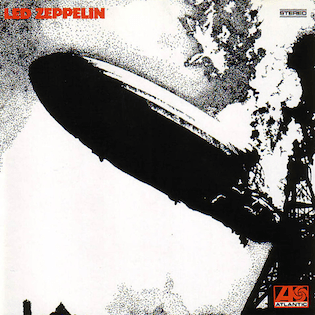
Led Zeppelin – Led Zeppelin (1969). Jimmy Page, former Yardbirds guitarist and Zep’s creative visionary, took the sound of the Jeff Beck Group and set the thunderous music behind the soaring banshee vocals of Robert Plant. This stuff set the music world on fire and influenced the sound of rock well into the Nineties. Still, the heavy blues band were to attain greater heights in the very near future.

5.25 Led Zeppelin - Led Zeppelin II

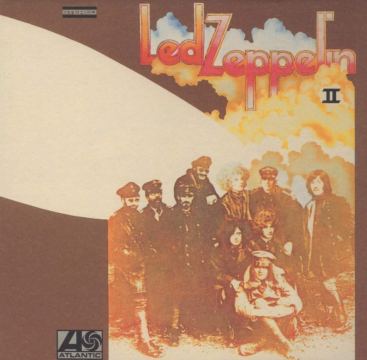
Led Zeppelin – Led Zeppelin II (1969). I often wonder what it would have been like to have discovered Led Zeppelin in chronological order. Instead, like most my age and younger, discovered the band through their later albums and went backwards. Regardless, this album was a huge leap forward from their debut from earlier in 1969. You know the album is great when it contains a monster like “Whole Lotta Love.”

5.25 Leonard Cohen - Songs from a Room

Leonard Cohen – Songs from a Room (1969). Cohen beats the sophomore jinx with another fantastic set of great songs that includes “Bird on the Wire,” “Lady Midnight” and “Story of Isaac.” It might be a slight step-down from his 1967 debut album, but Songs from a Room makes a solid argument for his greatness.

5.25 MC5 - Kick Out the Jams

MC5 – Kick Out the Jams (1969). Isn’t it funny that punk rock was invented in Detroit and not New York City nor London. Here is the first of two landmark punk albums from Motor City bands. MC5 were the militant originators of the punk scene, while their cohorts The Stooges were the emotional counterparts. Sure, it’s always uncomfortable when so-called socialists find themselves on a major label (the very same albatross around the necks of The Clash and Rage Against the Machine). We needed their voice, even if we didn’t know it at the time. Anyway, who releases a live album as their debut? A punk band, that’s who!

5.25 Neil Young - Everybody Knows This Is Nowhere

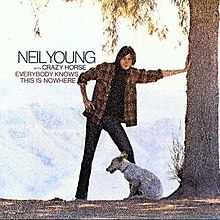
Neil Young – Everybody Knows This Is Nowhere (1969). People forget that this album was NOT Neil Young’s solo debut. That one was released FOUR months earlier and was highly polished. Now, the former member of Buffalo Springfield, connects with a ragged rock trio called Crazy Horse, and together they change the course of rock. Now, Neil is cutting loose with loud, seemingly sloppy, very grungy and altogether glorious rock music that will be influencing future rockers well into the 21st century. Included on the album, you get three Neil Young classics in “Down by the River,” “Cowgirl in the Sand” and the immortal “Cinnamon Girl.”

5.25 Santana - Santana

Santana – Santana (1969). Before their performance at Woodstock, Santana was a little-known Latin-tinged blues band from San Francisco. Then, the band performed and blew away the crowd with soaring guitar solos, manic drumming and the playing of a couple of future Journey founders. “Evil Ways” may be the big hit, but this album also contains classics such as “Jingo,” “Soul Sacrifice” and “Waiting.” By the way, Prince said his guitar sound is based on Carlos Santana’s.

5.25 Sly & the Family Stone - Stand

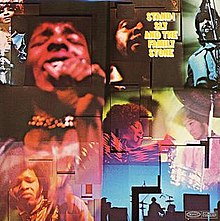
Sly & the Family Stone – Stand! (1969). Released a couple of months before the band’s transcendent Woodstock performance, Stand! remains a landmark album in their evolution of a rocking funk band. Sly & the Family Stone were known for being an integrated band, both in sound and in the fact that the members were both black and white. This is the band whose vision Prince co-opted for the Revolution and all subsequent bands. Plus, they tackled the civil rights questions directly on “Everyday People” and “Don’t Call Me Nigger, Whitey.” Throw in the title song, “Sing a Simple Song” and the anthem “I Want to Take You Higher” (the Woodstock version was a show stopper!), and you have one terrific album for a year packed with them.

If all goes well, I’ll close out the Sixties tomorrow. Then, it’s on to the decade that started this obsession of mine, the Seventies. Peace!

The History of Rock Albums: My Favorite 1000 – 1969, Part 1

5.17 Top 1000 Albums_LI

After the stress of 1968, the last year of the Seventies (although I will maintain that year should be 1970, but I digress) began serene and even a bit historical. Sure, the Vietnam War was being escalated by the Nixon Administration even though Tricky Dick actually ran for president under the guise that he would bring the boys back home; yet, we had the moon landing in July, followed by a magical confluence of time during a large musical festival called Woodstock. Unfortunately, that euphoria was countered at the end of the year with the arrest of Charles Manson and his cult followers for the murders of five people, including a pregnant actress named Sharon Tate, as well as the tragic events of The Rolling Stones’ attempt at a large musical festival at the Altamont Speedway near San Francisco that resulted in the stabbing death of a young fan by the Hell’s Angels “security” detail.

Still, with the mixed bag of events, the music released during that calendar year was epic. So epic, I will take multiple days to get through the cornucopia of noteworthy albums on my list. So, let’s get this going!

5.25 Bee Gees - Odessa

Bee Gees – Odessa (1969). Is this double album the Brothers Gibb’s Sgt. Pepper? Quite possibly. What is important to note is that this is the Bee Gees’ finest moment of the Sixties. The songs are rich, complex and memorable. This will remain their landmark of their pop music era, a half decade ahead of the whole disco transformation.

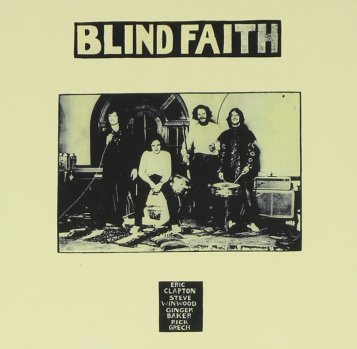
5.25 Blind Faith - BF

Blind Faith – Blind Faith (1969). This album answers the unasked question of what happens when you take the guitarist (Eric Clapton) and drummer (Ginger Baker) and put them together with wunderkind Steve Winwood and Rick Grech of Traffic and form one of the most talented supergroups ever. Let’s simply say that this album remains the best album in any of the foursome’s individual catalogs. Unfortunately, this was the band’s first and final official release. The album is notorious for the unfortunate album cover, which takes away from a fantastic album.

5.25 Bob Dylan - Nashville Skyline

Bob Dylan – Nashville Skyline (1969). So, Bob Dylan suffers a serious motorcycle accident two years ago, and the public anticipation for this album was high. What we got was a country album recorded in Nashville with some of country music’s hottest hired guns. The transformation was stunning at the time, but it displayed the growth and mastery of many forms of music that Dylan had at his disposal. Unfortunately, Dylan would soon go into a creative funk until the mid-Seventies.

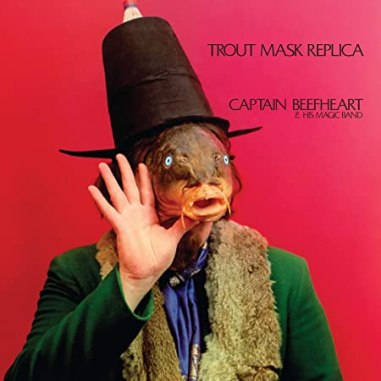
5.25 Captain Beefheart - Trout Mask Replica

Captain Beefheart & His Magic Band – Trout Mask Replica (1969). This album takes some patience to get through one time let alone enough times to fully understand what the hell is going on. While the music sounds unprofessional and abstract and unrehearsed, it was all highly choreographed and structured. The music is jarring and unsettling, which reflected the conditions under which the Captain taught his band members. I cannot begin to even list all of the future artists that list this album as an influence because that list would run from Sonic Youth to Camper Van Beethoven to Pixies to Nirvana, either directly or indirectly.

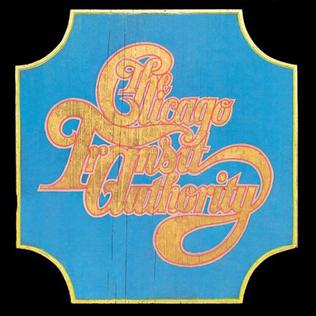
5.25 Chicago - CTA

Chicago – Chicago Transit Authority (1969). Many of you think you know the band Chicago. Let’s just say that did NOT begin as a soft rock ballad band. As a matter of fact, guitarist Terry Kath remains one of the most underappreciated rock guitar gods of all-time. The man was a musical genius who, much like Brian Wilson before him, could only describe or sing the music in his head to the rest of the band without the ability to write the charts. Unfortunately, drugs, alcohol and an unfortunate penchant for guns led to his untimely death in 1978. Oh, yeah! This rest of this rocking jazz-influenced band was so hot that none other than Jimi Hendrix was a major fan.

5.25 Creedence Clearwater Revival - Bayou Country

Creedence Clearwater Revival – Bayou Country (1969). Talk about a band whose star burnt bright and quick, CCR released not two but three great albums during 1969. And, they were all full of hit songs! This album has the title song and a number that has nearly been hijacked by Ike & Tina Turner called “Proud Mary.”

5.25 Creedence Clearwater Revival - Green River

Creedence Clearwater Revival – Green River (1969). Released a couple of weeks before their stellar Woodstock performance, John Fogerty’s songs reached a creative peak that would burn for another year. What can you say about an album that contains “Bad Moon Rising”?

5.25 CCR - Willy and the Poor Boys

Creedence Clearwater Revival – Willy & the Poorboys (1969). The third album of the great CCR 1969 trilogy just might be the band’s best. This San Francisco band who bucked the psychedelia trend of the city’s music seen by taking on a swampy traditional rock sound perfected the veiled face slap political comment with “Fortunate Son.” Then, CCR turned around and created the foundation for the early career of The Doobie Brothers with “Down on the Corner.” CCR had to be the band of the year in 1969.

5.25 CSN - CSN

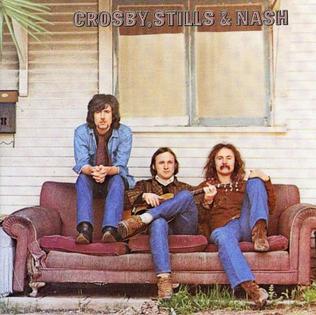
Crosby, Stills & Nash – Crosby, Stills & Nash (1969). Crosby left The Byrds, Stills left Buffalo Springfield and Nash left The Hollies. And they came together to record an album best known for the trio’s impeccable vocal harmonies. Their influence continues on in the work of most notably Fleet Foxes and, maybe, Bon Iver.

5.25 Dusty Springfield - Dusty in Memphis

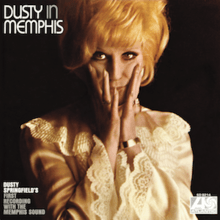
Dusty Springfield – Dusty in Memphis (1969). Someone had the audacity to bring the UK’s finest female soul singer to Memphis, the heart of Southern USA soul, to record an album whose stature only continues to grow over time. This album just might be my favorite from this stellar year. Classic songs are stuffed on this album, which almost makes it play like a greatest hits album. My favorites are “Son of a Preacher Man,” “Breakfast in Bed,” “Just One Smile” and, best of all, “Just a Little Lovin’.” Every budding female contestant on those stupid TV singing contest shows should be required to listen to this album in addition to Etta James’ At Last! Make a rule that we will take away all of your Whitney Houston and Mariah Carey albums unless you do some research! For Chrissakes!

Sorry people, but 1969 will take some time. Later!

My 1000 Favorite Albums – 1968

5.17 Top 1000 Albums_LI

If you know your history, 1968 was a very tumultuous year. From the assassinations of Martin Luther King Jr. and Robert Kennedy to the USSR invasion of Czechoslovakia to the mass murder of protesting students in Mexico to the Civil Rights fight in the USA to the violent demonstrations in Chicago during the 1968 Democratic Convention to the US black athletes protests before and during the Summer Olympics, there just seemed to have been civil unrest throughout the world. Dylan had put succinctly when he sang that the times were a-changing. And, the music of the time reflected what was happening.

Basically, not unlike today, we were witnessing a clash of ideas. Would the society continue down a road of progressive ideas or would it tighten things up and attempt to put everything back into an order that made people feel comfortable? As we now know, it was the latter. Today, it seems to be working in the opposite direction, especially here in the States: will society be every man (or woman) for himself (herself), or will we find a unity?

In 1968, the music reflected much of the same thought. On one hand, you have The Beatles looking backward a bit, giving each member a side to express his creative needs, all the while, The Velvet Underground were moving forward into a new frontier. And, in between those extremes were all kinds of mixed signals. For example, many conservatives were comforted by Johnny Cash’s reemergence although he was speaking to progressive ideas. Similarly, liberals were taken by the music of Bob Dylan proteges The Band’s music but missing the whole expression of the angst felt by people throughout the American South.

Now, with over 50 years of hindsight, we can truly put the finest music of that year into some proper prospective, with the romanticism that will infect my era of 1975 through 1995. At least I can admit that. Perhaps, that is what will always make rock music so great is that it will appeal to the young so viscerally. Once day, it will take my boys to put my era’s music in proper perspective since I am probably too close to it. And, that, my friends, is the way it should be done.

Anyway, let’s do this thing!

5.24 Aretha Franklin - Lady Soul

Aretha Franklin – Lady Soul (1968). Aretha took the title of the Queen of Soul with this album. Much as she had done with “Respect,” Franklin re-imagined Gerry Goffin and Carole King’s “(You Make Me Feel Like) A Natural Woman” into a woman’s power moment. By taking a simple pop song and turning it into a sexually-charged statement of woman empowerment, Franklin put her foot down that she was not going to take it anymore. And the whole album, as well as her career trajectory, followed suit.

5.24 Big Brother & the Holding Company - Cheap Thrills

Big Brother & the Holding Company – Cheap Thrills (1968). After the band burst onto the scene during the previous year’s Monterrey Pop Festival, much was expected by this San Francisco psychedelic blues band. Fronting the band was a talented but hard-living leather-lunged blues belter named Janis Joplin. And, the musicians were no slouches either. With songs like “Piece of My Heart” and “Ball and Chain” anchoring the album, it seemed obvious that Janis’ star was going to eclipse her band, for better or for worse.

5.24 Blood, Sweat & Tears - Child Is Father to the Man

Blood, Sweat & Tears – Child Is Father to the Man (1968). In the post-Sgt. Pepper rock world, all ideas were on the table. The Moody Blues and Procol Harum ushered in a thing called progressive, or prog, rock. Now, musicians were seeking to incorporate elements of all kinds of music into their sound. So, when keyboardist Al Kooper put together BS&T, he was out to mix elements of the blues, rock, classical and jazz into his band’s sound. And, in doing so, BS&T set the stage for a commercial juggernaut called Chicago. Unfortunately, Kooper did not stick around for the huge commercial success that was in store for the band.

5.24 Jeff Beck Group - Truth

Jeff Beck Group – Truth (1968). After Clapton’s success with Cream, the reputation of The Yardbirds’ ghost got a further boost upon the release of this album. Beck build the foundation for the heavy rock sound that his fellow former Yardbird guitarist graduate Jimmy Page would ride in Led Zeppelin. Furthering Beck’s reputation was his discovery of future Faces and Rolling Stones guitarist Ronnie Wood and vocalist extraordinaire Rod Stewart. This group did everything that Zep became famous for a whole year earlier by using a thunderous rhythm section and a re-imagining of Willie Dixon blues numbers into a proto-heavy metal sound. Simply think of a pre-cheesy Rod Stewart fronting the Zep with a guitarist who can literally make a guitar sound any way he wants, and you have the Jeff Beck Group.

5.24 Johnny Cash - At Folsom Prison

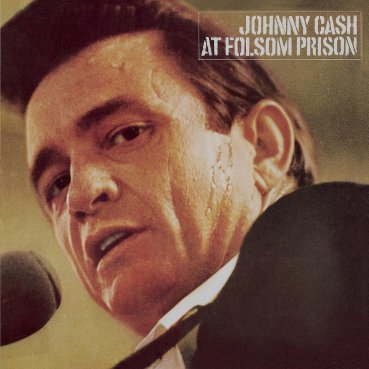
Johnny Cash – At Folsom Prison (1968). Next to Tina Turner’s 1984 comeback, this is rock’s second greatest return to form. Before this album, Cash was a down-and-out drug addict was creatively adrift. However, it was letters from prisoners and other so-called losers in life who revived Cash’s musical passion. He realized that he spoke for all the outcasts in the world. So, he started his comeback by recording this album in the very prison he once sang about. The great thing is that the prisoners’ reactions are real and sincere, not doctored. And, of course, Johnny was simply badass. This album is rock music stripped to its renegade essence, even though it appealed to the country crowd. I often wonder if the general population actually heard his lyrics.

5.24 Laura Nyro - Eli and the Thirteenth Confession

Laura Nyro – Eli and the Thirteenth Confession (1968). I must confess that I was originally pissed when I read that Laura Nyro was being inducted into the Rock & Roll Hall of Fame as a performer and not a songwriter. Honestly, I LOVE all of the 5th Dimension and Three Dog Night versions of her songs, like “Stoned Soul Picnic,” “Eli’s Comin'” and, most spectacularly, “Wedding Bell Blues.” Then, I heard this album, and all that vitriol was removed. This is the point where the confessional singer/songwriter genre was born. Nyro’s vocal and lyrical honesty are accompanied by minimal music landscapes that do two things. First, it enhances her sound, and, second, nods to the greatness of Leonard Cohen’s debut album the year before.

5.24 Simon and Garfunkel - Bookends

Simon & Garfunkel – Bookends (1968). Oh, Paul Simon, you sly little booger! When I was a teen, I wrote your stuff off as easy listening crap. Then, as I hit my twenties, I thought, “My God! This man is brilliant!” How could you do that to me? Oh, how insidious you are to draw my parents into your music, yet use your lyrics to influence us youngsters. You must be sitting with Lorne Michaels, just knowing how you two did not change YOUR generation, but MINE! Sure, my five-year-old self LOVED “Mrs. Robinson” yet was not ready for the very same cynicism I would one day feel about this country all ready expressed by you in “America.” Then, you let The Bangles redo “A Hazy Shade of Winter” to be used in a film indicting my generation’s initial run from taking reigns of society, Less Than Zero. You have always been twenty steps ahead of everyone when the ignorant actually believe you are a couple of decades behind. Better late than never!

5.24 The Band - Music from Big Pink

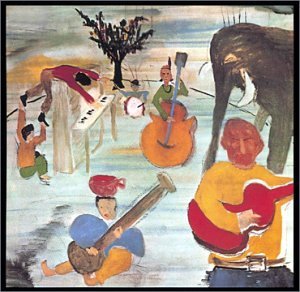
The Band – Music from Big Pink (1968). I will never be able to sing the praises of The Band loud enough. These five men were the most individually talented men, with three of them able to handle lead vocals. And, when they sang together, it was never in harmony, but as if each voice were straining to take the reigns of the song from the other members, much like their vocal heroes The Staple Singers. And how does four Canadians and an American from the South create the definitive sound of a genre we now call Americana? They will go on to perfect this sound on their next album, but the groundwork was completed here. This album includes their version of the Dylan standard “I Shall Be Released,” with some of the most heartbreaking vocals by Richard Manuel, and the legendary “The Weight,” during which Levon Helms and Rick Danko trade leads. What a debut album!

5.24 The Beatles - The Beatles

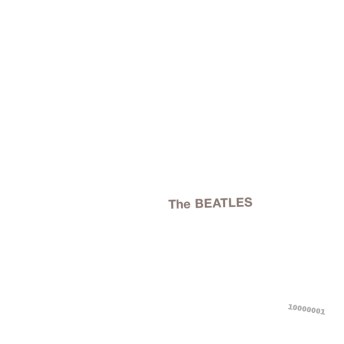
The Beatles – The Beatles (aka ‘The White Album’) (1968). Recently, Todd Rundgren stated that this album was the least Beatle album. And, he meant that this was the sound of the band at its most estranged, with each member playing as a backing band for the other. Camaraderie is dead on this album. And, it you throw out some of the stupid songs (“Rock Raccoon”) and the experimental montages (“Revolution #9”), you might have a decent album. But, to my ears, this is a case of “more is more,” not necessarily quality. But, when the boys are on, they are transcendent, such as George’s “While My Guitar Gently Weeps” or Paul’s Beach Boys ode “Back in the USSR.” Still, it’s The Beatles, so it is a major statement.

5.24 The Byrds - Sweetheart of the Rodeo

The Byrds – Sweetheart of the Rodeo (1968). The Byrds were ready to spread their wings, so to speak, and move on from the folk rock sound they helped birth. So, they turned to Gram Parsons, visionary leader of the country rock innovators The International Submarine Band, who helped the band move toward said sound. Parsons had joined the band to replace a departed David Crosby. While many maintain Parsons exerted his creative control over the band, that wasn’t the case as future McGuinn and Hillman projects all had that country rock sound. This album set the stage for the highs of other Parsons projects, The Flying Burrito Brothers and his solo career, and the Nitty Gritty Dirt Band, as well as the more poppish sounds of the Eagles.

5.24 The Jimi Hendrix Experience - Electric Ladyland

The Jimi Hendrix Experience – Electric Ladyland (1968). This was Hendrix most visionary album, period. On it, you hear Hendrix taking the blues in all sorts of directions that would influence disparate artists like George Clinton’s Parliafunkadelicment Empire, Sly & the Family Stone, Prince, Rick James, Earth, Wind & Fire, Red Hot Chili Peppers, to mention but a few. For my money, this is the Hendrix album to own.

5.24 The Kinks - The Kinks Are the Village Green Preservation Society

The Kinks – The Kinks Are the Village Green Preservation Society (1968). While this album lacks the big hit song that will be remembered for perpetuity, this just might be the band’s most cohesive album statement. This album has taught me more about a romanticized English life than any book every could evoke. That’s what makes this album such a delightful listening.

5.24 The Rolling Stones - Beggars Banquet

The Rolling Stones – Beggars Banquet (1968). After a quick detour through some psychedelic crap, The Stones rediscovered their Chuck Berry/Blues-influenced sound, embraced a huge dose of darkness to plow a path into their most creatively satisfying period. And it all begins on this albums first track, the tongue-in-cheek “Sympathy for the Devil.” That track sets the tone that The Stones were ready to take rock into a new, more dangerous direction. If the opening track didn’t warn you, then everyone’s ears perked upon their first listen to their eternal paean to social unrest “Street Fighting Man.” The gauntlet had finally been thrown down that the youth were not settling for the status quo.

5.24 The Small Faces - Ogdens' Nut Gone Flake

The Small Faces – Ogdens’ Nut Gone Flake (1968). Everyone was making a psychedelic album back then, so why shouldn’t The Small Faces? But this album is not just another concept album, it is a masterpiece of the moment. Maybe, it’s impact has been lost over time, as Sgt. Pepper and even Tommy have established themselves as the anchors of a Mount Rushmore of the concept album. But this forgotten gem should be unearthed and given new life. Like its brother of a different mother, The Village Green Preservation Society, it tells the story of British life that never really happened. The album is packed with terrific songs, though “Lazy Sunday” remains my personal favorite.

5.24 The Velvet Underground - White Light White Heat

The Velvet Underground – White Light/White Heat (1968). So, in 1967, The Velvets invented punk rock. Here, the band jettisons Nico and subsequently invents post-punk rock. There is nothing else that I can say about this album. Of course, it barely sold any copies until my generation of musicians heard it. It’s dark, scary, abrasive yet beautiful, all at the same time.

5.24 The Zombies - Odessey and Oracle

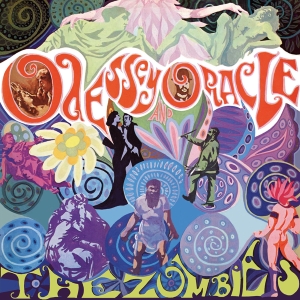
The Zombies – Odessey and Oracle (1968). Talk about a slow-burner, this album was delayed until the band had broken up and never really found an appreciative audience until LA’s Paisley Underground scene gave the album its due in the mid-Eighties. And, now, it is considered a classic of baroque pop and rock. Best remembered for the sexy hit song “Time of the Season,” this album is actually one of the best things of the Sixties. I cannot oversell it.

5.24 Van Morrison - Astral Weeks

Van Morrison – Astral Weeks (1968). No one bought this album back in the day. It had NO hit songs. No one played it on the radio. Yet, today, this is considered to be Van Morrison’s greatest musical statement. So, what gives? This mystical blend of jazz, rock, Celtic and soul music it a beautiful statement. This IS art. Listen to it out in the country, in the deep woods, on the beach, in your bedroom. I don’t care! Just like to it as a more vanilla version of this sound will become elevator Muzak and New Age music (is there really a difference?) but long after the essence of this music has been removed. Even though I feel asleep to this album EVERY damn time, it’s not because it’s horrible or boring. Nay! It’s beautiful, relaxing and pastoral. Everyone I have recommended this to has said the same thing.

See you later!

My 1000 Favorite Albums, 1967

5.17 Top 1000 Albums_LI

Okay! The headline is a bit of misnomer, since I did cover two important albums from the year known as the Summer of Love. 1967 has been romanticized into some mystical time, and maybe it really was. I don’t have any firsthand knowledge. Being a cynic, I tend to think not, but there was a plethora of great albums released that year. Some of those albums are artifacts of that year, while others were transcendent. Some are even probably more known for their cultural impact than the actual music.

1967 was a watershed moment for album-based music as FM radio stations began to pop up around the country to play this music that was never meant for AM pop radio. So, in many ways the year was revolutionary in many ways. Regardless of its true place in history, here are the rest of my favorite albums from that year.

5.22 Cream - Disraeli Gears

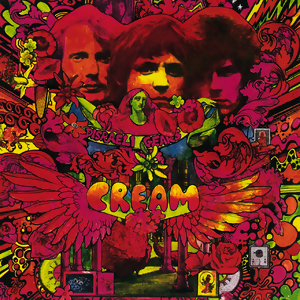
Cream – Disraeli Guns (1967). Every subsequent power trio, from The Jimi Hendrix Experience to Rush to Triumph, must give a nod to this band. Disraeli Guns is the album in which these three musical visionaries, put aside their volatile chemistry and created some fine rock music, especially on “Strange Brew” and “White Room.”

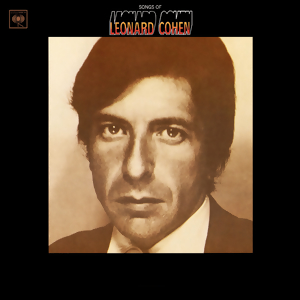
5.22 Leonard Cohen - Songs Of Leonard Cohen

Leonard Cohen – The Songs of Leonard Cohen (1967). Is it just me, or as the years go by, does the stature of Leonard Cohen only increase? With some many songwriters being touted as poets over the years, especially Bob Dylan, Patti Smith and Smokey Robinson, for my money, Leonard Cohen is the only one who can truly be called a poet. Several of his most classic songs can be found here, like “Suzanne” and “Sisters of Mercy.” Cohen’s influence will continue to grow.

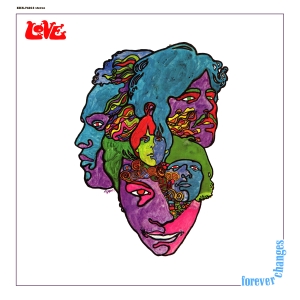
5.22 Love - Forever Changes

Love – Forever Changes (1967). By 1967, the LA rock scene was dominated by three artists: The Byrds, The Doors and Love. Unfortunately, Love could never really get it together long enough to cash in on their sound. Additionally, Love’s sound is now a bit dated. Yet, when you strip back the Sixties production touches, this album has some terrific music on it. Not that it matters today, but, in a historical sense, Love was one of the first interracial rock bands in the States (Remember that Jimi Hendrix got his start in England and his Experience were British as well.).

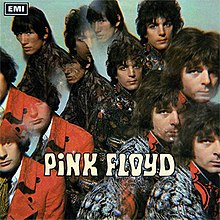
5.22 Pink Floyd - The Piper at the Gates of Dawn

Pink Floyd – The Piper at the Gates of Dawn (1967). This is NOT the sound of the Seventies Floyd we are all familiar with. This is the original version of the band when Syd Barrett was the creative visionary and guitarist. Many critics have called this version the English version of The Velvet Underground. That’s a bit drastic, but you can discern a little of the future Floyd in the mix. This set is a group of oddball psychedelic pop/rock songs of a band that would one day rule the world.

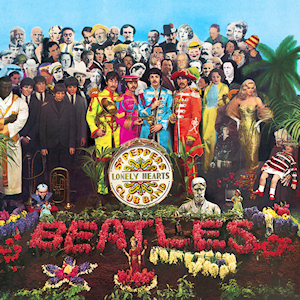
5.22 The Beatles - Sgt. Pepper's Lonely Hearts Club Band

The Beatles – Sgt. Pepper’s Lonely Hearts Club Band (1967). Here’s the granddaddy of all albums. Historically, this album is said to be The Beatles’ response to The Beach Boys’ Pet Sounds, and there may be some truth to it all. What it is, though, is an extension of all the studio lessons the boys and producer George Martin had learned over the past two years more than anything. And, as a cultural milestone, it’s impact is unprecedented and unequaled. Musicians have said they immediately pulled off the road just to listen to a radio station play the album. Jimi Hendrix even learned the first two songs on the album to play during his London concert that weekend in front of Lennon and McCartney. For all the praise I give Pet Sounds, I will hold this album just a notched below it regardless of what my older son says. When the world’s biggest band makes a musical leap like they did here, the world stops in its place to listen.

The Byrds - Younger Than Yesterday

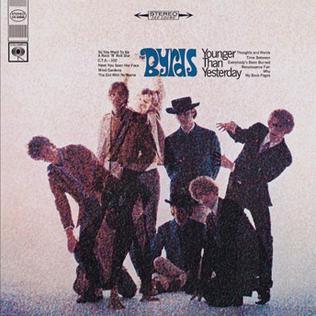
The Byrds – Younger Than Yesterday (1967). Here we have the best musical statement by the original version of The Byrds. And, quite honestly, this is the album that had to be the biggest influence on the early songwriting of Tom Petty and the sound of R.E.M. guitarist Peter Buck’s early guitar sound. If it only contained “So You Want to Be a Rock ‘n’ Roll Star,” this album would have been a must-listen. But, throw in their classic cover of Dylan’s “My Back Pages” and “Renaissance Fair,” and you have a classic.

5.22 The Doors - The Doors

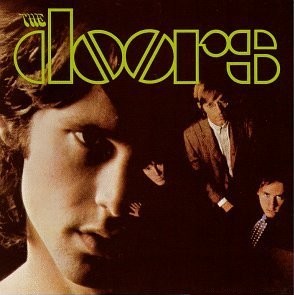
The Doors – The Doors (1967). People have kind of forgotten that 1967 would not all Day-Glo colors and fun psychedelically-tinged music. No, shortly after Sgt. Pepper was dropped, an alluring yet dark band from the Sunset Boulevard rock scene was unleashing their take on the dark underbelly of hippie-dom. The seductive sounds of “Light My Fire” and “Break on Through” brought The Doors to the masses and changed the course of rock music forever. Now, it may be as easy to dismiss Jim Morrison as it is older Elvis Presley as drunk drugged out caricatures, but Morrison’s impact was sincere at the time. Oh! And did he really drop a F-bomb on “The End”? Yep.

5.22 The Jimi Hendrix Experience - Are You Experienced

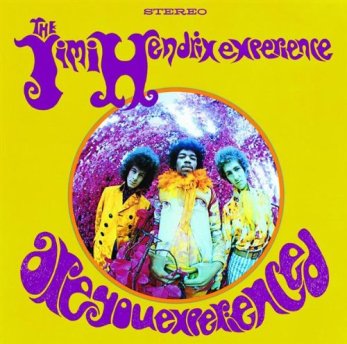
The Jimi Hendrix Experience – Are You Experienced? (1967). What a sly little title! Are we talking about sex, drugs or rock & roll? Who cares! And, now we can all forget that “Clapton Is God,” the graffiti written in London back in the Sixties because Hendrix proved to be a guitar deity of a higher level than Clapton. As much as Sgt. Pepper is a cultural milestone, so is this album. And, the rock world has been desperately trying to match Jimi’s virtuosity ever since.

5.22 The Jimi Hendrix Experience - Axis Bold as Love

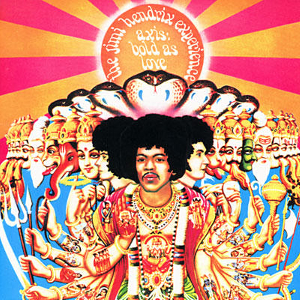
The Jimi Hendrix Experience – Axis: Bold as Love (1967). Do you understand that all three of Hendrix landscape-changing albums were released in a two-year time span? It’s hard to imagine. Unfortunately, Axis tends to be the forgotten album in the trio, yet it is still a terrific LP. This one might be his most ambitious sounding album of all.

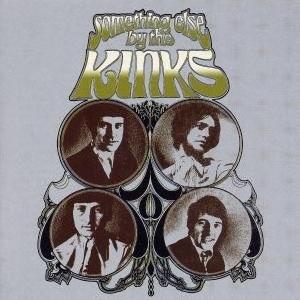
5.22 The Kinks - Something Else by the Kinks

The Kinks – Something Else by The Kinks (1967). Ray Davies is quickly becoming the best British songwriter by the time of this release. His keen insight into British working and middle class life is setting a new standard of songwriting for all of rock music. I swear that Pulp’s fantastic 1995 Different Class album is an updated version of this album. “Sunset Waterloo” just might be the most beautiful song Davies has ever written. On the other hand, the original version of “David Watts” is an English standard in rock music, covered most famously by The Jam.

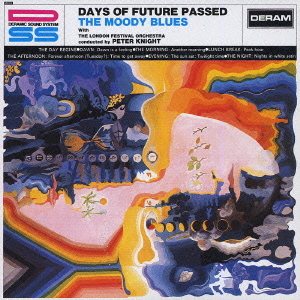
5.22 The Moody Blues - Days of Future Passed

The Moody Blues – Days of Future Passed (1967). Yes, Procol Harum was the first band to integrate classical music tinges to rock, but The Moodys perfected it on this album. This album really made an impact on the American chart about five years later, but it is still a 1967 release and should be honored in that year. Additionally, this album may have been the first album created that HAD to be listened to on headphones. “Nights in White Satin” and “Tuesday Afternoon” were the songs on FM radio. While I’m thinking about it, when was the last time you heard these songs on classic rock radio. My goodness, rock radio played these all the time in the Seventies and into the Eighties.

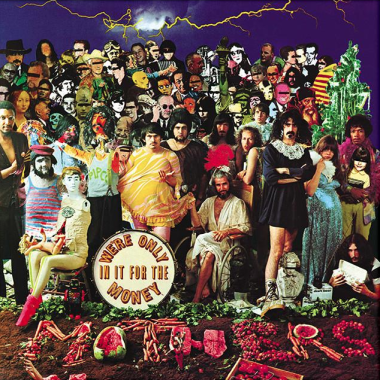
5.22 The Mothers of Invention - We're Only in It for the Money

The Mothers of Invention – We’re Only in It for the Money (1967). Leave to Frank Zappa to cynically “take the piss out” of Sgt. Pepper. What a great parody of that album, from the album cover to the music to the lyrical content. I love satire and parody, and this album fills that void in spades. See?!?! Anything is now possible in rock music.

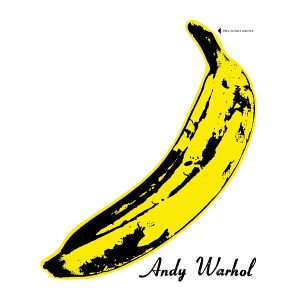
5.22 The Velvet Underground - The Velvet Underground and Nico

The Velvet Underground – The Velvet Underground & Nico (1967). While the hippies were spouting about peace and love on the West Coast and London was simply swinging, a New York led by Lou Reed, under the artistic guidance of Andy Warhol, was creating a totally new noise with lyrics steeped in realism about drug use, prostitutes, transvestism and other realities in the blight of the Big Apple. This music was so out of step with the moment that Rolling Stone never reviewed it. Others panned it. Yet, as Brian Eno once said, everyone that did buy the album started a band. Now, the album is held in high esteem as it predicted the whole punk movement and the “Do It Yourself” ethos of the late-Seventies and beyond. This album had a delayed cultural impact, and I actually think it is the best album of 1967. Heresy!

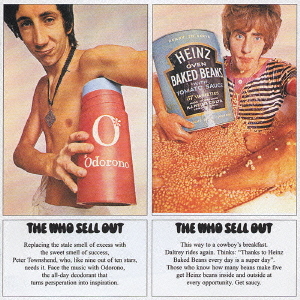
5.22 The Who - The Who Sell Out

The Who – The Who Sell Out (1967). Now, initially, this album may have been too English for Americans to understand. A little background is needed. Back in the Sixties, Britain only had one radio station, the BBC (or “The Beeb”). And, they did not play rock music. So, “pirate” radio stations were set up on ships just beyond the English waters, and they broadcast like their American counterparts. This album is a homage to those stations that changed broadcasting history in the UK. That’s why there are those silly commercial parodies located between songs. When you know the context, you can appreciate the sheer brilliance of this album since it is unlike anything before or after. I enjoy this album so much more than Tommy, which gets all the accolades. The Who’s biggest hit until “Who Are You” in 1978, the terrific “I Can See for Miles” is on this one.

When you throw in the Franklin and Dylan albums I listed yesterday, you can understand why 1967 seems to be such a mythical year in the rock pantheon. Things start to get serious with the next entry. Stay tuned!

My 1000 Favorite Albums, Part 3

5.17 Top 1000 Albums_LI

Today is Day 3 of the continuing series of my 1000 favorite albums of all-time. Today, we will cover the year 1966 and dip our toes briefly into 1967. Once again, according to my tastes in music, we are building up toward 1967 being a truly transcendent year in music. I continue to assert that the pre-1967 represent a time when great albums were released but, primarily, those years were the domain of the seven-inch single, also known as the “45” because those small records were played at 45 rpm. Albums, or the long-playing 12-inch 33-and-1/3 rpm records, started to become the dominant artform for music around 1967, though the sales lagged just a bit.

To me, vinyl albums have always held something of a magical sway over me that cassettes or CDs never could. Everything about an album fed into the larger-than-life image of the rock star, whereas the other two formats, regardless of the portability, never could replace, no matter how many extra songs they could hold. With a larger canvass, album artists could create their art with eye-popping clarity and daring. By reducing the size of the artful impact, the cassette and CD reduced that impact to nil, which set the stage for a total lack of that artfulness with mp3s, which ushered in a total disregard for the marriage of music and art much like with the 45.

That marriage of the visual and the auditory is what separated rock music from all other forms, in my humble opinion. If you have seen the Cameron Crowe film Almost Famous, you get that sense of wonder as the young lead character William discovers that very said sense of wonder. I actually remember staring for hours on end at album covers, reading the lyrics and memorizing the credits. That, my friends, is why you will continue to see books being sold that show the greatest album cover art of all-time.

Enough of the poetic waxing! Let’s get to the albums!

5.20 Bob Dylan - Blonde on Blonde

Bob Dylan – Blonde on Blonde (1966). Not the first double-album to be released during the rock era, but it is the first one on my list. If the truth were to be told, this might be my favorite Dylan album of all, especially since you can find “Rainy Day Women #12 & #35,” “Visions of Johanna,” “I Want You,” “Stuck Inside of Mobile with the Memphis Blues Again” and “Just like a Woman.”

5.20 Cream - Fresh cream

Cream – Fresh Cream (1966). The debut album of rock’s very first “supergroup” has a little bit dated sound, but there is no denying the power of this trio of super-talented musicians. Throughout the album you can hear the foundation of hard rock being laid by the blues guitar antics of Eric Clapton and the jazz-blues noodlings of drummer Ginger Baker and bassist Jack Bruce.

5.20 Otis Redding - Complete & Unbelievable

Otis Redding – Complete & Unbelievable: The Otis Redding Dictionary of Soul (1966). What an absolutely perfect album title! This album IS the dictionary of soul of the Sixties. This album arguably contains Otis’ most enduring soul song, “Try a Little Tenderness.” But that’s not all, as you can hear “Fa-Fa-Fa-Fa-Fa (Sad Song),” “I’m Sick Y’all” and “She Put the Hurt on Me” as well.

5.20 The Beach Boys - Pet Sounds

The Beach Boys – Pet Sounds (1966). Pet Sounds is the first perfect album of the rock era. Honestly, no other album has truly stood the test of time as this one has. This is rock as art. Musical historians and musicians alike will hold this album up with the best of Beethoven and Mozart as it was perfectly constructed from the instrumentation to the lyrics to the vocals. Paul McCartney was not speaking in hyperbole when he stated that “God Only Knows” is a perfect song. And, although the album includes “Sloop John B” and “Wouldn’t It Be Nice,” this LP is so good in whole that I hate to only point out these three songs. Brian Wilson was so far ahead of the curve that few have caught up with him in the nearly six decades since the release of Pet Sounds.

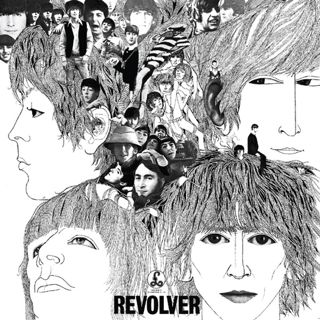
5.20 The Beatles - Revolver

The Beatles – Revolver (1966). While many people will say that The Beatles’ actual musical response to The Beach Boys’ Pet Sounds, Sgt. Pepper, is still a year away from release, I actually believe this album just might be The Fab Four’s greatest musical statement. Revolver actually conveys the very same themes that Pet Sounds tackles lyrically. Both are tackling the stress of becoming an adult, which is why both are so universal in their reach. And, Revolver contains all the types of songs that made The Beatles so compelling in the first place: power pop with “Taxman,” whimsical English points-of-view on “Good Day Sunshine” and baroque Beatles territory on “Here, There and Everywhere.” But, it also has the experimental tracks that display unprecedented growth by the band. First, the use a string quartet as a rhythm section on “Eleanor Rigby” and the loops-and-samples-and-backward-recorded-instruments montage of “Tomorrow Never Knows.”

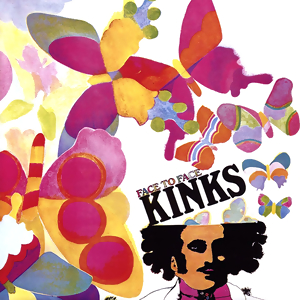
5.20 The Kinks - Face to Face

The Kinks – Face to Face (1966). This album is the forgotten album of the great rock albums of 1966. You see, The Kinks were evolving from the balls-to-the-wall proto-hard rock/metal/punk rock sound to something more English in nature. No longer were they worried about the American market but were committed more to making music that reflected their upbringing in the UK. This is where the beginnings of Paul Weller’s complete career as well as the whole Britpop movement can be heard. Plus, when a song as fantastic as “Sunny Afternoon” can be found on an album, you just gotta hear it all!

5.20 The Monkees - The Monkees

The Monkees – The Monkees (1966). I would bet that at least 8 out of every 10 people around my age, if being honest, will say that The Monkees were their entry drug into rock music. We were too young to care that they had been put together by TV people to cynically cash in on us. They had outstanding songs, regardless of who actually played the instruments, and sold a whole generation of kids on rock music. I cannot emphasize how truly important The Prefab Four were on us. If “(Theme From) The Monkees” didn’t hook us, definitely “Last Train to Clarksville” did. The Monkees are immortal, regardless what the Boomers think.

5.20 The Mothers of Invention - Freak Out

The Mothers of Invention – Freak Out! (1966). Welcome to the strange world of Frank Zappa’s musical mind! The rock world never knew what had hit it when Frank’s debut was dropped in 1966. I honestly did not discover Zappa until high school, but when I did, I was completely in. Is this the audio version of what acid is like?

5.20 Aretha Franklin – I Never Loved a Man the Way I Love You

Aretha Franklin – I Never Loved a Man the Way I Love You (1967). Few remember that Aretha had been recording gospel and whatever slop Columbia Records was making her release for years. But, when she finally got the sympathetic ears of the producers at Atlantic Records, Aretha was finally unleashed as the Queen of Soul. And, this album was just the beginning for her stellar career. When Otis Redding heard her version of his “Respect,” he reportedly stated that the song was now hers. Throw in the title song, you have the groundwork for a classic album.

5.20 Bob Dylan - John Wesley Harding

Bob Dylan – John Wesley Harding (1967). I am certain that Bob Dylan fans were shocked by what this album sounded like at the time. After changing rock music over the course of the past three albums, Dylan detours into a countrified version of rock that would influence disparate acts like The Band, The Grateful Dead, Gram Parsons and the whole Americana music movement today. By the way, you will find the soft, unassuming original version of “All Along the Watchtower” that Jimi Hendrix will immortalize in a searing form later on.

Hopefully, we will continue this trip tomorrow. Peace out!