Time to Finish Up 1979’s Entries on My 1000 Favorite Albums

5.17 Top 1000 Albums_LI

Let’s get this list going!

7.20 Neil Young - Rust Never Sleeps

Neil Young & Crazy Horse – Rust Never Sleeps (1979). This album is sited so often by people in my age group as a touchstone album, I really am at a loss as to what to add. Basically, this is Neil at his most diverse covering acoustic songs on Side One and electric, nearly proto-grunge on Side Two. Much of the album was recorded live on his 1978 tour, giving the material the room to breathe and the musicians a sense of urgency to plow into the music full-on. Pound for pound, this remains my favorite Neil Young disc.

7.20 Pink Floyd - The Wall

Pink Floyd – The Wall (1979). For a band known for making great statements, this represents the Floyd at their grandest, most overblown moment. Across the double album, we are taken on a trip in which our hero is psychologically damaged early and often until he can no longer accept the distance between himself and his audience (and other band members). While teens saw it as a metaphor for growing up, in retrospect, he can see it as Roger Waters’ frustrations of being a member of Pink Floyd. Maybe The Wall isn’t their greatest statement (The Dark Side of the Moon is), but it seems to be the one that resonates with people the most.

7.20 Pretenders - Pretenders

Pretenders – Pretenders (1979). The Chrissie Hynde-led Pretenders burst onto the scene in the UK in 1979 and made their presence felt in the States the following year. With so many changes being made since the Wilson sisters burst onto the scene with Heart, strong women like Patti Smith and Debbie Harry were leading bands that no one was surprised that the Pretenders followed suit. The difference being that this was the sound of original Kinks guitar rock distilled through punk with an E.R.A.-minded woman fronting the band. Ms. Hynde was taking no crap from anyone.

7.20 SIster Sledge - We Are Family

Sister Sledge – We Are Family (1979). Few were prepared for these four sisters to make such a huge splash, but even fewer were ready for the fact that the masterminds behind these talented women were Nile Rodgers and Bernard Edwards, better known as The Chic Organization. The combination was just plain dance floor heaven, with the title song, “He’s the Greatest Dancer” and the mesmerizing “Lost in Music.”

7.20 Supertramp - Breakfast in America

Supertramp – Breakfast in America (1979). Supertramp took many years for them to work out their sound. They almost had it all together on 1977’s Even in the Quietest Moments and their hit song “Give a Little Bit.” But, on this album, the band hit the motherlode with their brand of Beatlesque melodies and art rock flourishes. The album is stuffed full of Classic Rock radio hits, such as “The Logical Song” and “Take the Long Way Home.”
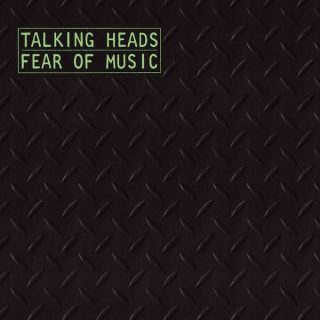
7.20 Talking Heads - Fear of Music

Talking Heads – Fear of Music (1979). For a major portion of this album, Talking Heads have taken a minimalist’s approach to their music. Yet, their are funky, African-based signs of their future sound in a couple of places just to keep things interesting. What this adds up to is this is their most satisfying album to date, yet leaving you with the gnawing feeling that more was to come. The album is known for “Heaven” and “Life During Wartime,” but I keep coming back to the prophetic sounds of “I Zimbra.”

7.20 The B-52's - The B-52'sr

The B-52’s – The B-52’s (1979). Welcome to the party Athens, Georgia! That’s right! The B-52’s opened the door for Pylon and R.E.M. to eventually follow through. The great thing about The B-52’s is that they took their love of pop culture’s trashier side from the Fifties and Sixties, repackaged it and sold it back to us via a rock-dance-new wave fusion that was as thrilling as it was exhilarating. This album was one of the party albums for the next decade, at least until their unexpected 1989 comeback.
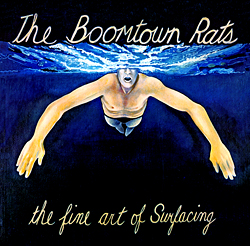
7.20 The Boomtown Rats - The Fine Art of Surfacing

The Boomtown Rats – The Fine Art of Surfacing (1979). Years before Bob Geldof became Sir Bob Geldof, mastermind of Band Aid and Live Aid, he was the lead singer of a strong little Irish band called The Boomtown Rats. While the band never really commercially cracked The States, they did give us this one magnificent album of new wave nirvana. The album is known for the UK mega-hit “I Don’t Like Mondays,” but I’ve always been partial to “Someone’s Looking at You.”

7.20 The Commodores - Midnight Magic

The Commodores – Midnight Magic (1979). Let the arguments begin as to which Commodores’ album I should have on this list. Well, I chose this one because it had a monster ballad, of course, in “Still,” a surprisingly country-ish hit in “Sail On” (a sound Lionel Richie would perfect on Kenny Rogers’ hit “Lady”) and some excellent funk, for which the band was originally known.
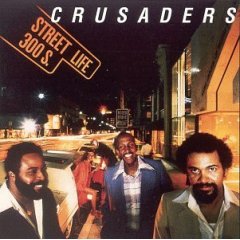
7.20 The Crusaders - Street Life

The Crusaders – Street Life (1979). Back in the late-Seventies, jazz artists were dipping their toes in both the rock and disco worlds, with Chuck Mangione and Herb Alpert being two artists who found some commercial success in the era. But, a little band called The Crusaders perfected the sound on this album, which went on to influence the sound of jazz in the Eighties (Wynton Marsalis comes to mind). The title track is an eleven-minute exercise of this whole fusion.

7.20 The Cure - Three Imaginary Boys

The Cure – Three Imaginary Boys (1979). The Cure’s debut album is something of an anomaly in their catalog since it is full of punkish nervousness and not the Gothic atmospheric sound the band perfected afterwards. Yet, it remains a landmark album of the post-punk era. Plus, it has the anthem of a generation in “Boys Don’t Cry.”

7.20 The Jam - Setting Sons

The Jam – Setting Sons (1979). This album represents a turning point in Paul Weller’s career. First, his melodies are becoming more memorable and strong. Perhaps more importantly, his lyrical observations are mature and a tad more jaded. This means that Weller is going into adulthood with maturing tools that will make him one of the most compelling voices of my generation. But, the band has yet to peak. Just wait!

7.20 The Kinks - Low Budget

The Kinks – Low Budget (1979). Wait a second! What are the stalwarts of the late-Sixties doing back here with all these punks, new wavers, funkateers and disco stars? Simply put, they are the fathers of the whole UK punk and new wave scene and were welcomed back as the conquering heroes they had become. Plus, no one could put the plight of the late-Seventies into better perspective than Ray Davies.

7.20 The Knack - Get The Knack

The Knack – Get The Knack (1979). That’s right! I still LOVE this album. It was the right sound at the right time. This just might be the first important album for Generation X. And, it deserves all the baggage that comes with it, but that’s more of the label’s fault than the band’s. What the band delivered was a brilliant set of teenage boy’s perspective songs set to a power pop setting and executed with a punk rocker’s fury. This is a classic!

7.20 The Police - Reggatta de Blanc

The Police – Reggatta de Blanc (1979). Another band that gets unfairly maligned grew by leaps and bounds from the debut album the previous year to this one. This album remains my favorite album of their amalgamation of punk, art rock and reggae. “Message in a Bottle” and “Walking on the Moon” are the best remembered song, but “The Bed’s Too Big Without You” is the masterpiece on this album.
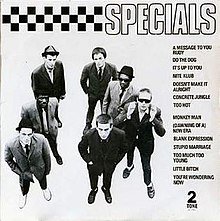
7.20 The Specials - The Specials

The Specials – The Specials (1979). In the late-Seventies, all the rules were being thrown out in music. Racially-integrated bands were popping up that were equally a political statement as a musical one. Bands were grabbing musical inspiration from all kinds of sources, most notably a pre-reggae sound called ska. Ska was perfect for the punks of the era to branch into because of its simplicity and energy. And, no band was more essential in this genre than The Specials. More of a phenomenon in the UK, they led the ska-revival movement ahead by light years, leaving fellow ska bands like Madness spending a career attempting to catch up. If you need proof, you YouTube the band’s performances on Saturday Night Live. The band’s debut is their finest, but I cannot emphasize enough how important their other albums are.
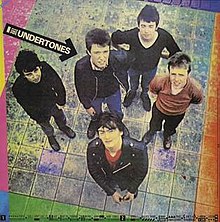
7.20 The-Undertones-The-Undertones-2

The Undertones – The Undertones (1979). It’s a shame this band has not been heard by a majority of Americans because they are missing one of the great ones. This album has been praised by so many Brits I have met over the years that it can’t be denied how fantastic it is. If I were to compare it to anyone, and hear me out, it is the aforementioned debut album by The Knack. Both are equally steeped in power pop and punk energy. Both are full of male teenage dreams. And, both have outstanding anthems, in this case the immortal “Teenage Kicks.” Give this album a chance, you will not regret it!

7.20 Tom Petty & the Heartbreakers - Damn the Torpedoes

Tom Petty & the Heartbreakers – Damn the Torpedoes (1979). Tom and the boys had their backs against the wall. Their record company had been absorbed by another, and MCA was attempting to hijack Tom of his writing royalties. During this fight, the band bonded together like a gang and created one of the great classics of American garage rock. In the process, producer Jimmy Iovine goaded drummer Stan Lynch into created a recorded drum sound so big that it became one of the sounds of the Eighties. Plus, if you can’t hear Side One of this album, you better get your hearing checked. The legend of Tom Petty was born on this album.

And, that my friends, is 1979. My apologies to the many great artists whose albums I left off this portion of my list, as I just could not bring myself to list every Prince album no matter my true feelings. Just know that if I leave off a Prince or Tom Petty album, I am doing a little lying in order to pimp some other deserving artists.

Finally! It’s 1979 on My 1000 Favorite Albums List

5.17 Top 1000 Albums_LI

That’s right! 1979! I’m not sure why I put so much emphasis on this year in my mind, except, to me, it represented a definite change of decades which meant there was the possibility of great things ahead. And, I hold onto that naivety, though I believe the Eighties actually led to many of the societal problems that we face today. But, at that moment in 1979, all things seemed possible. Music was making many changes, along with technology thanks in large part to the space program a decade or so earlier.

If you listen carefully to the lyrics of the day, people were really anxious due to the Cold War and an impending nuclear doom. The economy was stagnating, the imperialism policies of the post-World War II was finally facing a backlash both abroad and domestically. And, the cult of personality was in full swing. But, the music tried to keep the whole thing honest.

So, let’s get this first year that is completely in my wheelhouse going!

7.20 ACDC - Highway to Hell

AC/DC – Highway to Hell (1979). For some reason, AC/DC was big at my high school almost immediately. AC/DC’s music is one of three things you can consistently count on in life, along with taxes and death. And, Highway to Hell is the band’s commercial breakthrough, and, unfortunately, the last one to feature original lead singing madman Bon Scott. This album remains one of the greatest hard rock/metal albums of all time.

7.20 Buzzcocks - Singles Going Steady

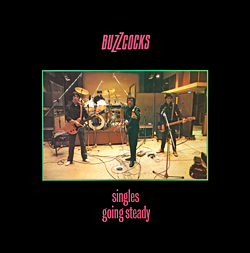
Buzzcocks –  Singles Going Steady (1979). When it comes to the UK punk scene, the albums that are needed for their Mount Rushmore would be the debut albums by The Clash, Sex Pistols, The Damned and this one. The whole pop punk movement of the Nineties and 2000s have this album to thank. While The Clash cornered the political side, the Pistols the shocking side and The Damned the crazy side of punk, Buzzcocks nailed down the teenage angst within pop constrictions.

7.20 Cheap Trick - At Budokan

Cheap Trick – At Budokan (1979). Originally intended as a special release for Japan in thanks of that country’s population’s massive support, this album quickly became the best-selling import album of the day, prompting Epic Records to release it worldwide. An what you get is Cheap Trick in all its glory in a live setting. Of course, in concert, Cheap Trick’s songs have always been infected with more power, energy and character than ever in the studio. While nerds like me were into Trick long before this album, At Budokan introduced the boys from Rockford, Illinois, to the rest of the world. And, things have never been the same again.

7.20 Cheap Trick - Dream Police

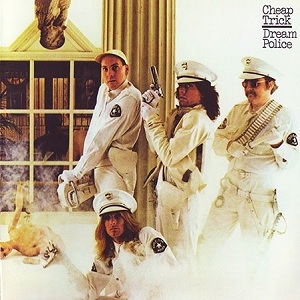
Cheap Trick – Dream Police (1979). This album was in the can and ready to go when the band’s label decided to release At Budokan. Dream Police was released in the fall of 1979 to much anticipation, and the album did not disappoint. If one were to think that the band was following The Beatles’ trajectory, you might be inclined to compare this album to Magical Mystery Tour in its scope and power. The production is dense and layered while this group of songs respond well to this production and actually come alive. While the title song, “Voices” and the studio version of “Gonna Raise Hell” get all the praise, I personally am a fan of “I Know What I Want.”

7.20 Chic - Risque

Chic – Risqué (1979). This is Chic’s most sophisticated album to date. All the playing and vocals are impeccable, while the writing is spot on. Most notably, this album contains THE monster sample of all, “Good Times,” which was used as the backing music for the groundbreaking “Rapper’s Delight” later on in the year. This album will wrap up the band’s commercial period, though its members will go on to big production work throughout the Eighties.

7.20 Donna Summer - Bad Girls

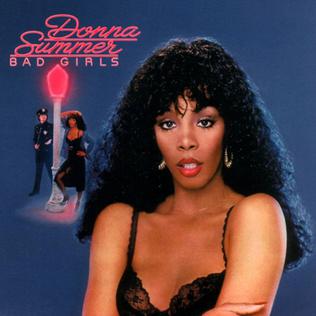
Donna Summer – Bad Girls (1979). Summer was the Queen of Disco for some very good reasons. First, she had some excellent songs. Second, Summer had the best production crew behind her. And, importantly, Summer possessed the perfect voice for disco. On Bad Girls, Summer was able to create a feminist record while setting those songs within a rock-dance sound that became the template of the Eighties. This was dance music for the mind.

7.20 EWF - I Am

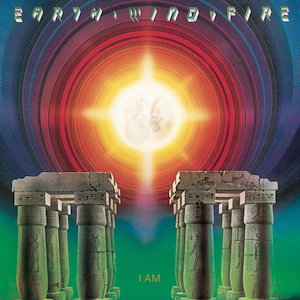
Earth, Wind & Fire – I Am (1979). Few bands were as creative and ahead of the game as EWF. This Chicago band was the funk version of Chicago the band, since both acts fused jazz with their respective musics. This just might be EWF’s finest moment, especially their wonderful collaboration with The Emotions on the eternally-blissful “Boogie Wonderland.” For my money, I am a huge sucker for the great ballad “After the Love Has Gone.”

7.20 Elvis Costello - Armed Forces

Elvis Costello & the Attractions – Armed Forces (1979). All the rage and fury that Elvis Costello had alluded to on his first two albums were unleashed on this one, both lyrically and musically. This album is my go-to Costello album because of the passion throughout the album. And, Elvis made Nick Lowe’s “(What’s So Funny ‘Bout) Peace, Love and Understanding” his own. It remains my favorite anthem of moral indignation.

7.20 Fleetwood Mac - Tusk

Fleetwood Mac – Tusk (1979). If you thought that Cheap Trick was met with much anticipation as they released Dream Police, no band at the time, other than Led Zeppelin or the Eagles, were under as much pressure as the Mac. After selling loads of Rumours, the public was ready for part two. Instead, musical visionary Lindsey Buckingham decided the band needed to respond to the music of the day and went into full-on SMiLE-era Brian Wilson mode. What we got became an avant garde version of Mac’s Southern California sound. Today, this album is considered a classic, but few were willing to take a long ride on this one back in the day.

7.20 Gang of Four - Entertainment!

Gang of Four – Entertainment! (1979). Gang of Four is the kind of band that would perfectly fit into today’s music scene. Their post-punk rock sound is mixed with danceable rhythms, while their lyrics are full of the sociopolitical commentary that sits in perfect tandem in this #MeToo and #BlackLivesMatter era. Plus, this band became huge influences on Rage Against the Machine and Fugazi, among many others.

7.20 Gary Numan - The Pleasure Principle

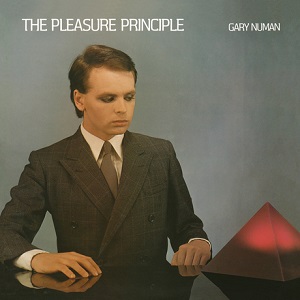
Gary Numan – The Pleasure Principle (1979). Gary Numan’s fantastic synthpop had made inroads in the UK and Europe under the banner of the Tubeway Army and their hit “Are ‘Friends’ Electric?” But, it was this album that made Numan a global superstar on the strength of his brilliant ode to isolation and paranoia “Cars.” The big surprise is that the rest of the album matches the strength of his most famous song.

7.20 Graham Parker - Squeezing Out Sparks

Graham Parker & the Rumour – Squeezing Out Sparks (1979). 1979 was a banner year for the angry UK singer/songwriters of Costello, Parker and Joe Jackson, as all three began to receive critical and commercial gains here in the States. This album remains Parker’s greatest album displaying his mix of anger, R&B and punk energy. This is primo stuff!

Joe Jackson - Look Sharp!

Joe Jackson – Look Sharp (1979). 1979 was made so much better with Joe Jackson’s debut album and his outstanding hit song “Is She Really Going Out with Him?” Jackson hit all the nails on the head of teenage males’ anxieties. Right with Costello, Jackson has followed a wonderful path of diverse musical excursions.

7.20 Joy Division - Unknown Pleasures

Joy Division – Unknown Pleasures (1979). Sometimes, a band arises from the most seemingly mundane places only to change the musical world. Who would have thought four mop tops from Liverpool would have ever changed the world? Likewise, who would have guessed that four lads from Salford would come define the sound of the post-punk era and into today? That’s exactly what happened as Joy Division took equal parts of punk and Kraftwerk-influenced synth sounds to create a dark icy sound that was both modern and futuristic.

7.20 Michael Jackson - Off the Wall

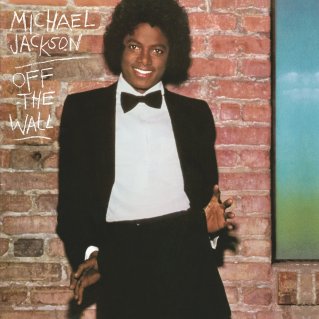
Michael Jackson – Off the Wall (1979). Remember when we were all taken with Michael’s shyness and Peter Pan qualities? Listening to this album takes me back to those innocent days. When you strip the allegations away from the musician, you have some of the best dance grooves and pop music this side of the Chic Organization. “Don’t Stop ‘Til You Get Enough” remains a monster dance cut, while “Rock with You” still works as a slow dance number at wedding receptions. This album gave us the solo Michael Jackson template for his next two albums that he created with Quincy Jones and those wonderful session musicians that included members of Toto.

And, there you have it, the first half of 1979 albums on my list. God willing, I’ll follow this blog up soon. Peace!

Wrapping Up 1978 of My 1000 Favorite Albums of All-Time

5.17 Top 1000 Albums_LI

No need to bore you with the trivial, so let’s get to the final third of my list for 1978.

7.16 The Jacksons - Destiny

The Jacksons – Destiny (1978). Let’s be honest about this album. No matter how great this album is, in hindsight, it is clear that this was a dry run for Michael’s solo albums. And, that statement does not diminish the fact that this album is pure Jackson brother magic. The dance songs are terrific, led by the huge hit “Shake Your Body (Down to the Ground)” and “Blame It on the Boogie.” But, it is the songs “Bless His Soul” and “Push Me Away” that display the depth of mature Michael’s talent. But, in 1978, this album was a party album that got people dancing.

7.16 The Jam - All Mod Cons

The Jam – All Mod Cons (1978). After a terrific debut then a lackluster sophomore album, The Jam regrouped to create their finest album to date. This one is stuffed full of UK hits that as enduring as anyone else’s hits of the day. This album established the band and specifically Paul Weller’s prowess as a musical visionary. And, the band had not even peaked yet.

7.16 The Rolling Stones - Some Girls

The Rolling Stones – Some Girls (1978). Punk was a necessary reaction to the over-abundance of great playing musicians whose myths made them seem like gods. Then, the Ramones came along with their punishing 30-minute, 15-song sets with nary a guitar solo, that threatened to make all the Sixties “dinosaurs” passe. So, within that environment, The Stones made their final grand musical statement in the face of both disco and punk. This album is punishing, fun and sexy, you know, albums like they used to make. After this album, unfortunately, the band was spent, no matter what their fans say.

7.16 The Saints - Eternally Yours

The Saints – Eternally Yours (1978). What is about Australian bands that can take a modern sound and just turn it on it’s side? Is the isolation? Or, do the toilets really flush in the opposite direction (they don’t)? The Saints took the punk template and mixed in some tempo changes, flashes of R&B, and, God forbid (!) sax solos that actually laid the groundwork for fellow Aussies like INXS to follow into platinum sales. This is an oft-overlooked gem.

7.16 Thin Lizzy - Live and Dangerous

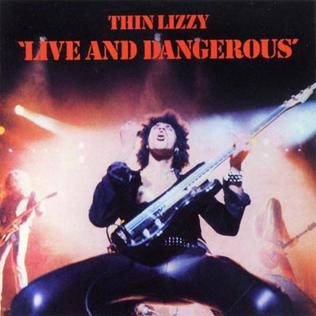
Thin Lizzy – Live and Dangerous (1978). Thin Lizzy was on a great creative roll by the time of this much-heralded live album was released. This is an absolutely exciting environment in which to enjoy the band’s music. Unfortunately, much like Kiss Alive!, the sound was doctored a bit in the studio to increase that excitement and playing. But, who cares?!?! Thin Lizzy was absolutely awesome!

7.16 Todd Rundgren - Hermit of Mink Hollow

Todd Rundgren – Hermit of Mink Hollow (1978). I am a sucker for the singer-songwriter version of Todd. I just am. While I love all of his music, it’s his vulnerable side which speaks to me. And, this album remains his finest since 1972’s Something/Anything. “Can We Still Be Friends?” is still a great song.

7.16 Van Halen - Van Halen

Van Halen – Van Halen (1978). By 1978, metal was directionless and bloated. Then along comes the first band from Sunset Strip to set the world on fire. They brought humor and pop melodies to the genre that was overrun with satanic nods and stories about mythical creatures. Basically, the boys brought some sex back to rock & roll, along with the most influential guitarist of a generation in Eddie Van Halen. Unfortunately, many half-baked bands followed in their wake, which almost negated Van Halen innovations. But, that happens often in the rock world.

7.16 Warren Zevon - Excitable Boy

Warren Zevon – Excitable Boy (1978). Excitable Boy is Zevon’s finest album. His song cycle is impeccable yet troubling in his own acerbic manner. Next to Randy Newman, Zevon is the best at acid-tinged insults to the power structure of society. We could use his voice today.

7.16 Willie Nelson - Stardust

Willie Nelson – Stardust (1978). Remember during the first decade of the 2000s, established rock artists like Rod Stewart began recording traditional standards as if they had stumbled upon some great American songbook. Well, in 1978, after creating the whole outlaw country genre, Willie Nelson did this first, eschewing any originals or country or folk standards, to record an album’s worth of pop standards and produced by soul great Booker T. Jones. And with his own style, he made these standards all his own. This was a truly risky move, but it paid off in spades.

7.16 X-Ray Spex - Germfree Adolescents

X-Ray Spex – Germ Free Adolescents (1978). The truly great thing about punk is that it opened up the music world to new possibilities, especially those with one foot in the art world. Into that space comes X-Ray Spex with their visionary singer/songwriter Poly Styrene. If new wave had not been thought of at this point, it was now! This is the beginning of the voice of Generation X, the sociological generation not the Billy Idol-led band, though a case could be made for that too. Unfortunately, X-Ray Spex never made here in the States, but their musical revolution would be won, however briefly, by artists who followed on a thing called MTV. Plus, you just gotta hear “Oh Bondage Up Yours!” on the CD reissue.

And, that brings 1978 to a close. Now, the door to new wave and power pop has been opened, paving the way for new exciting sounds that will begin popping up in 1979. With this blog, we have now covered 349 albums over approximately 24+ years, with many more classics and surprises left. Will be back during the working week. Peace.

It’s Still 1978 on My 1000 Favorite Albums of All-Time List

Ready for the second day’s list of albums from 1978? I am! So, I’m just going to jump in full force!

7.16 Jackson Browne - Running on Empty

Jackson Browne – Running on Empty (1978). This pick is going to bring a smile to one of my oldest friend’s face since he is the biggest Jackson Browne fan I know. This album is not just another live album, but a set of songs, written and recorded on the road, about the realities of being a touring musician. Sure, the title song is the theme for this concept album, but the reality of the loneliness in touring is explicitly expressed in the ultimate song about being alone, “Rosie.”

7.16 Kraftwerk - The Man-Machine

Kraftwerk – The Man-Machine (1978). Everyone’s favorite android-acting analog digital nuts are back with their take on robots developing human qualities. Their work on this album is so groundbreaking that when the band toured, they actually used lifelike robots to take their places onstage. My question has always been, did the men become machines or converse? Who cares! This is just an awesome album.

7.16 Little Feat - Waiting for Columbus

Little Feat – Waiting for Columbus (1978). Little Feat just does not get enough love these days. I often think people have forgotten about them after the untimely death of visionary Lowell George in 1979. This was a very nimble band with terrific players and great songs whose studio albums tend to get overlooked, even by me. You could never pigeonhole this band into a genre. This live album is an excellent introduction to the band and their fine catalog of music. It’s so good that Phish even covered the album during one of their much-ballyhooed Halloween shows. These guys truly deserve some rediscovery.

7.16 Nick Lowe - Jesus of Cool

Nick Lowe – Jesus of Cool (UK title) or Pure Pop for Now People (USA title) (1978). So, Jesus of Cool was too sacrilegious for the States. Whatever, because this is one terrific power pop album, if one of the ten best ever. Lowe was one of the originators of the new wave movement with his former band Brinsley Schwarz and as a house producer for Stiff Records, especially his work with Elvis Costello. Plus, “So It Goes” sounds a vital today as it did 22 years ago.

7.16 Queen - Jazz

Queen – Jazz (1978). Seriously?!?! Did I really skip the band’s News of the World album? Yes, I did. While, as a major Queen fan, I just felt like the album was lacking something after getting past the anthems “We Will Rock You/We Are the Champions.” But, Jazz, contrary to critic Dave Marsh’s horrible critic (The most fascist album ever? What’s that even mean? Christ, there were actual Nazis running around back them, and you tried to label this great band in that manner? I lost all respect for him after that.), is a terrific Queen album that keeps improving with age. It’s diverse in its musical expression, just like you want a great Queen album to be. “Don’t Stop Me Now” is more popular today than it was back in the day. “Fat Bottomed Girls” gets all the airplay today, but “Bicycle Race” is my favorite.

7.16 Ramones - Road to Ruin

Ramones – Road to Ruin (1978). If an album should have made the Ramones a mainstream success, this was the album. Arguably, this album contains their band’s finest single in “I Wanna Be Sedated.” The covered The Searchers’ classic “Needles and Pins” to great success. Plus the band toned things down a bit for the very melancholy “Questioningly.” This is the work of a maturing band at the height of their powers.

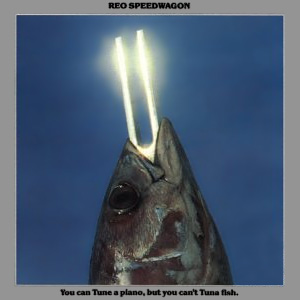
7.16 REO Speedwagon - You Can Tune a Piano But You Can't Tuna Fish

REO Speedwagon – You Can Tune a Piano, But You Can’t Tuna Fish (1978). Ridiculous album title aside, this was the album in which a hardworking band from Champaign, Illinois, figured out how to combine their hard rock nature with the pop sensibilities to create what many consider to be their finest album, Hi Infidelity notwithstanding. “Roll with the Changes” and “Time for Me to Fly” remain Classic Rock radio staples to this day.

7.16 Talking Heads - More Songs About Buildings and Food

Talking Heads – More Songs About Buildings and Food (1978). The Heads take a major step forward from their debut album as the band tightened their sound under the guidance of über-producer Brian Eno. You can actually hear the band developing their funkiness that will soon blossom for them. Plus, their cover of Al Green’s “Take Me to the River” is a revelation.

7.16 The Cars - The Cars

The Cars – The Cars (1978). I have been thinking long and hard about this statement, so here it goes. The Cars just might be the greatest debut album ever. The songs are still all over radio, and it plays like a greatest hits album. The band had the audacity to combine arena rock sounds with new wave tinges to give us a truly American sound. This album was so good that no matter how great their other albums were, they would always pale in comparison.

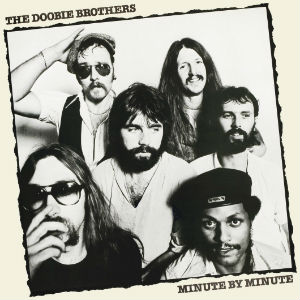
7.16 The Doobie Brothers - Minute by Minute

The Doobie Brothers – Minute by Minute (1978). In the early Seventies, the Tim Johnston-led version of this band was one of the great boogie rock bands going. Then, Johnston left. So, Michael McDonald stepped up to lead the band into Yacht Rock supremacy. This album is THE best example of the soft rock/blue-eyed soul fusion that is beloved today as Yacht Rock.

That makes 20 albums from 1978, which means there are ten more for later. See you then. Peace!

Day 1 of 1978 on My List of 1000 Favorite Albums of All-Time

5.17 Top 1000 Albums_LI

Ever since I was a young high school student writing for the student newspaper, I have always written either some of the absolute worst headlines, such as the ones for this series, or totally inappropriately sarcastic headlines that would never make it past the editor-in-chief or my long-suffering teacher. So, please bear with me on these lame headlines like the half-ass effort of today’s blog banner.

1978 represents a stellar year in my life, what with running in a national track meet, being part of Indiana’s State Jr. Olympics Championship 4 x 400 meter relay team, meeting Jesse Owens, unbelievably being named Student of the Month at school in January (BTW, January is the shortest month on the school calendar, then throw in another week or so missed due to inclimate weather so I only had to be stellar for a maximum of 10 to 12 days, the Roadmaster concert in our school’s cafeteria, to list a few things that happened that year. But, upon looking back, 1978 was a stellar year for music, what with punk, funk, disco and arena rock all beginning to peak. Plus, we started hearing the beginnings of new wave, synth pop, rap and some guy named Prince. It could not have been a better time to be a teenager when you consider the music of the era.

Let’s just jump into it!

7.16 Blondie - Parallel Lines

Blondie – Parallel Lines (1978). The CBGB crowd got served a huge notice when Blondie, considered the weakest band of the initial bands who played the famous club, became one of the biggest selling groups in the world behind their greatest album. This album has everything that is great about the group: terrific girl-group send-up (“Touched by Your Presence Dear”), power pop (“Hanging on the Telephone”), rockin’ punk fury (“One Way or Another”) AND arguably the greatest disco song ever (“Heart of Glass”). This is one helluva album.

7.16 Bob Marley & the Wailers - Babylon by Bus

Bob Marley & the Wailers – Babylon by Bus (1978). Here we have perhaps the greatest live recording of reggae ever. The album captures reggae’s finest band ripping through a portion of their greatest hits in front of an enthusiastic crowd. How does anyone top this? On this night, Marley and his Wailers WERE the greatest band in the world.

7.16 Bob Seger - Stranger in Town

Bob Seger & the Silver Bullet Band – Stranger in Town (1978). Seger took his brand of Heartland rock to an even larger chunk of America with this great album. I never had to own this album back in the day, since the Dunwiddie girls down the street had it and would play it every damn day I was down there, which was every damn day. Still, it is a great album of mature rock songs that only Seger could do. However, if I hear “Old Time Rock and Roll” or “We’ve Got Tonight” one more time, I WILL scream!

7.16 Bruce Springsteen - Darkness on the Edge of Town

Bruce Springsteen – Darkness on the Edge of Town (1978). This album is Bruce’s reaction to being thrust into the limelight with simultaneous covers on Time and Newsweek, finally selling a boatload of albums then having one of the greatest management disputes in rock history which kept The Boss from recording for three long years. So, he dropped the romanticism from his lyrics and the grand Wall of Sound production and got raw and dirty on this album. Obviously, Bruce had been listening to more than the Raspberries’ Greatest Hits album, as he often claims. Punk rock is all over this album. Personally, this one just might be my favorite Springsteen album of all. Oh, Bruce! Cheap Trick called and wants their artwork font back!

7.16 Cheap Trick - Heaven Tonight

Cheap Trick – Heaven Tonight (1978). This was the album that made me a Trick fan for life. The first album was punky, the second poppy, but this one found the perfect balance between all sides of the band. “California Man” is a great cover of a song originally recorded by The Move, and “Auf Wiedersehen” is an outstanding song about the dark subject of suicide. But, we all know this album has the band’s greatest anthem of all, “Surrender.”

7.16 Chic - C'est Chic

Chic – C’est Chic (1978). If I had to compare Chic to anyone, it’s got to be Steely Dan. Hear me out! Both bands wear their love of jazz on their sleeves. Both bands’ albums were impeccably played and produced by the bands’ main songwriters. Both bands loved for their lyrics to possess multiple meanings on multiple levels. Easily, Chic was the greatest disco band, but they were much more than that. Duran Duran would have NEVER been as funky if they had not heard Chic. David Bowie would not have sold millions of albums in 1983 if he hadn’t hooked up with Chic guitarist Nile Rodgers. Oh, and this album has “Le Freak,” a disco anthem like no other. This is the finest moment but do not discount the greatness of their others.

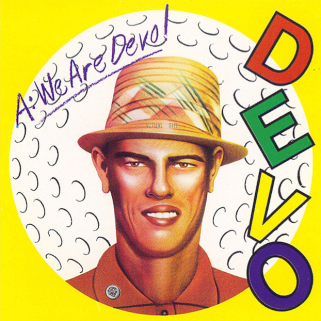
7.16 Devo - Q Are We Not Men

Devo – Q: Are We Not Men? A: We Are Devo (1978). Across the pond, Devo had a couple of their first singles, “Satisfaction” (a total re-imagination of The Stones’ classic) and “Jocko Homo,” released by the great Stiff Records. They quickly became the darlings of the new wave and caught the ear of Brian Eno who produced this album. Devo may be the greatest political band whom everyone thinks is a novelty act, which is the most subversive thing ever!

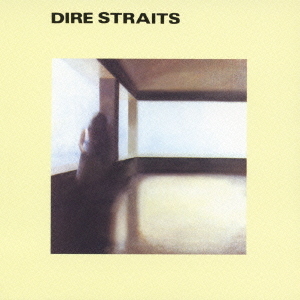
7.16 Dire Straits - Dire Straits

Dire Straits – Dire Straits (1978). During a year in which some many exciting new sounds were being thrown at us, along comes an English band who have worshiped at the alter of laidback bluesman J.J. Cale. The guitar sound is coupled with Dylanesque lyrics to give us a shocking throwback sound that was at the same time very modern. Welcome Mark Knopfler, our newest guitar hero.

7.16 Elvis Costello - This Years Model

Elvis Costello & the Attractions – This Year’s Model (1978). So, how did Elvis follow up his debut? Well, he upped the ante higher by employing one of rock’s greatest backing bands to set fire to this group of tunes. If the debut got his foot in the door, his sophomore effort blew the door off its hinges. Oh, and this album contains the infamous “Radio, Radio,” which he was not supposed to play on Saturday Night Live, but he did anyway. To me, Elvis ranks up there with Springsteen, Petty and Prince as the greatest songwriters of my generation.

7.16 Funkadelic - One Nation Under a Groove

Funkadelic – One Nation Under a Groove (1978). This was the year in which, in reality, there was no real distinction between the sounds of Parliament and Funkadelic. I remember first hearing the single “One Nation Under a Groove” at that aforementioned track meet disco in the athlete’s village. The smartass DJ segued “Flashlight” right into “One Nation,” and I immediately went to dancefloor heaven. I can remember that night…

And there you have it! The first ten albums of 1978 on my list. And, I promise, the next 20 are just as strong. Peace!

1977, Day 3: My 1000 Favorite Albums

5.17 Top 1000 Albums_LI

I understand that I am covering 1977, but allow me a little creative digression here. Yesterday, 13 July 1985, was the 35th anniversary of Live Aid, perhaps the single most important concert of my generation. It just so happens that the day was also my older son’s birthday. After a quick delivery early that morning, my new family was moved into the recovery room, Live Aid had been underway for 10 minutes. When all got to the room, I turned on the TV to see The Style Council being announced. Immediately, the band went right into “You’re the Best Thing,” which happened to be our song throughout dating and our first dance at our wedding. It was a magical moment to have that song as the soundtrack to our first moments with Graham. It was as if Paul and his band were giving us a special gift.

Yesterday was a crazy day here, as Graham and his family are moving to a home nearer to us, so everyone was in and out of here under that stress you have when moving. Perhaps the highlight was a little unplanned moment in which both sons, my younger son’s wife, both grandchildren and the two of us were here for a couple hours of sheer joy and craziness. It was another great family moment with a group of people who, despite their vast differences in personalities and all very strong-willed and head-strong, just let things go for a short moment to laugh and carry on.

Once again, this has NOTHING to do with my subject, I simply wanted to share that I had a pretty cool day yesterday. And, like usual, my body is in full revolt from yesterday’s fun. Oh well, what’s pain anyway? It’s just my life.

Time to finish up 1977.

7.13 Sex Pistols - Never Mind the Bollocks Here's the Sex Pistols

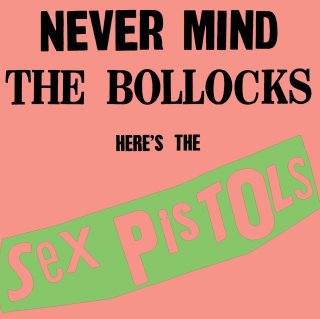
Sex Pistols – Never Mind the Bollocks, Here’s the Sex Pistols (1977). So, the Ramones got the ball rolling, but the Pistols, warts and all, brought the notoriety to the punk movement. Believe it or not, this is one album that lived up to the hype. The Sex Pistols only lasted long enough for a single album, and it may have lost the initial battle. Yet, going on 45 years later, they won the war.

7.13 Steely Dan - Aja

Steely Dan – Aja (1977). This is peak Dan here. Everything was perfected, from the songwriting to the playing to the production work to the engineering. This is the moment when jazz ideals and rock music intersected.

7.13 Styx - The Grand Illusion

Styx – The Grand Illusion (1977). Don’t laugh! Long before they did that crap novelty song “Mr. Roboto,” Styx were one of the biggest-selling bands in the world thanks mainly to the rabid base of American teens like me. Their mixture of pop versions of hard progressive rock was the perfect tonic to those of us in high school at the time. Actually, at this moment, they were kind of a lite-Rush and one helluva band in concert. It’s a shame that Dennis DeYoung took the band down a bit of a Broadway path beginning with “Babe.”

7.13 Suicide - Suicide

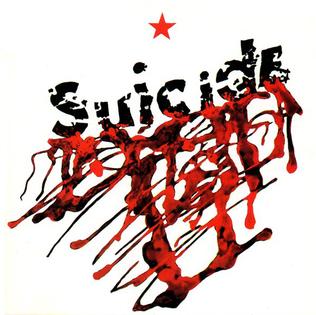
Suicide – Suicide (1977). Here is Kraftwerk’s first big influence. Suicide was a punk band using nothing but electronic instruments, something of a forerunner to the whole industrial sound of the late-Eighties and Nineties. Their are no wailing guitars, just rock noise made by early drum machines, synths and organs in an analog mayhem accompanying some of the most ghostly vocals ever recorded. This is not new wave for the faint-hearted; this is The Stooges being set to a new soundscape.

7.13 Talking Heads - 77

Talking Heads – Talking Heads: 77 (1977). Talking Heads’ debut is known for their classic song “Psycho Killer,” but that is not the only highlight here. Talking Heads basically picked up the baton dropped by The Modern Lovers by taking that band’s nervous energy, nerdy lyrical obsessions and even that band’s guitarist/keyboardist Jerry Harrison to great arty heights by throwing in some R&B/funk and bubblegum tinges. This is a true musical amalgamation being created by some former art school students.

7.13 Television - Marquee Moon

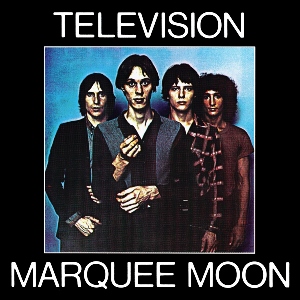
Television – Marquee Moon (1977). This band has been forgotten with time, and that’s a shame. First off, this is a classic album, but the question remains. Were Television a punk band or a rock band? My thoughts are yes! While their attitude, approach and lyrics were definitely based in the punk ethic, their music and, especially, their two-prong guitar attack were nothing but jam band rock. This band should be shown much more reverence than they currently are.

7.13 The Clash - The Clash

The Clash – The Clash (1977). Without question, this is the best punk rock album from the original era. It has everything with which the genre is associated: attitude, moral outrage and intense playing. While the Ramones and Sex Pistols get all the press, The Clash were becoming “The only band that matters.”

7.13 The Damned - Damned Damned Damned

The Damned – Damned, Damned, Damned (1977). So, The Clash became the greatest, The Jam the most underrated, the Pistols the most notorious of the UK punk scene, it was The Damned who released the first album from that scene. And what an album it is! In the very near future, The Damned will move into a more Gothic rock territory, but at this moment, they were making some very exciting punk rock noise.

7.13 The Heartbreakers - LAMF

The Heartbreakers – L.A.M.F. (1977). This is Johnny Thunders’ version, NOT Tom Petty’s! Remember, Johnny Thunders was the Joe Perry character in the New York Dolls’ NYC-version of Aerosmith. The only thing is that Thunders took the whole heroin addict-thing to a whole new level of pathetic. But, before he scaled down to the lower reaches of hell, he was a punk god, and this album is his band’s masterpiece. The Heartbreakers bridged the gap between the Dolls’ proto-punk sound and the whole CBGBs scene.

7.13 Various - Saturday Night Fever OST

Various Artists – Saturday Night Fever OST (1977). Prior to the massive success of this album, disco was still a subversive underground sound generally preferred by blacks, gays and Latinos. You know, the underground of the underground. Then, artists like the Bee Gees began to write terrific songs with their eyes on the dance floors at these discos. When this soundtrack become a phenomenon, disco went mainstream with the music being deemed acceptable by white people of all ages. The crazy thing is disco never died, it just went back underground. This album happens to be an excellent document of the whole hedonistic movement. The movie? It’s dark, like much of the films in the Seventies. But, the bright music of this soundtrack lives on.

And, that ends our journey through 1977. Until next time, keep your feet on the ground and keep reaching for the stars. Stay safe and healthy! Peace!

1977, Part 2: My 1000 Favorite Albums

5.17 Top 1000 Albums_LI

So far, I have covered 300 of my favorite albums through the first of three days concerning 1977. I had to take a week-long break due to taking care of our grandchildren because their parents are using us to delay the rascals returning to daycare. See? I raised some smart kids! Plus, over the past two weeks, the youngest Kellers in the family have celebrated their second and first birthdays respectively. Add to that the fact that my older son and his family are moving this coming week, it has been a little hectic around here. Of course, this is all happening during the whole COVID pandemic that seems not to be taken seriously by a majority of the community in which I have resided most of my life. Like all of you, it’s been a little stressful.

So, let’s get back to something that allows me to decompress from the stress and anxieties of life, and that’s music. Since we are in the middle of 1977 on my list of my 1000 favorite albums of all-time, allow me some time to proffer a few words about the year. My recollection is that critics at the time where praising the year being as important as 1957 (Elvis, Little Richard, Chuck Berry, James Brown, etc.) and 1967 (Sgt. Pepper and the whole Summer of Love-thing, et. al.). As far as my list is concerned, all of those years are pretty important. Yet, I would like to point out that I feel like 1969, 1972, 1979, 1983, 1984 and 1987 are all pretty much landmark years. Still, 1977 was stellar with many AOR artists beginning to peak around this year, Southern Rock was a diminishing albeit strong force, disco and funk were flexing their muscles, and punk was just breaking wide open on both sides of the Atlantic.

So, 1977 was a pretty good year, at least much better than 1967 and as important as 1957. Which leads me to my proof, the albums on today’s list. All of my 1977 picks are still found on my turntable to this day.

7.12 Iggy Pop - Lust for Life

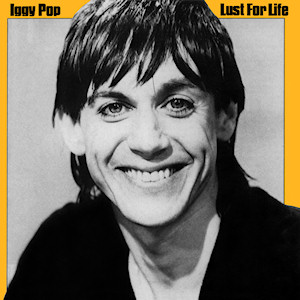
Iggy Pop – Lust for Life (1977). The second of two fantastic solo albums by the godfather of punk and former lead singer of The Stooges Iggy Pop, Lust for Life is the rowdier and more aggressive of the two discs. Of course, David Bowie’s fingerprints are found all over both LPs, as he Pop into more commercial areas without sacrificing his grit. Of course, the title song has been used to death in movie soundtracks and for pimping various items and services on TV commercials.

7.12 Iggy Pop - The Idiot

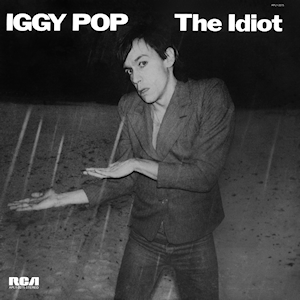
Iggy Pop – The Idiot (1977). By the time his debut solo album was rolled out, Pop had seen his Stooges disintegrate, entered a mental institution upon his own request and was living a life more known for his abuses than his music. Then, David Bowie entered his life and offered him a way out of his funk. The Idiot is a contemplative and confident return to his status in rock music. Timed perfectly with the breakout of punk, Pop rose to the occasion on the album and resurrected his career.

7.12 Kiss - Love Gun

Kiss – Love Gun (1977). Kiss released their sixth studio album in four years, which just might be their most consistent and mature statement ever. Where Destroyer was about a story and artistry, Love Gun is all about rocking out. And, pretty much, that’s what the band did. This is the gold standard for all Kiss albums to be measured against here on out.

7.12 Kraftwerk - Trans-Europe Express

Kraftwerk – Trans-Europe Express (1977). While Autobahn was a left-field hit, Trans-Europe Express remains this German band’s most accessible album. Kraftwerk was just figuring out how to make those synthesizers to rock without undermining the melodies and dance nature of their songs. Arguably, this album just might be their most influential since the whole UK synthpop phenomenon began shortly after this album was digested by a bunch of electronics geeks.

7.12 Lynyrd Skynyrd - Street Survivors

Lynyrd Skynyrd – Street Survivors (1977). Sadly, this album was the final album of the original lineup of the band. After a couple of artistically lackluster albums, Skynyrd was back to doing what is did best: a three-guitar attack, rocking rhythms, jam band-like tendencies and a lyrical struggle just to find where a Southern Man stood in society. Personally, I wish lyricist and lead singer Ronnie Van Zandt had survived the plane crash because, maybe, just maybe, his struggle might have helped ease the tension between the South and their revisionist culture and “Yankee” points-of-view. Fortunately, the Drive-By Truckers have picked up the mantle and run with it a bit here in the 21st century, but it may have been too late to make an immediate difference.

7.12 Meat Loaf - Bat Out of Hell

Meat Loaf – Bat Out of Hell (1977). People my age are NOT afraid to express their reverence for this album. Loaf, fresh off the movie set of The Rocky Horror Picture Show, teamed with songwriter Jim Steinman and producer Todd Rundgren to produce one of the most overblown, over-dramatic, Broadway- and Springsteen-influenced Walls of Sound ever committed to vinyl. On paper, this whole concept sounds like the ideas of a crazy person, and Rundgren even confirms this thought. Yet, it works perfectly to give voice to the geeky teenage boys whom girls wouldn’t touch with a ten-foot pole, not unlike this writer. I still love this album!

7.12 Pink Floyd - Animals

Pink Floyd – Animals (1977). This album, which is sandwiched between two legendary albums and arguably one of the greatest double albums in rock history, Pink Floyd dropped this underappreciated album. Animals is similar to Alan Parsons Project’s terrific ode to Edgar Alan Poe’s writing on their Tales of Mystery and Imagination of Edgar Alan Poe with the band taking on George Orwell’s fable Animal Farm. The songs are written from the points-of-view of the various groups of animals in the book. When taken as a concept, this album is brilliant. But, when put into the context of the band’s Seventies output, it doesn’t quite stand up. Still, I think there is an endless supply of musicians who wish they had created an album of this quality.

7.12 Ramones - Leave Home

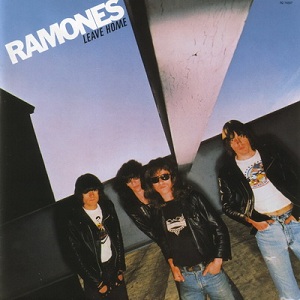
Ramones – Leave Home (1977). Much like any other band, this sophomore offering by punk’s most original band is not quite up to the standards of their debut album. But that’s not to knock Leave Home. This is a great album with some fantastic songs. I remember some buddies of mine singing “Suzy Is a Headbanger” in the halls of my high school.

7.12 Ramones - Rocket to Russia

Ramones – Rocket to Russia (1977). For my money, this is the Ramones’ best album. On Rocket, the band perfected their punk sound of muscular bubblegum music. Sure, the debut was the blueprint and the second album was the rehash, but this one is the gold standard.

7.12 Richard Hell & the Voidoids - Blank Generation

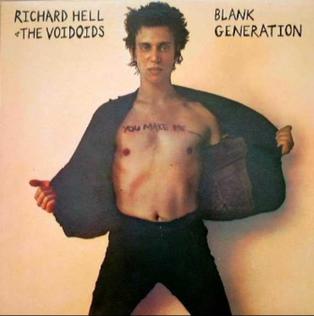
Richard Hell & the Voidoids – Blank Generation (1977). While Patti Smith filled the poet role in the punk movement, Richard Hell took the Beat poet mantle as the artistic street urchin in a NYC punk band. After a stint in the seminal CBGB punkish band Television, Hell struck out on his own, following his artistic muse into the street hell of Lou Reed. And, this is his magnificent statement that is a direct influence on the whole LA hardcore scene of the late-Seventies and Eighties. And, the title song is THE anthem for my generation of late-Boomers and early-Gen X-ers. Oh, and my wife STILL closes the door on my music room when this album is played. Definitely not performed for the weak-hearted listeners.

I’ll finish up 1977 next time. Until then, keep on rockin’ in the free world!

I Am Getting Closer to the Meat of the Lineup in My 1000 Favorite Albums with 1977, Part 1

5.17 Top 1000 Albums_LI

In the United States, there are five birthdays which are major in one’s life. The first one is when you turn 10, because you are now in double digits. Next, that’s when you turn 13 because you are officially a teenager, whatever that means. Then, when you turn 16, you are eligible to get your driver’s license, which you think means freedom. Unfortunately, no one warns you that it means insurance payments to you parents so you can drive their car, or, if you’re lucky, your own car. That one is followed up by your eighteenth birthday, meaning you are somewhat, but not fully, an adult. Finally, you turn 21, then you can drink, in addition to being required to take on adult responsibilities, which you discover sucks more than ever.
Oh, sure, your 30th, 40th and 50th birthdays are big deals to others but honestly not to you. And, I am certain that the rest of my birthdays will be the same to me, as 51 through 57 have been met with my own personal nonchalance. Truth be told, I would much rather watch my grandkids play around than to celebrate another birthday. Then, either retire to listen to music and write or read or watch a basketball game. But, those birthdays are special to my family, so I will play the game for them.

So, what does this have to do with 1977? Well, I did reach a somewhat significant milestone in the fall of that year because I started high school. I was excited because I had large intellectual dreams of higher learning at the time. Boy, was I ever wrong. I guess that’s why I attempted to teach chemistry at a higher level than what was required by the state. I know many of the students I would be teaching would be coming into it bored and developing a deep cynicism toward public education. I knew that because I had been there. So, I attempted to make chemistry and microbiology at a high enough level that it would challenge the average “good” student, resulting in everyone being forced to raise their academic efforts. I wanted to be close to the teacher that I would have wanted growing up. You know, someone that students bitched about because they were being forced out of their comfort zones.

Anyway, if you were to look at my favorite 15 years of music as a baseball batting lineup, 1975 and 1976 represent the lead-off hitter, basically setting the table for what was to come latter in the order. Now, 1977 and 1978 are batting in the “two-hole” so they can advance the runner for the meat of the lineup that’s waiting to hit. So, 1977 is definitely advancing my musical palette with some obviously classic albums, along with some surprises, as usual.

Batter up!

7.6 Billy Joel - The Stranger

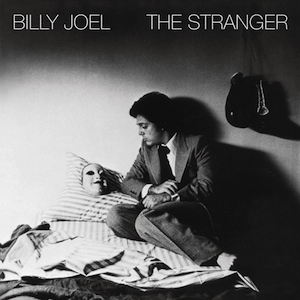
Billy Joel – The Stranger (1977). This album was kind just selling steadily until Joel skipped his high school class reunion to perform on Saturday Night Live early in the year. His great performances really jump-started his career, which we all know how it went. And, this album remains his finest statement. Often compared to Elton John as an American version, I find that limiting and unfair. Joel IS uniquely American, as his music is as steeped in rock & roll as it is Broadway and Tin Pan Alley. This album was one of my pre-race “go-to” albums when I was a high school runner.

7.6 Bob Marley and the Wailers - Exodus

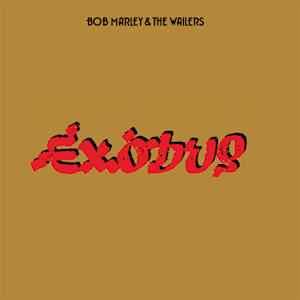
Bob Marley & the Wailers – Exodus (1977). As 1977 rolled around, Marley had become the most successful reggae artist in the world and, perhaps, the most powerful man in Jamaica. At least, Marley was believed to be powerful enough to have an assassination attempt taken on him. This only solidified his resolve to produce what I consider his greatest album. Seriously, he has the title song, “Jamming,” “One Love/People Get Ready” and “Waiting in Vain” all on this album. Please!

7.6 Cheap Trick - Cheap Trick

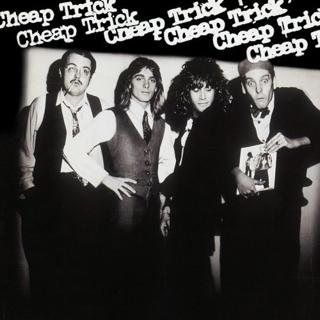
Cheap Trick – Cheap Trick (1977). Cheap Trick’s debut album set the stage for the Alternative Nation of Eighties and Nineties, as well as, unfortunately, hair metal. Their American Beatles sound channeled through early Who power also set the stage for power pop and new wave. Were they punk or arena rock? Yes.

7.6 Cheap Trick - In Color

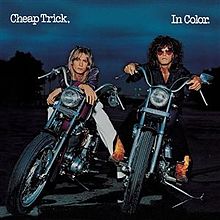
Cheap Trick – In Color (1977). Our heroes from Rockford, Illinois, released two classic albums in the calendar year of 1977. This was steeped more on their pop side more than their rockier side. Still, it remains a power pop classic in the truest sense. Plus, much of what is recorded for At Budokan is found in its rudimentary forms. I became a life-long Cheap Trick fan with this album.

7.6 David Bowie - Heroes

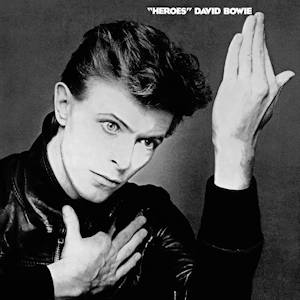
David Bowie – “Heroes” (1977). The middle of Bowie’s much regarded Berlin trilogy just might be his finest of the three. As he and producer Brian Eno did with Low earlier in the year, half of the album has vocals while the other does not. All of these albums were steeped in the synthesizer experiments as defined by Kraftwerk. Simply a brilliant album.

7.6 David Bowie - Low

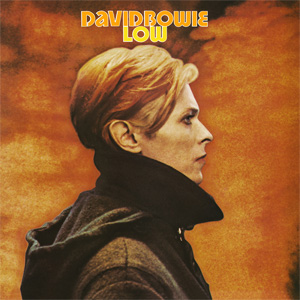
David Bowie – Low (1977). If you bought this album hoping to hear either “Fame 2.0” or “Golden Years, Part 2,” you were disappointed. But, you were cognizant of Bowie’s penchant for musical shifting, you were left stunned by the greatness of this album. No, it is not a punk album either. Instead, this album, along with the other two albums that he and Eno produced in Berlin anticipated the whole post-punk and new wave world that would be left in punk’s wake. Jarring, yet beautiful!

7.6 Dennis Wilson - Pacific Ocean Blue

Dennis Wilson – Pacific Ocean Blues (1977). The one Wilson brother voted least likely to have a solo career is the one who created the best adult version of The Beach Boys’ sound. This album, which I did not discover until well into the 21st century, is simply spectacular.

7.6 ELO - Out of the Blue

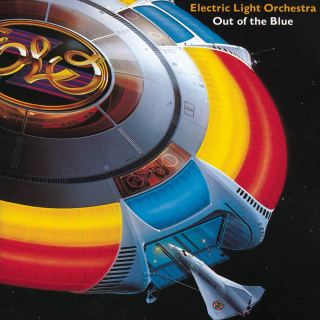
Electric Light Orchestra – Out of the Blue (1977). Seriously! Who knew that you could actually record a compelling concept album based upon the weather. Of course, ELO could. And, it is magnificent in its scope, as only a Seventies album this side of Queen could ever create. Oh, and it has one of the greatest odes to The Beatles EVER concocted in “Mr. Blue Sky.” Jeff Lynne actually “out-Beatled” The Beatles.

7.6 Elvis Costello - My Aim Is True

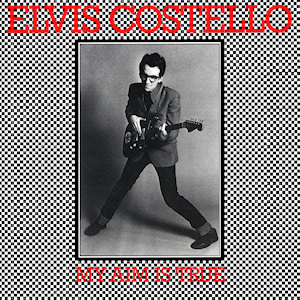
Elvis Costello – My Aim Is True (1977). Once again, another album that completely changed my life, Costello IS my Elvis. This is just a perfect album in a long line of perfect albums that Elvis made early in his career. Much is made about his lyrics, but his music mind is every bit as deep as his wordsmith. He is my generation’s Dylan, Lennon or Cobain.

7.6 Fleetwood Mac - Rumours

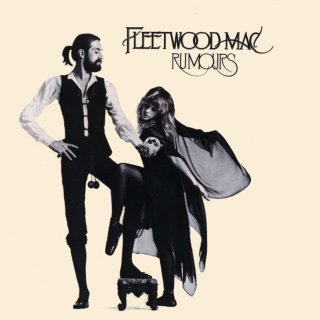
Fleetwood Mac – Rumours (1977). Another of the HUGE selling albums of the Seventies, this album chronicled the falling apart of three couples, two of which were in the band together. And, how, when each one knew a song was about another, could hold it together to create such terrific music is incomprehensible to us mortals. Every song is just impeccably written, performed and produced. And, every one of them deserves to be overplayed on Classic Rock radio.

So, until next time! Peace!

1976, Part 2: My 1000 Favorite Albums

5.17 Top 1000 Albums_LI

So, sue me! I have left off my list two of possibly the biggest selling albums of the year: Wings at the Speed of Sound and Rod Stewart’s A Night on the Town. Wanna know why? I find them tedious and boring, even though I am currently listening to the former right now. They are just not these great artists’ best albums.

Unfortunately, I could not justify leaving space of Wild Cherry’s debut album, even if it does contain their brilliant one hit “Play That Funky Music.” Same goes for Manfred Mann’s Earth Band and their fun The Roaring Silence (with their Springsteen cover “Blinded by the Light) and Klaatu’s “are they The Beatles incognito or not?” debut. I love them all, but they are not classics. They represent curious albums that for some reason hold a dear place in my heart.

No, classic albums have a clear artistic statement being made by the artist. Maybe it takes years to discover it, maybe it’s immediate. They may have massive commercial appeal and maybe they did not, at least during their time. But, most have gone on to (or continue to) influence other artists, future trends or all of the above. Plus, in all honesty, I divide music into two specific categories: good and bad. And, what may be perceived to be “good” by me, may be horrible to you, and vice versa. That’s the true beauty of music. Whatever touches your heart and soul, that’s the music which is important to you and me.

So, let’s finish off the year of the bicentennial.

7.4 The Modern Lovers - The Modern Lovers

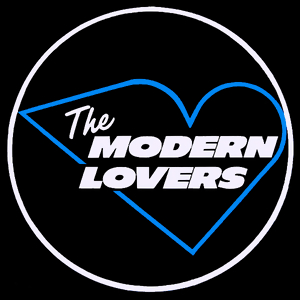
The Modern Lovers – The Modern Lovers (1976). This album was actually recorded in 1973 with former Velvet Underground man John Cale as the producer. This album is full of geeky lyrics, stripped down VU-influenced rock that fit perfectly into the new punk scene that was developing in the NYC underground. Now, the Lou Reed detached cynicism is replaced with Jonathan Richman’s nerdy obsessions, subject matter that was new to rock music yet would soon become common place. Just listen to the Ramones, Talking Heads, Weezer or any other nerd rockers from this moment onward. Oh, the band includes a future member of Talking Heads, guitarist/keyboardist Jerry Harrison.

7.4 Parliament - Mothership Connection

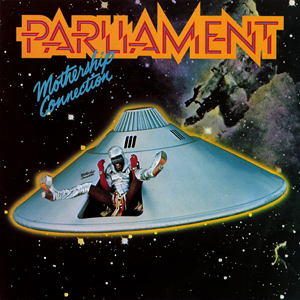
Parliament – Mothership Connection (1976). George Clinton’s band of cosmic funkateers seemed to drop on Earth as some mix of Sly & the Family Stone, Jimi Hendrix, James Brown, Frank Zappa & the Mothers of Invention and Kiss just in time to bring the funk to the masses. These acid-drenched, cocaine-fueled musicians tore the roof off the sucker and burnt the mother down with this album. Finally, the future was now!

Peter Frampton

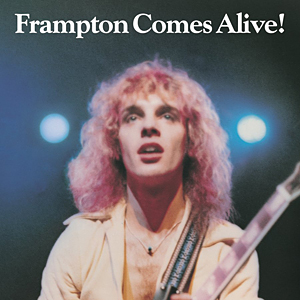
Peter Frampton – Frampton Comes Alive (1976). Kiss’ Alive! may have won the hearts of teenage boys everywhere, it was Frampton Comes Alive that sold the most copies, ever at the time. Of course, there was much to appeal to the masses: good songs, great performances, likable personality and Frampton’s good looks. 1976 was Frampton’s year.

7.4 Peter Tosh - Legalize It

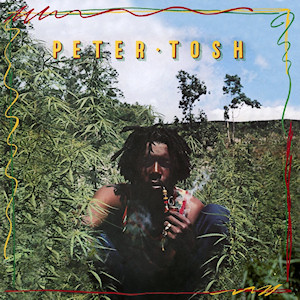
Peter Tosh – Legalize It (1976). Want to know how deep the talent was in Bob Marley’s Wailers? Peter Tosh left the band at the end of 1975, and Marley still released some awfully good music. Of course, Tosh released this ode to marijuana that remains one of the finest examples of reggae music ever released. Tosh going solo allowed him to develop his own self-righteous voice.

7.4 Queen - A Day at the Races

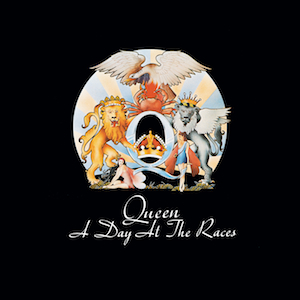
Queen – A Day at the Races (1976). Many critics incorrectly have side this album was a simple rehash of A Night at the Opera due to the similar album title and artwork. I’d argue that this album was a the beginning of the band transitioning from rock gods into rock immortals. Seriously, how is “Somebody to Love,” broadly an ode to gospel music, specifically a nod to Aretha Franklin, just an obvious followup to “Bohemian Rhapsody.” other than the layered vocals? And, ANATO didn’t have a rocker like “Tie Your Mother Down.” Sure, they are similarities, but that’s the Queen sound, not redundant ideas.

7.4 Ramones - Ramones

Ramones – Ramones (1976). If The Stooges, New York Dolls and Patti Smith all are considered to be the pre-punk calling cards, that’s because the Ramones’ debut is when the dam broke open. Yes, the Ramones were NYC caricatures, but that was all part of the joke. The music was the real thing. Afterwards, musicians of the Eighties and Nineties all praised how they learned to play their instruments by putting the sound through one speaker to learn the guitar and vocals and the other for the bass and drums. Now, that’s how you spread the gospel of punk in the modern world.

7.4 Rush - 2112

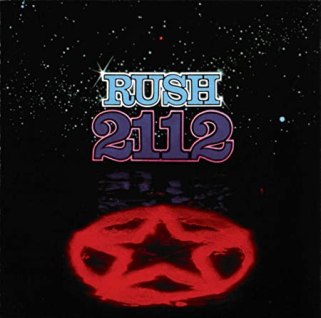
Rush – 2112 (1976). After having the world open upon hearing Kiss, teenage boys in my middle school were ready for the next thing. And into that void comes a Canadian band to talk all about getting authority figures off our backs. And, 2112 became something of an underground phenomenon, as the album was passed around from boy to boy until it reached me. Suddenly, I was discovering Ayn Rand and reading her books. And, just as quickly, I was discarding her “philosophy” as being too simplistic and lacking a workable way to be extrapolated to a macroscopic world. Man, was I ever a complicated kid.

7.4 Steve Miller Band - Fly Like an Eagle

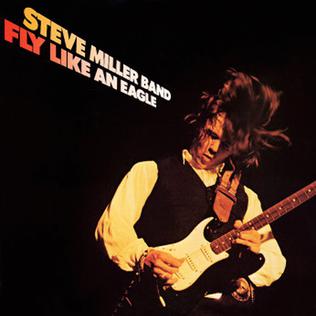
Steve Miller Band – Fly like an Eagle (1976). If modern Pink Floyd were the blues for the Space Age, then the Steve Miller Band represented blues for SkyLab, not as exciting and deep but still modern sounding. Miller really captured the artistic and commercial zeitgeist of blues for the modern man by incorporating synthesizers. Today, it might sound a little dated, but that’s cool. It still sounds and smells like 1976.

7.4 Stevie Wonder - Songs in the Key of Life

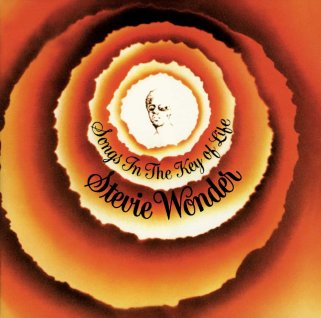
Stevie Wonder – Songs in the Key of Life (1976). This double album AND an EP is Wonder’s masterpiece. For Prince fans, this album represents BOTH his 1999 AND Sign ‘o’ the Times simultaneously. You get everything that Wonder was working on previously, such as funk, soul, easy listening, as well as more controlled synthesized music, jazz flourishes and even an ode to the big band era in the timeless “Sir Duke.”

7.4 The Runaways - The Runaways

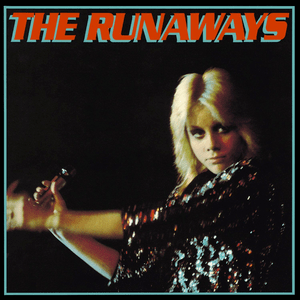
The Runaways – The Runaways (1976). You younguns just don’t understand this fact. This was the first all-teen female rock/punk band ever (apologies to the ladies of The Shags and Fanny). Yes, the band was marketed as jail-bait by the pervy Kim Fowley. But, he did put together a talented band, with punk godmother Joan Jett, punk-glam-chic Cherie Curie, metal goddess Lita Ford, and the excellent rhythm section of bassist, future Jeopardy champion, Jackie Fox and supremely talented drummer Sandy West. Together, these ladies knocked down the door opened by the Wilson sisters of Heart.

7.4 Thin Lizzy - Jailbreak

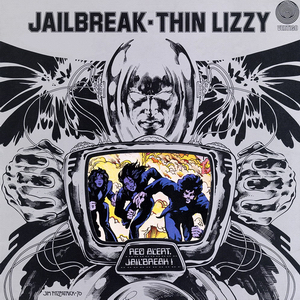
Thin Lizzy – Jailbreak (1976). Bassist Phil Lynott, the obvious Irish-rocker poet heir to Van Morrison and a graduate of the Springsteen school of wordplay and sincerity, brought his Irish hard rock vision to the States. Unfortunately, his music did not find the large following in the States that it deserved. But, those who heard them became musicians themselves. If they had been on any other Rock & Roll Hall of Fame ballot other than the 2020 list, they would be shoo-ins for induction.

7.4 Tom Petty and the Heartbreakers - Tom Petty and the Heartbreakers

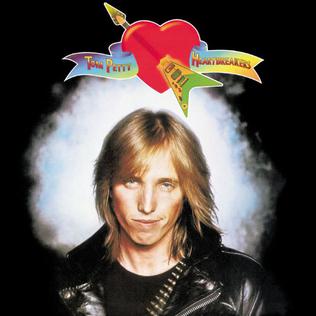
Tom Petty & the Heartbreakers – Tom Petty & the Heartbreakers (1976). See if you can discover the influences of this band on their debut? Let’s see, hmmm, there’s The Byrds’ Rickenbacker jangle and their vocal harmonies, but there’s something Stones-ish in their rhythm section, their guitars are steeped in the blues, and I hear some definite punk attitude in the lyrics and Petty’s vocals. Oh, but the band is so much more than all of their influences. This is the beginning of a brilliant band. Oh, my proof? “American Girl” and “Breakdown,” of course.

7.4 Warren Zevon - Warren Zevon

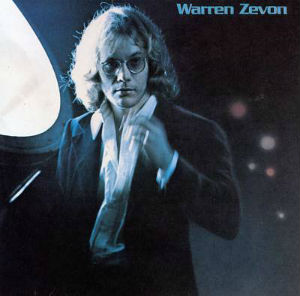
Warren Zevon – Warren Zevon (1976). Technically, this is Zevon’s sophomore release, but it does seem like a whole new career when compared to his stinker of a debut. This album has the harder-edged West Coast sound of Ronstadt, Browne and the Mac that was so popular at the time. But, it is full of all the cynical sass that made Zevon a favorite of late night king and Ball State alum David Letterman. The album includes two songs that Ronstadt will beautifully sing straight, without a trace of the acerbic wit of Zevon’s originals” “Hasten Down the Wind” and “Poor, Poor Pitiful Me.” I still cannot believe that he is not in the RRHOF. Next to Chic, Carole King and session bassist Carol Kaye, that is the biggest snub in history.

And that’s the way I see 1976. Next time, we will be starting my high school years.


Time for 1976 on My 1000 Favorite Albums of All-Time

5.17 Top 1000 Albums_LI

Well, it’s Independence Day, a day I used to get all excited for. As a kid, most of the families on our cul-de-sac in the neighborhood would get together to pool our fireworks while one father, with a martini and cigarette in one hand and a small blowtorch in the other, would like them for us. As we all grew up, that gave way to a tradition of my mom, brother and me joining my uncle and aunt at their house for some fireworks, capped off with my uncle, ever the history nut and teacher and Civil War expert, would pack his small cannon with gun powder and packing. He’d then point “Old Hummer” in the direction of one of his neighbors that was bugging him that particular summer, light the fuse on that little cannon, and, “BOOM!” That little thing would wake up the neighborhood, and Uncle Dick would simply cackle with delight. If the man weren’t Lutheran, I’d swear he would have thought he was a reincarnated Civil War veteran (Lutherans don’t believe in reincarnation, though I might find some scientific validity to the idea in matter can neither be created nor destroyed, it just changes form.).

During my college years, I’d go up to the frat house and watch my brothers have a bottle rocket fight in the house. Finally, as a father, I would try to teach my boys some of the science behind the colors being made, but they, like any boy, would just want to blow up firecrackers and fire off bottle rockets. As a matter of fact, they would have me buy some many of those things with their money that they would be periodically firing that stuff off for years, be it New Year’s Day at midnight, birthdays, special occasions or whenever the mood struck them.

But, Independence Day in 1976 was hyped so much that it never did leave up to it. But that should not have surprised me, as 1976 was the year my dad left my mom. So, it was full of disappointment. Except for a couple areas of refuge in my life at the time, I was excelling in sports and the music I was listening to was fantastic.

Let’s check out a portion of my favorites from 1976.

7.4 ABBA - Arrival

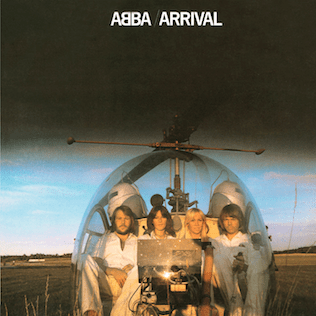
ABBA – Arrival (1976). Don’t laugh! I love ABBA! They were the quintessential pop band of the Seventies, and this album is their first classic of their career. “Dancing Queen” is the big one on the album.

7.4 Aerosmith - Rocks

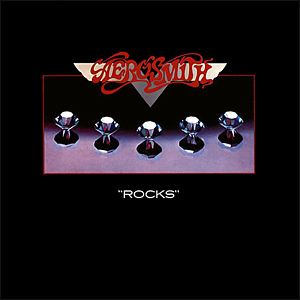
Aerosmith – Rocks (1976). Toys in the Attic put the Boston band on the map, but Rocks is the band’s greatest album. They grew by leaps and bounds, as this album became one of my go-to LPs of that summer. How can you go wrong with “Last Child,” “Back in the Saddle,” “Rats in the Cellar” AND “Sick as a Dog.”

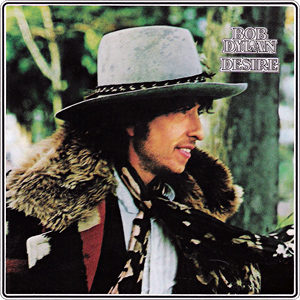
7.4 Bob Dylan - Desire

Bob Dylan – Desire (1976). If Blood on the Tracks was Dylan at his most personal, Desire finds Bob trying to pull back a bit while still having his marriage crumble around him. While not as focused as the previous album, Desire still finds Dylan in the middle of his mid-Seventies renaissance.

7.4 Bob Seger - Live Bullet

Bob Seger & the Silver Bullet Band – Live Bullet (1976). Live albums were kind to many of the great journeymen rockers of the day in the mid-Seventies. Kiss, Cheap Trick, Thin Lizzy, Peter Frampton and Seger all had live albums save their careers. And, Seger may have taken the best advantage that Live Bullet gave him. This album showed the world the brilliance of the man, music and his band’s live performance on a night when they might have been the greatest show on earth. After all these years, I still love “Turn the Page.”

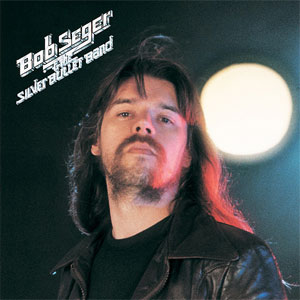
7.4 Bob Seger - Night Moves

Bob Seger & the Silver Bullet Band – Night Moves (1976). As I said, Seger took advantage of his new found fame, wrote was terrific songs and let the world come to him with this album. This album was perfect for teens in the themes covered, although we never realized that those themes would resonate more as adults.

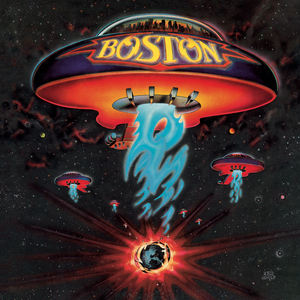
7.4 Boston - Boston

Boston – Boston (1976). This album changed the course of rock history. Before this album, hard rock was based in blues-based thing called boogie, typified by Bachman-Turner Overdrive and Humble Pie. Then, Boston brought to the world this clean-sounding arena rock sound on this album. Unfortunately, many of the bands that followed in Boston’s wake lacked Tom Scholz’ soulful production values and his guitar-stacking sounds, while no other band has a the soaring vocals of Brad Delph. This is very close to a perfect album, almost like a greatest hits album. No wonder the band only releases an album every decade or so.

7.4 Boz Scaggs - Silk Degrees

Boz Scaggs – Silk Degrees (1976). Originally, Scaggs began as a blues rock singer with Steve Miller’s original band. Eventually, Boz, much like the Bee Gees did the year before, stumbled upon a new sound that was steeped in R&B with light touches of disco thrown. In Scaggs’ case, he stumbled into a sound we now call Yacht Rock. For a teenager, this was perfect background music for reading, talking on the phone with your girlfriend or most any gathering of people your age. Plus, “Lowdown” is just plain sexy, while “Lido Shuffle” is simply fun.

7.4 David Bowie - Station to Station

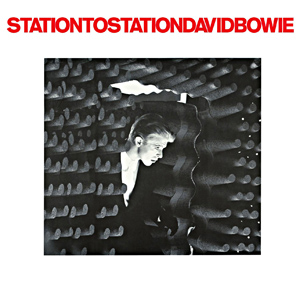
David Bowie – Station to Station (1976). Ever the chameleon, Bowie now transitions from glitter rock god to Philly soul man to, now, The Thin White Duke, whatever that meant. To me? I think it represented that Bowie was keeping some of the soul in his music from Young Americans, but also beginning to integrate new sounds coming from Kraftwerk and the burgeoning punk scene. That man was the ultimate rock alchemist. The proof is all in his hit “Golden Years.”

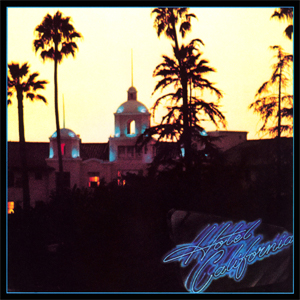
7.4 Eagles - Hotel California

Eagles – Hotel California (1976). The Eagles were a great pop/rock band with some country leanings. But, Hotel California was on a whole other level. They elevated their game so much that it became nearly impossible to follow it up. This album was the perfect metaphor for an American culture that was being bogged down by its past. Ironically, it is the perfect album for today, as we face a similar crisis in confidence.

7.4 ELO - A New World Record

Electric Light Orchestra – A New World Record (1976). Originally, ELO was formed with the intention of taking The Beatles’ Magical Mystery Tour, melding it with some symphonic flourishes, all the while bringing it up-to-date. This is the album in which the band finally reaches this goal, all the while creating their own voice. Credit has got to go to Jeff Lynne for willing the band to greatness.

7.4 Flamin' Groovies - Shake Some Action

Flamin’ Groovies – Shake Some Action (1976). Back in 1983 when I was working in Wisconsin, one of my buddies came up to me, holding a cassette tape telling me, “This is the greatest rock & roll album of all time!” Well, we went back to his dorm room and listened to it. This album was the perfect mix of punk attitude and power pop fun that I fell in love with it immediately. Today, many critics consider it a classic, as do I. This was a veteran San Francisco band that had been playing this type of music for nearly a decade when the world finally caught up to them. There are many similarities between the Groovies and Big Star as far as their career trajectories are concerned. But, that’s were they end, as this band has more in common with the Dave Clark Five than The Beatles. This one is fun from beginning to end.

7.4 Jackson Browne - The Pretender

Jackson Browne – The Pretender (1976). Browne was a known quantity and well-established artist by the time he released this album. Unfortunately, the tragedy of losing his young wife to a suicide led the man to channel all of his pain into making this outstanding album. If you aren’t moved by “Here Comes Those Tears Again,” then you are heartless.

7.4 Kansas - Leftoverture

Kansas – Leftoverture (1976). Seriously, who would have ever expected an prog rock band with lyrics that borrowed from Christianity, hailing from the great state of Kansas, to create one of the classic albums of the Seventies? And, they even had a Top 10 hit with “Carry on Wayward Son.” My dad, proving to be ever-behind-the-curve when music was concerned, once asked me if I had ever heard this rock band who played with a violin called Kansas? I just smirked and smiled, knowing that he had unwittingly bought that album for me a year earlier than when he asked me. Parents!

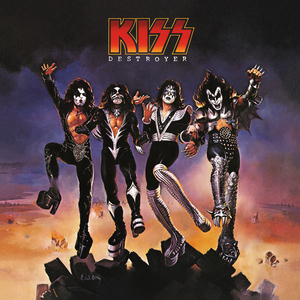
7.4 Kiss - Destroyer

Kiss – Destroyer (1976). Let me set the record straight right now! After I bought this album at the beginning of the summer of ’76, I played it every day until I got Queen’s A Day at the Races at the end of the year. Oh, sure, I played the others on this list, but I ALWAYS came back to this album religiously. This was the perfect mix of Alice Cooper-type anthems and simple Kiss monstrous playing that was so appealing to my teenage self. And, truth be told, I’m still not tired of it, though hearing “Beth” on the radio every couple of hours for months on end did push me to skip the song for a few months. Look, I still recognize the fact that “Beth” would perfect make-out music for my age group.

I will finish up the albums from the year of America’s Bicentennial next time. Peace!