It’s the End of the Eighties – 1989, Part 1: My 1000 Favorite Albums

5.17 Top 1000 Albums_LI

Although 1989 represented the last year of the Eighties, the decade was not going out quietly as far as music was concerned. The year continued down that anything goes motif that started the decade, especially where technology was concerned. The bass was getting deeper on all genre’s records. The samples were coming from all sources, and everyone was using them. And, between-track skits were being used on hip hop albums. Everything was getting set up for the Nineties.

We began to see alternative rock and hip hop make a bigger presence on the pop charts. Hair metal was running out of steam, while a brilliant fusion of rap and metal began to raise its head from the underground. Admittedly, pop music was kind of bland, but it was the underground that was shaking things up, much like a decade ago.

At this time, a couple of life changes were happening all at once. First, I started my journey to become a teacher as I took my first education course. Of course, at the same time, my younger son was born, so I was going to class two nights a week with a beeper (remember those?) in case my wife went into labor during class, which did not happen. Additionally, I was back to working at the original hospital in Oxford, at least this time on day shift and in the microbiology department predominantly. Unfortunately, our time in Oxford was limited as Ball State offered a faster method to a teaching license than Miami of Ohio did. That meant we would be moving in 1990. At least I had a year and a half left with a cutting edge radio station to keep me abreast of what was happening in music. After we moved back to Indiana, all of that would end.

So, what was the good music of 1989? Check it out.

9.7 Beastie Boys - Paul's Boutique

Beastie Boys – Paul’s Boutique (1989). I remember the students at Miami University buzzing at the record store in town about the release of the new Beastie Boys album. Excitement was nearly as high as it was back in 1986 when the live Springsteen box set was released. But, generally speaking, the public was not ready for this album. Most were expecting another dose of Licensed to Ill, but we ended up with the funky, almost psychedelic, musical collage of left field samples and non-bratty rhymes that left many unable to comprehend what had hit them. In retrospect, this album is when the Beasties became respected and influential hip hop artists for years to come. To took a decade for the rap world to catch up.
9.7 Bob Mould - Workbook

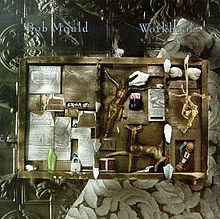
Bob Mould – Workbook (1989). After changing the rock world with his original band Hüsker Dü, Mould went solo, unplugged the guitars and recorded an urgent and immaculate acoustically-based album simply to reclaim his artistic vision. It was jarring to hear it for the first time, but it was a brilliant career move. It proved that you really didn’t have to pummel your listener into submission through the music. Mould had learned to let the lyrics breathe.
9.7 Bonnie Raitt - Nick of Time

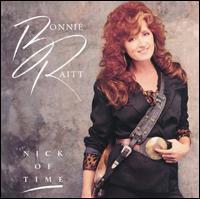
Bonnie Raitt – Nick of Time (1989). It seems that 1989 was a year of redemption for musicians. One of the more unexpected comebacks of the year was Ms. Raitt’s. This blues/rock album was a simple delightful throwback album to a more naive moment in rock history. And being released at a time when technology seemed to matter most, this album was a stark contrast to what was popular at the time. This album just proves that rock will sell just at the moment you don’t think it ever will.

9.7 De La Soul - 3 Feet High and Rising

De La Soul – 3 Feet High and Rising (1989). Think about rap music at the time for a moment. In 1989, everything in rap was about the beats per minute, the more the better. Think of Run-D.M.C. and Public Enemy. Now, along comes this coterie of rappers and DJs with a much different vision, calling their collective Native Tongues. They seemed to follow Rakim’s jazz-influenced delivery style, but took it a step further by searching for unusual sources for their samples and breaks. From this collection of hip hop misfits, first was De La Soul. Not only were they sampling Steely Dan, Hall & Oates and other soft rock artists, they were setting the music up like jazz artists with a much more laidback sound. Plus, the began to stretch their concepts out on the album with little skits in between the songs. It was a stunning divergent direction in hip hop. Now, anything was possible.

9.7 Faith No More - The Real Thing

Faith No More – The Real Thing (1989). I will always remember where I was when I first heard “Epic.” I was at home, and immediately my then five-year-old older son and I were taken with the song. It sounded like nothing else before. And the album was much more diverse than I had a right to expect. FNM was no rap-metal band. No, these guys LOVED all kinds of music, and it showed on this album. This was alternative music for everyone.
9.7 Fugazi - Repeater

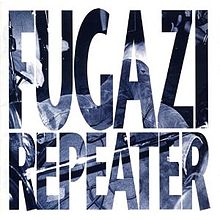
Fugazi – Repeater (1989). Just when you think that punk had died, along comes the first band of a new generation of punks. For me, it was heartening to know that younger people (they are my age!) were still discovering the genre and wanting to make that lifestyle choice. Plus, at the height of greed is good yuppiedom, it was reassuring to hear a band sound off a strong disdain for capitalism. And, I could respect that.
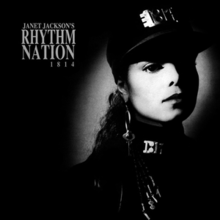
9.7 Janet Jackson - Rhythm Nation 1814

Janet Jackson – Rhythm Nation 1814 (1989). This is a very important album. Social commentary was back in dance music thanks to Janet. Rhythm Nation is as militant in social defiance as anything by Public Enemy but dressed down by the Jam/Lewis version of the Minneapolis sound. Janet was saying she was black and proud and saying it with volume and conviction. I have often said this was the album of 1989.
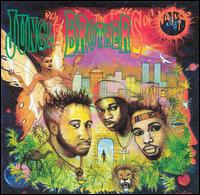
9.7 Jungle Brothers - Done by the Forces of Nature

Jungle Brothers – Done by Forces of Nature (1989). The other important rap album by a member of the Afrocentric Native Tongues collective, this album is just as landmark as De La Soul’s album. While De La Soul were embracing their inner hippie Black Panther, Jungle Brothers displaying their intellectualism with both their music and lyrics. This is something of a forgotten classic.
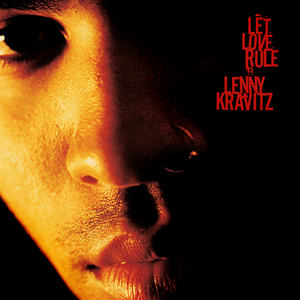
9.7 Lenny Kravitz - Let Love Rule

Lenny Kravitz – Let Love Rule (1989). Kravitz has always gotten the reputation of being more of an imitator than a innovator. But, I think that BS! Sure, you can play pick out the influence in many of these songs, but how can you go wrong with this list of influences: John Lennon, Prince, Sly Stone, Jimi Hendrix, just to list a few. For crying out loud! This is Gen X music by a Gen X artist. At least he was making interesting music instead of becoming yet another hair metal artist. Lenny should be held up as an artist and never maligned again.

9.7 Love and Rockets - Love and Rockets

Love and Rockets – Love and Rockets (1989). In the early Eighties in the UK, there were a group of artists who were labeled as Goth rock. One band in particular was Bauhaus, who had alternative hits with “Bella Lugosi’s Dead” and their take on the Bowie classic “Ziggy Stardust.” Later, the band splintered into singer Peter Murphy’s solo career and the rest of the band rechristened themselves as Love and Rockets. Love and Rockets took the darkness of Bauhaus and gave it a pop/rock makeover by adding touches of psychedelia, without ever losing its edginess. The band even scored a #3 hit in the US with the sensual “So Alive.”
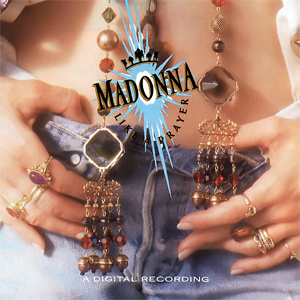
9.7 Madonna - Like a Prayer

Madonna – Like a Prayer (1989). So what you want about her, Madonna is one of the consequential artists of the Eighties, and this album represents the exclamation point on that statement. In six years, the woman had evolved from dance queen/trash artiste to pop superstar to major voice with this album. Yes, she made the provocative racial statement with the title song’s video, stirring up controversy. But, she continued the artistic makeover by creating the “stay-true-to-yourself” anthem in “Express Yourself” and standing toe-to-toe with Prince on the overlooked masterpiece “Love Song.” This album stands alongside Janet Jackson’s Rhythm Nation 1814 as the albums of the year.

That was a slew of great albums! Can’t wait for Day 2! Peace.
1988, Day 2: My 1000 Favorite Albums

5.17 Top 1000 Albums_LI

Quit screwing around Keller! Let’s just get right to the music!

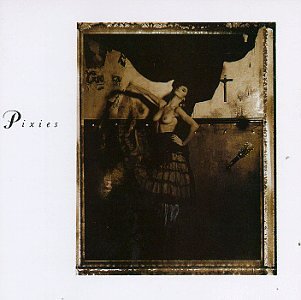
8.31 Pixies - Surfer Rosa

Pixies – Surfer Rosa (1988). When it comes to the late-Eighties alternative rock scene, no band cast a bigger shadow over that era and beyond as the Pixies. No one had tried the dynamics of what we now call the “Soft/Loud/Soft” alteration of verse and chorus. The Pixies practically invented this vision of softly played and sung verses followed by choruses that unleashed every bit of musical noise known to man at the time. And, the great thing about this band is that they never forgot the pop melodies in their songs, no matter how much larynx-shredding vocal screams or wild feedback-drenched guitars were layered over it. The Pixies, along with Hüsker Dü, were the big influences on all Nineties alternative rock, intentional or not.

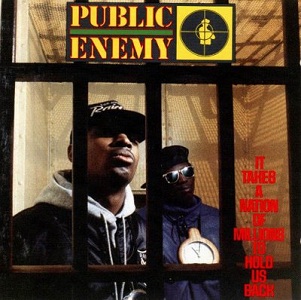
8.31 Public Enemy - It Takes a Nation of Millions to Hold Us Back

Public Enemy – It Takes a Nation of Millions to Hold Us Back (1988). What a revolutionary album. They may have rapped about it, but PE really did bring da noise! It was as if their production team, the now-legendary Bomb Squad, were laying as many samples in each song as humanly possible. Then, Chuck D and hype-man Flavor Flav did their best intimidating version of Run-D.M.C. While the West Coast was embracing a G-Funk sound that was thicker and more laidback on which to place their tales of street life, the East Coast, and PE specifically, made their music as fast and claustrophobic as NYC traffic on which to lay the Afrocentric lyrics. They were militant and intimidating and perfectly rock & roll for the times.

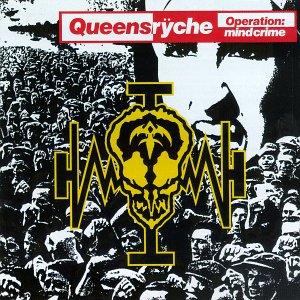
8.31 Queensryche - Operation Mindcrime

Queensrÿche – Operation: Mindcrime (1988). By 1988, the whole glam metal scene was becoming saturated and just plain boring. So, along comes a band from the Pacific Northwest that was equal parts Sabbath, King Crimson, Pink Floyd and Rush, in all the great ways. Queensrÿche brought a musicianship and intelligence to metal that had been lacking since the advent of the hair metal genre. Additionally, this breakthrough album for the band is an intricate and detailed rock opera of love and intrigue. This had to be one of the better metal rock opera/concept albums since 2112. The boys deserved the accolades.

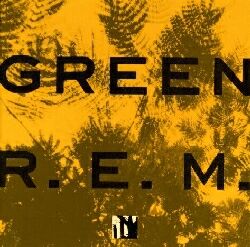
8.31 R.E.M. - Green

R.E.M. – Green (1988). Right around Election Day in 1988, R.E.M. dropped their first major label joint as one of the biggest rock bands on the planet. And, did they ever deliver with a fairly direct set of rock songs. Their was no denying that the boys from Athens, Georgia, were intent upon letting a generation know their politics were liberal, from the environment to women’s rights to gay rights to anything that went the opposite way of Reaganomics. It’s as if the band decided they were going to be fiercely independent while working for one of the biggest corporations of the time (Warner Bros).

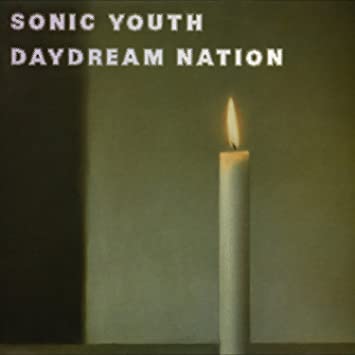
8.31 Sonic Youth - Daydream Nation

Sonic Youth – Daydream Nation (1988). Sonic Youth were an innovative noise art rock band from NYC who had spent the better part of the decade as part of the ultra-underground No Wave scene. But, along the way, this quartet stumbled upon a sound that combined the plain guitar noise of the avant garde with some pop melodies that would become the third leg of the major influences on Nineties alternative music. This double album is their masterpiece, showing that they could marry the guitar god dreams of Television with the refusal to be commercial like Philip Glass. This was a major statement which allowed the band to sign with a major label in the wake of this album’s critical success.

8.31 The Church - Starfish

The Church – Starfish (1988). If you want to know what Nick Drake would have sounded like if he grew up during the punk era, then this Aussie band just might be the answer. This album sounds like The Cure funneled through acoustic instruments. There lone US hit, “Under the Milky Way,” is simply a brilliant song.

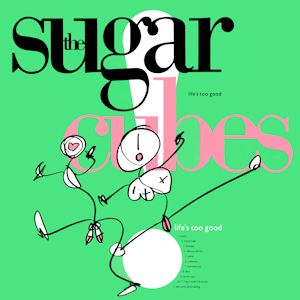
8.31 The Sugarcubes - Life's Too Good

The Sugarcubes – Life’s Too Good (1988). Back in the Eighties, a little known Icelandic band with a lead singer by the name of Björk became something of a college rock sensation behind their great single “Birthday.” And, the rest of the album is surprisingly great too. It is so interesting to hear Björk’s voice fronting an alternative rock band as opposed to the challenging electronica she will release as a solo artist in the Nineties.

8.31 The Waterboys - Fisherman's Blues

The Waterboys – Fisherman’s Blues (1988). Hailing from Scotland, The Waterboys had been long hyped as being their homeland’s answer to U2, as both bands shared a sweeping anthemic songs with lyrics full of hope. Yet, for some odd reason, The Waterboys could never quite cross the Atlantic for their share of stardom. So, on this album, leader Mike Scott lead his band into marrying the folkish sound of his native land to his band’s music, creating some music that actually recalled some of Irishman Van Morrison’s classic sound. This album is well worth the effort to find.

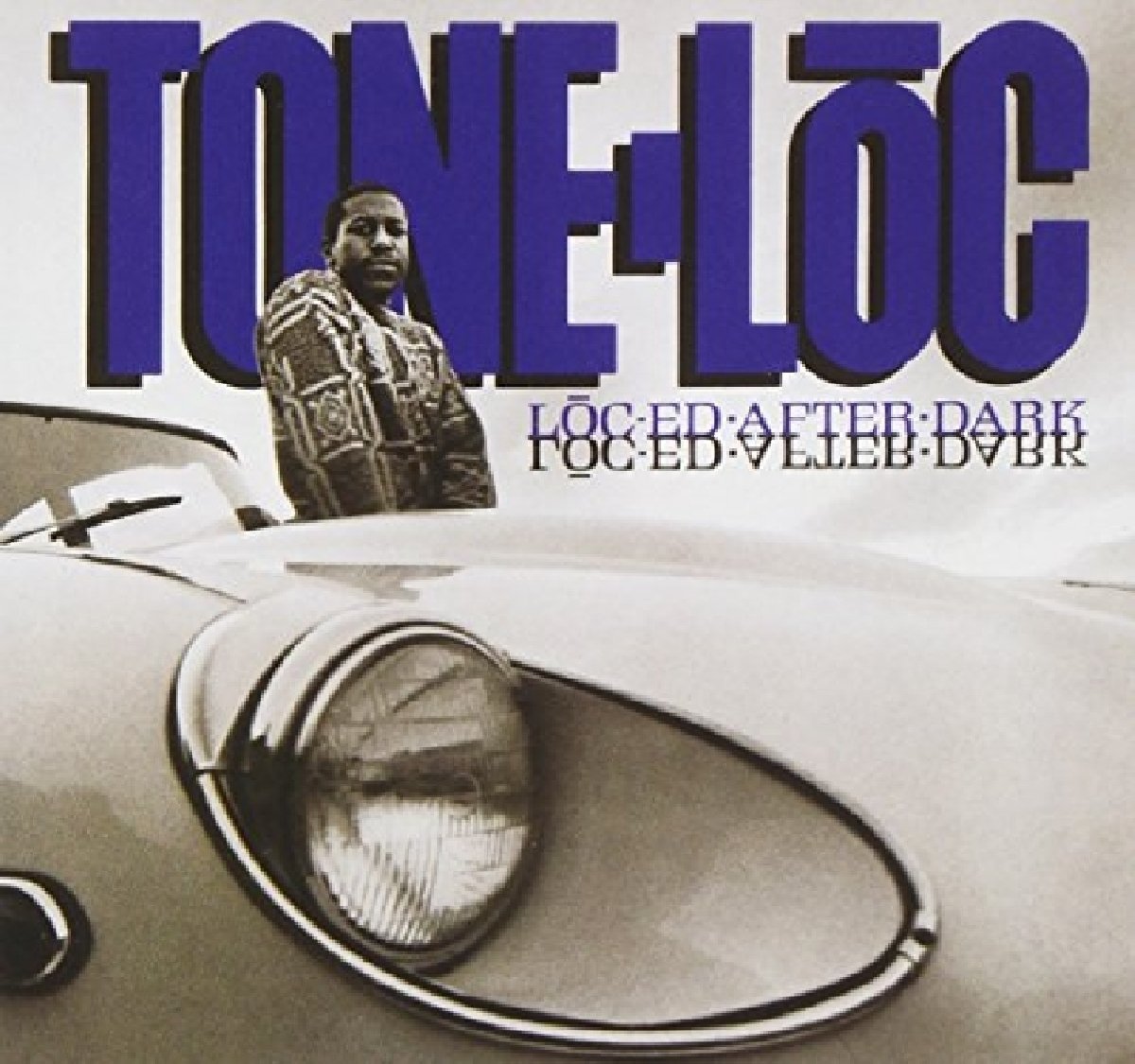
8.31 Tone-Loc - Loc-ed After Dark

Tone-Loc – Loc-ed After Dark (1988). Yes, this was really kiddie rap, but he sure did some innovative stuff. Loc’s bourbon-drench vocal style could run thin by the end of the album, but the samples he used with a pure delight. Who wasn’t taken by the sample of Van Halen’s “Jamie’s Cryin'” on “Wild Thing”?

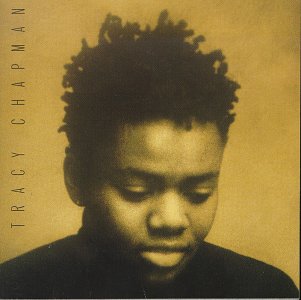
8.31 Tracy Chapman - Tracy Chapman

Tracy Chapman – Tracy Chapman (1988). This album is the moment when a neo-folk album transcended the genre. Chapman’s album was so singularly good that her stuff was being covered by all kinds of artists from different genres (you just gotta hear Living Colour’s raucous version of “Talkin’ About a Revolution”). As I listen to the album, I cannot believe how the lyrics remain so topical even in today’s Black Lives Matter protests. It’s so sad that she was saying the very same things that continue today.

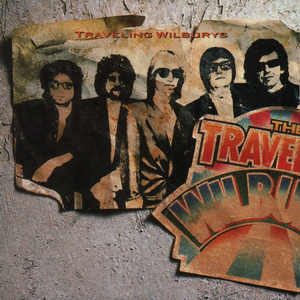
8.31 Traveling Wilburys - Vol. 1

Traveling Wilburys – Vol. 1 (1988). You know, I honestly did feel sorry for the older Baby Boomers, as their rock heroes were losing out to a new generation. So, when four major stars from that generation (George Harrison, Bob Dylan, Roy Orbison and ELO’s Jeff Lynne) joined forces with one of the young bucks at the time (Tom Petty) to form a relaxed supergroup, you just couldn’t blame those older rockers getting all excited by this combination. And, for once, this gathering actually worked on all levels. The Wilburys made a terrific rock album that ironically was ignored by the very radio format that all of these men had invented one or two decades earlier. This is a fun album.

8.31 XTC - Oranges and Lemons

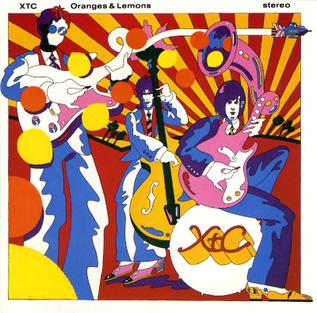
XTC – Oranges & Lemons (1988). So, how does a band actually attempt to top a creatively stellar year like they had in 1987? Of course, they attempt to get back to their basics by writing enough material for a high quality double album of fractured Beatles pop/rock, that’s how. Sure, the band was sticking together via wire, duct tape and rubberbands, but they held it together beautifully for this masterpiece.

8.31 Ziggy Marley & the Melody Makers - Conscious Party

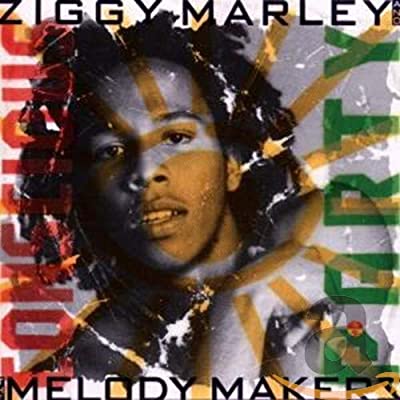
Ziggy Marley & the Melody Makers – Conscious Party (1988). It sucks when you are the offspring of a legend. It is difficult to get out of your parent’s shadow. But Ziggy and his sisters tried by making one helluva of an updated version of his dad’s brand of reggae. Produced by the Talking Heads’ husband/wife rhythm section, also known as Tom Tom Club, of Chris Frantz and Tina Weymouth, Conscious Party picks up where Bob Marley left off upon his passing and updates the sound with flourishes that made the producers’ bands so popular. This is just an excellent album of reggae, Eighties-style.

And, that wraps up 1988. See you next time! Peace.

1988, Day 1: My 1000 Favorite Albums

1988 was the year in which I began to hide my “adult” albums with the intent of keeping them away from my older son. At the time, we really didn’t fully comprehend just how precocious he was for his age. How could we? We had nothing really to base his behavior on. On my days off, he and I would make our trek to the local record store to browse. He would sit on a crate of albums and flip through them occasionally pulling one out and asking me what the artist’s name was. If he liked their name, then he would ask me to buy it. His favorite band name at age 3? Little Feat. I sure it was the visual that intrigued him on a concrete level.

Although I was still hanging a bit to my youthful tastes in music because of 97X in Oxford, Ohio, I could feel that I was barely staying abreast with the music scene by this time. You can only last so long on the periphery of youth culture before it passes you by, no matter if you continue to read Rolling Stone and Spin magazines. It is inevitable. I would have a mini-rebirth when my boys were in their teens and early-twenties, but it could feel my youthful idealism slowly falling through my hands.

Sure, great music will continue to be created by talented people, but 1988 marks the year in which it began to harder to stay current even though I was probably still far from the beach of adulthood indifference. Actually, I never have reached that point, I am simply more selective. As the song from that very year by the forgotten band The Pursuit of Happiness was titled, “I’m an Adult Now.”

Still, there was some terrific music released in 1988, so let’s get to it.

8.31 Aerosmith - Pump

Aerosmith – Pump (1988). By the time I was in high school, Aerosmith had become passe through their substance abuse. Oh, to a middle schooler, they were awesome with Toys in the Attic and Rocks earning many spins on my turntable. But, by high school, I was over them. Then, in 1986, Run-D.M.C. revived their career. This was the band’s second album of their late-Eighties revival and it’s a dandy. Easily, it is their third best album, right after the aforementioned two.

8.31 Bobby Brown - Don't Be Cruel

Bobby Brown – Don’t Be Cruel (1988). Before he became Mr. Whitney Houston, unfairly I might add, Brown was first a member of New Edition then a major solo artist. On this album, he personally put an end to the sound of Michael Jackson’s Eighties pop sound by combining R&B, funk and hip hop into what was called New Jack Swing. At that moment, you just knew that hip hop was ready to burst out of the underground to become the dominant sound of the next 30 years.

8.31 Camper Van Beethoven - Our Beloved Revolutionary Sweetheart

Camper Van Beethoven – Our Beloved Revolutionary Sister (1988). As one of the last alternative bands from the early-Eighties alternative scene to sign to a major label, CVB continued their surrealist take on rock music. At times, when they played it close to straight, you might think this band could become a big deal. Then, they would always take their eclectic musical turns that would eternally keep them with their cult. This is MY Grateful Dead.

8.31 Cowboy Junkies - The Trinity Session

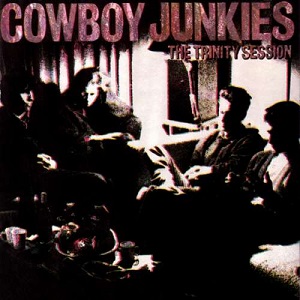
Cowboy Junkies – The Trinity Sessions (1988). It seems like every couple of years, some artist comes along and drops an album that simply sounds out of time and timeless simultaneously. That’s what happened here. Cowboy Junkies convened in an abandoned church to record a haunting acoustically-based surprisingly urbane take on country music. It sounded as if The Velvet Underground had suddenly been transported to the Middle America and raised on country music. Unfortunately, the band could not replicate the magic they put on wax, but this is another forgotten classic.

8.31 Dinosaur Jr. - Bug

Dinosaur Jr. – Bug (1988). I consider Dinosaur Jr. to be the first truly Gen X band because of all the slacker references that surrounded them. Just because they said they only sat around and watched TV does NOT mean they were serious about their craft. If they weren’t the first grunge band, they were the genre’s John the Baptist.

8.31 Fine Young Cannibals - The Raw & the Cooked

Fine Young Cannibals – The Raw & the Cooked (1988). FYC represented a major step forward in dance/rock music. Plus, their secret weapon was their Sam Cooke-channeling lead singer Roland Gift. Who knew that once the trio tasted success that they would go their separate way?

8.31 Fishbone - Truth and Soul

Fishbone – Truth and Soul (1988). By 1988, their was a newer sound that was coming out of Southern California that was taking the underground by storm. This sound was based on the late-Seventies UK ska scene but added elements of funk and metal. The two big bands at the time were the Red Hot Chili Peppers and Fishbone. Honestly, at the time, I thought Fishbone was the better band. They were smart, unrestrained and way more funkier. Personally, I feel like no one could figure out how to market a band of intelligent and talented black men who refused to play “black” music. I saw them last summer, and they still brought the goods. Unfortunately, yet another brilliant band that got lost along the way.

8.31 Jane's Addiction - Nothing's Shocking

Jane’s Addiction – Nothing’s Shocking (1988). Here’s another of the great late-Eighties alternative bands who were fearless in combining musical sounds and textures that seemed at odds with each other. To me, they were the new Led Zeppelin, as distilled through punk rock. I will NEVER understand why rock stations of the time refused to play these bands, only to force “Classic Rock” down our throats.

8.31 Living Colour - Vivid

Living Colour – Vivid (1988). What seemed natural to people my age was blown way out of proportion by those in the media who were older. Those same media types had no problem loving Jimi Hendrix and Sly Stone when they were younger, but, in 1988, when black men were rocking out, as Prince, Fishbone and this band did, oh, the apocalypse was coming! What BS! Living Colour should have been yet another great rock band in the annals of history if not for racism and a total disregard for a new generation of musicians.

8.31 Metallica - ...And Justice for All

Metallica – …And Justice for All (1988). After Cliff Burton died in that fateful tour bus crash, no one knew what to expect from Metallica. So, they regrouped, got a new bass player (Jason Newsted) and proceeded to record one of the great metal albums of all time. This is a double of pure metal thrash and expanded jams that no band had the balls to ever create. In other words, they got all of their grandiosity out with their emotions and put it all on vinyl. And, it remains a landmark album to this day. Footnote: Metallica got screwed when Jethro Tull was given the first Grammy for Best Metal Recording over this album. Please.

8.31 Morrissey - Viva Hate

Morrissey – Viva Hate (1988). When The Smiths dissolved, people were anticipating what Morrissey would sound like without Johnny Marr’s swirling guitar attack. In all honesty, that is exactly what was missing on this album but not nearly missed as much as you would have first thought. Morrissey just went about his songwriting business to create an excellent ending to his need for his old partner. Unfortunately, few solo Morrissey albums would be as interesting as this one.

8.31 Mudhoney - Superfuzz Bigmuff

Mudhoney – Superfuzz Bigmuff (1988). I remember when I first began to hear the Seattle bands on 97X. The first one that they played was this band called Mudhoney. That band’s music was so different than anything else. It sounded murky, almost stoned, loud and heavy yet it was all held together by a melody. This was an unusual take on punk and metal, and I loved it! After Mudhoney, Screaming Trees and Nirvana soon followed. But, at least for me, this was the beginning of something new.

8.31 N.W.A - Straight Outta Compton

N.W.A – Straight Outta Compton (1988). Every time I turned around when I was younger, conservatives were constantly placing blame on everything but the outcomes of their own economic policies. So, in their minds, when metal and Prince accusations of subverting the minds of the youth wouldn’t stick, they turned toward the world of gangsta rap because of their use of violent inner city tales. And since N.W.A was upfront about the whole disparity between the world whites and blacks, they immediately drew the ire of politicians and police. They were the Sex Pistols of the hip hop world. You know how stupid people are? Controversy ALWAYS increases album sales. That’s why 2 Live Crew went platinum with their crappy music. You know, it would’ve been so cool to have had a big festival with N.W.A, Guns ‘N Roses, Public Enemy, Metallica, R.E.M., LL Cool J, Prince and U2 headlining? Hell, I’d still go see that one.

Looking back, 1988 was a pretty solid year for music. See you again for Day 2. Peace.
And on the Third Day, It Was 1987: My 1000 Favorite Albums

5.17 Top 1000 Albums_LI

Today is the first of three consecutive months of a much delayed Record Store Day 2020. I have always gone to these days since back in 2009, but this year, I am waiting for the last day of this event to be held on the last Saturday of October. The releases scheduled for today and next month really don’t interest me much, plus the pandemic is heating up in the places where I like to go. However, as much as I would LOVE to do some bin diving, I am using a laser-focused approach to RSD, which is my suggested way to attack this event. I am focused on one release in October and that’s it. But, please do enjoy the day because we need to support our independent record store owners. They have always been the lifeblood of the music industry. Plus, vinyl remains the best medium for the enjoyment of music. I know my long-time buddy Mark Kline (The man is an electronics genius, well, just a genius, but he is a huge proponent of Tidal. God bless him! I’ve always needed his expert advice in my life.) will disagree, but when it comes to my music, I prefer the old-fashioned method.

So, let’s jump into this crystal clear pool of water known as Day 3 of 1987.

8.27 The Cult - Electric

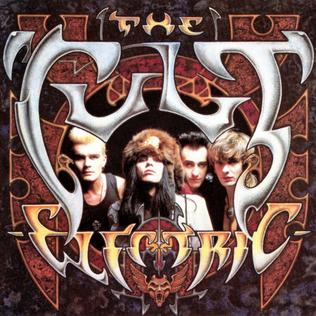
The Cult – Electric (1987). The Cult was probably the first band that metalheads and Goth kids could agree upon. And, this album, one of the first non-rap Rick Rubin productions, exploded from my speakers just begging to be cranked. Their uncanny mix of alternative trappings and Zeppelin-esque power chords propelled The Cult into a higher echelon of popularity.

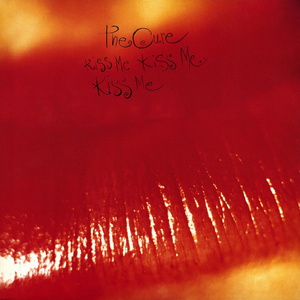
8.27 The Cure - Kiss Me, Kiss Me, Kiss Me

The Cure – Kiss Me, Kiss Me, Kiss Me (1987). They finally did it! The Cure broke through the American market for some well-deserved commercial success. Is this their best album? Not really. Remember, this is a double album, so there is a little filler. However, it contains quite possibly the quintessential Cure pop song in “Just Like Heaven.” I just smiled when the rest of the world latched unto a band I had been praising forever.

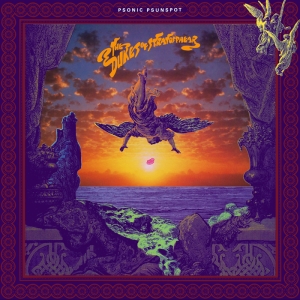
8.27 The Dukes of Stratosphear - Psonic Psunspot

The Dukes of Stratosphear –  Psonic Psunspot (1987). The Dukes of Stratosphear were actually XTC, and 1987 ended up being a HUGE year for XTC. This album represented the second release for the band. On this one, The Dukes pay homage to the psychedelic bands of the mid-Sixties, most notably the Syd Barrett-led Pink Floyd, as well as a plethora of other bands found on the Nuggets CD box sets. This is a brilliant piece of an Eighties update of a Sixties sound that LA’s Paisley Underground (a loose coterie of musicians that included The Bangles, The Three O’Clock, Dream Syndicate, The Rain Parade, among others) was doing at the time, only the Dukes were honoring the English side of things. Remains one of my favorites for the year.

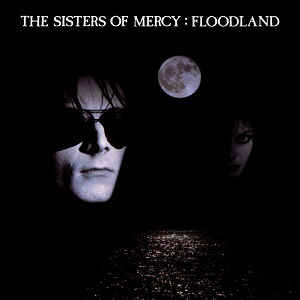
8.27 The Sisters of Mercy - Floodland

The Sisters of Mercy – Floodland (1987). What can you say about a Goth band who took their band name from a Leonard Cohen song? I came for the band’s name, but there moody music made me stay. This album represents another step toward a thing called industrial rock that would become epitomized by Nine Inch Nails, though The Sisters are NOT as aggressive. This band is a harder edged Cocteau Twins.

8.27 The Smiths - Louder Than Bombs

The Smiths – Louder than Bombs (1987). So sue me! Yes, this is technically a compilation album, but of non-album singles, B-sides and other oddities. Yet, the double album plays like a studio album. It is perhaps, the band’s last great statement.

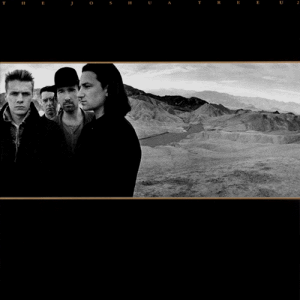
8.27 U2 - The Joshua Tree

U2 – The Joshua Tree (1987). This is the album which made U2 the kings of our generation, musically speaking. And, the megastardom was much deserved. This remains a terrific artistic statement without ever sacrificing the band’s sincerity or power. Side 1 remains as good of a side of an album as has even been put to wax.

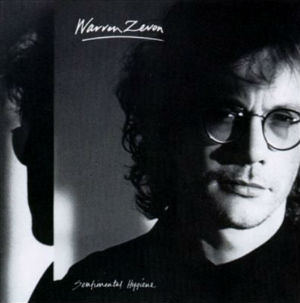
8.27 Warren Zevon - Sentimental Hygiene

Warren Zevon – Sentimental Hygiene (1987). By 1987, Zevon was wasting his talent a bit through drink. Then, he hooked up with the members of R.E.M. to form a band they called The Hoodoo Gurus and record a few songs, most notably a terrific reworking of Prince’s “Raspberry Beret.” After that artistic success, the group went into the studio to record a Zevon album, and this is their result – the best Zevon album of the Eighties.

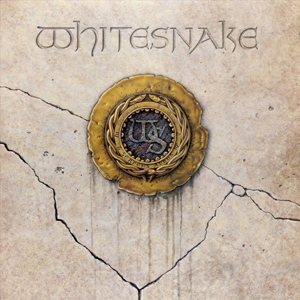
8.27 Whitesnake - Whitesnake

Whitesnake – Whitesnake (1987). I’ve never really been a fan of the band with the most racist/sexist name on the planet. But, this album is catchy. And, for a brief shining moment, both the band and Tawny Kittan reached superstar status. But, I do give credit where credit is due, and this guys did hit paydirt.

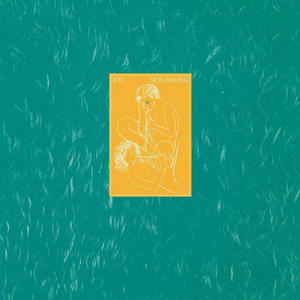
8.27 XTC - Skylarking

XTC – Skylarking (1987). As I said earlier, XTC had a big 1987. This album actually got the whole thing rolling as they paid homage to Sgt. Pepper on that album’s 20th anniversary by doing an updated reworked version of it. Produced by rock god Todd Rundgren, the band fulfilled all of their artistic potential on this album and followed it up with their brilliant Dukes persona. Plus, how can you deny an album that had a left field hit with a song about atheism that was originally intended as a B-side? As I will continue to say, “Only in the Eighties.”

That makes 622 albums down now. Peace.
1987, Day 2: My 1000 Favorite Albums

5.17 Top 1000 Albums_LI

If my memory serves me well, I distinctly going to the local record store in Oxford, Ohio (Long live Looney T-Birds!) in the spring of 1987 to purchase the newly released albums by Prince, U2 and New Order. Then, in September alone, one discs by John Mellencamp, Bruce Springsteen and Michael Jackson happened. Let that sink in for a moment. Six classic albums all were released only within a calendar year, but nearly HALF of a calendar year!

With that trivia off my chest, let’s take a second day to look at the 1987 albums on my list of 1000.

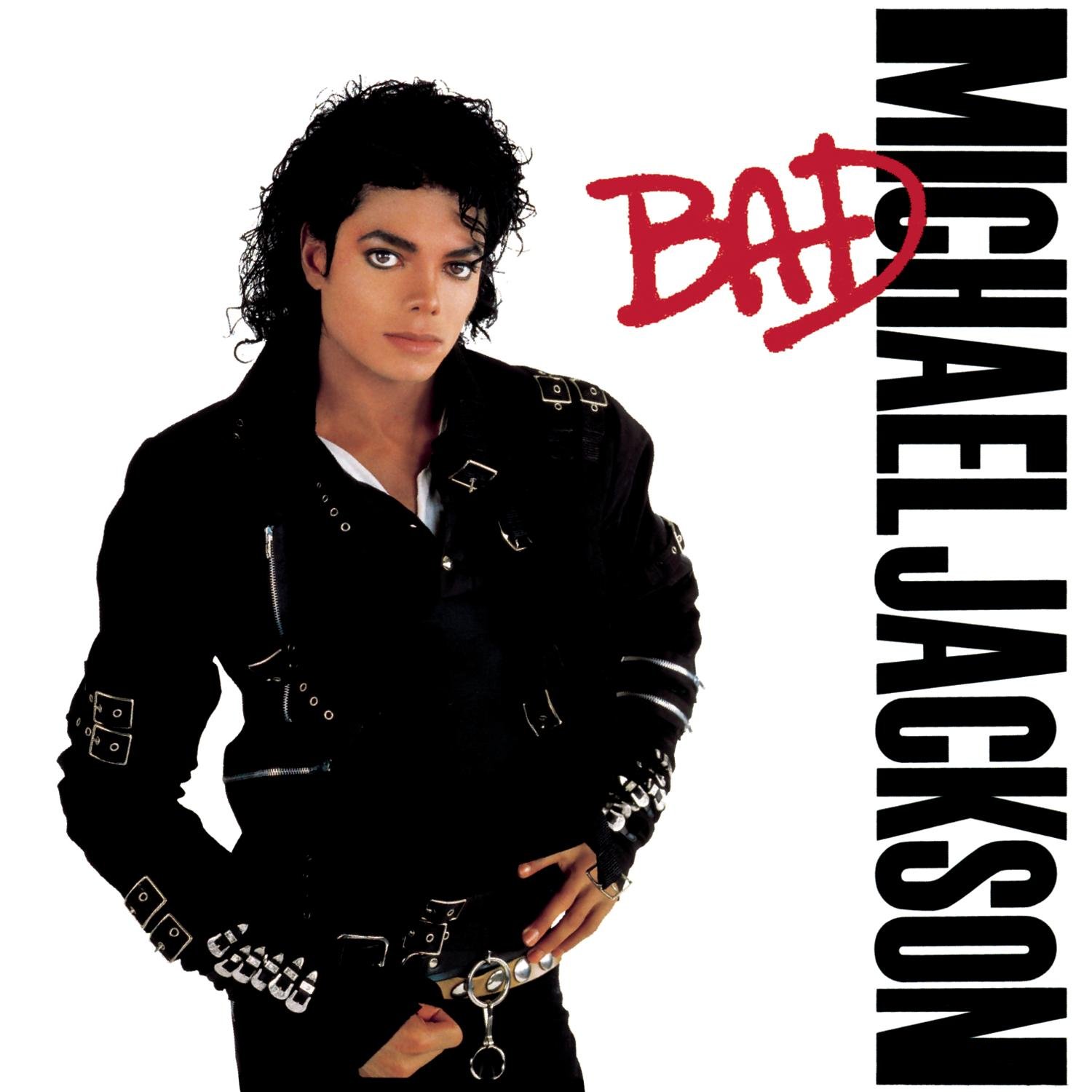
8.27 Michael Jackson - Bad

Michael Jackson – Bad (1987). By now, the cracks were showing in the life of one of the world’s most famous entertainers of all-time. Still, following the very same formula he had on his previous two albums produced by Quincy Jones, Jackson conjured up perhaps his finest collection of songs to date. Unfortunately, I found the songs lacking the innocence of those other two albums, replaced by a growing cynicism and distrust of the world. Maybe, there was a reason for all of that paranoia. Rumor has it that Jackson wanted Prince to duet on “Bad,” but Prince declined. There was another rock crossover hit song, “Dirty Diana,” in which Jackson replaced Eddie Van Halen with Billy Idol’s guitarist Steve Stevens. Might have been cooler if Jackson had employed Kirk Hammett of Metallica or Dave Mustaine of Megadeth, but still a nice touch. All in all, how can you really complain about an album that spawned six Top 10 hits?

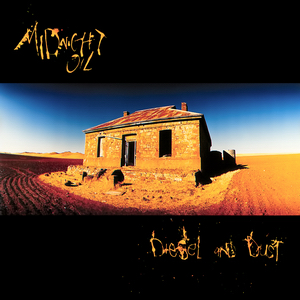
8.27 Midnight Oil - Diesel and Dust

Midnight Oil – Diesel and Dust (1987). In the wake of The Clash and U2, the Eighties were full of earnest bands who wore their collective hearts on their sleeves. Some of the more notable were The Alarm, The Call and The Waterboys, but the best of the second tier bands was Midnight Oil. These Aussies were probably the most overtly political of all of these bands put together, plus they rocked nearly as hard as countrymen AC/DC. This time, a band not reaching its full potential was a good case. Lead singer Peter Garrett, a lawyer and social activist, parlayed his fame into a governmental position, thus actively working to make the changes he preached in his music. This album represents the band’s finest moment.

8.27 New Order - Substance 1987

New Order – Substance 1987 (1987). Okay, sue me! I know that I promised not to include compilations in my list. However, this album is the complete collection of New Order’s essential and innovative 12-inch remixes that lit up the clubs from their debut to 1987. The remixes are hot and not full of Eighties cliches as they stress the dance/rock/synthpop synthesis the band was creating. For my money, this is their best album.

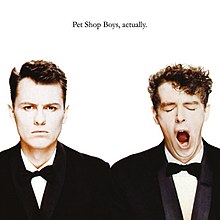
8.27 Pet Shop Boys - Actually

Pet Shop Boys – Actually (1987). The Pet Shop Boys were just another synthpop band with a big hit (“West End Girls”) when they dropped this one on the public. Now, they were no longer relying upon beats for their music but fully developed electronic rhythms making their sound much more intricate, not unlike a full band. Plus, the duo gets high kudos from me for reviving Dusty Springfield’s career on their collaborative hit song “What Have I Done to Deserve This?”

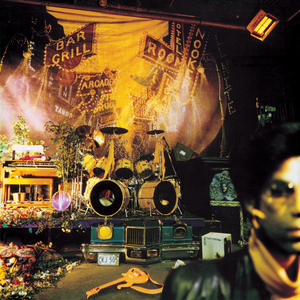
8.27 Prince - Sign O the Times

Prince – Sign ‘o’ the Times (1987). After the crazy Around the World in a Day and Parade albums, which were so overblown and bordering on pretentious, Prince disbanded the Revolution and began his most prolific two years of his life. Rumor has it that Prince had four complete albums ready to be released during this time. Yet, Warner Bros. convinced him to pare down this burst of creativity to a double album. So, what we got was a complete tour de force by Prince as he covered all areas of popular music, even creating some new genres of his own along the way. Prince flexed his musicianship as he had never before and, arguably, since. With all due respect to U2, this is the album that should have won the Grammy for Album of the Year. Or as the man once reportedly said that he could make The Joshua Tree, but could U2 make Sign ‘o’ the Times? On a personal note, I cannot wait to receive my 13-LP box set of this album in a month. Finally, I will get to hear ALL of those unreleased songs from The Vault!

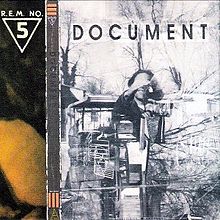
8.27 R.E.M. - Document

R.E.M. – Document (1987). Who knew that R.E.M. would have mainstream success in a big way in 1987? Well, I kinda had an inkling when I began hearing “The One I Love” on AOR radio a couple months after the album’s release. But, then, the song blew up and so did the band to, along with U2, assume the mantle of voice of a generation. To this day, I still love “It’s the End of the World as We Know It (And I Feel Fine)” and “Finest Worksong.” I love just loved how overtly political the band got on this album.

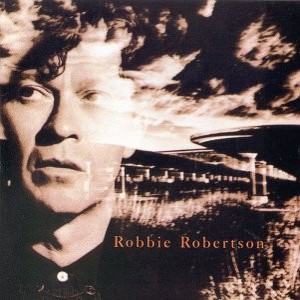
8.27 Robbie Robertson - Robbie Robertson

Robbie Robertson – Robert Robertson (1987). A full eleven years after he broke up The Band, leader Robbie Robertson finally released his long awaited solo album. But, Robertson did not go back to his bread-and-butter Americana sound of his former band, instead opting for a more alternative sound in the space between U2, R.E.M. and Dinosaur Jr. He brought in young artists such as members of U2, former Lone Justice singer Maria McKee and Milwaukee roots rockers The BoDeans for help. Robertson created a beautiful swampy mix that was both contemporary and futuristic while never leaving his past completely behind. What a record for a man who had laid low for such a long time.

8.27 Suzanne Vega - Solitude Standing

Suzanne Vega – Solitude Standing (1987). By the mid-Eighties, some young musicians were reaching back to the acoustic days of folk, forming a small neo-folkie movement. Suzanne Vega represented one of the best of the scene and even scored a Top 10 hit with a song about child abuse called “Luka.” This album is both looks backward and forward at the same time. Little did we realize that Vega was setting the stage for a bigger artist coming in 1988.

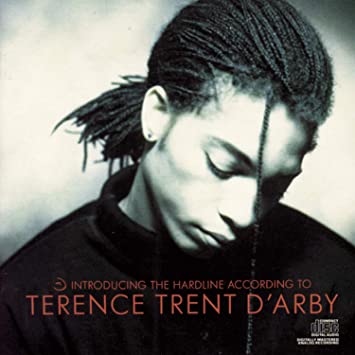
8.27 Terence Trent D'Arby - Introducing the Hardline According to Terence Trent D'Arby

Terence Trent D’Arby – Introducing the Hardline According to Terence Trent D’Arby (1987). By the late Eighties, the public was ready for a little soul sex symbol music. So, into that void came an arrogant former military man living in England to the rescue. Although he hyped himself to be better than The Beatles, at least he had the Otis Redding-like chops to back it up a bit. The man actually made rock songs sound downright soulful as Redding had done 20 years prior. Unfortunately, D’Arby could not capitalize on this breakthrough and faded into obscurity. But, for a brief moment, many had thought we had discovered a challenger to Prince’s throne.

Welp, that does it for another day. I’ll finish up 1987 next time. Peace.
1987, Day 1: My 1000 Favorite Albums

5.17 Top 1000 Albums_LI

In retrospect, 1987 was an excellent year for music, a year that I would place up against any other for the number of quality albums, and singles, released during a calendar year. In fact, so many great albums were released that year, that I felt the need to excise several albums in order to make room for LPs released during other trips around the Sun.

One album I would like to mention is an album released by three-fourths of the legendary Cincinnati power pop band The Raisins joined by guitar virtuoso Adrian Belew who together are known as The Bears. This obscure band released a terrific slice of power pop music in the vein of classic Todd Rundgren and the Raspberries. Unfortunately, the band did not garner the necessary label push in order to register a massive hit. However, if you can find a copy of their self-titled debut, pick it up because it is a buried classic. Next to my Reds winning a World Series title in 1990 and getting to be part of the WOXY-FM/97-X listening audience for four years, The Bears represent my finest Southwest Ohio memories outside of my family.

But, enough of that stuff! Let’s check out what albums from 1987 made my list.

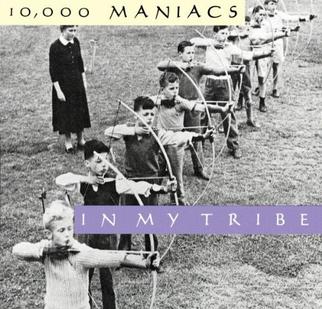
8.27 10,000 Maniacs - In My Tribe

10,000 Maniacs – In My Tribe (1987). By the time the late-Eighties rolled around, there seemed to be hundreds of R.E.M.-influenced bands running around the country. Fortunately, 10,000 Maniacs were influenced by the greatest American alternative band of the Eighties that added some very poetic lyrics about various social injustices that were neither pretentious nor preachy. Lead singer Natalie Merchant became the breakout star of the band who registered such folk-pop classics as “Like the Weather,” “What’s the Matter Here?” and their cover of the Cat Stevens classic “Peace Train.”

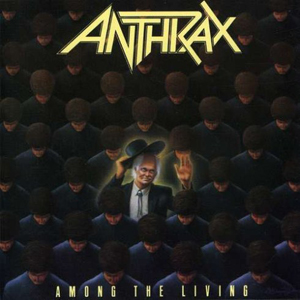
8.27 Anthrax - Among the Living

Anthrax – Among the Living (1987). Anthrax was the fourth thrash metal band in what is now known as The Big Four of Thrash. The band expanded their lyrical content to rage against prejudice, drug abuse and violence, all the while continuing to display their humor with tributes to Stephen King and Judge Dredd. These guys played so fast that their attack verged on hardcore levels without ever sacrificing the metal. This album is my third favorite of the mid-Eighties thrash peak.

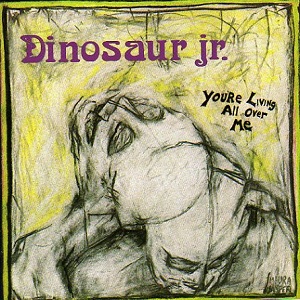
8.27 Dinosaur Jr. - You're Living All Over Me

Dinosaur Jr. – You’re Living All Over Me (1987). One thing about the musicians of my age group is that collectively they love Neil Young, especially the one we probably all discovered on Side 2 of Rust Never Sleeps. This album plays as the missing link between post-punk and grunge, which is why it was big on college rock radio of the day. Guitarist J. Mascis was the first non-metal guitar hero of Gen X.

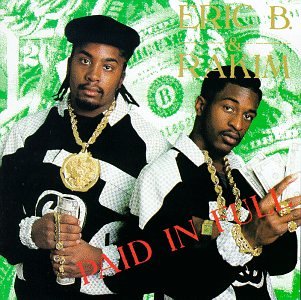
8.27 Eric B & Rakim - Paid in Full

Eric B. & Rakim – Paid in Full (1987). In the wake of Run-D.M.C.’s success, the possibilities of hip hop seemed unlimited. So when this duo showed up with Rakim displaying a whole new way to spit his rhymes, the door was blown off its hinges. Rakim’s hypnotic vocals incorporated a jazz-influenced flow into his delivery which only raised his profile to a prophet-like status in the hip hop community. Even after nearly 35 years, Rakim is still listed as one of the greatest emcees ever. Eminem owes Rakim a huge debt.

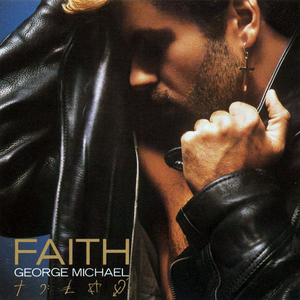
8.27 George Michael - Faith

George Michael – Faith (1987). I can admit it! I loved Wham! But, did I ever think that George Michael’s solo career would have his name etched alongside the other Eighties immortals before this album was released? Simply put, no. Still, it was a pleasant surprise just how deeply talented this man was. Forget the so-called controversy of “I Want Your Sex,” the real story was the title song AND “Father Figure.” Those songs were two of the greatest songs of the decade, if not ever. And, the rest of the album lived up to them as well.

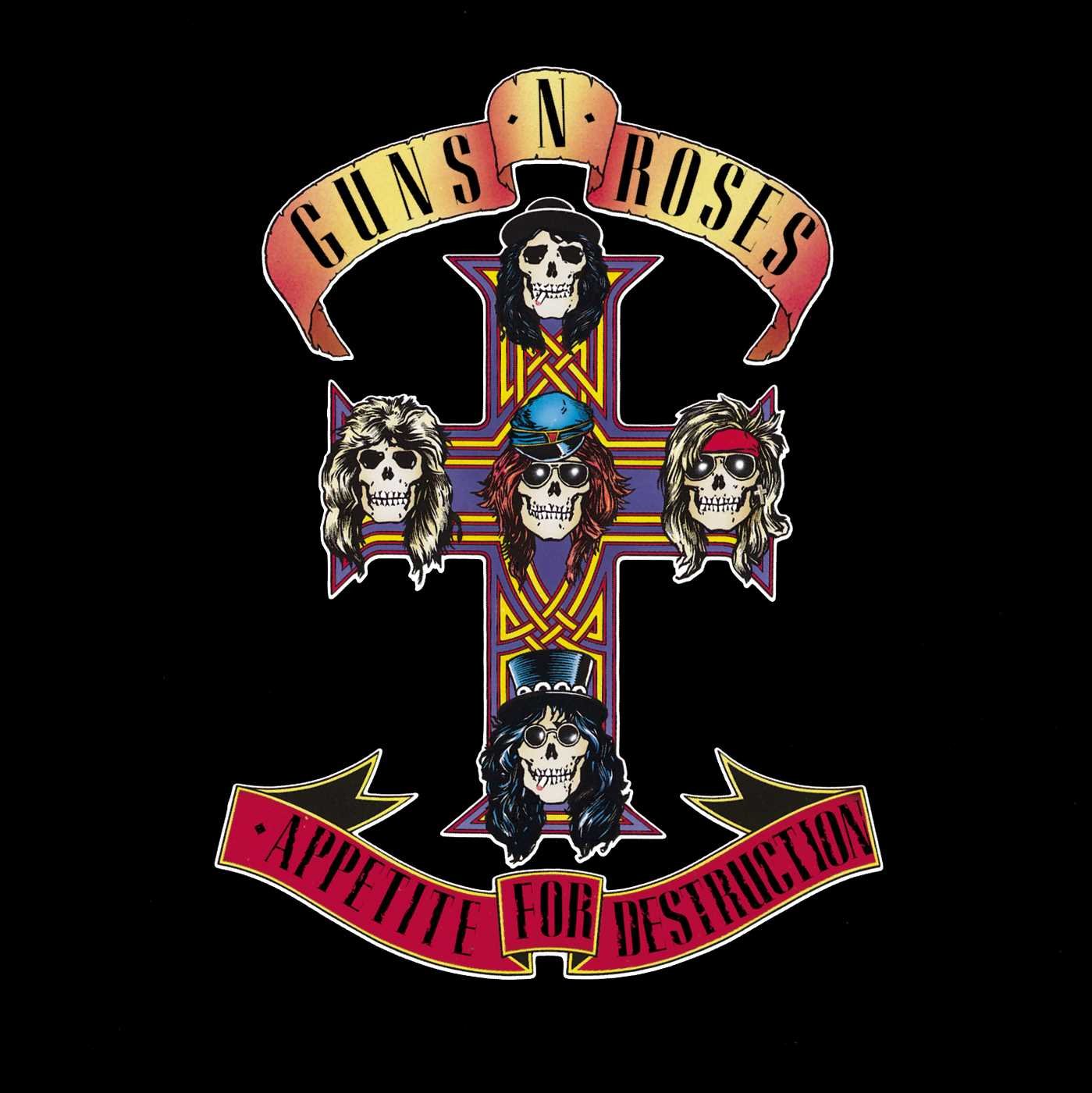
8.27 Guns N Roses - Appetite for Destruction

Guns ‘N Roses – Appetite for Destruction (1987). In all honesty, I think the world was ready for a band that blurred the lines between their public personas and reality, between true punk and metal influences and were not afraid to wear their warts-and-all emotions on their sleeves. Pushing aside all the plastic poseurs of glam metal, Guns ‘N Roses roared onto MTV and the radio like a combination of Aerosmith channeled through the Sex Pistols, and the world ate it up. Unfortunately, for a variety of reasons (ego, drugs, booze, women, money, you name it), the band truly peaked on this debut album. But, man, what a legacy!

8.27 INXS - Kick

INXS – Kick (1987). I saw these guys open for Men at Work in 1983 and fell in love with them. But, at the time, I thought they wouldn’t amount to much. Boy! Was I ever wrong! These guys threw aside the new wave trappings, conjured up some Stones-like grit and married all of it to a dance beat. What a formula! And, it all came together on Kick. Unfortunately, the band, mainly due to changing trends in the Nineties, never really got to build upon the momentum of this album. And, then, a decade later, we lost their lead singer Michael Hutchence to a mishap, thwarting any sort of comeback the band could have made.

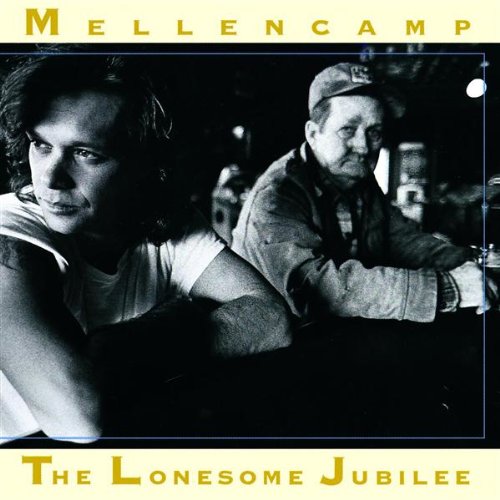
8.27 John Cougar Mellencamp - The Lonesome Jubilee

John Cougar Mellencamp – The Lonesome Jubilee (1987). After the massive success of John’s Scarecrow album, he decided to expand upon his Midwestern Stones-influenced sound by incorporating musicians who could play Appalachian instruments to create something of a Midwestern update of The Band’s sound. And, this was absolutely mind-blowing to me. To my ears, this album is pure Indiana through and through. This is Mellencamp’s finest moment as an artist, plain and simple. Plus, the songs take on new meanings as you age. Remember when holding hands meant everything?

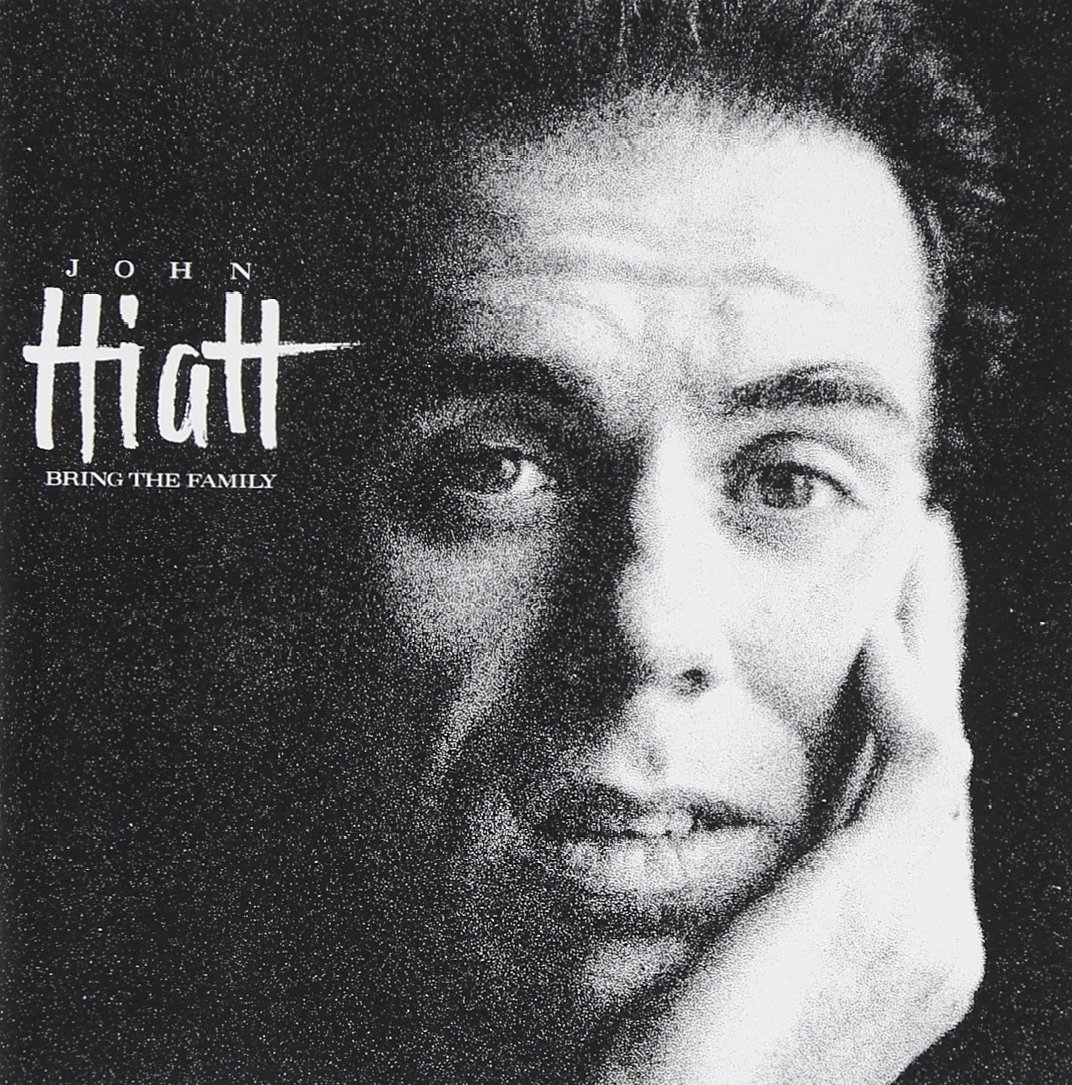
8.27 John Hiatt - Bring the Family

John Hiatt – Bring the Family (1987). Here’s another Hoosier-born artist, though he no longer lives in the state. Hiatt had been around the music industry for the better part of decade earning a living as both the next big thing and the American version of Elvis Costello. But, success had always eluded his talent. Then, he too dropped the new wave pretensions, got down to the basics and joined forces with guitarist Ry Cooder, bassist Nick Lowe and session drummer Jim Keltner to create a soulful Americana sound that remains influential to this day. Still, the highlight is the songwriting, with “Memphis in the Meantime” and “Thing Called Love,” later a hit for Bonnie Raitt, were strong. But, the song that has the legs is “Have a Little Faith in Me,” a beautiful plead to a woman to stick with him sung in a voice that evokes Ray Charles. This is rock music made by adults for adults.

Well, people, that wraps up the first go-around with 1987. Check ya later! Peace.
1986, Chapter 2: My 1000 Favorite Albums

5.17 Top 1000 Albums_LI

I’m having an Eighties flashback today caused by the newly released album by seminal LA hardcore band X. I mean, this is simply an outstanding album. But, more about it later. I have heard some pretty good albums this year from Lady Gaga, Halsey, Adam Lambert, Pearl Jam, The Chicks and Paul Weller. Still, I am looking forward to new releases by Bob Mould, Weezer, Elvis Costello and The Killers (sorry, I wait for the vinyl to be released before fully evaluating them). Additionally, I would love to listen to Taylor Swift and Fiona Apple’s new albums. Finally, perhaps my biggest excitement is reserved for the remastered versions of two classic albums, Prince’s box set of everything recorded for his mighty Sign ‘O’ the Times album (13 LPs!) and Tom Petty’s fantastic Wild Flowers vinyl release that includes all the stuff he recorded for that album as well (3 LPs is the version I want).

It is shaping up to be a pretty good ending for 2020, at least musically speaking.

Anyway, let’s finish off 1986.

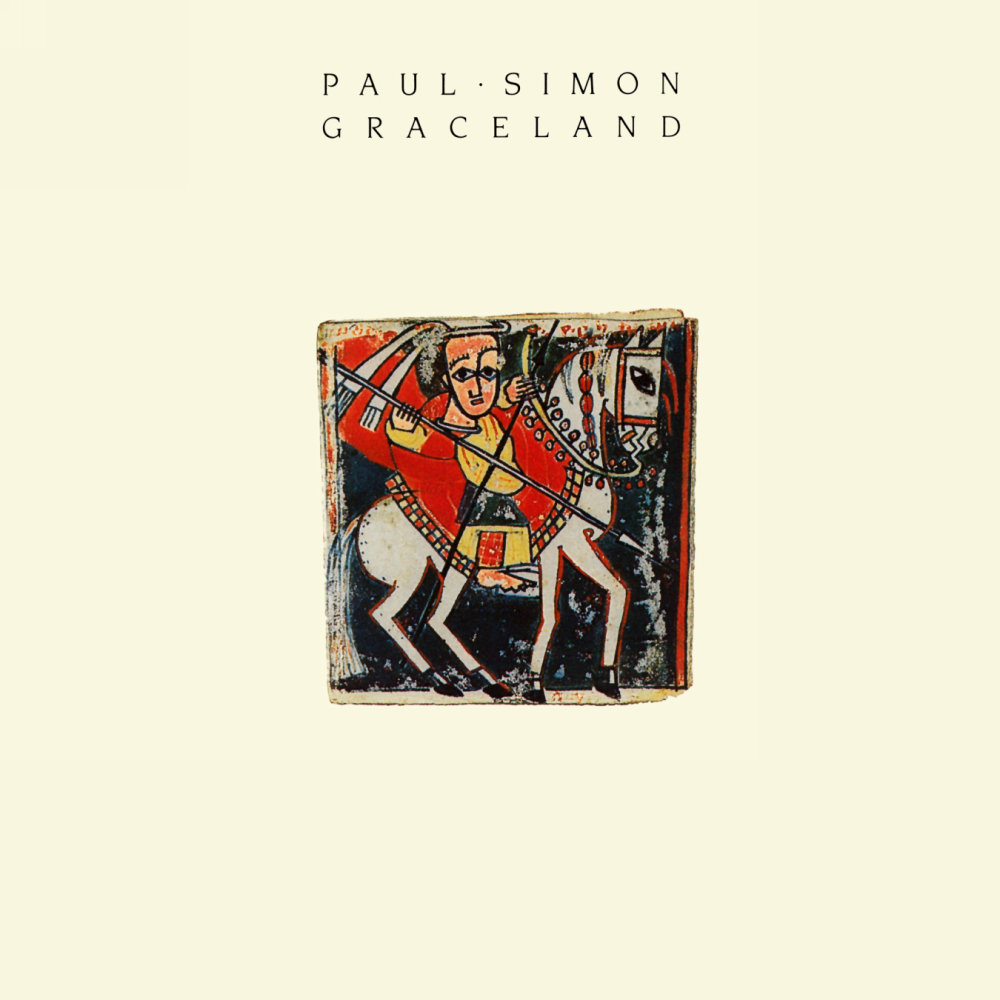
8.26 Paul Simon - Graceland

Paul Simon – Graceland (1986). As with Talking Heads, I loved that Simon was reaching into Africa to shine some much needed context for American music. By working with South African musicians, Simon was keenly able to bridge a cultural divide to bring this rich musical tradition some recognition. Personally, this album grows as I age. What a wondrous album!

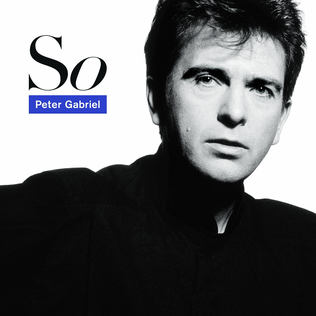
8.26 Peter Gabriel - So

Peter Gabriel – So (1986). To be perfectly honest, I had never really listened to Genesis while Gabriel was part of the band when I was younger. As a matter of fact, I honestly discovered Genesis AFTER I had discovered a solo Gabriel. Immediately, I was taken by Peter Gabriel’s almost left-brained approach to art rock via punk’s DIY ethic. So, imagine my pleasure when the general public finally caught up to his vision. To me, there were few songs as great as “Sledgehammer,” as well as no video greater than it.

8.26 R.E.M. - Lifes Rich Pageant

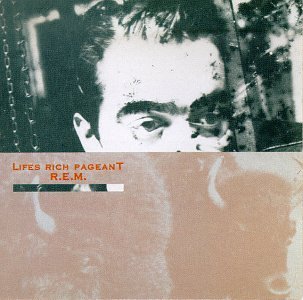
R.E.M. – Lifes Rich Pageant (1986). On this album, R.E.M. made what sounded like their version of a mainstream rock album. What I mean by that was their production value was crisp and clean, since they were using John Mellencamp’s producer Don Gehman. But, everything that made R.E.M. so great in the first place were still in tact. Now, we could actually discern singer Michael Stipe’s lyrics. I may be in the minority with R.E.M. fanatics, but this remains my favorite album of theirs.

8.26 Robert Palmer - Addicted to Love

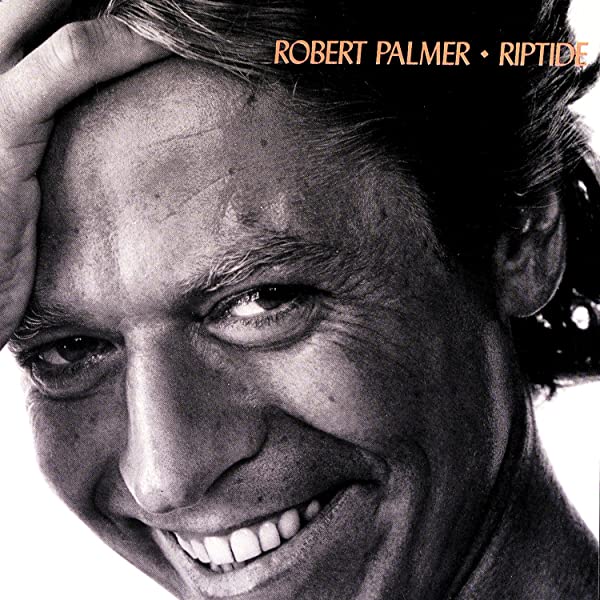
Robert Palmer – Addicted to Love (1986). After finally finding commercial success as a member of Eighties supergroup The Power Station, Robert Palmer shed his blue-eyed soul image from the Seventies and embraced the big radio-ready sound of his one-off group. He definitely expanded the vision of TPS with thicker drums and louder guitars, then added a brilliant visual for his videos. The title song and his version of “I Didn’t Mean to Turn You On” remain fantastic timepieces of mid-Eighties rock.

8.26 Run-DMC - Raising Hell

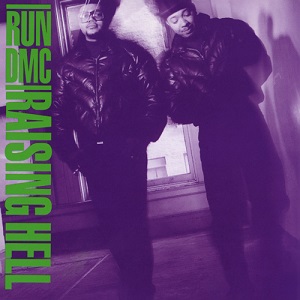
Run-D.M.C. – Raising Hell (1986). Public Enemy’s Chuck D says this is the greatest hip hop album ever, and he is correct. The trio did everything the right way, from “My Adidas” to “You Be Illin'” to their remake of the Aerosmith classic “Walk This Way” (that’s right Curt, Run-D.M.C. saved Aerosmith’s career!). This album solidified the band’s vision and changed the course of rap forever.

8.26 Simply Red - Picture Book

Simply Red – Holding Back the Years (1986). Just as Hall & Oates began to run out of steam, in their place steps a Ginger from England with the soulful voice of an angel to ease their loss. That angel was Mick Hucknall and his band Simply Red. This album is much more than their mega-hit “Holding Back the Years,” but that song is golden. Plus, anyone that has the balls to cover a Talking Heads song (“Heaven”) as a soul song is okay in my book.

8.26 Slayer - Reign in Blood

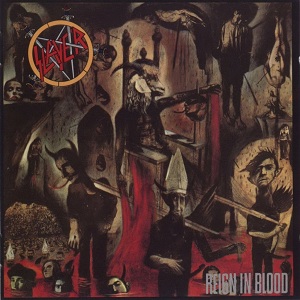
Slayer – Reign in Blood (1986). 1986 was quite a year for thrash metal, as there were three of the best albums of the genre were released. And while Metallica’s Master of Puppets is considered the pinnacle, this Slayer album has got to be a half a notch below. This is more than a metal album. It is an artistic statement and a tour de force.
8.26 Steve Earle - Guitar Town

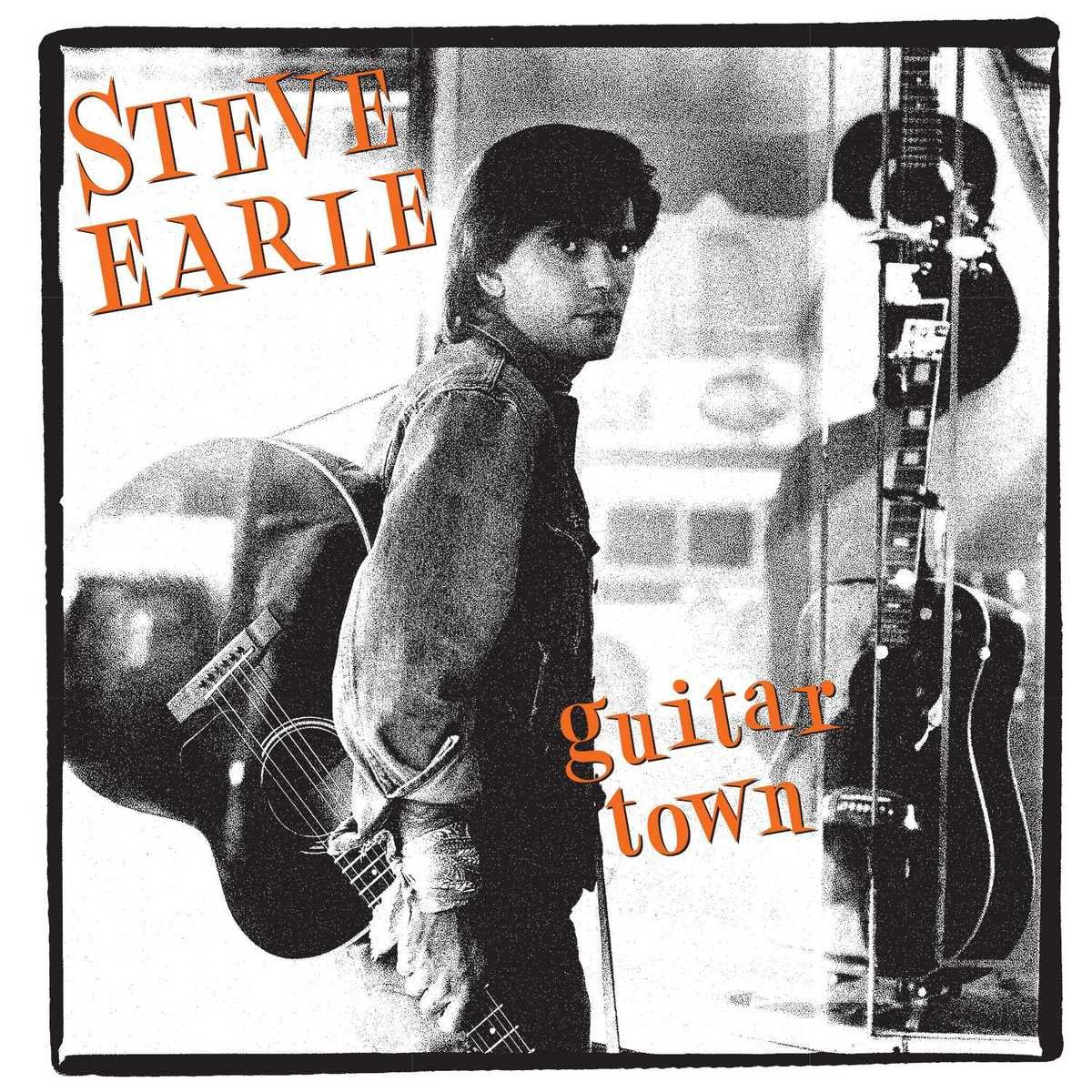
Steve Earle – Guitar Town (1986). This album represents my introduction to the southern fried rock vision of Eighties country outlaw Steve Earle. I prefer this stripped down album to any of his subsequent albums. And, I find the album way better than the much-ballyhooed Dwight Yoakam debut album, regardless of whether Yoakam opened for Hüsker Dü.
8.26 The Replacements - Pleased to Meet Me

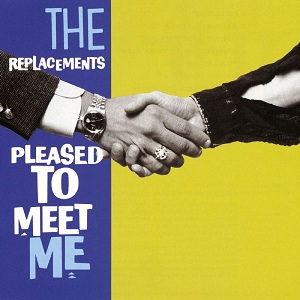
The Replacements – Pleased to Meet Me (1986). The Mats faced their first band crisis as original guitarist Bob Stinson, brother of bassist Tommy Stinson, was let go to his deteriorating condition due to alcoholism. In his place stepped the much more professional Slim Dunlap who breathed life into Paul Westerberg’s excellent songs. This album plays like a tribute to Seventies power pop gods Big Star, even the album’s best song was named “Alex Chilton” after that band’s iconic leader. I just wish The Mats had released a sister song entitled “Chris Bell,” the actual heart and soul of Big Star. I think Westerberg left a classic on the table.

8.26 Robert Cray - Strong Persuader

The Robert Cray Band – Strong Persuader (1986). First, Stevie Ray Vaughan resurrected the long-dormant blues guitar hero role in 1983. Then, long-time blues journeyman Robert Cray upped the ante in the genre by revisiting the connection between the blues and soul music. That rediscovery made for one brilliant album.

8.26 The Smithereens - Especially for You

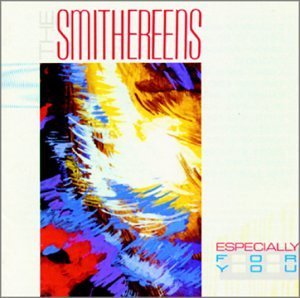
The Smithereens – Especially for You (1986). Unlike most power pop bands, these guys really looked like the Stones but played music that combined “Paperback Writer”-era Beatles with early Who. It was a lethal combination. I have read that if these guys had been better looking they would have been stars. That’s BS! These guys weren’t stars because they were NOT a glam rock band. They were much better than being the lowest common denominators.

8.26 The Smiths - The Queen Is Dead

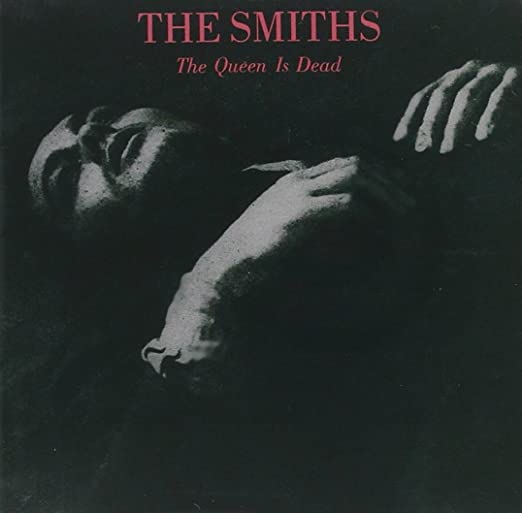
The Smiths – The Queen Is Dead (1986). It makes sense that The Smiths would make their finest album the very same year R.E.M. did. The two were measuring sticks for each other. Unfortunately, The Smiths only lasted for one more album before calling it quits. But, at least they created this classic album, still considered by the UK rock press as one of the greatest albums of all-time. Who’s to say, they might be right.

8.26 Van Halen - 5150

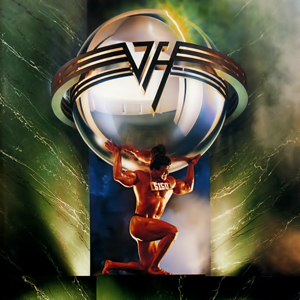
Van Halen – 5150 (1986). So, is this a Van Halen album, or is it a Sammy Hagar album with the best backing band he would ever have? Regardless, this is a really good album no matter how you cut it. I’ve always been lukewarm toward Hagar and drawn toward Halen, but the combo worked this time. But, their shtick got tiresome for me quickly. I guess I am a DLR man.

And, that, my friends, wraps up 1986. Peace.

1986, Chapter 1: My 1000 Favorite Albums

5.17 Top 1000 Albums_LI

In July 1986, I graduated from Medical Technology School, passed my two certification exams and moved the family to Oxford, Ohio for my first job with the MT(ASCP) CLS(NCA) initials after my name. Though I would only work full time as a med tech for eight years, it would prove to remain the biggest academic influence on my professional life. None of the success I had as an educator would have been possible without that series of jobs which took me to three hospitals, on all three shifts, in all the departments and even with an entry level management position. But, that relatively short career all began in the summer of 1986 at a tiny 60-bed hospital in a very small college town in Southwest Ohio.

Since the hospital was so small, I worked in the lab with only one other tech, and we did all the blood draws and testing for the whole hospital. We were also the lucky ones who got to work one weekend a month from 9 PM to 6:30 the next morning every other Sunday by ourselves. If you could not organize yourself thoroughly, that overnight shift could absolutely kill you. And, I never got out of the lab before 8 AM because I had to finish the morning tests, while the day shift techs eased into their days.

After six months of living by the seat of my pants, I saw an ad in the Sunday paper for a med tech opening at a large teaching hospital in Cincinnati. It interested me because the position was in the Hematology department, and that was my second favorite department. Plus, the ad said they were gathering data on a cutting edge technology for Complete Blood Counts (or CBCs). So, I called to see if I could get an interview.

For the interview, I showed up to the lab for my interview with the head pathologist, an older physician who oversaw the laboratory and had held the position for a couple of decades, so he had overseen many changes, including the fact that the lab then covered the whole sixth floor of a twelve-story tower of this 1000-bed hospital. After talking with the man for about 40 minutes, he offered me the job that would substantially increase my pay, put me on second shift only for six months before moving me to day shift when the new budget took affect. All in all, it was hard to turn down, but I told him that I needed to discuss this with my wife.

Obviously, I took the job. The cool thing was that we had phlebotomists to do all of the blood draws, so I no longer had to do that. I could actually focus on my lab work, which mainly entailed working with five other techs to crank out a few thousand CBCs per shift, in addition to doing all the coagulation studies. With machines to do everything, all we had to do was a brief microscope slide scan to determine if the machine was performing the white blood cell differential correctly, which it did about 90-95% of the time. And when the machine did not work, the computer would flag the sample and you would do a manual count.

In hematology, the ability to do those counts quickly and accurately is what separates the “good” techs from the rest. And, for some reason, I could discern those cells under a microscope quickly. Just from those blood smear slides, after staining, I could quickly diagnose whether these “weird” looking cells were being caused by something mundane as mononucleosis or as exotic as a specific type of leukemia. Regardless of what I thought, you only put out preliminary results and gave the slides to the pathologists in charge of hematology to make the final determination. And, it was those two guys who had the final say as to which techs were “good” and which were average. Now, that designation never increased my pay, only my prestige within the department, as those pathologists would seek you out for troublesome blood smears, especially various types of leukemias. I have to admit that those guys briefly made me into something of a hematology expert and encouraged me to go to medical school to become a pathologist. Unfortunately, that was not my path.

Anyway, while on second shift, there were a young of wannabe medical students from the University of Cincinnati who worked at the hospital as phlebotomists, so they took their jobs very serious. Their work meant they were getting ahead of other pre-meds who were not in their positions. But, like any other college kid, they were ready to party after work. Now, being a young parent, I rarely went out with these guys, but when I did, they took me to the “cool” clubs around campus where they turned me onto some terrific music from the alternative and hip hop scenes. In other words, their direction, along with living in Oxford, kept me on the cutting edge of music a bit longer than most my age.

So, in thanks for those young people who kept me young a bit longer, here’s the beginning of the first half of my med tech career and the music I loved.

8.25 Anita Baker - Rapture

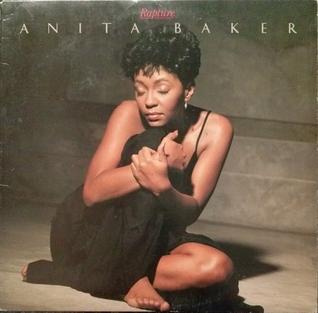
Anita Baker – Rapture (1986). After Whitney burst onto the scene the previous year, people were looking for my R&B divas. What we got instead was a confidently singing, lower register woman with a sultry voice with the name of Anita Baker. This woman took the Sade formula of jazz cool and increased the soul in the mix and gave us this delightful cutting edge Eighties R&B sound. And, if “Sweet Love” doesn’t put you in the mood for some lovin’, then you might need Viagra.

8.25 Bad Brains I Against I

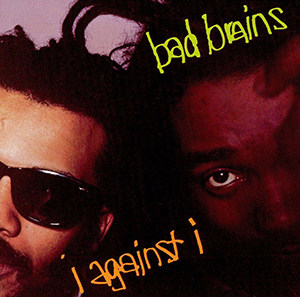
Bad Brains – I Against I (1986). Bad Brains were one of the most intriguing hardcore bands from the LA scene of the Eighties. Unlike their brethren Black Flag and Dead Kennedys, these four black Americans set out of create an American version of a punk/reggae fusion similar to the UK’s ska scene of the late-Seventies/early-Eighties. Along the way, the band incorporated metal, funk, hip hop and jazz chops, which lead to this album which is their London Calling. Bad Brains, along with Fishbone and Living Colour, led a resurgence of black Americans diving headlong into the rock scene. Although those bands shared audiences with band such as the Red Hot Chili Peppers, Faith No More and the early version of No Doubt, they never got the big record company push of those other bands, which only proves that racism was alive and well in the late Eighties.

8.25 Beastie Boys - Licensed to Ill

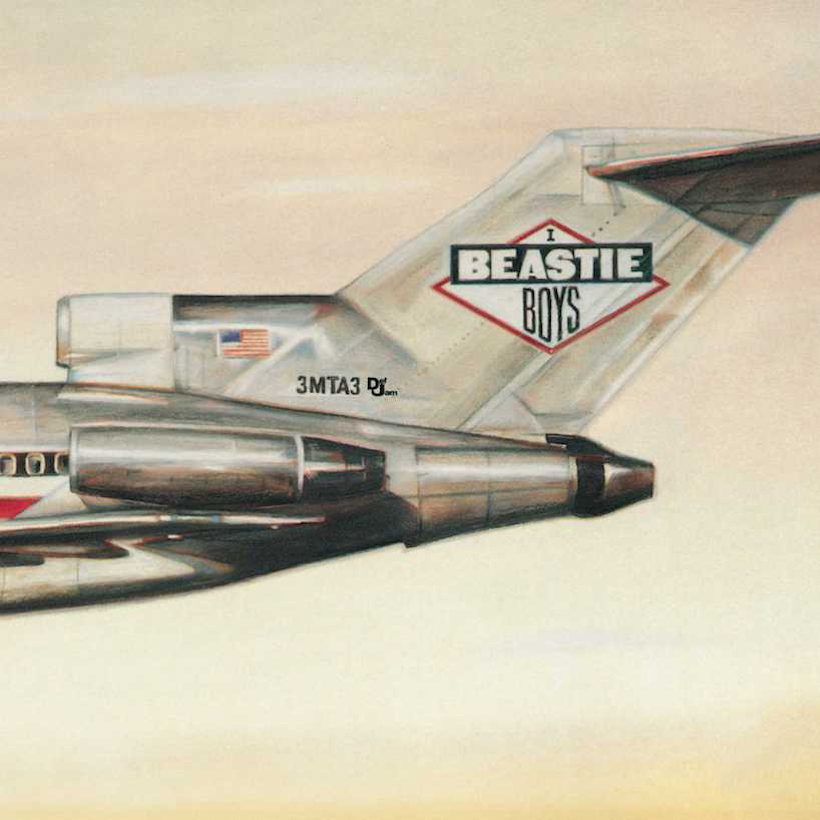
Beastie Boys – Licensed to Ill (1986). By 1986, rap was primed for some white guys to attempt to make inroads. The only thing was that a Vanilla Ice-type of rapper would not fly at this point. So, into the void, enter three NYC Jewish boys who were originally punk rockers but had begun to absorb hip hop culture while in college. The trio, with the help of rising producer Rick Rubin, started at Run-D.M.C.’s stripped down rock-based beats and vocal trades to bring a touch of cartoonish brattiness and a heavy dose of Gen X art into their hip hop sound. Immediately, the hip hop community embraced these white boys and the rest was history. The tour of that year was Run-D.M.C., the Beasties, LL Cool J and Whodini, and they brought hip hop to the world, much as the Sex Pistols had notoriously brought punk to the nether regions of the USA. This tour was why N.W.A and Public Enemy was under so much scrutiny afterwards.

8.25 Bon Jovi - Slippery When Wet

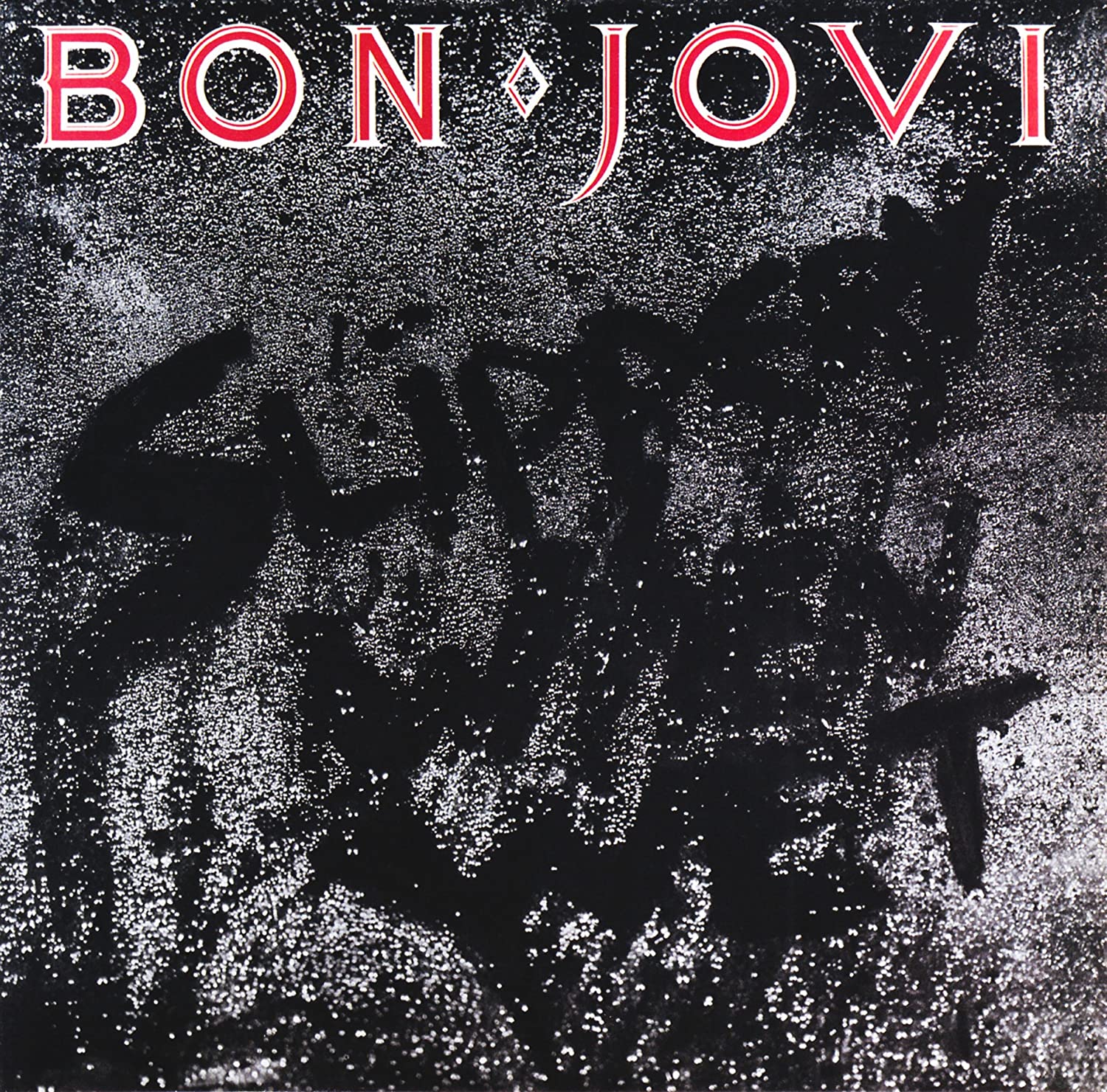
Bon Jovi – Slippery When Wet (1986). Just when you thought that AOR had run its course, along comes the New Jersey band called Bon Jovi who were equal parts hard-working Springsteen-everyman-band, Loverboy and glam rock. The band made this album by allowing their most ardent fans to decide which cuts would be included on the final version of the album, ensuring the band to have the best collection of tunes. Of course, the whole process worked its platinum magic, paving the band’s road to the Rock & Roll Hall of Fame, no matter how derivative I find them. At least my older son got them out of his system before the age of two.

8.25 Cameo - Word Up!

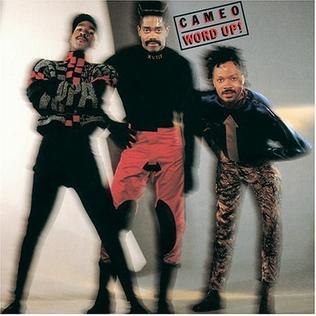
Cameo – Word Up! (1986). Easily the funk album of the year, Cameo finally broke through for some mainstream success. The title song and “Candy” remain as fresh today as they were back in the day. Cameo made up for the fact that Prince was going in an European art direction.

8.25 Crowded House - Crowded House

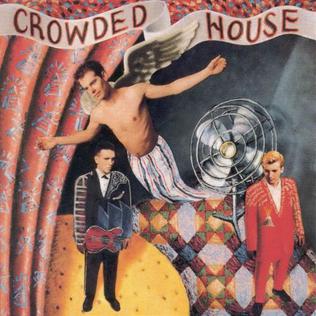
Crowded House – Crowded House (1986). From the ashes of the great new wave/art Australian band Split Enz rose Crowded House, led by Enz co-leader and younger brother Neil Finn. The band dropped the art pretensions of the Enz and focused on tight pop/rock songs along the lines of early Elvis Costello or Squeeze and rode those terrific songs to the Top 10. This is a delicious record of terrific power poppish rock.

8.25 David + David - Boomtown

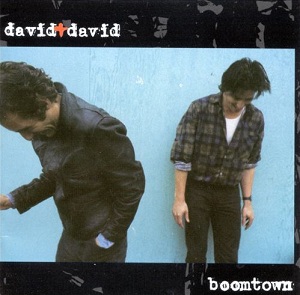
David + David – Boomtown (1986). I say this often, but this album is a lost classic. Sure, “Welcome to Boomtown” got some radio and MTV airplay, but the album made barely a dent on the charts, which is a shame. This album remains a great rock album, but what separates it from the radio rock of the day were the lyrics, which depicted the underbelly of the American economy of the day. Actually, the juxtaposition of the music against the characters fighting economic loss and drug abuse while failing to grab the new American yuppie dream makes the album quite chilling. After recently listening to it, I feel it is still unfortunately poignant and relevant.

8.25 Elvis Costello - Blood & chocolate

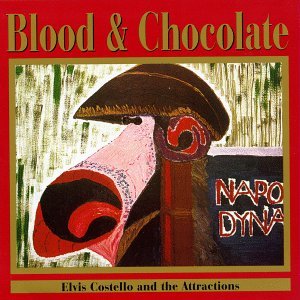
Elvis Costello & the Attractions – Blood & Chocolate (1986). 1986 was something of a creatively stellar year for Elvis as he released two albums. The first, listed as by The Costello Show, was an ornate set of ballads that touched on some Americana along the way. Mainly, Costello recorded with Elvis Presley’s old band, which he renamed The Confederates, though he did record one track with his usual band The Attractions. In response, Costello recorded this raucous second album completely with The Attractions that conjured up the anger of the past. Of the two, this is the better album, though both are essential to Costello-philes.

8.25 Game Theory - Big Shot Chronicles

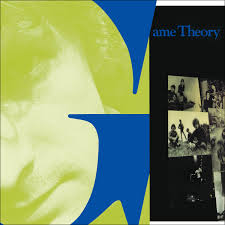
Game Theory – The Big Shot Chronicles (1986). Game Theory is a major cult figure in the power pop world. And, it’s a damn shame many of you have never heard of them. The mastermind behind the band was the troubled Scott Miller, who remained the only constant throughout the band’s go around. They ended up being a bridge between the ornate Beatlesque sound of Squeeze and the Seventies pop trash compactor of Jellyfish. This band, along with Crowded House, brought back the sophisticated pop of Rubber Soul-era Beatles and Pet Sounds-era Beach Boys. And, is that a bad thing?

8.25 Janet Jackson - Control

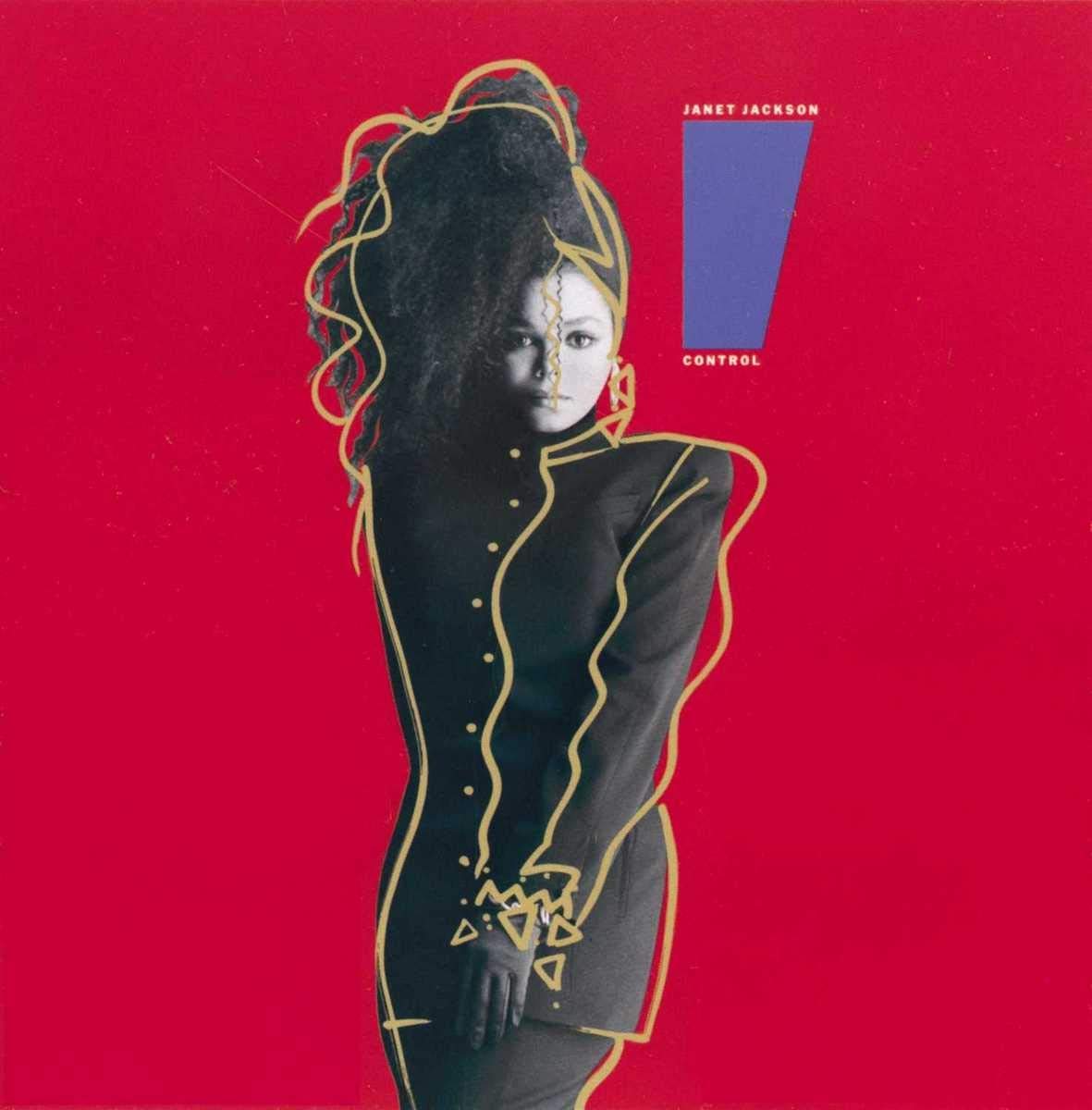
Janet Jackson – Control (1986). After Thriller sold a gazillion copies and the success reunion tour of her brothers The Jacksons, Janet felt it was time to exert herself and take control of her singing career. So, Miss Jackson, if you’re nasty, up and left the safety of LA and her family, traveled to Minneapolis and home of her brother’s rival Prince, and joined up with former members of The Time-turned-producers Jimmy Jam and Terry Lewis. Together, the trio melded everything great about the Jacksons, Prince, The Time and some thick funk to give us a new pop/dance vision. The whole album is excellent, especially the singles. And, now, Janet Jackson was being mentioned in the same breath as her brother, his Purple rival AND Madonna.

8.25 Madonna - True Blue

Madonna – True Blue (1986). After two indisputable pop/dance classics, Madonna went all in on pop music and came out with a winner in True Blue. And, in the process, Madonna became more of an artist than an auteur. Her vocal prowess grew by leaps and bounds, eschewing her Betty Boop-on-helium attack for a fuller, more throaty approach, which worked perfectly. Fortunately for us, she was just finding her artistic sweet spot.

8.25 Megadeth - Peace Sells...But Who's Buying

Megadeth – Peace Sells…But Who’s Buying? (1986). This album represents an early classic in the thrash metal sweepstakes. Former Metallica guitarist Dave Mustaine leads his band in what is arguably its finest album. Few guitarists can run their fingers on a fret like Mustaine, but at least he does in this time within the confines of some great songs such as the title song, “Wake Up Dead” and the Willie Dixon standard “I Ain’t Superstitious.” Megadeth made an album that Metallica, Slayer and Anthrax had to answer.

8.25 Metallica - Master of Puppets

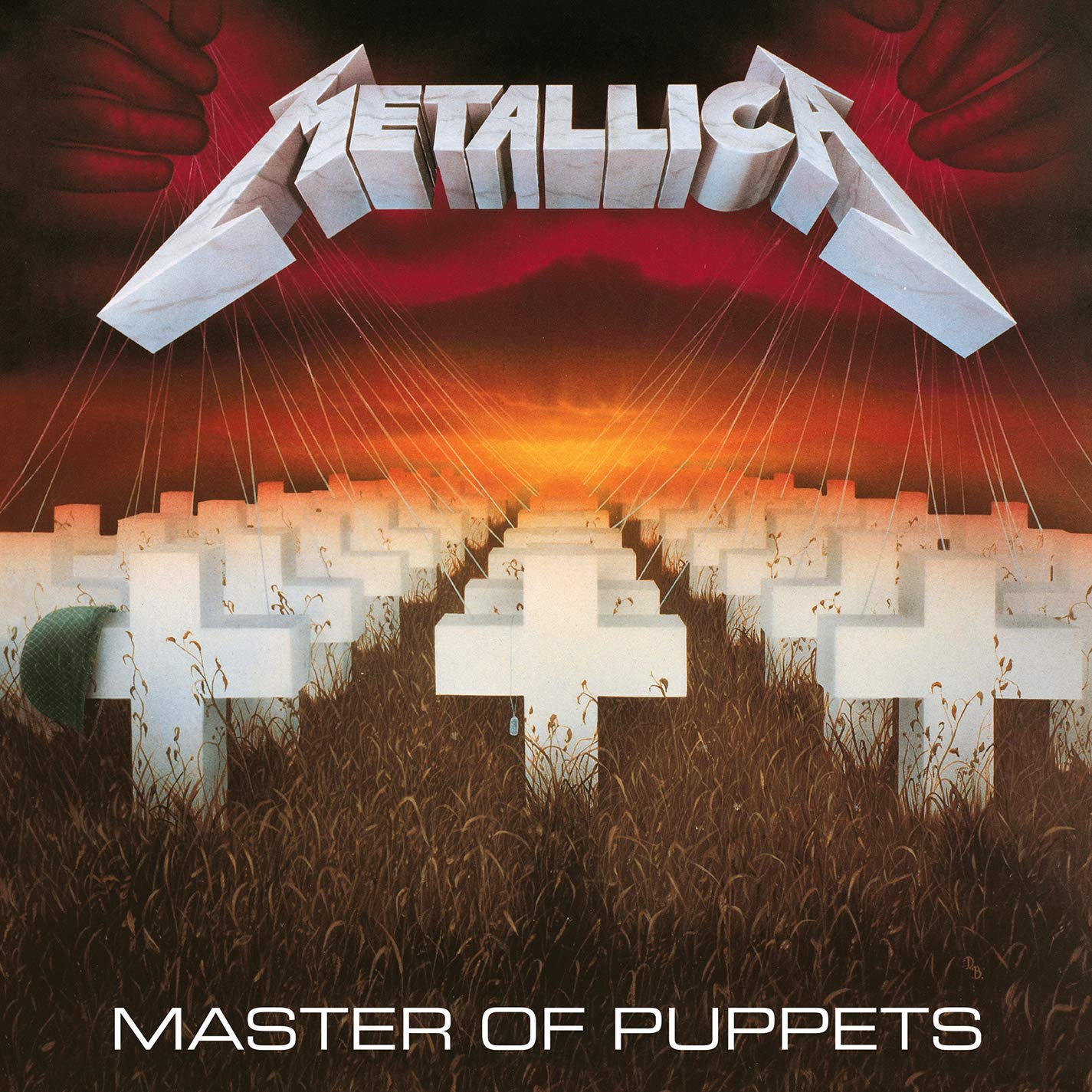
Metallica – Master of Puppets (1986). As soon as Megadeth dropped Peace Sells, Metallica answered with the undisputed champion album of thrash metal Master of Puppets. Unfortunately, this album marks the last one for bassist Cliff Burton, who would die in a tour bus accident in Europe while on tour for this album. Still, this album was hailed as a classic from its release and remains one to this day. Everything that made Metallica a great band can be found on this album, all the angst, all the chords and the unparalleled rhythm. This represents metal at its finest.

And, that wraps up the first day covering 1986. God willing, I will finish up the year next time. Until then, peace.

The 1985 Wrap-Up Party: My 1000 Favorite Albums

5.17 Top 1000 Albums_LI

Let’s jump right into the last day of 1985.

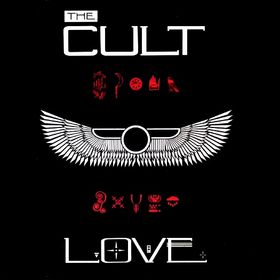
8.20 The Cult - Love

The Cult – Love (1985). Long underappreciated by the States, The Cult was one of the first bands to bridge the gap between new wave Goth of bands like Bauhaus and Siouxsie & the Banshees and the stadium hard rock of Led Zeppelin and Aerosmith. Although the band would reach greater heights and notoriety on the subsequent two albums, this one is the album that broke the band to the college rock crowd. “She Sells Sanctuary” remains The Cult’s signature song.

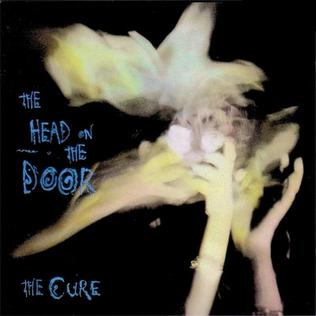
8.20 The Cure - The Head on the Door

The Cure – The Head on the Door (1985). On this album, The Cure began to shed their dark Gothic influenced sound a bit and began to sharpen the pop hooks that laid beneath their songs. This is when the band, and specifically leader Robert Smith, began a play for more commercial acceptance without sacrificing their post-punk integrity. And thank goodness since this album spawned two enduring hits, “In Between Days” and “Close to Me.”

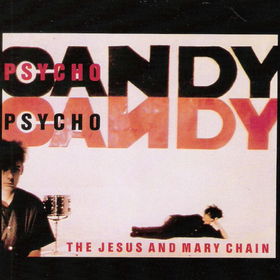
8.20 The Jesus and Mary Chain - Psychocandy

The Jesus and Mary Chain – Psychocandy (1985). American ears were not ready for the feedback-drenched guitar attack of The Jesus and Mary Chain. If they were, then the public would have eaten up the pop melodies that lay beneath all the noise. This was the sound of The Beach Boys, The Velvet Underground and bubblegum music colliding in a canopy of buzzsaw guitars. Not only did this album seem to spawn bands like Pixies and Nirvana, but also the whole UK shoegaze craze of the early-Nineties, especially stalwarts like My Bloody Valentine.

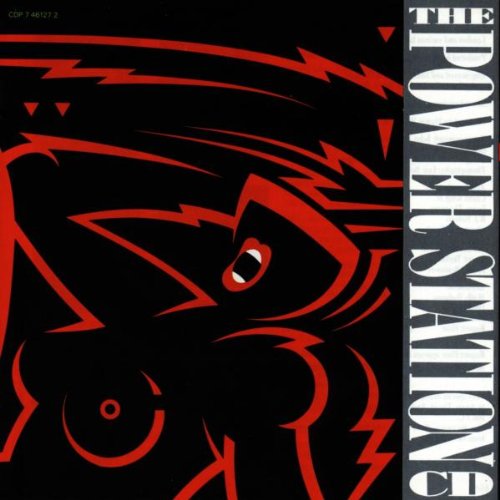
8.20 The Power Station - The Power Station

The Power Station – The Power Station (1985). By 1985, Duran Duran was one of the biggest pop/rock bands on Earth, so it stands to reason that the boys needed a break. Singer Simon Le Bon, keyboardist Nick Rhodes and drummer Roger Taylor formed the Duran-squared soundalike band Arcadia, while guitarist Andy Taylor and budding bass god John Taylor joined forces with Chic drummer Tony Thompson and suave Brit vocalist Robert Palmer to form The Power Station. The Power Station actually lived out the original intentions of Duran Duran’s sound – to be a combination of Chic and the Sex Pistols. Produced by Chic bassist Bernard Edwards, The Power Station laid the foundation of a hard rock/dance-funk groove that INXS would perfect. The summer of ’85 will forever be remembered for “Some Like It Hot” and their T. Rex cover “Get It On (Bang a Gong).”

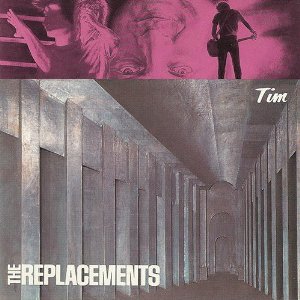
8.20 The Replacements - Tim

The Replacements – Tim (1985). The previous year, The Replacements dropped a mature punk/heartland rock joint entitled Let It Be. But no one was ready for the gigantic steps this Minneapolis band would make on Tim. Everything was more professionally done, from the songwriting to the lyrics to the playing to the vocals to the production. It was as if the guys were tiring of being the drunken wannabes to actually attempting to grab the golden ring. I cannot heap enough praise on this album.

8.20 The Smiths - Meat Is Murder

The Smiths – Meat Is Murder (1985). At the time, the argument within the college rock world was who was better, R.E.M. or The Smiths? Personally, I have always been a R.E.M. fan, but The Smiths were excellent. To be honest, Meat Is Murder has always seemed like the band’s transition album, much like R.E.M.’s 1985 LP Fables of the Reconstruction. Still, the draw for me to The Smiths has rarely been Morrissey but Johnny Marr’s swirling guitar jangle. Oh, you can find the band’s timeless single “How Soon Is Now?” on this one.

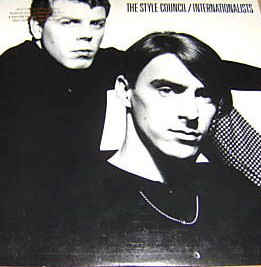
8.20 The Style Council - Internationalists

The Style Council – Internationalists (1985). Once again, my British brethren are going to cry foul that I put the American version on my list as opposed the version released everywhere else around the world known as Our Favourite Shop. Regardless, this is prime Paul Weller under the guise of The Style Council. It might not reach the emotional heights of My Every Changing Moods, but it remains a very solid outing, especially on “Shout to the Top!” and “The Walls Come Tumbling Down!”

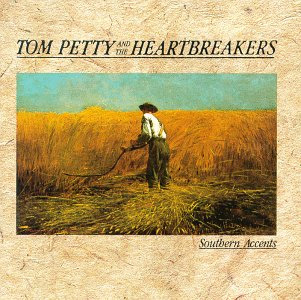
8.20 Tom Petty - Southern Accents

Tom Petty & the Heartbreakers – Southern Accents (1985). Originally, Petty had intended this album to be a double album song-cycle about growing up in the South, along the lines of what Mellencamp did for the Midwest on Scarecrow. Instead, Tom ended up fighting with the twin demons of substances and perfectionism that very nearly ended his career when he shattered his left hand in frustration. In response, the band threw together a hodge-podge sounding collection of songs which used a variety of collaborators and producers. Still, when the Heartbreakers were on, songs like the title song, “Rebels” and the immortal “Don’t Come Around Here No More” were stunning. But, when the experiments failed, those songs splattered on the ground like bird crap. Yet, this rollercoaster ride makes the album that much more charming to me.

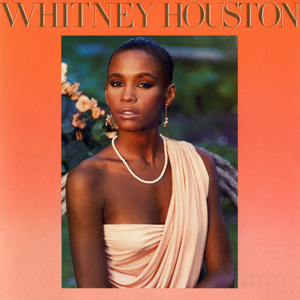
8.20 Whitney Houston - Whitney Houston

Whitney Houston – Whitney Houston (1985). Whitney Houston was the voice of my generation, and everyone diva-wannabe who popped up in her wake (I’m talking to you Mariah, Christina and the rest) should be bowing to her alter every day. Whitney’s combination of beauty and her voice made her an obvious choice for rock immortality, and it all began on this debut album. “You Give Good Love” made us take notice, but the following singles of “Saving All My Love for You,” “Greatest Love of All” and the transcendent “How Will I Know” were statements that this was a once-in-a-lifetime talent.

And, that, my friends, wraps up 1985. And that means I have cover 565 albums up to this point. See you next time! Peace.
1985 Was More Than Live Aid, Day 2: My 1000 Favorite Albums

5.17 Top 1000 Albums_LI

Over the decades, 1985 has been musically distilled into one event: Live Aid. And rightfully so. The concert event, that spanned two continents connected by a relatively new technology of satellite coverage, was the benchmark event of Generation X. Held in London and Philadelphia, Live Aid had performances by many of the top musical acts of the first 20 years of rock music. Oh, sure, you can ask where were The Rolling Stones, Michael Jackson and his brothers, Bruce Springsteen, Prince, Wham! among so many others, but it still remains a feat that has remained unmatched, though Live 8 tried.

But, there was some fine music released that year, especially if you just ignore all the benefit singles that were released. Seriously? Did we really need Hands Across America? In retrospect, rap began to move into the mainstream more and more. New wave had become simply the sound of pop music. R&B was dominated by less talented bands attempting to cash in on the brilliance of Purple Rain and Thriller. Country…well, country was lost and would continue to be lost, albeit for the occasional brilliant album, forever. Unfortunately, rock was beginning to be dominated by glam metal, but the waters of alternative music was churning faster and faster preparing to explode in a few years.

So, yeah, I hated popular music at the time, but all the good stuff was bubbling underneath. But, in the long run, 1985 was not so bad.

8.20 LL Cool J - Radio

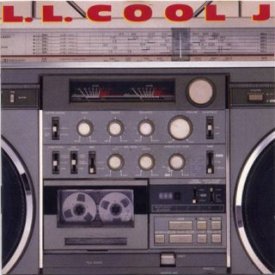
LL Cool J – Radio (1985). Grandmaster Flash made the first consistently decent rap album three years earlier. Then Run-D.M.C. blew the roof off everything. So, in the aftermath, walked a 17-year-old budding sex symbol with his confident rhymes and his major league swagger than set out to clear a new path for hip hop. That emcee’s name was LL Cool J. All of a sudden, kids were blaring “I Can’t Live Without My Radio” from their cars. Oh, the times they were a-changing.

8.20 Lone Justice - Lone Justice

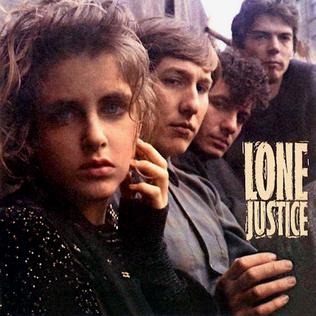
Lone Justice – Lone Justice (1985). It’s always going the first band to do something that will get lost in the shuffle. Back before there was a Counting Crows, Wilco, Uncle Tupelo or The Jayhawks, there were bands such as The Long Riders, Jason & the Sorchers, and my personal favorites Lone Justice. All of these bands did a futuristic take on country rock as they kept a foot in punk rock while giving a passing nod to Neil Young and Tom Petty. For my money, Lone Justice was the best of the bunch. They had some fantastic songs, but their cover of Tom Petty’s “Ways to Be Wicked” is revelatory. Maria McKee was a modern day Dolly Parton, with a first class band. Oh, if the public could have just embraced the greatness of the band instead of wanting to hear more Eagles retreads.
8.20 New Order - Low-Life

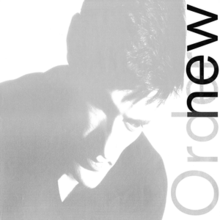
New Order – Low-Life (1985). New Order perfected their innovative synthpop/rock/dance fusion on this album causing ripples that are still being felt today. On this album, the band finally left behind the shadow of Joy Division to become one the most important alternative bands of the Eighties. “Love Vigilantes” sound as fresh as it did 35 years ago.

8.20 R.E.M. - Fables of the Reconstruction

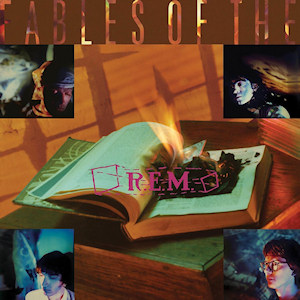
R.E.M. – Fables of the Reconstruction (1985). The growth of this band from album to album is simply amazing. I still find this album to be the darkest of the career. I don’t know what kind of demons they were exorcising at the time since the lyrics are so obtuse, but it sure seems like they had much to get off their collective chests. Yet, there is something just beautiful that came out of this darkness.

8.20 Run–D.M.C. - King of Rock

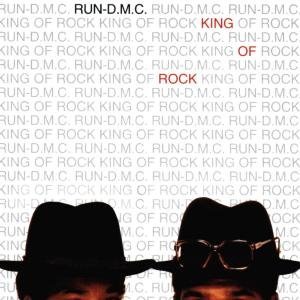
Run-D.M.C. – King of Rock (1985). They changed the world of hip hop on their first album, so on this one they went after rock music. Did they succeed? Yes and no. But, they did lay the foundation for their fantastic next album. Along the way, the band dabbled a bit in synthpop and reggae, proving they were up for anything to advance the sound of rap.

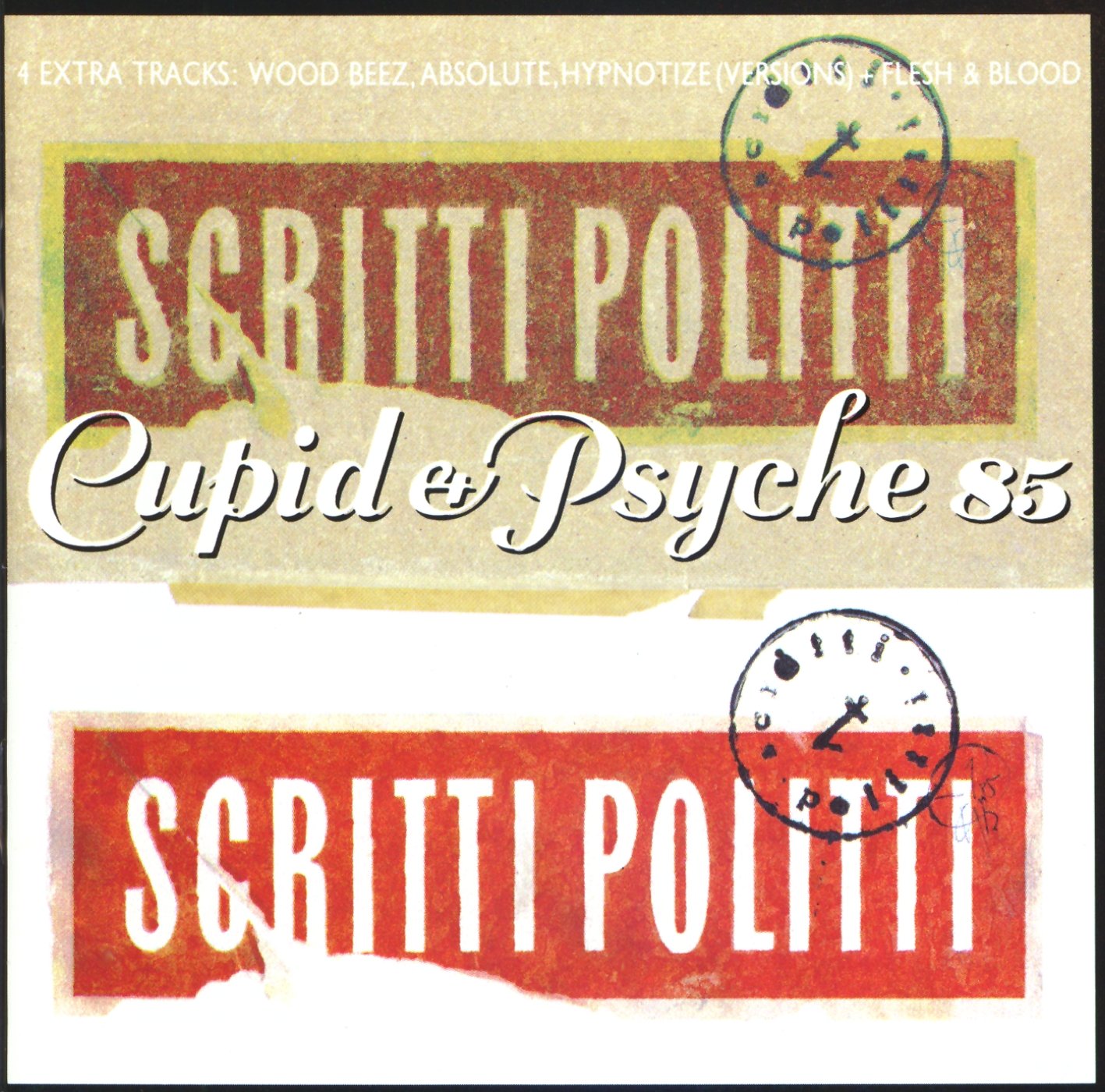
8.20 Scritti Politti - Cupid & Psyche 85

Scritti Politti – Cupid & Psyche 85 (1985). This album represents state of the art intelligent pop that is based in the lessons of Motown and new wave for a heartfelt update. “Perfect Way” remains a wonderful Eighties touchstone single.
8.20 Sting - The Dream of the Blue Turtles

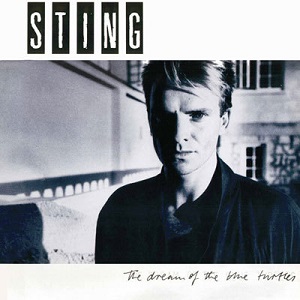
Sting – The Dream of the Blue Turtles (1985). After the mega-success of Synchronicity, Sting felt it was time for him to fly the coop and establish himself as a solo artist. So, he went and grabbed a band of excellent jazz musicians, including saxophonist Bradford Marsalis (Wynton’s brother), to record some excellent songs. Unfortunately, we were not getting Sting’s trademark bass, which I feel like kind of ripped us off. Still, the album was excellent, perhaps his finest solo album. Yet, I am left wondering just what this album might have sounded like if Andy and Stewart were playing on it instead of some hired hands, though I do love Marsalis’ contributions.

8.20 Talking Heads - Little Creatures

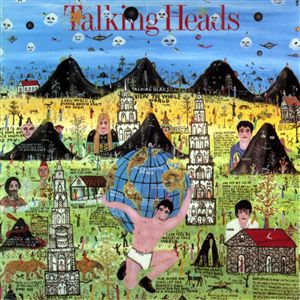
Talking Heads – Little Creatures (1985). After years of expanding the band’s sound to include some excellent Anglo-ized African and funk rhythms, the Heads pulled back to their beginnings to focus on a set of excellent pop songs. This allowed the band to showcased their musicianship they had developed over the years with the expanded live lineup. At the time, it seemed like reaching back a bit was a major leap forward, not the ending of the line the album ended up being.

8.20 Tears for Fears - Songs from the Big Chair

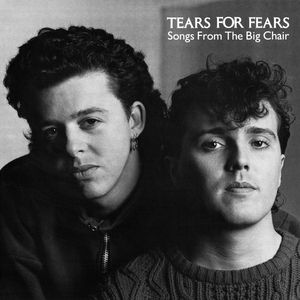
Tears for Fears – Songs from the Big Chair (1985). This album was truly a left field hit. No one was as surprised by this album from a band that was making dark synthpop just two years prior. Instead, the toned down the darkness, plugged in a guitar, bass and drums to create one of the best albums of the year. Remember the hits? They were “Everybody Wants to Rule the World,” “Shout” and “Head Over Heels.” And, the rest of the album is just as strong.

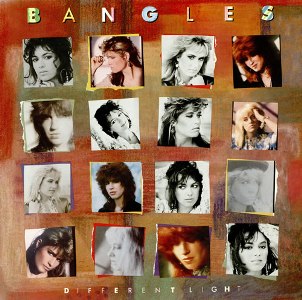
8.20 The Bangles - Different Light

The Bangles – Different Light (1985). In 1984, The Bangles released their endearing and promising debut album, prompting many to unfairly compare them to The Go-Go’s. Where The Go-Go’s were punk and early Sixties girl groups, The Bangles were sipping from the water fountain of Sixties psychedelic rock where you could find The Mamas & the Papas, The Byrds and Buffalo Springfield. But what these ladies added was their super power, their wonderful four-part harmony. To me, especially now that I have heard Prince’s original version of “Manic Monday,” is what made their version, and all of their songs, so very magical. These ladies can flat-out play and sing and should be taken seriously. They are no afterthought.

Well, ladies and gentlemen, that wraps up Day 2 of 1985. Day 3 will be coming soon. Peace.