Growing Up With U2

U2_Songs_of_Innocence_Physical_Cover

Many millennials seem to hate the rock band U2 for some reason. I am not sure why. I know Bono goes and rails against many global causes that frankly Americans do not generally understand their role in Bono’s vision. And, to many, that makes Bono and the band he has been a part of since 1978, U2, targets of ridicule, sarcasm and parody. While I enjoy the parody (South Park is the greatest at meting out parody), the ridicule and sarcasm seems often based in something that is truly difficult to eliminate: ignorance.

While I would NEVER nominate the guys of U2 for pope, or even the title of the “World’s Greatest Rock Band” (the Rolling Stones have been holding onto that claim for 46 years now, since they self-proclaimed themselves with the title and are now holding onto that tile like the pirate skeletons they seem to be now. But, when the Stones made that claim, you could have denied them the title. Since then, we have seen a bevy of artists stake claim to the title: Elton John, KISS, Bruce Springsteen, Sex Pistols, The Clash, The Police, Michael Jackson, Prince, Bruce Springsteen again, U2, R.E.M., Guns N’ Roses, Metallica, U2 again, Nirvana, Pearl Jam, Eminem, U2 yet again for a third time, Arcade Fire, Jay-Z, and, currently, Kanye West. Sorry, Nickelback.

u2_80

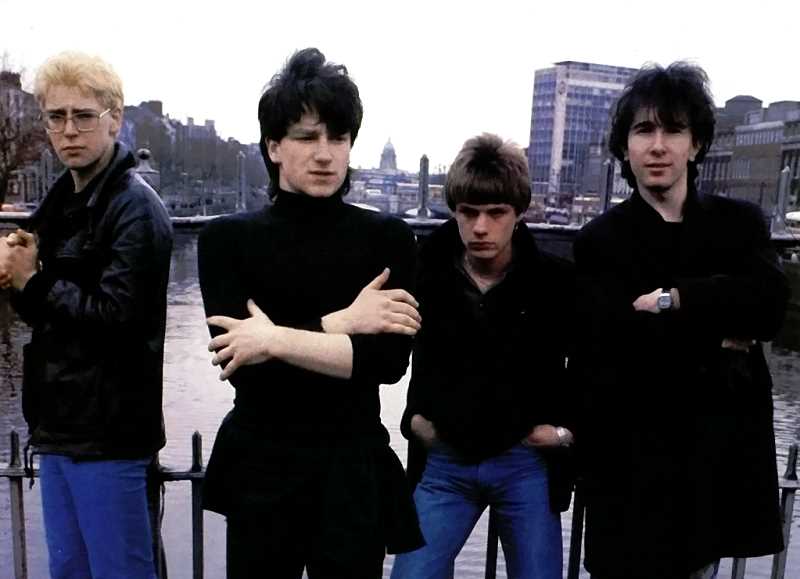
U2 popped into my life back in 1980, when I bought their debut album Boy. Their sound was totally different from most everything else at the time. Sure, we had many lesser known artists at the time who were experimenting with melody and noise, many of which are little known today, such as Joy Division, Gang of Four and Public Image Ltd. But, for some reason, be it their family lives growing up or the simple fact they were Irish, U2 rose above the rest. At the time, few artists were displaying the courage to tackle political, societal and individual ills within their music. Many critics have said that U2 filled the void left open by the untimely demise of The Clash. But, where The Clash had a tincture of art in the prose of their lyrics, U2 went at their lyrics with sense of earnestness that only Kurt Cobain and John Lennon had approached. And, that is where I connected with U2.

Now, I am NOT a fanatic of one particular artist like many are within the KISS Army. That is cool, I wish I could do that. I do get close with Cheap Trick, Prince, R.E.M. and Tom Petty, but I love that variety of music that I grew up with on the radio with WNAP, 93.1 FM in Indianapolis. When I was a tweener and a teenager, WNAP seemed to play a variety, and that’s the way I have gone in my music collection. Still, I connected early with U2 and have grown up with them, purchasing every album they have released along the way.

The great thing about U2 is that they have never stood in the same music place for too long. After they reach the pinnacle with their initial earnest lyrics and sound in 1987 with The Joshua Tree, they took two side steps. The first was the band incorporating the sounds of American music into their sound, producing the Rattle and Hum album. And, when the Nineties hit, the band embraced somewhat of a dadaist approach to their music in order to create their second masterpiece, Achtung Baby. On that album, the band discarded their earnest sound and lyrics and embraced the emerging sound of the new decade that seemed that it was going to be based upon the sounds that David Bowie and Brian Eno created with Bowie’s “Berlin Trilogy” (Low, “Heroes” and Lodger). That may have been due to the fact that the band was working with Brian Eno himself.

Throughout the Nineties, U2 continued down this path with diminishing success, until, that is, the decade was about to flip over into a brand new century. Uncannily, U2 knew it was time to change their sound yet again. Were they going to totally throw away the lessons they learning during the last decade of the Twentieth Century? Absolutely not! So, what happened.

They reached back to the Eighties for a dash of lyrical earnestness to add to the junk-culture musical landscapes their created in the Nineties for a whole new U2 for the Twenty-first Century. And, their music was ready for a world that was about to change due to the acts that occurred on 9/11/01. All of a sudden U2 was comforting us with “Beautiful Day” and “Walk On By” from the album All That You Can’t Leave Behind. Quickly, the band capitalized on the sound with yet another album, How to Dismantle an Atomic Bomb. But, what happened next was unprecedented in U2 history: the music stopped.

They struggled personally and professionally. The bond between these longtime childhood friends seemed to be weakening and breaking, until, finally they released the highly uneven and definitely transitory No Line on the Horizon. Personally, I love it when U2 releases these kinds of albums. They have often. Let me name them: October, The Unforgettable Fire, Rattle & Hum and Pop. Each of those came out before a classic album was created. Did the band have enough juice left in them to create another masterpiece?

u2_360tour_stlouis_stage_s

If the world tour that was tied to that album, known as the U2360 Tour, was any indication, we should not have been surprised that something special was on the horizon. That tour was a spectacle, although not on the lines of what the band did on the tours of the early-Nineties, but musically, the band was at their peak. On July 17, 2011, at St. Louis’ Busch Stadium, I had the privilege of seeing U2 play on one of the hottest days (the temperature was  over 100º at the time the warm-up band, Interpol, took the stage) that I had even been outside for an event before. Yet, when U2 took the stage around 9 PM, I was NOT ready for the audio-visual assault that I experienced. The only concerts that I could use as a comparison would be to cross the 1985 Bruce Springsteen concert’s energy and musicality with the theatrics of the 2011 Roger Water’s The Wall concert. I had never witnessed anything like it. When it was over, I knew I had just seen one of my five best concerts in my life, if not THE best.

U2_Songs_of_Innocence_cover

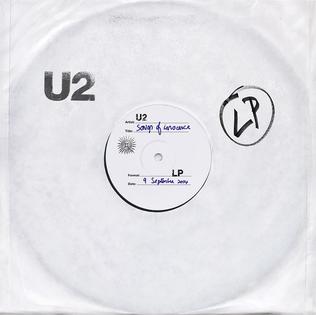
Well, on September 15, 2014, one of the greatest gestures a rock artist has ever bestowed upon a population occurred when U2 teamed up with Apple to provide EVERY user of iTunes a FREE downloadable copy of U2’s new album, Songs of Innocence. Immediately, millennials everywhere were whining that they were being given a whole album’s worth of music for-GASP!- FREE!!! Now, millennials love to download their music for free, but I guess no artist should EVER give them a copy of them new album, no matter the quality of the music on the album, better give them an album. How dare U2 do that to me! I could NOT believe my ears as millennials everywhere were complaining of this free U2 being available to them to download IF THEY WANTED IT!!! I guess they wanted Rihanna or Beyoncé for FREE instead of an artist that is still viable AND in the Rock & Roll Hall of Fame!
In all of their bellyaching, these people missed out on one of the greatest albums about a group of friends who have grown-up together and have aged gracefully and are doing exactly what every other artist has wanted to do when they all begin their careers: stick together, grow as humans AND artists and continue to create fantastic and vital music. This album is the sound of remember one’s youthful optimism, one’s thirty-something battles, one’s forty-something move into elder statesmanship and, finally, arriving in your fifties ready to roar. Keith Richards, that indestructible alien of the Rolling Stones, said back in the Eighties that he wanted to how a rock ages gracefully much like the old depression-era bluesmen that influenced them did before them. Now, on this great 2014, you get to hear this underdog of a band that rose to the top of the rock world – not just once, but thrice!- aging gracefully as one of the most exciting rock band in all of history.

Since I am a completist, I bought the physical version of the U2 album, mainly because I got a second CD of five extra songs not available on the free download. Plus, I prefer the sound of vinyl and CDs over the sound of mp3s. Sorry, my iPod is for convenience only. Anyway, versions of the album begin with “The Miracle (of Joey Ramone)”, a song in which the band of middle-aged men looks back to the heroes of their youth (in this case, Joey Ramone of the Ramones), thanking the hero for the inspiration of a life that ended up being greater than the writer could ever imagine. The album continues that theme, that growing does NOT becoming less vital but giving you the power to grow as a responsible human being. The whole album proves that an artist can improve with age. Sure, they are no longer full of piss and vinegar, trying to change the world. Now, they know their art can still be vital but you can change the world through other mediums. With age comes the realization that you will not get every change that you think needs to happen immediately, like you do in your twenties. Now, you know the changes WILL happen eventually, but change comes glacially, not immediately.

u2-band

This album will one day go down as the first great album by fifty-somethings that face that age group’s fears and wants. U2 lyrically broke new ground on this album. Finally, adults have a REAL way to rock out without resorting to an artist changing genres, like all the rock artists of the Eighties putting out country albums, right Bon Jovi? Nor do rock artists have to embrace the NPR music of the Middle Ages in order to “feel” mature, like Sting and Deep Purple guitarist Ritchie Blackmore have done. Nope, follow U@’s road map by trying to create great music with lyrics that express the maturity.

Now, where’s my Geritol and Ben-Gay?

May 20, 1989: My Son Seth & Tom Petty

Tom_Petty_Full_Moon_Fever

Twenty-seven years ago, my pregnant wife awoke me at midnight to say she was in labor. It was now Saturday morning, and we were moving around the duplex we were renting searching for her prepared hospital bag. Then I heard, “Is the camera in the bag?”

“Yes! The camera is in the bag!” I yelled back.

I called her parents because they were going to drive a half-hour from Cedar Grove, Indiana, to Oxford, Ohio. So, we waited as the contractions came faster and faster. At a little bit before 2:00 AM, Jill’s water broke. Oh, man! Why didn’t we just ask the neighbors to cover for us until her parents got here? We sure were stupid. Oh, and Graham slept through everything! Of course, he was the one we were worried about.

Just after Jill’s water broke, her parents showed up. So, we hopped into our 1987 Chevy Nova and made the two-mile trek to the hospital at which I worked. I had called ahead of time and the nurses were not busy so they got ready for us. That was the advantage of a small hospital. While in the car, I timed the contractions and they were only two minutes apart! I wanted to drive faster, but my wife kept yelling at me to slow down! I was NOT even going over the speed limit!

According to the medical chart, Jill was admitted to the Labor Room at 2:30 AM. The OB on call was not hers. He popped his head in the door.

“Do I have time to wash up and gown myself?”

A nurse yelled back, “If you hurry! This baby is coming now!”

tom petty full moon fever tour poster

Now, I know what you are thinking: two-and-a-half hours of labor? Yes. I am not lying. At 2:36 AM, a nine-pound, 23-inch baby boy came rushing out of my 5’3″ petite wife. The doctor took one look at our new son and said, “Give that boy a Big Mac, cuz he’s hungry!” Sure enough, after Seth Alexander Keller had his initial testing complete, he was hungry. So, he ate pretty much right away. And, for 27 years, that baby has grown into a fine young man who just graduated with his Master’s Degree in Sociology/History. His goal is to become a college professor after getting his PhD. But, right now, that’s on the back burner. So, what does my son’s birthday have to do with Tom Petty?

Well, after staying at the hospital until around 10 AM, I left my sleeping family to celebrate my child’s birth the only way I knew how to. I went to the record store. After getting congratulations from the store’s owner, I looked in the new albums and found a promo copy of Tom Petty’s first solo album, Full Moon Fever. So, I bought it.

When I got home, Graham got out of bed (he was a late sleeper back then). I told him that he has a baby brother now. Remember, Graham was four back then. He said, “Great! But I peed the bed.” Well, there’s a reality check for me! We got him cleaned up. He was happy to see his Grandparents Brown were there for him.

While Graham and his grandparents entertained each other, I got cleaned up while listening to Tom Petty. This album seemed to be talking to me, just like all Petty albums seem to do. The whole album seemed to be about early adulthood and parenthood. It’s all over the album. I was floored that Tom was expressing my most intimate feelings and worries.

tom petty full moon fever tour

From the feeling of not being in control in “Free Falling” to standing up for your family with “I Won’t Back Down”, Petty kept expressing everything I was feeling at the time. Shoot, there’s even a little lullaby called “Alright for Now”. All of a sudden, I felt like I had some strength to be a parent to two boys now. For that short hour of getting ready to go back to the hospital while listening to this great album, I gained the confidence to be “Dad” to two boys. And, it has been an honor to be called “Dad” by these two intelligent, bull-headed, caring boys.

At noon, Graham, Grandma and Grandpa Brown, and I all went to the hospital to see Jill and meet the newest Keller, Seth. Later, we were all joined by my parents and step-parents and my brother Stephen. FYI: Seth was the only baby in the nursery that day, and Jill was the only mommy on the maternity floor.

So, Tom Petty, thank you for releasing Full Moon Fever near my son’s date of birth, so I will always have that album associated with him. Plus, it’s a great record containing some of Petty’s best writing. Still, I prefer my Petty with a full dose of Heartbreakers.

Tom Petty

Oh, I forgot to mention that I forgot the camera on the kitchen table during the rush to get to the hospital. Sheepishly, I brought it to the hospital later in the day and got pictures of everyone holding Seth, including his big brother Graham. One other piece of irony, there was a full moon that morning of the day I purchased Full Moon Fever. cue the music to the Twilight Zone.

When A Night At The Opera Really Isn’t Opera

Queen_A_Night_At_The_Opera

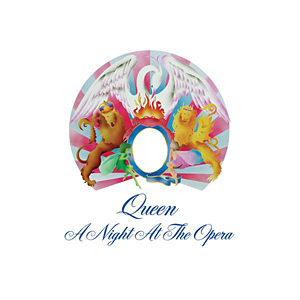
“Bohemian Rhapsody” is, in my humble opinion, the greatest single to have ever hit Billboard‘s Hot 100 Singles. My apologies to all those other great artists who created some of the finest music in history. “Bohemian Rhapsody” flat-out discovered everything a recording studio could do in 1975. But more about that song later. I am here to “sing” (you really do not want me to actually sing!) the praises of the album that Queen created around that monumental single.

The album begins with some horror movie-sounding piano, which gives way to a heavy and ominous sounding guitar. Eventually, this opening kicks into a metallic-sounding music with some of the most venomous lyrics that I had ever heard to this point in my life. What ever was the inspiration of this song, it was obvious that singer and writer Freddie Mercury wanted the man dead. Later, I discovered that Freddie wrote this about the band’s first manager, who had screwed the band of millions of dollars. But, when you are a teenager, you get a kick out of someone trying to stick it to the “man”.

After the rocking kick-off to the album, I finally learned of the versatility of Queen, as they lay into a vaudevillian-sounding “Lazy on a Saturday Afternoon”, that was fun on a campy level. I think our generation was so accepting of camp after growing up on the Batman reruns. But most of were blown away when that song segue-wayed into drummer Roger Taylor’s ode to his car, “I’m in Love with My Car”. Finally, that song gives way to perhaps the greatest pop song ever recorded by Queen, bassist John Deacon’s “You’re My Best Friend”.

Queen - in concert 1975

After that small medley of songs, I needed a break from the excitement. Instead, Queen again shifts gears into a Brian May song, the acoustic-based “’39”. May rocks this folkie song on his 12-string guitar, with a little percussion help from Taylor and Deacon and vocal backing from the rest of the band. Once again, the album leaves little time to digest just what you heard as they get right into another Brian May song, the rocker “Sweet Lady”. This song finally allows May to show a little of his guitar chops, enough to whet your appetite for more. This song is definitely a hard rocker’s dream. Unfortunately, the song, as great as it is, gets lost in the greatness of the rest of the album.

The last song on Side 1 is “Seaside Rendezvous”. This song is a great way to end this exciting Side of the album with another faux-vaudevillian sounding song. There is nothing but fun in the song, with a tap-dancing scene and big band-sounding trumpets from England’s dance hall days. FYI: those sounds were all sound effects and NOT the real thing!

queen - live 1976

Now, flip over the album for a totally different mood. The campy fun is replaced with focus and seriousness. The first song is “The Prophet’s Song”, which seems to be some Tolkien-sounding lyrics describing some Revelations-type of warning to all mankind. This song shows the band’s background in prog rock, with some fantastic vocal acrobatics that were created in the studio. But, the effect is chilling and hair-raising. This epic song was written by May.

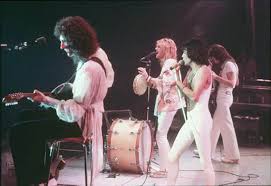
The next song is perhaps Queen’s most loved song, Mercury’s “Love of My Life”. This acoustic duet between Freddie’s voice and Brian’s acoustic guitar is just beautiful. In concert, this song became the moment in which the fans would sing the lyrics and the band would stand there in awe of what they were hearing. This song was always the moment in which the band and their fans united into one act. I had never experienced anything like in the two times I had seen them in the early-Eighties. This song would never be cut from their setlist.

After two serious songs, Queen lightens the mood with May’s “Good Company”. That song brings some much needed levity to Side 2 and ends up being a great set-up song for the masterpiece, “Bohemian Rhapsody”. The song is nothing but a ukulele song that brings back the camp from Side 1. I never saw “Good Company” played in concert, but I am certain it would have been an exceptionally fun song.

And, now, at nearly the end of the album, Queen places their greatest song, “Bohemian Rhapsody”. The song has the sound of being an operetta, as well as a medley of different songs. Keep in mind that this song took months to record, and that the band totally pushed the limits of the recording studio in 1975.

queen- borhaps

“BoRhaps”, as many in England refer to the song, begins with Freddie at the piano, lamenting killing some man, knowing his time is now short. This section slowly gives way to a yearning guitar solo. But, what came next was the mind-blowing section: the opera. No kidding! The band recorded and recorded and recorded vocals to make the effect sound like we were listening to an actual opera on stage. All of that gives way to the next act, which is full blown heavy metal sounds, with Freddie singing that his has to get out of this situation he is in. Finally, six minutes later, the song ends with Freddie singing at his piano, lamenting and accepting his plight.

queen_band_by_doofenstar-d3aoe82

As the years have gone on, this is one of three Queen albums I go back to listen. The other two are 1976’s follow-up A Day at the Races and 1978’s Jazz. But neither are as majestic as A Night at the Opera. Put it on tonight and relive the magic we all heard back in the Spring of 1976 when this album’s popularity was at its peak.

I’m Not No LimB-52’s Entered My Life

the b52s 1st lp

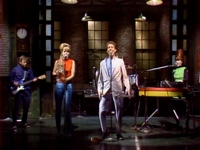
It was January 26, 1980, and I give my girlfriend at the time an excuse that I had to be home before 11:30. This time of the year was basketball season, and, believe it or not, the coaches enforced a curfew of midnight. The coaches would call around midnight to see if you were home. I am NOT kidding! Anyway, I used that as an excuse to get home early on Saturday nights so I could get home to watch Saturday Night Live. The great and beautiful Terri Garr was hosting, but I was more concerned with the musical guests, The B-52’s.

Of course, I had read about them in Creem and Rolling Stone magazines. But, no words could ready me for the aural and visual experience that I would have when the band performed their now-classic song “Rock Lobster”. The band, 3 men and 2 women, played their song at a break-neck speed and bounced all over the stage. The lead singer, Fred Schneider, would sing/talk these lyrics about various animals found in the ocean, or some that we all wish were used in The Life Aquatic with Steve Zisou. One of the women, who stood to Schneider’s right, Cindy Wilson, would “sing” background and aquatic animal sounds. Further to the right stood Cindy’s brother, Ricky, playing a unique style of guitar that sounded as if he were only listening to the songs “Peter Gunn” and “Secret Agent Man”. The other crazy sounds came from the left side of Schneider, where the very energetic Kate Pierson played organ and keyboard bass while adding “background vocals” and more aquatic animal noises. The only “normal” part of the band was the steady rock/dance beat put down by drummer Keith Strickland. With the girls bouncing all over the stage, Schneider doing his incomparable vocals while playing the occasional cowbell (sorry, Will Ferrell, Schneider did the cowbell routine on SNL first!).

the b52s rock lobster

By the end of The B-52’s first performance, I was so hyped up by the energy of the song and performance, I had to get up and play some NERF Hoops basketball at midnight, which unfortunately for my mom and brother was common for me. I was a fairly hyperactive kid back in the day. Eventually, I settled back down to watch Weekend Update and a couple of sketches before The B-52’s came back. I could not wait to experience them again, but I was certain they would not be as transcendent as they were while playing “Rock Lobster”.

the b52s snl dance this mess around

To my delight, I was wrong. The B-52’s played another great song, “Dance This Mess Around”, and much like “Rock Lobster”, The B-52’s left it all on the stage. The came out and took the stage with energy and quirkiness to blow me away for a second time. Now, all I could think about was buying their eponymous titled debut album, The B-52’s.

The next day, I took Mom’s car, a green 1972 Buick Skylark, known as The Green Ghost, to Sun Records in Anderson to find the album. When I walked in, the proprietor asked me. “Did you see The B-52’s last night?”

I told that I did.

He immediately, “Then, you are looking for this aren’t you?” He was holding up the album above his head. I told me that he knew me, as we laughed. He knew I was one of his few customers that was surfing the New Wave of music and would make sure he ordered some of the better artists of the day for me. I have always felt it was very important to have these kind of trust-worthy people in your life: clergy, mechanic, plumber, electrician, general handyman, an IT person and a local music store owner. They always pay off!

So, I get home and show Mom the cover. Mom used to be an art teacher so she always loved to see the album artwork. If the cover wasn’t too lewd, then she was always fine with the music I was listening to. As a matter of fact, one day I was blasting the Sex Pistols, when I went out to the kitchen to get some water, and I stopped to watch my my mother dancing to the Pistols’ “Anarchy in the U.K.” Now, that was a moment to remember!

the b52s early career

Finally, I get into my room, clean the album and blast Side One. And it was magical! Almost like a Lewis Carroll adventure without any mind-altering medication needed for this trip. It was simply the music. The B-52’s musical sound and their appearance are all based in late-Fifties/early-Sixties kitsch. I think we could even make a case for them being one of the first post-modern artists out there. Wait a second! Didn’t Bowie get there first? I don’t know! Moving on…

The whole debut album of The B-52’s is a joyous experience. Written all over it is a punk attitude that the band is going to play whatever it wants, but they are going to have fun doing it, taking their audience with them. The whole album is a classic. There is not a clunker on the whole thing. Throughout the album, all the listener hears is a joyful noise that is totally based on fun and energy. I just wish I could have seen them live and in the person. But, no, that is the perils of growing up near Naptown…er…Indianapolis. The music scene is better now, but that doesn’t help the adolescent version of me.

Besides the aforementioned songs, other highlights include “Planet Claire”, the lead-off song, and “Lava”, whose lyrics are so full of double entendres that it’s nearly impossible to catch all of them without the lyrics sheet. The album appropriately ends with the band taking a kitschy song from the Sixties and making it their own, the cheesy “Downtown”, originally recorded by Petula Clark. The song makes a more poignant  statement that simply being a cover song, No, their are using the song to give us a message that all things old can be new again. The song was deconstructed and remade in the image of the The B-52’s.

Unfortunately, most people looked at the band as a novelty act, and I get that. But, if you are in on the joke, then the whole thing becomes less pretentious, and that allows you see the beauty in their art. The B-52’s deserve a place in the Rock and Roll Hall of Fame. They were the originals.

Possibly The Greatest ‘Greatest Hits’ Collection

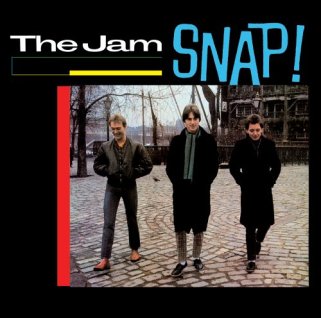
the jam - snap

Throughout the history of rock music, where would we, the fans, be without ‘The Greatest Hits’ albums that nearly every artist releases? Maybe an artist was not very good at coming up with a whole album’s worth of good-to-great songs, so you didn’t want to purchase the album for only one hit. John Mellencamp’s first two albums were not worth owning, unless you are a completist. Then, between 1979’s John Cougar through 1982’s American Fool, Mellencamp had a handful of classic hit songs. So, those of you who did NOT grow up in Indiana did not purchase those albums. But, once he had enough hits, Mellencamp has released two compilations that are beginning-to-end stuffed of terrific songs. That is why the Eagles’ biggest selling album is not Hotel California, but the Eagles’ biggest selling album is Their Greatest Hits (1971-1975), which continues to battle Michael Jackson’s Thriller as the biggest selling album of all time. Truthfully, I’d much rather have the Eagles’ compilation album than all of their regular albums from those years covered in Their Greatest Hits, but that’s just me.

Some of these compilations are simply a collection of hit songs. Then, there are those compilations that attempt to tell an overview history of the artist. My favorite kind of compilation is the one that is able to tell the history of the band with hits, key album cuts and the occasional B-side thrown in, all the while arranged chronologically. Those types of greatest hits albums appealed to the historian in me. So, imagine my surprise in the Spring of 1983 when I bought the double-album greatest hits of The Jam called Snap! This double-album contained 29 songs, 21 of which had been U.K. hits, along with 8 B-sides. Finally, I was getting to learn about a great English punk band that developed into a terrific power trio that specialized in 60s Mod music influenced punk. Although the Sex Pistols and the Clash got all of the recognition here in the States, The Jam WAS the band that should have been the bigger hit over here.

the jam logo

Most of their songs were written by Paul Weller, who must have grown up listening to The Kinks during their late-60s story-telling era, the early, mod-influenced Who music  and the music of the Small Faces. You see, Mod music over in England incorporated American R&B into their rock, which is what The Who and Small Faces both did early on. When The Jam popped onto the punk scene, it was obvious that they were not letting go of the influence that Motown and Stax music had on them as musicians. So, you hear in the first song on Snap!, called “In the City”, wearing all of those influences in a musically and lyrically urgent call to arms. That little bit of R&B made The Jam instantly more exciting to me after I finally heard their music after they had broken up. You see, Snap! was released shortly after The Jam’s demise.

the jam live

The greatest aspect of The Jam that you gain from Snap! is the increasing need of Weller to incorporate more and more R&B into The Jam’s music. By the time you reach Side Four, you hear the band being completely cast as a Motown artist in the mid-60s. You can hear the band reach their musical peak on Side Three as they created perhaps the greatest protest song of 1980 with “Going Underground”. All in all, The Jam is the most criminally overlooked band of their time. I find it hard to believe that they are not in the Rock and Roll Hall of Fame, while The Clash and Sex Pistols are. Don’t get me wrong! Those two bands SHOULD be in. But, The Jam may have had the longest lasting effect.

Perhaps, the biggest purveyor of The Jam’s sound is Green Day. Billie Joe Armstrong’s fake Cockney vocals, their R&B-based punk-pop sound and their distinctly American lyrics are all hallmarks of The Jam, with their lyrics being distinctly British. In another words, both bands are staying true to themselves. With The Jam, you know exactly where the band stands politically (on the left) and socially (they have not forgotten their blue collar roots), just like Green Day has done.

My favorite tracks on the album that have not been stated earlier in this post include “The Modern World”, their take on The Kinks’ “David Watts”, “That’s Entertainment”, “Absolute Beginners”, “Town Called Malice”, “Precious”, “The Bitterest Pill (I’ve Ever Had to Swallow)” and “Beat Surrender”. But, I still love the other songs as well. These are simply my personal favorites.

the jam - compact snap

As far as the CD release is concerned, the company behind The Jam, Polydor, released an truncated version called Compact Snap! On that single disc, eight songs had been removed, all B-sides. This version is okay, but I still miss those other songs while listening to this version. However, in recent years, Polydor has given into pressure exerted by The Jam’s fans and released a double CD version that reinstated those original eight songs. Plus, in typical crass consumerism, Polydor included an extra bonus CD of The Jam’s last concert recorded in London.

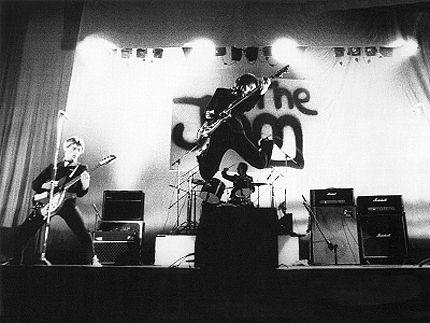
the-jam-live-jump

I love this album called Snap! It was my entry-way into my fixation with The Jam, and more specifically Paul Weller. Weller spent the 80s creating R&B- and jazz-influenced pop with a band called The Style Council. Finally, from 1991 onward, Paul Weller has had a very successful career in Europe and the U.K. as a solo artist. Over there, Weller is known as the “Modfather”, the artist who kept Mod music alive and thriving, all the while influencing a whole mid-Nineties scene in the U.K. called Britpop. All of the major artists who emerged during the Britpop era, such as Oasis, Pulp and blur have recognized Weller’s influence on them. Additionally, post-Britpop artists like Libertines and Arctic Monkeys have all sung the praises to Weller and his bands as huge influences.

A year ago, I got to see Paul Weller in concert in Indianapolis at The Vogue. He was everything that I’d had always hoped he would be. He only played his solo stuff, but it rarely strays far from the sound of his original band, The Jam. Now that Cheap Trick has been inducted into the Rock and Roll Hall of Fame, I am going to turning my energy toward The Jam for induction. To me, Weller, along with Tom Petty and Bruce Springsteen, is the voice of the generation I want, and do, belong to.

There’s Something ‘Electric’ About Today

The_Cult-Electric_(album_cover)

Earlier today, while taking the dogs on one of our very short walks, something in the air made me have a flashback to the Spring of 1987. I’m not sure what it was, the smell of clean country air, the tinge of above normal warmth, whatever it was, I was being reminded of that Spring when my oldest was just getting closer to his second birthday. That was the first Spring we had spent in Oxford, Ohio. That was the Spring in which our silver 1975 Mercury Monarch threw a rod in the engine and was pronounced dead at one-in-the-morning on the “south side” of Oxford, like there is such a thing.

I was on my way home from working down in Cincinnati at Good Samaritan Hospital second shift in the lab’s Hematology Department, so that is why I was out so late. My car broke down right outside the drive-through liquor store in town. Fortunately for me, a friend of mine who worked at the town’s hospital, McCullough-Hyde Hospital, pulled out of the liquor store and was able to drive me home. Right before the car died, the last song I heard on the Oxford FM radio station, WOXY (also known as 97-X) had been playing the final few seconds of The Cult’s great goth-metal hit “Love Removal Machine”. I’m not kidding! All of that came rushing back to me on my morning walk with my Shih-Tzus.

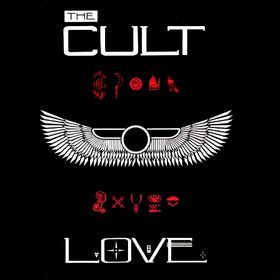
The_Cult_Love

So, since I had a yearning to hear that particular song by The Cult, I decided to first play the first song that exposed me to the music of The Cult, called “She Sells Sanctuary”. During the Summer of 1985, you could not go up to Muncie and not hear that song at the bars and clubs in and around campus. But, that specific song, as well as the rest of the album from which it comes, Love, was a Gothic, new wave-ish, mid-80s acid-dripping psychedelia with a hint of some hard rock found underneath the production layers for goo measure. Plus, you could dance to it! So, I bought the album after we moved to Oxford, since they had quite possibly the great new/used record store.

After we got another car (a gold 1978 Malibu Classic, that had a 350 V-8 engine and the catalytic converter removed – that nugget was for you Mark Kline!) from my wife’s cousin who loved to work on and race cars, I decided I needed to get The Cult’s new album, Electric, since the old car died while playing a cut from this very album. What I first noticed before ever playing the record was that it was produced by Rick Rubin. Yes, that very Rick Rubin who had just was receiving kudos for his production work on two hip hop classics, Run-DMC’s Raising Hell and the Beastie Boys’ Licensed to Ill, in addition to thrash metal’s up-and-coming band Slayer’s classic metal album Reign in Blood. Even though I loved the new song’s Led Zeppelin-channeled-through-AC/DC sound, I had no idea what to expect from Rubin’s influence. Would their music now have hip hop beats and Slayer solos or what? What I heard was the beginning of Rubin’s production genius.

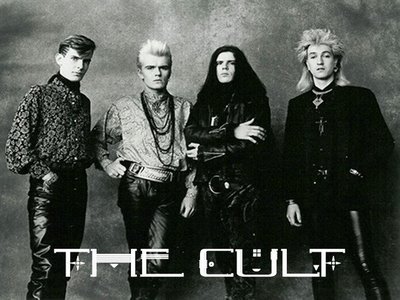
The Cult 1986


When Rubin produces an artist, be it Run-DMC, the Red Hot Chili Peppers or Johnny Cash, Rubin lets the artist be true to the artist, without using any trendy embellishments. So, upon first listen to The Cult’s Electric album, I could finally hear lead singer Ian Astbury’s Jim Morrison-influenced vocals and his goth lyrics about red witches and “the zany antics of the beat generation”. Also, I could finally hear a real living-and-breathing rhythm section holding down a hard rock-yet-dance able beat. Finally, I could hear Billy Duffy’s limited-yet-distinctive guitar solos wail instead of drone, like they did on the Love album.

No, this was not really that Gothic post-punk group any more. In it’s place was an alternative-based hard rock band that was equal parts Siouxsie & the Banshees, Billy Idol and AC/DC. What we heard on this album was not another Poison or Bon Jovi. What we heard was something new, something that, in hindsight, influenced up-and-coming bands like Jane’s Addiction, or set the stage for the whole 90s grunge sound (just ask Soundgarden, Smashing Pumpkins, Pearl Jam or Alice in Chains!), or even mentored a young band that opened for The Cult on their 1987 Electric tour called Guns N’ Roses. Hell, GNR even went so far as to cop The Cult’s drummer Matt Sorum after GNR fired Steven Adler. So, tell me this album is not important in the annals of rock history?

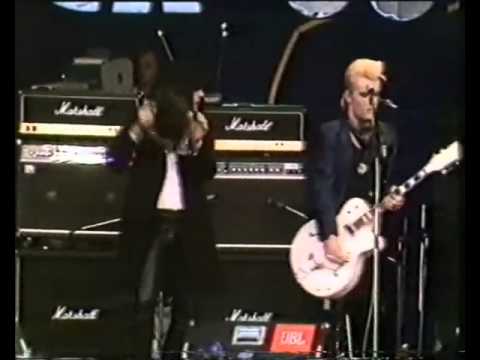
the cult live

Electric rocked from the opening song “Wild Flower” right to the ending song “Memphis Hip Shake”. No longer did hard rock or metal have to be solely about partying or chasing girls, or whatever. The Cult introduced some intelligence into the genre that made it okay for the outcast nerds to actually have some music to rock to, without feeling like they need to lower their IQs by 100 points. Heck, The Cult even brought the 60s hard rock anthem “Born to Be Wild” back to relevancy in the Party Decade of the Eighties.

Still, to this day, there are very few hard rock songs like “Love Removal Machine”. Few songs ever took hold of a campus like that song did at Miami University in Oxford, Ohio. On those unseasonably warm Spring days of 1987, you could hear that tune blaring out of car windows, on the Quad while undergrads played Frisbee, out of the front doors of the frat and sorority houses and on the boombox of some older guys playing basketball in the ancient gymnasium on the Miami campus. Even though my family still had not added Seth to the mix at this point, life was pretty good.

Getting ‘Under the Covers’ With Sid & Susie

matthew-sweet-susanna-hoffs-580

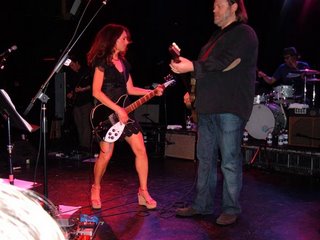
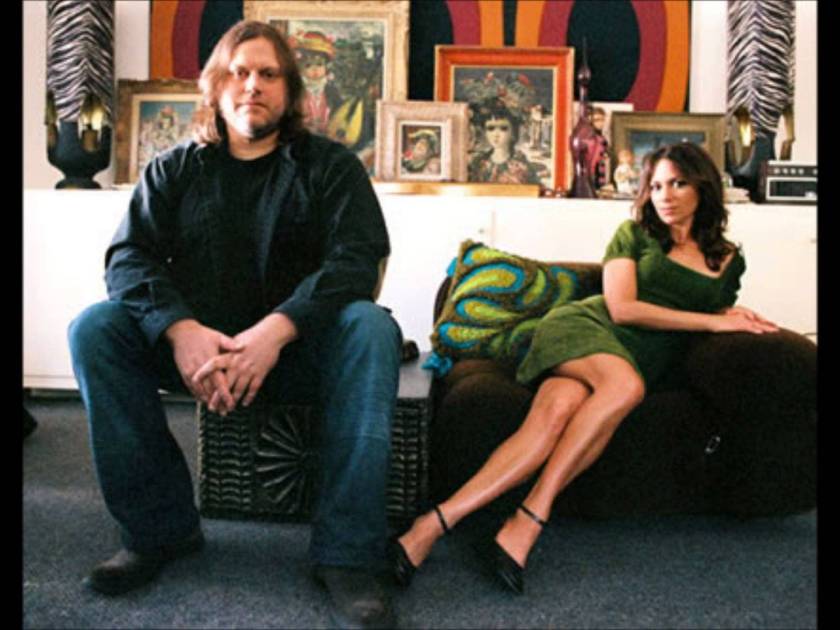
Many of you know how much of a power pop fanatic I am. If the song has a catchy melody while maintaining some muscularity in the music, I am a sucker for it. Who cares were power pop began, I’ll save that topic for another time. For me, there is nothing like a great power pop song, whether performed by artists you know like Cheap Trick, Raspberries or Bangles, or those you probably don’t know like Matthew Sweet, Velvet Crush or Myracle Brah. In 2006, I discovered that the aforementioned Matthew Sweet, whose 1991 Girlfriend is considered a power pop classic, was teaming up with Susanna Hoffs, the little brunette of the Bangles, to record some Sixties pop-rock classics that influenced their musical tastes. Originally, the duo was going to be known as “Sid & Susie”, but they decided to go by their real names.

1_Under_The_Covers_(Matthew_Sweet_and_Susanna_Hoffs)_album

Their first album is called Under the Covers Vol. 1. On this album the duo records some great pop-rock songs from that golden decade. They cover songs by The Beatles, The Beach Boys and Neil Young, but they truly shine on songs like their remake of Linda Ronstadt’s first hit song as a member of the Stone Poneys’ “Different Drum”. Hoffs nails the longing romanticism of the song’s lyrics in order to make the song their own. Likewise, the duo makes The Marmalade’s “I See the Rain” and The Beatles’ classic “And Your Bird Can Sing” their own. Overall, Sweet and Hoffs sound as if they are having the time of their lives recording this batch of songs.

2_sweet_hoffs_under_the_covers

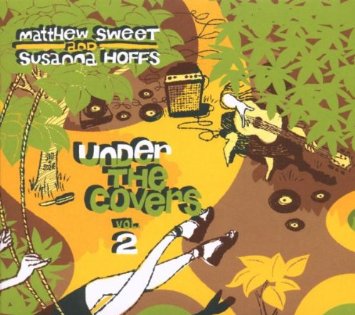
Since the first album of covers was fun for Sid & Susie, as well as being an artistic success, the duo decided to record a second album of covers, though this time the songs would be their favorites from the Seventies. On Under the Covers Vol. 2, Sweet and Hoffs tackle songs by Big Star, Little Feat, the Grateful Dead, Todd Rundgren, Tom Petty, to name just a few. Their loose play and sense of playfulness infect all the songs with a stamp all their own. But, for my money, they were at their best covering the Raspberries’ classic song “Go All the Way”. To me, their is nothing like hearing Hoffs begging her boyfriend to go all the way with her. With the tables turned, the song takes on much different meaning with the girl begging the boy to get intimate with her, which is not usually the way it goes in your teens. The second album was released in 2009.

If you purchased this second album of theirs on iTunes, you would have had the option to download a deluxe edition that contained ten more covers, from “Dreaming” by Blondie, Badfinger’s “Baby Blue” and the Ramones’ “I Wanna Be Sedated”. I found that having those ten extra songs made the album stronger and more enjoyable.

sweet & hoffs in concert

Due to the relationship that Hoffs had developed with Sweet, Sweet became the natural selection to be the producer of the Bangles’ 2011 album, Sweetheart of the Sun. On that album, the Bangles rediscovered the muscular musicianship of their first album, 1984’s All Over the Place, and combined it with the sweet harmonies the women had developed over the years. Sweetheart was the band’s most acclaimed album since that first one nearly three decades ago.

3_Sweet_Hoffs-Under_the_Covers

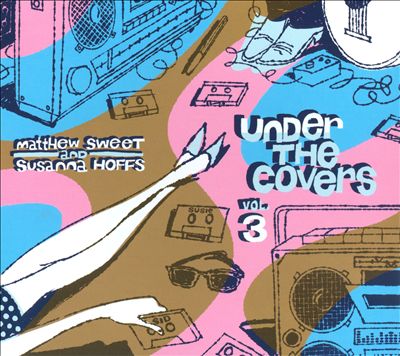
Finally, in 2013, Sid and Susie returned with their third covers album, entitled Under the Covers Vol. 3. This album seemed to be the most comfortable for the duo to record. First, this was their third album. Second, this was the music of Hoffs’ peers and Sweet’s teenage years. And third, these tunes were best suited for their vision. Hearing the pair duet on the R.E.M. classic “Standing Still” is a revelation, and that is the first song. They go on to nail more Eighties classics like Tom Petty’s “Free Falling” and “Trouble” by Lindsey Buckingham. They also surprised me by successfully covering “Save It for Later”, originally done by The English Beat, and Echo & the Bunnymen’s “Killing Moon”. But, their best was saved for Kirsty MacColl’s UK hit and Tracey Ullman’s surprise cover hit in the USA “They Don’t Know”. Sid and Susie do the song like MacColl’s original version, with Hoffs stressing the romantic side of the original version’s lyrics. And much like the second album, you could download three extra songs, which in the songs original versions are three of my all-time favorites: “Train in Vain” by The Clash, “You’re My Favorite Waste of Time” by Marshall Crenshaw and Prince’s “I Would Die 4 U”. Those three songs end up being better than most of the songs on the official CD release. Personally, “You’re My Favorite Waste of Time” ends up being a pop classic.

untitled
untitled

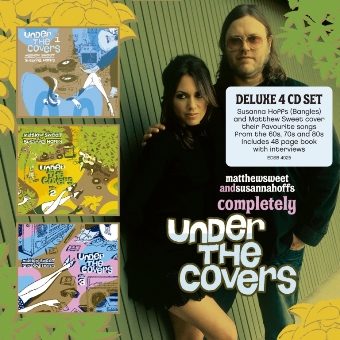
Last year, the company that released these Under the Covers, Shout Factory, as a box set called Completely Under the Covers. In the box set, all of the songs that were only available through iTunes, are now available on CD for those crazy completists like myself, though I still do not own the box set. Also, all three CDs were released on colored vinyl for Record Store Day 2016. Once again, the vinyl is something that still is not in my collection.

sweet & hoffs

Overall, the Matthew Sweet and Susanna Hoffs trilogy of cover songs was a success. They are fun and make you go back to listen to the original versions. These three CDs are everything I hoped for and more. These are quiet classics that I love to pop into my CD player or pick to listen to on my iPod. My ears just love these pop and power pop classics in the hands of two masters. Maybe, one day, the duo will choose to redo some Nineties songs. I have my fingers crossed.

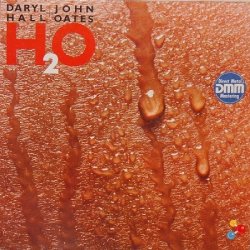
Some High Quality ‘H2O’: The Album That Made Hall & Oates

Hall_&_Oates_H2O_vinyl_album_cover

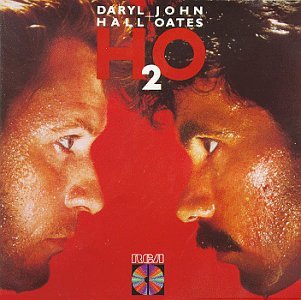
One day in the Fall of 1982, I came back from my periodic trip to the record stores of the Village near Ball State University’s campus with three albums: Peter Gabriel’s fourth self-titled album that his record company insisted on calling Security by slapping a sticker on the shrink wrapping enveloping the album, Joe Jackson’s now-classic pop-new wave-rock take on New York City late night jazz called Night and Day and an inconspicuous Daryl Hall & John Oates albums called H2O. Of the three, I was most excited at the time about getting Peter Gabriel, since I had LOVED his previous album. I was also excited about Joe Jackson, because each new release of his was such a great advance upon the previous release. The third one, Hall & Oates’ new album, was my purchase because I had loved them so much from the previous year’s concert that I knew I had to pick it up. Those were the days when an album would be on sale for five or six dollars when it was first released, so you could always stock up on some new ones back in the day.

Hall & Oates - H2O back cover

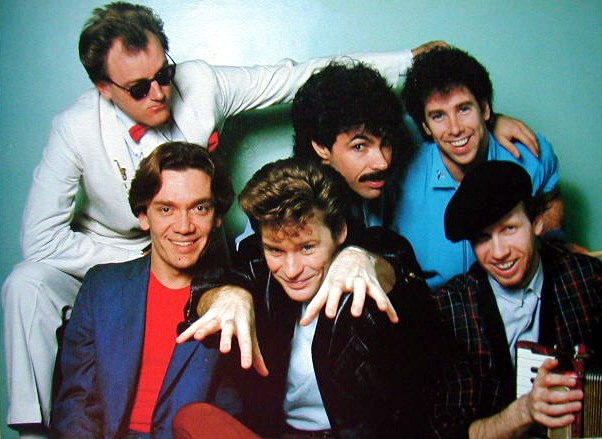
Can you imagine my surprise when I finally put H2O on my Technics turntable only to discover that the dynamic duo of the Eighties, Daryl Hall & John Oates, had actually created their third classic album in a row, with this one being the best one of the trio. Finally, we got to hear a great touring band playing great music in the studio. The three years of this group of musicians constantly touring were finally paying off. Finally, Hall & Oates had the right band to bring their mix of pop, rock and soul together seamlessly.

OLYMPUS DIGITAL CAMERA

Now, much has been made about the title of the album, from its release date to present time. H2O has been interpreted as being there are twice as many Daryl Hall songs as John Oates. Whatever the formula, it was working at the time. And those songs, be they written by Hall; Oates; Hall &  Hall’s former girlfriend Sara Allen; Hall & Sara’s sister Janna Allen; or some other combination of the four, with or without the late great bassist T-Bone Wolk, the songs were magic.

Hall_&_Oates_Maneater

The album opened with the first song, and biggest hit on the album, with that catchy yet haunting bassline from the magical hands of Wolk, leading into a sax teaser by Charlie DeChant, all acting as the appetizer for Daryl Hall’s lyrics about this dangerous vixen who has ripped the hearts out of many of a young suitor called “Maneater”. This is a classic Hall & Oates song in that it pays tribute to their Philly soul and Motown backgrounds all the while bringing everything into the Eighties in order to create a timeless pop song. During a time of songs about men stalking former lovers (The Police’s “Every Breath You Take” comes to mind as the best example), it is interesting to get a play on a nearly black widow-type of woman who doesn’t necessarily kill her men, but leaves them brokenhearted and wishing they were dead. For the record, this song represents a collaboration between Hall, Oates and Sara Allen.

The album’s mood is maintained by another song about a woman who breaks hearts called “Crime Pays”. This song is a stripped down version of “Maneater”, in that the song relies on mostly keyboards and vocals by Hall and background vocals by Oates. This is a good lead-in to “Art of Heartbreak”, yet another woman on the prowl to break a man’s heart that features more band interplay and, thus, a perfect concert song that could be stretched to highlight each musician’s skills, especially bassist Wolk, saxophonist DeChant and guitar god G.E. Smith.

Oneonone45

All of this sets up the ballad “One on One”, which attempts to forge a little basketball imagery with some bedroom metaphor. Being a former basketball coach and player, I can appreciate the effort, but I’d rather let myself go to the soul slow-dancing groove that the band has set, complete with another sax solo by “Mr. Casual” himself, Charlie DeChant, who may be the most underrated musician on the album, besides drummer Mickey Curry who continues to set a solid rhythmic foundation for each song.

Side One of the album ends with what might be considered a typical Hall & Oates song, “Open All Night”. Now, what I mean by that statement is the song can be confidently lined up with “Sara Smile”, “She’s Gone” & “Everytime You Go Away” as being part of the soulful ballads that the duo was known for.

Family_Man_Hall_and_Oates

When you flip over the album, you get a taste of the rock side of the band with the first song “Family Man”. The song lyrically fits the mood of the other songs with the dangerous woman set to destroy a man’s life. The song is set to a jaunty pop-rock beat complete with a tasteful screaming guitar solo from Smith. This song could almost be a Cheap Trick song if the rockier side were played up and the soul side downplayed.

“Family Man” gives way to Oates’ “Italian Girls”, another song on the rock side of the group. Lyrically, it is nice to hear John lamenting Italian Girls in much the same way the Beach Boys immortalized California girls twenty years earlier. The song is another song whose restraint works well within the context of the album, but you know its itching to break loose in concert. The third song is “Guessing Games”, which falls into the typical upbeat Hall & Oates song, much like “Rich Girl” or “Kiss on My List”. It is simply a pleasant pop-rock song that has a ear-worm ability to get stuck in your head.

Again, proving that Side Two is the rock side of the album, the duo places “Delayed Reaction”, which honestly is a slightly weaker song. I have always considered the song to remain one of their little played deep cuts. Next, the album bounces back with a John Oates song called “At Tension”. This song is a really good rock song, the kind you would pull out to show how big of a Hall & Oates fan you are. It is a moody rock song reminiscent of those slow-boiling songs that work great in concert because it is perfect for the musicians to strut their talents. You stick in the middle of the set list, use some moody lighting and a little smoke machine action, all the while the band grooves through solos and building the tension throughout the song. This is the one true rock song on the album in the purest sense, and it rocks as hard as most of the stuff the hard rock crews were putting out. Now, the album has been set up for its ending.

Unfortunately, it is not the ending I was hoping for. The album ends with “Go Solo”, which seems to be conveying Daryl Hall’s desire to do another solo album (as a matter of fact, he will release his second solo album four years later in 1986). The song is a very good song, but the way the album was sequenced, I was honestly expecting to be blown away with a song like Daryl did with Robert Fripp on Fripp’s 1977 album Exposure called “You Lit Me Up I’m a Cigarette”. “Go Solo” would have worked better earlier in the album, not as the closer. The other song I mentioned is a flat out thrash-metal, punk-like pop song that predicted much of the career of Green Day or The Offspring as anything else released during the punk years.

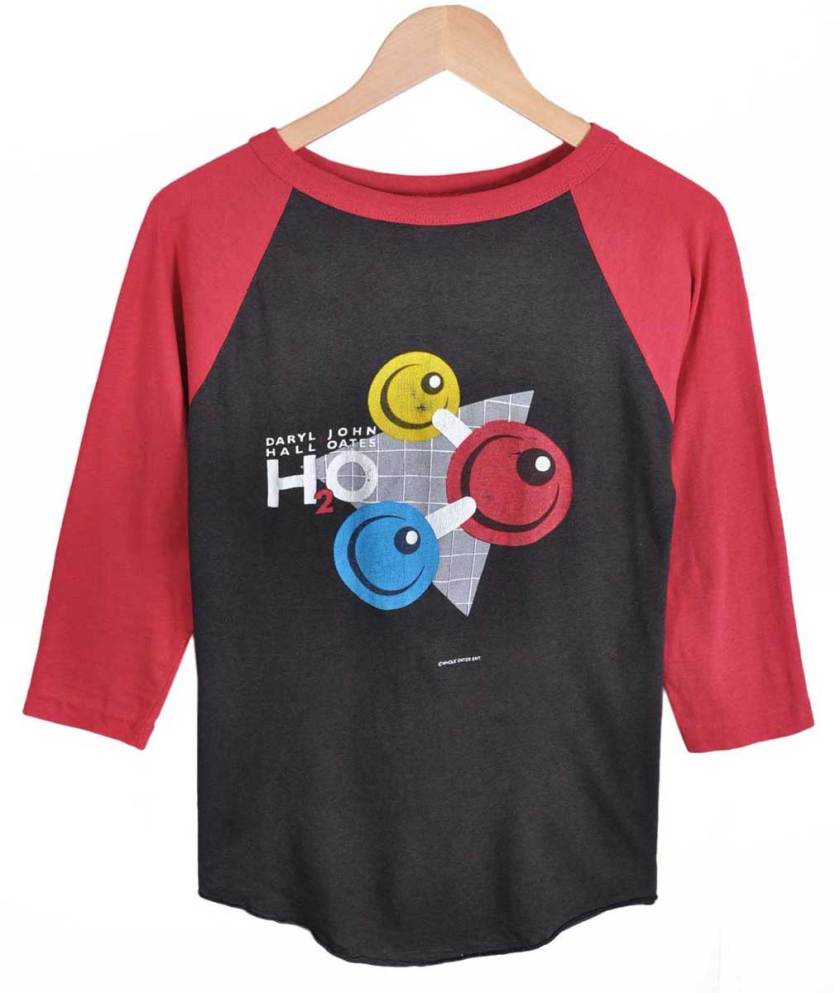
Hall & Oates t shirt

Still, if that is my complaint, H2O must still be one helluva album, and it is. Where, Voices from 1980 was Hall & Oates absorbing the sounds of New York City into their pop-rock-soul sound, and Private Eyes took those lessons to higher levels of sophistication by strengthening their pop-rock credentials, H2O put it all together. This album is an overlooked classic that should be remembered by all lovers of music.

Daryl Hall’s ‘Sacred Songs’

Daryl Hall - Sacred Songs

Being a huge Daryl Hall and John Oates, I will forgive those of you who are only familiar with those pop songs that were hits for the most successful duo in rock history. Many of you might be turned off by the fact that they are mostly known for their pop songs of the Seventies and Eighties. I can understand that.

For me, I always loved their music. But, it was not until I saw them live in the Fall of 1981 at Indiana University as the opening act for the majestic Electric Light Orchestra. To me, this concert was a pop-rock match made in Heaven. Plus, being the great older brother that I am, I took my younger brother, who was a HUGE ELO fan, down to Bloomington, Indiana, for the concert.

Like most artists, Hall & Oates are so much better live. They not only display there pop/soul chops, but you get to witness the rock and folk sides that remain restrained on most of their studio work. After seeing them live, you will gain a whole new appreciation for their influences.

fripp1

But, my story goes back to the mid-70s in New York City. That town was exploding with all kinds of new sounds that music artists from all over were being attracted to the Big Apple. You had the glam rock of KISS and the New York Dolls exploding, the hip hop sounds of Grandmaster Flash & the Furious Five and the all the different punk sounds being heard down in the Bowery at CBGBs. At the fertile moment, cross-pollination was being to take place. It was in that environment that an innovative guitarist from England, former King Crimson leader Robert Fripp met up with budding pop star Daryl Hall. Hall was coming off a mega-hit in “Rich Girl”, but was feeling frustrated by the fact that their label was the duo to record with session musicians instead of their touring band. As a matter of fact, Hall felt his creative voice that being held back by the corporate structure of their music label, when he ran into Robert Fripp, the guitarist who had just invented a new guitar recording technique called Frippertronics, which used tape loops of his guitars moaning for what seemed an eternity. What this collaboration resulted in was originally envisioned by Fripp as a trilogy of albums: one a solo Fripp albums, another the second album by Peter Gabriel and the third a pop album by Daryl Hall. All three albums were to highlight Fripp’s Frippertronics within the context of pop songs.

fripp - exposure

gabriel - scratch

So, in 1977, all three albums were recorded, with the Fripp album & Hall’s debut both being produced by Robert Fripp, while Peter Gabriel’s second solo outing, commonly called “Scratch”, since Gabriel appears to be scratching the air on the cover shot. Now, Fripp and Gabriel’s albums were released to great reviews. But, Hall’s album was shelved by his label because they were worried about the lack of hit songs on the album and the damage that album who do to his Hall & Oates career. After a huge writing campaign, the album was finally released in 1980.

To be perfectly honest, much of the album sounds like a regular Hall & Oates album only with some innovative guitar tracks. Additionally, the album had the feel of the punk esthetic from 1977, where the rock side of Hall’s songs are being emphasized. The whole project just seems that it would have succeeded more in 1977 than it did in 1980.

Daryl-Fripp

But, if you can find this album, buy it! It is a rock classic, albeit one that has been an unrecognized classic. Fripp only adds his trademark guitar touches when they enhance the song. Through the album, you can hearing the budding of the sounds he would explore with John Oates on their next few albums, such as 1978’s hodgepodge Along the Red Ledge, 1979’s New Wave classic X-Static and the duo’s commercial 1980 breakthrough Voices.

Sacred Songs contains all the musical nods of 1977 to the punk scene that would have made the songs sound more vital if they had been played on rock radio back in the day for which they were intended. As the years pass, this album continues to climb my list of favorite albums of all-time. Perhaps, the album needed to fail commercially so we would have gotten all of that great music by the duo. If this solo album had succeeded, who knows what Daryl Hall would have done in the Eighties. Maybe, Daryl Hall would have, as Robert Fripp recently suggested, become recognized as a musical innovator like a David Bowie than the pop genius he his known as today. Whatever the case, Sacred Songs is a classic album that deserves to be heard. Take my word, you will enjoy it!


The Band’s ‘Last Waltz’: My Rx For Being Down

the-last-waltz-movie-poster-1978-1020683495

Let’s see, it had to be Halloween night 1976 when I saw Saturday Night Live for the first time. I believe I was at my buddy’s house for a big sleepover. He lived just a few homes from a very old, historical cemetery, and his crazy dad was offering twenty bucks each to sleep the night over there. Being loud, idiotic teenage boys, everyone was talking a big game, but none of us seemed to be able to stay there more than an hour. Personally, I knew my limitations and came back to watch this newer show.

That night, the host was Buck Henry (it seemed like he or Steve Martin were on all the time back then), and the musical guest was The Band. Now, I had only heard of The Band through some music magazines, whose writers were always disparaging them for being over-the-hill hippies. As I began to watch them, I was mesmerized by their unique sound. It had an earthy, nearly country sound that still had touches of rock, gospel and R&B. Earlier that week, in my journalism class, the hip young teacher was teaching us about the songwriting styles of Bob Dylan with and without The Band. Needless to say, the seeds were planted in my head about The Band, but I never purchased one of their albums. Back at the time, I was more of a KISS and Queen man, but I was intrigued by the music my teacher played and the performance I saw on that early SNL show.

Now, let’s fast forward to the fall of 2002. I was getting ready for my first back surgery, an outpatient procedure that would removed the “junk” that was pressing on my sciatic nerve. Since I was going to be off work for six weeks, my boys bought me a DVD of The Band’s Last Waltz. This concert motion picture had been released in theaters back in 1978. I remember looking at the ads in the newspapers and wondering what that movie was like. The movie documented the last concert that The Band performed, with the help of many rock stars of the time, such as Neil Young, Bob Dylan, Van Morrison and Joni Mitchell, to name a few. Instead, I went to see Grease or Cheech & Chong’s Up in Smoke or some other movie geared toward teens.And, many times during the that time, I went to the record stores to look through the selections, and often contemplating the purchase of the triple album soundtrack to The Band’s Last Waltz. Yet, I never could justify purchasing a triple album.

Now, in the Fall of 2002, suffering through the beginning of my chronic back spasms, I was laying on my back, watching the DVD of The Last Waltz. The more I watched, the more I fell in love with the music. The Band was unique in that they had three lead vocalists who all sounded different, whose harmonies sounded as if they were competing with each other while complimenting the others. Vocally, they were acting like the Staple Singers. But, then there was the music that I described earlier. Here were four Canadians and an American playing music that seemed steeped in the past but still of its time and the future. Their music is simply timeless.

The Band - The Last Waltz LP

From the yearning of “It Makes No Difference” to the Post-Civil War Southerner’s lament of “The Night They Drove Old Dixie Down”, from the gospel remembrance of others in “The Weight” to the terror of solitude of “Stagefright”, The Band gave voice to more than a generation. They were giving a voice to something that was genuinely American. In other words, The Band invented a genre that we now call “Americana”, which includes groups like the Lumineers and Uncle Tupelo. But, I have yet to find a group that has been able to capture the essence of The Band and re-conceptualize it into a new sound. Nope, The Band stands alone with their sound. And, on the night they performed their last concert that was called and immortalized as The Last Waltz, you are listening to the influences, peers and genius of The Band all in one concert.

Their are so many highlights: Neil Young leading The Band through a great version of “Helpless”, “Mannish Boy” with the immortal Muddy Waters, performing “Caravan” with the Celtic mystic himself Van Morrison, and my personal favorite, a pairing of The Staple Singers with The Band on “The Weight”. But, The Band proves their own rock and roll immortality with live versions of “The Night They Drove Old Dixie Down”, Richard Manuel dueting with Bob Dylan on “I Shall Be Released” and bassist Rick Danko displaying his insecurities while singing “Stagefright”.

last_waltz_jam

To me, there is nothing like The Band. Not ever in the past, the present or in the future, The Band is a once in a lifetime happening. Their Last Waltz album and DVD always seems to release me from whatever is bothering me and helps me not only find joy in music but in life. Truthfully, how many artists can you say will do that for you? Very few, I am certain.