I Love 1974: My Top 40 Albums of 1974

American Top 40 - 70s_1974

Let’s start today’s entry with a quick thank you to my readers! After taking an unplanned week off for family emergencies and events, I came back to a consistent readership in much higher numbers than before. I am certain that the quality of my writing has not improved nor has my choice of topics. Yet, for reasons unknown to me, you all have been visiting my silly blog about the music that you and I love. Please, if you like this blog, pass on the site to your other music-loving friends. Fortunately, I have been blessed with a core group of my high school and college friends who have encourage this adventure, but it is the people whom I do not know that make this blog worthwhile. So, a big thanks goes out to everyone who has read this blog.

Today, the year is 1974. That was the year during which I finished up elementary school as my father finished up his first year as principal of the very same school. He would go on at the school for 26 more years, retiring in after the 1998-99 school year. 1974 was also something of a milestone year because it was that very year, during summer break, in which I discovered American Top 40 anchored by the incomparable voice of Casey Kasem. I really do not remember much about that countdown, as I did not write it down each week. However, I do remember hearing ABBA’s great single “Waterloo” being played, and I was hooked on this weekly radio program.

Looking back, 1974 was a solid year in music, with my quirky albums that were failures at the time going on to become favorites of mine. It was also around this time that Sir Elton John was beginning to peak in popularity. Stevie Wonder was on the hottest streak of his career, Jackson Browne was just beginning to establish himself as the voice of a generation, and the Raspberries were attempting a comeback, only to be wrongly convinced that they were not worthy of rock stardom, even with their brilliantly yearning single “Overnight Sensation (Hit Record).” Finally, 1974 will be remembered for all eternity as it was the year when Kiss released the first two records of their career. This and so much more happened in 1974.

And, while many exciting things happened in 1974, the number of classic albums was minimal. Still, the records that were released in 1974 are the kind that will only enrich your collection, by giving it diversity. With all of that said, let’s start the countdown!

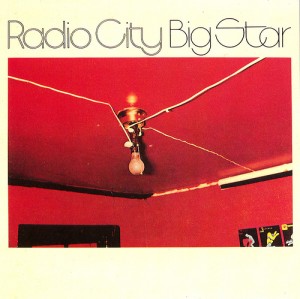
4.27 Big Star - Radio_city

  1. Big Star – Radio City
  2. Queen – Sheer Heart Attack
  3. Randy Newman – Good Old Boys
  4. Raspberries – Starting Over
  5. Van Morrison – It’s Too Late to Stop Now
  6. Lynyrd Skynyrd – Second Helping
  7. Stevie Wonder – Fullfillingness’ First Finale
  8. Bob Dylan & The Band – Before the Flood
  9. Electric Light Orchestra – Eldorado
  10. Bob Marley & the Wailers – Natty Dread
  11. Elton John – Caribou
  12. Jackson Browne – Late for the Sky
  13. Daryl Hall & John Oates – War Babies
  14. The Rolling Stones – It’s Only Rock ‘n’ Roll
  15. Gram Parsons – Grievous Angel
  16. The Doobie Brothers – What We Once Vices Are Now Habits
  17. Rush – Rush
  18. Shuggie Otis – Inspiration Information
  19. Neil Young – On the Beach
  20. Kiss – Kiss
  21. Supertramp – Crime of the Century
  22. Van Morrison – Veedon Fleece
  23. Todd Rundgren – Todd
  24. Kraftwerk – Autobahn
  25. New York Dolls – Too Much Too Soon
  26. The Spinners – Mighty Love
  27. Sweet – Desolation Boulevard
  28. Labelle – Nightbirds
  29. Rufus Featuring Chaka Khan – Rags to Rufus
  30. Kiss – Hotter Than Hell
  31. Steely Dan – Pretzel Logic
  32. Roxy Music – Country Life
  33. Aerosmith – Get Your Wings
  34. Ohio Players – Fire
  35. Queen – Queen II
  36. Bad Company – Bad Company
  37. Eagles – On the Border
  38. Eric Clapton – 461 Ocean Boulevard
  39. Brinsley Schwarz – The New Favourites of Brinsley Schwarz
  40. Barry White – Can’t Get Enough

4.27 The_Doobie_Brothers_-_What_Were_Once_Vices_Are_Now_Habits4.27 Ohio Players - Fire

During one last “look-sy,” I have noticed soul albums, English pub rock albums, hard rock albums, disco albums, funk albums, pop albums and everything in-between and all around. Needless to say, it is a somewhat eclectic list.

Indiana-Pacers-Logo-Neon-Sign-Custom-Neon-Signs-25-23

I hope everyone has a great weekend! And, I hope this is NOT the last time I blurt out, “Go Pacers!”

I Love 1973: My Top 40 Albums of 1973

we-love-70s_1973

So, I’m moving slowly today. The pain level is higher than the normal baseline despite trying out some new homeopathic “meds.” And, I had such high hopes for this substance. Oh well, it’s only money.

The other reason that I am down is that the world’s greatest basketball player, LeBron James, hit a last-second three-pointer to sink my young Pacers’ hopes of an upset. This Pacers team has overachieved this year. Last summer, Paul George wanted out of Indy. He was the Pacers’ star, but he felt he was too Hollywood for Naptown. And, so, the Pacers traded him for Victor Oladipo and Domantas Sabonis. I felt it was a good trade, but I thought the payoff would not come for another couple of years. Little did I realize that these young men simply needed playing time. Long story short, the NBA future is shining bright in Indianapolis.

Now, on to my other favorite pastime: music. Specifically, let’s look at the year 1973. The early part of 1973, I was finishing fourth grade and was beginning fifth grade at the end of the year. Once again, 1973 is more of a rock history lesson to me more than being totally immersed in the year’s music, as I would become in two more years. But, I was pleasantly surprised how good of a year for music 1973 was. Now, is it one of the classic years for music that 1972 is? Not yet. But, I think 1973 is gaining respect with many critics.

Some immortal albums were released during the twelve months that comprise 1973. Check out some of the biggies from 1973: the album that has logged the most weeks on Billboard’s Top 200 Albums Chart, Pink Floyd’s Dark Side of the Moon; Alice Cooper’s classic Billion Dollar Babies; Goodbye Yellow Brick Road by Elton John and the debut albums by Lynyrd Skynyrd, Bruce Springsteen and Queen. In other words, there is some stiff competition for the spots on this year-end chart.

But, I will let you, my loyal reader, evaluate my Top 40 Albums List for 1973 to determine if the year is one of those immortals years, such as 1967, 1972 and a handful of other years, as I hope you will discover in the coming days. So, enough of the playing around, let’s start the countdown!

4.26 Hall & Oates - Abandoned Luncheonette

  1. Daryl Hall & John Oates – Abandoned Luncheonette
  2. Elton John – Goodbye Yellow Brick Road
  3. Pink Floyd – Dark Side of the Moon
  4. The Who – Quadrophenia
  5. Alice Cooper – Billion Dollar Babies
  6. Bruce Springsteen – The Wild, the Innocent & the E Street Shuffle
  7. Iggy & the Stooges – Raw Power
  8. Lynyrd Skynyrd – (pronounced ‘Lĕh-‘nérd ‘Skin-‘nérd)
  9. Paul Simon – There Goes Rhymin’ Simon
  10. Marvin Gaye – Let’s Get It On
  11. David Bowie – Aladdin Sane
  12. Gram Parsons – GP
  13. Todd Rundgren – A Wizard, a True Star
  14. Raspberries – Side 3
  15. Paul McCartney & Wings – Band on the Run
  16. The Isley Brothers – 3+3
  17. New York Dolls – New York Dolls
  18. The O’Jays – Ship Ahoy
  19. Led Zeppelin – Houses of the Holy
  20. The Doobie Brothers – The Captain and Me
  21. Queen – Queen
  22. Billy Joel – Piano Man
  23. John Lennon – Mind Games
  24. Grand Funk – We’re an American Band
  25. The J. Geils Band – Bloodshot
  26. Stevie Wonder – Innervisions
  27. Steely Dan – Countdown to Ecstasy
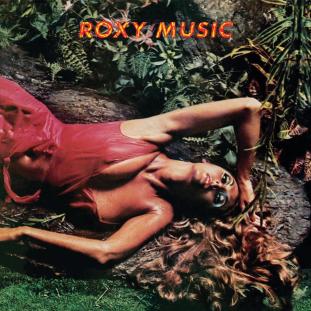
  28. Roxy Music – Stranded
  29. Neil Young – Time Faces Away
  30. Lou Reed – Berlin
  31. Bruce Springsteen – Greetings from Asbury Park, N.J.
  32. The Rolling Stones – Goats Head Soup
  33. Little Feat – Dixie Chicken
  34. Roxy Music – For Your Pleasure
  35. The Spinners – The Spinners
  36. Aerosmith – Aerosmith
  37. The Temptations – Masterpiece
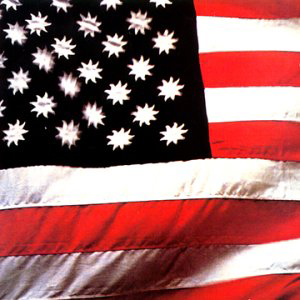
  38. Sly & the Family Stone – Fresh
  39. The Allman Brothers – Brothers and Sisters
  40. Al Green – Call Me

4.26 Todd Rundgren - A Wizard4.26 stranded-roxy-music

See what I mean? This list doesn’t immediately jump out at you that you are reading about an immortal year for the release of albums, as yesterday’s list did. Yet, if you ponder the list a bit longer, I think you will realize that you are reading a list that contains many great albums. But, is the list immortal? If it’s not, it’s awfully close!

Pacers-new-logo

I Love 1972: My Top 40 Albums of 1972

i love the seventies_1972

Without a doubt, 1972 was a great year for music. I could not believe the sheer number of great artists who released some of their definitive work that year. Stevie Wonder dropped not just one but TWO classics that year. Two of my favorite bands power pop bands of all time made their debuts in 1972. One, Cleveland’s Raspberries had success in the form of a Top 5 single, “Go All the Way,” while the other, Big Star, languished in anonymity until the mid-Eighties, when alternative bands began discovering their greatness, becoming one of the most influential cult bands of all-time, this side of the Velvet Underground.

Besides that, soul music was experiencing a peak year in 1972, as albums by Al Green, The O’Jays and The Isley Brothers had mainstream success, while soundtrack albums to “Blaxploitation” movies such as Shaft, Superfly and Troubled Man all became big hits, as did a reggae soundtrack compilation of artists such as Jimmy Cliff on The Harder They Fall was successful. And, rock music had a rich year with The Rolling Stones, Alice Cooper and Steely Dan led the way, while David Bowie brought Glam Rock across the pond with Ziggy Stardust. And, those albums were just the tip of the iceberg.

So, let’s get the countdown going!

4.25 Big_Star_-1_Record

  1. Big Star – #1 Record
  2. The Rolling Stones – Exile on Main Street
  3. Various Artists – Nuggets: Original Artyfacts from the First Psychedelic Era, 1965-1968
  4. Alice Cooper – School’s Out
  5. Raspberries – Raspberries
  6. Todd Rundgren – Something/Anything?
  7. Jimmy Cliff and Others – The Harder They Come OST
  8. Steely Dan – Can’t Buy a Thrill
  9. David Bowie – The Rise and Fall of Ziggy Stardust and the Spiders from Mars
  10. Van Morrison – Saint Dominic’s Preview
  11. Elton John – Honky Chateau
  12. Raspberries – Fresh
  13. Randy Newman – Sail Away
  14. Stevie Wonder – Talking Book
  15. Al Green – Let’s Stay Together
  16. Stevie Wonder – Music of My Mind
  17. Marvin Gaye – Trouble Man
  18. Paul Simon – Paul Simon
  19. Neil Young – Harvest
  20. The Band – Rock of Ages
  21. Curtis Mayfield – Superfly
  22. Nick Drake – Pink Moon
  23. The J. Geils Band – “Live” Full House
  24. The O’Jays – Back Stabbers
  25. Eagles – Eagles
  26. Roxy Music – Roxy Music
  27. Lou Reed – Transformer
  28. Rex – The Slider
  29. War – The World Is a Ghetto
  30. Slade – Slayed?
  31. The Isley Brothers – Brother, Brother, Brother
  32. Jackson Browne – Jackson Browne [aka Saturate Before Using]
  33. The Allman Brothers Band – Eat a Peach
  34. America – America
  35. Chicago – Chicago V
  36. Deep Purple – Machine Head
  37. The Nitty Gritty Dirt Band – Will the Circle Be Unbroken
  38. Mott the Hoople – All the Young Dudes
  39. Focus – Focus III
  40. Doobie Brothers – Toulouse Street

4.25 Nuggets4.25 War - The World Is a Ghetto

Now, THAT is a classic lineup of great albums. In my book, anytime you have Stevie, Marvin, Big Star, Raspberries, David Bowie, Alice Cooper, War, Chicago, Deep Purple, The Stones and the rest in the same countdown, it HAS to be a great year. And, many of the albums from 1972 have stood the test of time.

Pacer logo evolution

Finally, tonight is the pivotal game five between my over-achieving Indiana Pacers’ game against the incomparable LeBron James and the rest of the Cleveland Cavaliers in the first round of the NBA Play-Offs. If the Pacers have a chance to win this series, they must beat the Cavs tonight. Must See TV for Me…heeheehee! (My apologies! Again…)

My Top 40 Albums of 1971

i heart the 70s_1971

Yesterday, I started my first major series of Keller’s Top 40 Albums for each year between 1970 and 2017. Now, yesterday, I spent nearly half of my blog crying around about my love of basketball and the Indiana Pacers, which probably just made many of you suffer from reverse peristalsis, commonly known as barfing, ralphing, puking, spewing, vomiting, regurgitating, honking or casting the demons. Whatever you call it matters not. I am simply giving you more terms to aid you in the description of my writing. Oh, sure, I may have an inspired entry once, maybe even twice, a month. Yet, we all know that the rest tends toward drivel.

Anyway, I never did explain why I started with 1970. Well, the year is not really some magically chosen year, except it was the year in which I finished first grade. So, for some reason, I chose to recognize first grade over kindergarten since the latter was only a half-day immersion in public education. Plus, with first grade came the social immersion that comes only from the school bus. On the school bus, I learned the proper uses for every curse word from the older kids, while I also discovered one of my favorite pastimes: the female. And, thank goodness for all the false information I learned about that other sex of the human condition. The school bus in the 1970s was a forerunner to all the false news sites pushed by Facebook. But, if you cast aside the Cheech & Chong topics, the first exposure to Playboy magazine and the worldly sixth graders who for some reason held all of the secrets of the world, the school bus did possess true information about one thing that continues to follow me: a great basis for my musical knowledge. From the older kids on the bus, I was exposed to Alice Cooper, the Doobie Brothers and so many other rock artists that continue to haunt my collection to this very day.

So, I decided to begin my countdowns to correspond with half of a school year on the school bus as the starting point for my annual Top 40 Albums countdown. And, that, my friends, is the WHOLE story. Additionally, I would love to thank my babysitter’s older kids for the foundation to my musical knowledge, followed by the older kids on that school bus, Bus #17, for their input. And, finally, I would like to thank my classmates for helping me build this knowledge base as I listened to their opinions and arguments concerning popular music.

Today, I wish to cover 1971. I think 1971 will go down in the annuals as another strong year for rock and soul music. But, was it one of the transcendent years? Not really, but it was very close. Still, many of the albums listed in this countdown as still being played on Classic Rock radio to today. With that said, let’s get this countdown underway. Buckle up!

4.24 rolling stones - sticky finger

  1. The Rolling Stones – Sticky Fingers
  2. Led Zeppelin – IV
  3. Marvin Gaye – What’s Going On
  4. The Who – Who’s Next
  5. Carole King – Tapestry
  6. Todd Rundgren – Runt: The Ballad of Todd Rundgren
  7. Elton John – Madman Across the Water
  8. John Lennon – Imagine
  9. Joni Mitchell – Blue
  10. Sly & the Family Stone – There’s a Riot Goin’ On
  11. T. Rex – Electric Warrior
  12. Laura Nyro – Gonna Take a Miracle
  13. Bill Withers – Just as I Am
  14. The Beach Boys – Surf’s Up
  15. The J. Geils Band – The Morning After
  16. The Allman Brothers Band – At Fillmore East
  17. The Kinks – Muswell Hillbillies
  18. Badfinger – Straight Up
  19. The Flamin’ Groovies – Teenage Head
  20. David Bowie – Hunky Dory
  21. Funkadelic – Maggot Brain
  22. Traffic – Low Spark of the High-Heeled Boys
  23. Alice Cooper – Killer
  24. Janis Joplin – Pearl
  25. Isaac Hayes – Shaft
  26. Santana – Santana III
  27. Don McLean – American Pie
  28. Leonard Cohen – Songs of Love and Hate
  29. Nilsson – Nilsson Schmilsson
  30. Rod Stewart – Every Picture Tells a Story
  31. Flamin’ Groovies – Teenage Head
  32. The Band – Cahoots
  33. Jethro Tull – Aqualung
  34. The Doors – L.A. Woman
  35. Paul & Linda McCartney – RAM
  36. Yes – Fragile
  37. Black Sabbath – Master of Reality
  38. Cat Stevens – Teaser and the Firecat
  39. Al Green – Al Green Gets Next to You
  40. The Chi-Lites – (For God’s Sake) Give More Power to the People

sly & the family stone - there's a riot goin' onchi-lites - give more power

Maybe this WAS a classic year for music. It sure appears that 1971 was a great year for albums. Check it out, but nine of the Top 10 albums were created by members of the Rock & Roll Hall of Fame, while 30 of the Top 40 albums were done by Hall of Famers. Realistically, 1971 appears to be a classic year. And, it may end up being recognized as such. But, for now, let’s simply say that it’s a really, really, really good year.

Pacers - state

Go Pacers! Shock the world!

I Love 1970: My Top 40 Albums of 1970

I Heart Music_1970

As you all know, I am a huge basketball fan, though the word fan probably does not properly describe the role basketball in my life. For the first five years of my life, my father was a basketball coach at a small high school that no longer exists. During those five years, I went to practices and games, and, yes, I would run around the gym, being an annoying kid, but I was also learning about basketball. For some reason, the beauty of the game was being switched on in my DNA. Basketball, and not music, is the first love of all my interests.

The saddest day of my life was not when I was forced to retire from teaching, though that day is a very close second place, was the day I realized my body would never allow me to coach basketball, or track and field, ever again. While I was still teaching, I tried to stay involved with the team by breaking down game tape, during some “third grade” analytics on those games, and helping formulate game plans for upcoming games. At the game, my school’s head coach and I were still professionally close, and we were determined to use my mind although my body was falling apart. Unfortunately, I had to give that “job” up when my body would not allow me to continue my game analysis.

Initially, I tried to sit through my schools’ boys basketball teams’ games, but as a frustrated coach and a sufferer of chronic back pain and spasms, the games became fewer and fewer, until I stopped going altogether. And, then, the mental anguish grew so much that I was giving up my television basketball viewing until I stopped watching altogether for a couple of years.  That is, until last night, when Son #1 got tickets for my beloved Indiana Pacers’ play-off game against the Cleveland Cavaliers and their unparalleled leader LeBron James. For a moment, I got my mojo back, that may have only lasted as long as the game. Yet, I felt the very adrenaline running through my veins the way it once did when I played and then coached. For the first time in many years, basketball was fun, although my Pacers lost a squeaker. I could go on and on as to why the Pacers lost (come on Thaddeus Young! You’re a former first-round draft pick! You shouldn’t miss SIX layups! And Pacers! The Cavs were playing a modified ‘box-and-one’ defense that allowed them to double-team the ball out front. Side-to-side passes are made for picking off. The diagonal pass is the attack of choice.).

Okay, we all can tell basketball is an important part of my life. But, let’s talk music! Did everyone enjoy the twelfth consecutive Record Store Day? My boys and I ventured to our favorite independent record store for the celebration, where we were able to purchase a couple of special releases each. I picked up a special re-release of a single album version of Prince’s commercial breakthrough album 1999. My other purchase was a picture disc of Madonna’s classic self-titled debut album; that album is now up on the Picture Disc Wall of Fame in my music room. As far as my boys are concerned, Son #1 picked up a special mix of The Stooges’ eponymous debut album called ‘The Detroit Mix’ version and a copy of Soungarden’s greatest hits package called A-Sides, while Son #2 picked up a Nas album he recorded with an orchestra and Rage Against the Machine’s special printing of their performance at the Democratic Convention way back in 2000. Unfortunately, all three of us did walked away without one of our top choices. Son #1 and I both wanted to pick up the special version of Bruce Springsteen’s Greatest Hits album, which was released on vinyl for the first time, while Son #2 was searching for Run the Jewels super-popular box-set package. This was one of the first time in which all three of us walked away without one of our highly ranked treasures. Yet, as Record Store Day becomes more popular with each passing year, this will occur more often, I’m afraid.

So, with all of that out of the way, let’s get down to brass-tacks. Over the next several weeks, I plan to present to you, my faithful reader, my Top 40 Favorite Albums for every year, from 1970, the year during which I became aware of popular music, up to, and including, last year, 2017. I have been plotting this series for the past several months and am pretty excited to get the whole thing started. Let’s face it – I am celebrating nearly 50 years of beautiful music in my life. A reminder to all of you: be gentle with me for any of your favorite albums missing from my lists. Still, I do want to see your album choices for that particular year we are celebrating. So, let’s light this firecracker!

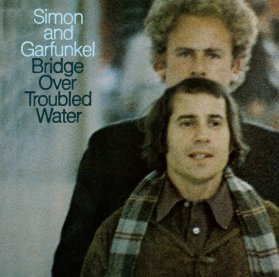
4.23 simon & garfunkel - bridge over troubled water

  1. Simon & Garfunkel – Bridge over Troubled Water
  2. The Stooges – Funhouse
  3. Led Zeppelin – III
  4. Crosby, Stills, Nash & Young – Déjà Vu
  5. Grateful Dead – American Beauty
  6. John Lennon/Plastic Ono Band – John Lennon/Plastic Ono Band
  7. Neil Young – After the Gold Rush
  8. Van Morrison – Moondance
  9. Elton John – Tumbleweed Connection
  10. David Bowie – The Man Who Sold the World
  11. Black Sabbath – Paranoid
  12. Grateful Dead – Workingman’s Dead
  13. Todd Rundgren – Runt
  14. The Band – Stage Fright
  15. Creedence Clearwater Revival – Cosmo’s Factory
  16. Derek & the Dominos – Layla and Other Assorted Love Songs
  17. Elton John – Elton John
  18. The Rolling Stones – Get Yer Ya-Ya’s Out!
  19. The Who – Live at Leeds
  20. Black Sabbath – Black Sabbath
  21. Cat Stevens – Tea for the Tillerman
  22. The J. Geils Band – The J. Geils Band
  23. The Kinks – Lola vs. Powerman and the Moneygoround, Part One
  24. George Harrison – All Things Must Pass
  25. Van Morrison – His Band and the Street Choir
  26. Curtis Mayfield – Curtis
  27. Badfinger – No Dice
  28. Emitt Rhodes – Emitt Rhodes
  29. James Taylor – Sweet Baby James
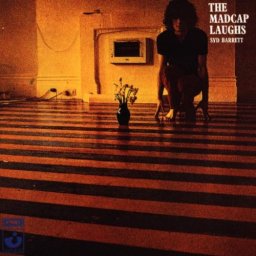
  30. Syd Barrett – The Madcap Laughs
  31. Bob Dylan – New Morning
  32. Paul McCartney – McCartney
  33. The Beatles – Let It Be
  34. The Temptations – Psychedelic Shack
  35. Jimi Hendrix – Band of Gypsys
  36. Eric Clapton – Eric Clapton
  37. Miles Davis – Bitches Brew
  38. Nick Drake – Bryter Layter
  39. Randy Newman – 12 Songs
  40. The Move – Shazam

4.23 The_who_live_at_leeds4.23 syd barrett - the madcap laughs

As you can tell, 1970 was a very strong year for rock music, although it is not considered one of the “Golden Years” (my apologies to the late, great David Bowie). Still, my list of albums from 1970 contains some absolute, stone cold classics. Here’s to 1970! Long live 1970!

Yes, It’s Time for My Top 40 Synth Pop Songs

4.13 synth pop hits

You will never guess this, but I have been on a small synth pop run lately, thanks to my research of Depeche Mode and Simple Minds. I cannot totally lay the blame at those band’s feet, but after reading a great article about the genre from a few years ago by the great Annie Zaleski on The AV Club’s website, along with another terrific overview of the genre in February 2018 edition of Classic Pop magazine by the legendary Paul Lester, I got my love of the synthesizer reignited. Now, when I become hyperfocused, I usually burn a bunch of CDs from my music computer, pull out all of the appropriate CDs, albums and 12-inch and 7-inch singles. Then, I dig through my music books and magazines collections for related reading material. Finally, I scour the internet for a good 24 to 48 hours for reading material, cutting and pasting information, articles, album reviews and the like into Word documents that work as my research cards of years gone by. The crazy thing about my brain is that I have a nearly eidetic memory. Now, most people with this ability can read something, and they remember it verbatim. My Son #2 is that way. With me, I read and/or write it down, and then I will remember it in my own words. It was a useful way of learning because it was very applicable for the worlds of math and science, in which I was immersed for decades. But, it works out well for me when writing about rock music.

So, while listening to a Synth Pop three-disc compilation and a five-disc compilation of New Romantic music, I started doing three things. First, I began to start a rough timeline of the genre. Then, I began to discover just how prevalent the synthesizer became in the Eighties. After all of that, I began a four hour process of writing down of what I consider to be the 130 Most Important Synth Pop Songs. Finally, this morning, I pared down the list to include one song from each act in order to compile My Top 40 Synth Pop Songs, which I will present to go in a moment.

Now, according to the articles that I read, musicians began tinkering around with synthesizers back as far as the late-Sixties. Big rock and soul artists such as David Bowie, Stevie Wonder and The Who, all had moments of creativity with early synthesizers, as did Pink Floyd, Brian Eno and others. At the same moment in the early-Seventies, a couple of exclusive synthesizer novelty songs became huge hits. These songs include Hot Butter’s “Popcorn” and Apollo 100’s “Joy”.

By the mid-Seventies, Germany was seeing its own Krautrock begin to take off, in which synthesizers played a huge role. Experimental bands like Tangerine Dream, Can and Neu! all set the standard for Krautrock’s basis in synthesizer music. But, the synthesizer’s exclusive use in pop songs did not begin until the most important band of the Krautrock movement entered the fray, Kraftwerk.

Kraftwerk really began to hit their stride in the mid-Seventies on their albums Autobahn and Radioactivity. Yet, their biggest contribution to Synth Pop came when they began to shorten their songs while incorporating many of the trappings of pop music. The band really hit their stride on their 1978 album, Man Machine, and carried the momentum onto 1981’s Computer Love. The title song from the latter would soon become famous when it was sampled for great effect on Afrika Bambaataa’s “Planet Rock,” one of the first “electro-rap” hits.

Still, it was in England where Synth Pop really took off, though it didn’t take long for the genre to spread all through the world, including in Japan, where Japanese artists welcomed the technology into their music with open arms yet were not able to break the US market like their European brethren could. The first exclusively synthesizer hit song popped up in 1977 with Donna Summer’s Giorgio Moroder-produced song called “I Feel Love.” And, more songs trickled in, until 1979, when M’s and The Buggles’ both had huge international success with their songs “Pop Muzik” and “Video Killed the Radio Star,” respectively. Afterwards, the floodgates were opened, and the hits came rolling in.

Sure, we had “traditional” Synth Pop hit songs in the form of Gary Numan’s “Cars” and The Human League’s “Don’t You Want Me,” but we also began to see the synthesizer being used by R&B (Prince), Funk (Lipps Inc.), Metal (Van Halen), Southern Rock (ZZ Top), Dance (Madonna) and even soundtracks (Giorgio Moroder’s score for Midnight Express and Vangelis’ highly successful Chariots of Fire soundtrack). It seemed that the instrument that had once been associated with a cold, detached, mechanized instrument of some dystopian future was now being used as the instrument of choice for the sound of the Eighties. And as the technology moved from analog to digital, the warmth of the instrument improved. Then, mechanized instruments such as a sampler could record and perfectly replay any song that the machine had recorded. Also, computer programs were making it easier for the artist to record their songs on the smart phones and gets “real” sounds from synthesizers to put into their musical creations. No longer did you need to hire Jeff Beck or Jimmy Page to get a guitar solo on your song; you can now push a button on your computer and BAM! You get something that approximates his exact solo. You probably don’t even realize which artists have real instruments and which have created theirs through a computer with synthesized sounds.

But, let’s back up to the time when those synthesizers when relatively new, while musicians were just trying to determine how to use them in the music they were creating. Without further ado (and my literary poo), welcome to Keller’s Top 40 Synth Pop Hits of the 80s (Give or Take a Couple of Years).

4.13 40.Thomas_Dobly - She_Blinded_Me_with_Science

40. Thomas Dolby – “She Blinded Me with Science” (1982)

39. The Fixx – “One Thing Leads to Another” (1983)

38. The Cure – “The Walk” (1983)

37. John Foxx – “Underpass” (1980)

36. The Art of Noise – “Close (To the Edit)” (1983)

4.13 35.information society - what's on your mind

35. Information Society – “What’s on Your Mind (Pure Energy)” (1988)

34. Dusty Springfield – “Nothing Has Been Proved” (1989)

33. Kraftwerk – “Computer Love” (1981)

32. Eurythmics – “Sweet Dreams (Are Made of This)” (1983)

31. A Flock of Seagulls – “Space Age Love Song” (1982)

4.13 30.Paul_Young_-_Come_Back_and_Stay

30. Paul Young – “Come Back and Stay” (1983)

29. Devo – “Satisfaction” (1978)

28. Communards – “Don’t Leave Me This Way” (1987)

27. Scritti Politti – “Perfect Way” (1985)

26. Creme & Godley – “Crying” (1985)
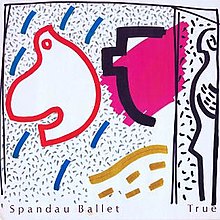
4.13 25.True - Spandau Ballet

25. Spandau Ballet – “True” (1983)

24. Tubeway Army – “Are ‘Friends’ Electric?” (1979)

23. Falco – “Rock Me Amadeus” (1986)

22. Paul Hardcastle – “19” (1984)

21. The Human League – “Don’t You Want Me” (1981)
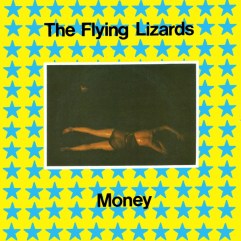
4.13 20.flying lizards - money

20. The Flying Lizards – “Money” (1979)

19. The Buggles – “Video Killed the Radio Star” (1979)

18. T’Pau – “Heart & Soul” (1987)

17. M – “Pop Muzik” (1979)

16. Public Image Ltd. – “Rise” (1986)
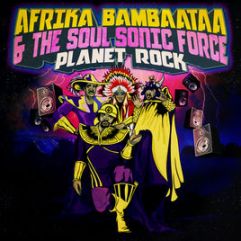
4.13 15.afrika bambaataa - planet rock

15. Afrika Bambaataa & Soul Sonic Force – “Planet Rock” (1982)

14. Kajagoogoo – “Too Shy” (1983)

13. Duran Duran – “The Reflex (Niles Rodgers Mix)” (1983)

12. Gary Numan – “Cars” (1980)

11. Frankie Goes to Hollywood – “Two Tribes” (1984)

4.13 10.queen - radio ga ga

10. Queen – “Radio Ga Ga” (1984). The band that spent the Seventies writing on their albums that “This album was made without any synthesizers” only to start using synthesizers to brilliant effect. Go back to listen to their 1982 album Hot Space to hear a Synth Pop album. They perfected the sound on this song from their 1984 LP The Works.
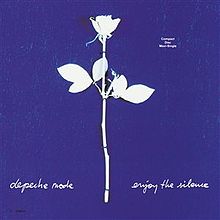
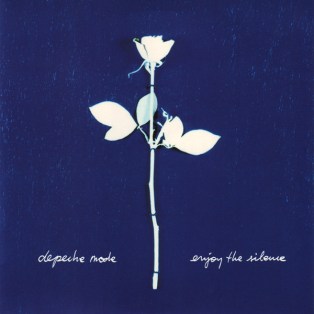
4.13 9.Depeche Mode - Enjoy The Silence

9. Depeche Mode – “Enjoy the Silence” (1990). Synth pop as well knew if was officially given its kiss-off with the release of Depeche Mode’s Violator album, from which this song comes.

4.13 8.yaz - only you

8. Yaz (or Yazoo) – “Only You” (1982). Take Vince Clarke from fresh from Depeche Mode and one terrific female vocalist, Alison Moyet, and you have synth pop heaven, even if the band had to change their name in the States from Yaz to Yazoo.
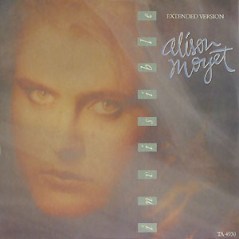
4.13 7.Invisible(Alison_Moyet)

7. Alison Moyet – “Invisible” (1984). I have always loved Alison’s voice and hold it next to Annie Lennox’ voice as the best of synth pop.

4.13 6.new order bizarre love triangle

6. New Order – “Bizarre Love Triangle” (1986). What a great dance beat with some interesting lyrics describing an alternative sexual relationship.

4.13 5.pet shop boys - west end girls

5. Pet Shop Boys – “West End Girls” (1986). I have always loved this moody song. Ever since it burst on the radio in the Spring of 1986, I have envisioned it as the first song in my DJ set as a tentative dance mood setter.

4.13 4.donna_summer_i_feel_love_660_80

4. Donna Summer – “I Feel Love” (1977). The oldest song in the countdown remains arguably the most timeless of them all. Not just for disco fans.
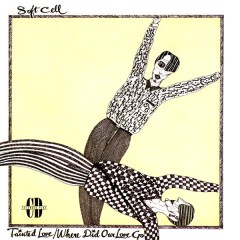
4.13 3.soft cell - tainted love

3. Soft Cell – “Tainted Love/Where Did Our Love Go (12-Inch)” (1981). For the better part of two years, this song packed dance floors at clubs and parties in and around Ball State.

4.13 2.It's_my_life_(talk_talk)

2. Talk Talk – “It’s My Life” (1984). Yes, No Doubt did a great cover of this song, but the original still transports me back to the Bike-A-Thon Week 1984 at Ball State when I rode for my frat’s cycling team. What a race! What a song!
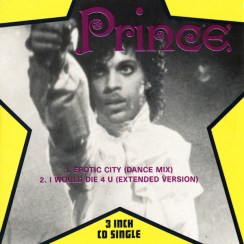
4.13 1.prince - erotic city

1. Prince – “Erotic City” (1984). Yes, this song is funk, but it’s all synthesizers in addition to His Purple Badness’ and Sheila E.’s vocals.

Now, I can finally put this little obsession with Synth Pop to rest. But, how do I follow this up? Do I go back to the Blues? Early Country music? Americana? Folk? The Blues Brothers? Who knows? Well…I kinda know. Just stay tuned.
4.12 depeche mode - violator

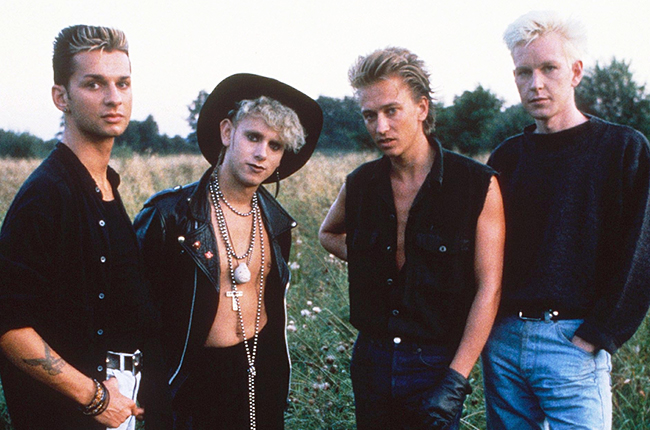
The whole Synth Pop movement began on both sides of the Atlantic Ocean in the late-Seventies when musicians who had become infatuated with the sounds by German synthesizer pioneers Kraftwerk began to tinker with the machines and applying them to pop song melodies and structures. Common belief states that the UK was the first country in which synth pop bands began to pop up under the New Romantics umbrella. However, synthesizer-based pop songs began to pop up all across Europe. The first huge hit that ended up being something of a first cannon shot across the bough was the disco hit “I Feel Love” by the great American singer Donna Summer with help from her Italian-born, Munich-based producer Giorgio Moroder. That opened the floodgates that started with the world-wide hit “Pop Muzik” by M in 1979. After that, everyone was buying synthesizers and integrating them into their sounds. Disparate artists such as Prince, Stevie Wonder, David Bowie and ZZ Top all successfully enhanced their sounds with synthesizers.

Other big synth pop hits began popping up in the States, as Minneapolis’ Prince-forerunners Lipps Inc. hit big in 1980 with “Funkytown”, followed by big hits by Gary Numan (“Cars), The Human League (“Don’t You Want Me”) and Soft Cell (“Tainted Love”). One band that jumped on the synth pop bandwagon was an English band called Depeche Mode. Their main songwriter was Vince Clarke, who would only stick around for one album before leaving to form two seminal synth pop bands, Yaz (or Yazoo) and Erasure (with whom he still records). Depeche Mode garnered a UK hit song with their debut single, “Just Can’t Get Enough,” pretty much a paint-by-numbers early-Eighties synth pop song. After Clarke left the band, Depeche Mode flounder for a couple albums before their music, lyrically and aurally, took a dark turn. And, when the band went in that darker direction, the actually became a classic band.

VARIOUS - 1987

So, how did a guy from Middle America ever discover Depeche Mode. To be honest, I was familiar with “Just Can’t Get Enough,” as a synth pop-loving guy down the hall in my dorm had the album. But, at the time, I was not impressed. Still, I would hear Depeche Mode music being sneaked in DJs’ sets at clubs and parties, but nothing really grabbed me until I heard “People Are People” in a club in late 1984. To me, that song was a revelation. Finally, a band was clearly fulfilling The Human League’s intention of making the synthesizer sound like a rock instrument. And, Depeche Mode proved that they could rock AND make you dance.

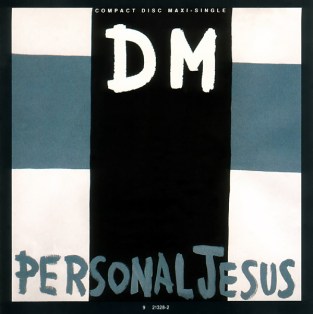
4.12 depeche mode - enjoy the silence4.12 depeche mode - personal jesus

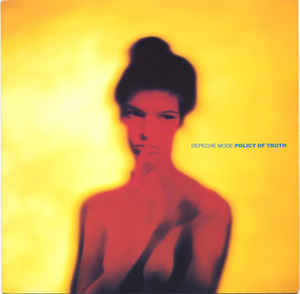
Still, it was their remarkable growth between 1986 and 1993 that produced the most stunning results, during which the band peaked on their 1990 album Violator. With Violator, Depeche Mode discovered the key to making moody Pink Floyd-esque music coupled with unintentional rock-sounding hit songs, as they did with “Enjoy the Silence,” a great slice of dark yearning, on the strange love arrangement in a relationship in “Policy of Truth” and with their timeless hit, as Johnny Cash proved, “Personal Jesus”. With those songs being the album’s anchors, the songs Depeche Mode placed between them only enhanced the mood shifts of the album. Tales from the dark side of love and lust rear its heads throughout the album. Even lead singer David Gahan’s deadpan vocals only enhance each and every song with a certain cool detachment that gives off an impression that these songs are observations of the human condition and not a lifestyle choice.

4.12 depeche mode - policy of truth

Depeche Mode, in their unique manner, actually influenced much of the industrial musical movement of the Nineties, as bands like Nine Inch Nails, Ministry and Marilyn Manson all took the dark heaviness that Depeche Mode innovated, and made it heavier and darker to create their own unique sounds. Likewise, you can hear Depeche Mode throughout much of the music being created in the Electronic Dance Music (EDM) scene. So, artists such as The Prodigy, the Chemical Brothers, LCD Soundsystem and even Daft Punk should give a nod of thanks to Depeche Mode.

One last thing, do not be surprised if Depeche Mode becomes one of the first alternative bands from the Eighties to be inducted into the Rock & Roll Hall of Fame. Back during the band’s heyday, they were able to sellout both Madison Square Garden and the Rose Bowl, and when bands do that, they seem to have entered another level in popularity, even as they fell on relatively deaf ears in the Midwest. Though, it would be a personal shame to have them get in before Devo, Joy Division/New Order, The Cure, The Smiths and The B-52’s. Yet, I would still welcome them with open arms with it signaling the end of the Boomers’ rock music reign.

4.12 depeche mode live

To get a full view of Depeche Mode’s music, begin your listening experience with Violator, followed by their 1987 commercial breakthrough Music for the Masses, then their U2-like left turn album Songs of Faith and Devotion (1993), then come back with older albums Some Great Reward (1984) and Black Celebration (1986). It is a much more fulfilling listen than I expected after a couple of decades of sitting in my collection. Enjoy the darkness.

Simple Minds: A Band Not Just for Blondes (Wait! I’m Blonde! Just Read It!)

Once_Upon_a_Time_(Simple_Minds_album_-_cover_art)

Yesterday, I wrote about a band, The Waterboys, who, during the Eighties, was simply a passing curiosity here in the States. Yet, I felt like they were unfairly overlooked at the time. I guess I must be the only one who feels this way since that entry may be my least-read entry of all time. Awesome! I sure know how to pick ’em! Hahaha!!! I guess I will continue to push the attention of my readers with my album for today, Simple Minds’ 1985 biggest American hit album Once Upon a Time.

4.11 simple-minds-1985
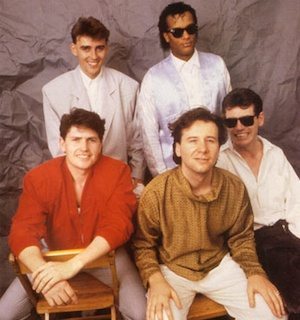
A photo of Simple Minds taken before Live Aid. We all wore weird clothes back then and thought we were so cool.

When this album was released in the Fall of 1985, Simple Minds was still celebrating its only Number One hit in the USA, the theme song from the 80s Brat Pack classic The Breakfast Club, “Don’t You (Forget About Me)”. The song, which was only released on the movie soundtrack, was originally intended for Billy Idol, who turned it down for reasons unknown, since he recorded a version of the song for his mid-2000s greatest hits package. Once you hear his version, you can actually hear no discernible difference, so I will give the edge to Simple Minds for having the audacity to record the song in the first place. And, to Billy Idol, I will give hand over some sour grapes since he missed out on a big hit, no matter if he wrote it or not (he did not).

4.11 simple minds - dont you forget about me

Anyway, when Simple Minds released Once Upon a Time, they showed balls by leaving the biggest hit of their career off this new album. And, in doing so, they were able to maintain their artistic integrity at least for this album, because this album, in retrospect, was their artistic and financial peak. By 1985, Simple Minds had taken their version of the sweeping, majestic guitar feedback sound as far as they could, though they tended to supplement the sound with icy synthesizers taken from the famous synth pop bands of the early 80s, creating a newer, unique take on the U2 sound, which was similar to another band having a huge year in 1985, Tears for Fears.

The residual popularity of “Don’t You (Forget About Me)” made the public hungry for a new Simple Minds album. And, Simple Minds were ready for the American public by turning to American producer Jimmy Iovine to help the band “Americanize” their sound. And, the choice of producer allowed the band to hone its sound so that it was palatable to the general American audience. For the first and only time, Simple Minds had an album peak at number 10 on Billboard’s Top 200 Album Chart. And, the audience responded so well to the band’s clean sound and focused songwriting that the band scored three Top 40 singles from Once Upon a Time.

4.11 simple minds - alive and kicking

Initially, Simple Minds released “Alive and Kicking,” which peaked at number three, becoming the band’s second and last Top 10 hit here in the States. Subsequent singles all garnered heavy rotation on MTV, though the radio was less friendly with each passing single. “Sanctify Yourself,” the second single from Once Upon a Time, peaked at number 14, while the third single, “All the Things She Said” stalled at number 28. Maybe, if the band had included their big, unexpected number one song from the previous spring on Once Upon a Time, Simple Minds may have found themselves battling with Tears for Fears, a reconstituted Heart, a clearly confident Madonna and Wham! for airplay that year. But, by leaving that song off their album, Simple Minds were able to show off singer/songwriter’s strong skills and that he should not have to live in the shadow of his wife at the time, Pretenders’ Chrissie Hynde, one of the strongest feminine voices in rock at the time. Plus, the album worked better as a concept without that aforementioned song on it. So, artistically, it was the right call. But, financially, I believe it may have been the wrong call. If the band had added it to the album, would they just throw it in at the end, like some post-script left in a note from a lusty teen boy to that cute girl across his math classroom? Or, adjust their writing to better accommodate that big hit written by someone outside the band? Naw, they went for it and did the correct thing for their art, record sales be damned. And, as it were, they were.

4.11 simple minds at live aid
Simple Minds’ lead singer Jim Kerr performing during Live Aid in Philadelphia 1985.

Still, Simple Minds made a great album that could be used in a time capsule that could be used by future music historians to play to the youth of the future as a shining example of how atonal guitar slashes and icy synthesizer waves could collide into beautiful, nearly stereotypical mid-Eighties music. Once Upon a Time is a very good album that should be replayed from time to time, if nothing else to remind us how good the music of the mid-Eighties really could be, if we ignored Miami Sound Machine and Level 42 for this one.

A Little Advice: Get to Know The Waterboys

4.10 waterboys - this is the sea

In the 21st Century, I am not sure what record companies are trying to do to stay alive. Most of the time, they seem to be somewhat sticking to their old way of doing things: sign some artists, record a single with some big named produced written by some hot songwriter, throw the song on iTunes and wait to see if it connects with an audience. If it does, AND the song becomes a hit, we are on to the album stage. If not, that artist is discarded.
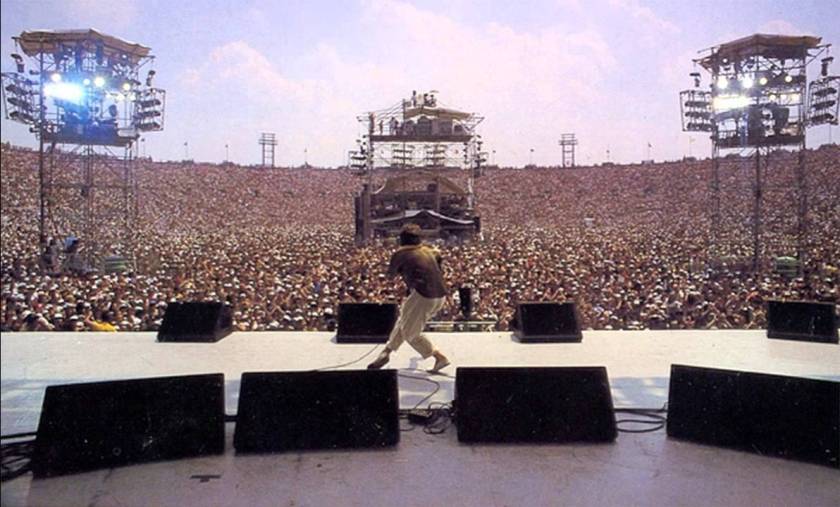
Back during the pre-internet era, when record companies ruled the roost, they would sign an artist and give them three albums to develop. Current CEO of Interscope Records, the great Jimmy Iovine made a career out of recording third albums for artists, as he was involved with Springsteen’s Born to Run, Petty’s Damn the Torpedoes and Patti Smith’s Easter, albums that all commercially broke these artists to the general public. He said that this album was the most important album in the artist’s career, and he appears to be correct.

4.10 1984-first-waterboys-show
The Waterboys in 1984. It almost seems like a scene from The Commitments.

Now, back on New Year’s Day 1983, a little known Irish band by the name of U2 released their third album called War. Immediately, the critics were singing the praises of this band whose sound was different from most other commercially successful artists. Instead of blues-based rock that had been the main diet of rock music for nearly 20 years, U2 instead took punk’s minimalism in playing notes and letting the feedback paint the picture within the context of their songs. This was very much a post-punk technique that actually could be traced back to the music of Captain Beefhart, the United States of America and Yoko Ono from the Sixties. Those artists were all challenging the preconceived notions of what was acceptable for rock music. And U2 learned those lessons second-handed, though their shared admiration of Joy Division and Public Image Ltd.

U2’s genius was putting those controlled feedback guitar noises to paint aural textures within the confines of a pop song with real pop melodies that changed everything for Generation X and alienating most Baby Boomers along the way. U2’s sounds became the “IT” sound for the next decade. Record companies began scouring the United Kingdom, as well as the rest of the world, for the next U2, much as they previously searched for the next Elvis Presley, Beatles, Dylan, Hendrix, Zeppelin, Clash and any other transcendent artist. Often, the next transcendent artist is making music completely in isolation until all of a sudden they seem as though they had popped up fully developed over night.

In the aftermath of U2’s 1983 success, bands with similar anthemic sounding songs became something of a small point of emphasis to discover. During that small window, some terrific bands popped up, such as Simple Minds (known for their huge 1985 hit song “Don’t You (Forget About Me)”), Big Country (“In a Big Country”), and, probably the least known of the trio, Scotland’s The Waterboys.

4.10 waterboys - fisherman's blues

I once read that The Waterboys were actually Scotland’s answer to U2. I am not sure if Mike Scott and his mates were cognizantly thinking that way, but there are some similarities in that both attack a song the same way. The difference lies in Scott’s willingness to incorporate flourishes of R&B with a sax here or a screeching Irish fiddle there, as well as the alacrity to fully lose their sound in other genres, like they did on 1988’s classic album Fisherman’s Blues. And as great and enjoyable of an album that one is, I have come to play the band’s preceding album, 1985’s This Is the Sea, more often recently.

4.10 waterboys - the whole of the moon

Now, thirty years later, I remain blown away by the arching beauty of the second song on the album called “The Whole of the Moon,” the calling card of their career. I can honestly admit that the song had been buried for a good thirty years in my memory until my wife, Son #1, his wife and me went to see, ironically enough, U2 last fall. U2 likes to play a song as they make the long walk from their dressing room to the stage before beginning their concert. Back on their 360° Tour, they walked out to Bowie’s “Space Oddity”. But, this time, they walked out to this majestic song by The Waterboys, which really acted as a John the Baptist type of song to U2’s rock savior Jesus Christ-like The Joshua Tree. Throughout The Waterboys’ This Is the Sea, Scott describes his heroes being transformed by the music of rock and roll. It’s almost as if The Waterboys, and not U2, are from the same Irish rock lineage as Van Morrison. And, maybe they are.

The Waterboys should have been more palatable to the Boomers’ tastes in music than U2. But, for whatever reason, radio programmers would not touch them. It was as if they allowed U2 radio airplay, in addition to a little to Simple Minds and Big Country, but that was it. Instead, we got every half-assed, same-sounding hair metal band on the Strip like Warrant, Winger and White Lion (nice alliteration, eh?), instead of a bigger-than-life band like The Waterboys who were celebrating things like learning, love and peace instead of rolling the dice in a play of Russian Roulette against HIV, as our hair metal idiots were playing with strippers and heroin addictions. To this day, I remain in awe in how that happened on radio, even though the medium was losing money way back then.

So, allow me to reiterate that if you want to discover a gem of a band from the Eighties, then my big suggestion is The Waterboys, especially the two aforementioned albums. Those are the two albums where The Waterboys sound as if they are ready AND willing to ascend to the top of the rock mountain to save us from the posers of the day. And, This Is the Sea is their third album, so that desperation is clear. Shortly before the recording of this album, the never-ending revolving door membership to The Waterboys started. Most significantly, multi-instrumentalist and fellow songwriter Karl Wallinger left the band, which allowed him to start his solo career under the banner of World Party, another anthemic band that should have been much more popular than a simple footnote in rock history.

4.10 mike-campbell-neil-finn
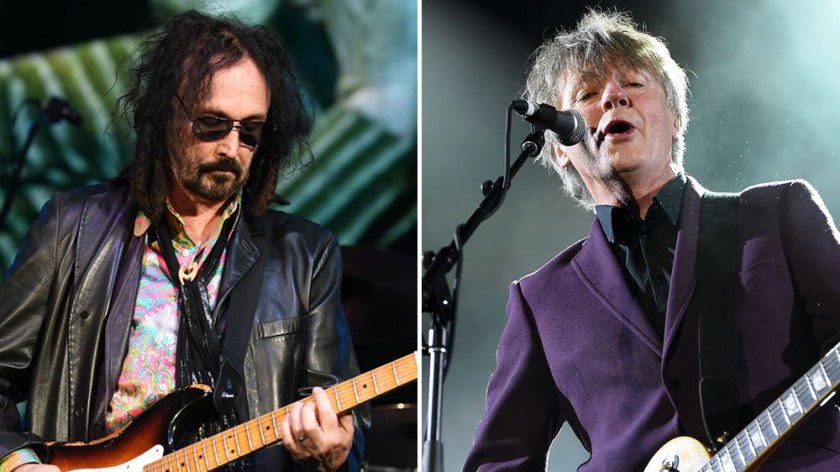
On the left is former Tom Petty Heartbreaker Mike Campbell and on the right is Neil Finn, of Crowded House fame.

Last thing, did you hear that Lindsey Buckingham, the producer and creative mind behind many of Fleetwood Mac’s greatest albums from the 1975 eponymous album up until recently, was fired from the band. Some exciting word is that Tom Petty’s guitarist, the fantastic Mike Campbell AND Crowded House (“Don’t Dream It’s Over”, “Something So Strong”) mastermind and former Split Enz (“I Got You”, “Six Months in a Leaky Boat”) guitarist/singer Neil Finn have been added to the Big Mac as a change to their “special sauce.” For my money, though the band will obviously miss Buckingham’s studio wizardry, Fleetwood Mac may actually become stronger with Campbell’s outstanding soloing ability and songwriting and Finn’s left field pop sensibility. I am actually excited about hearing how these changes affect/help the band. Maybe, especially with Finn’s songwriting ability, the Mac will rise once again to be the hitmakers they once were. I am truly excited by this change. Could the Mac be adding more Heartbreakers in the future? Maybe keyboardist master Benmont Tench could also be added to allow Christine McVie a break and/or enhance the band’s keyboard sound. Regardless, there are some exciting times ahead for Fleetwood Mac in the next future.

Led Zeppelin’s Officially Untitled Album Is Worthy of the Hype It Has Received Over the Years


4.9 Led_Zeppelin_-_Led_Zeppelin_IVBack when I started this blog, I had made a promise to myself that I would stick to writing about the rock artists who may lay just outside of the mainstream and beyond. I mean, how many rock music websites have you visited over the past couple of years that have devoted their space to The Beatles, The Rolling Stones, Pink Floyd, Led Zeppelin, Lynyrd Skynyrd and Black Sabbath, to list but a few of the biggest stars of the rock era. So, I have tried to stay away from these big guns, unless they have released an underappreciated album or two.
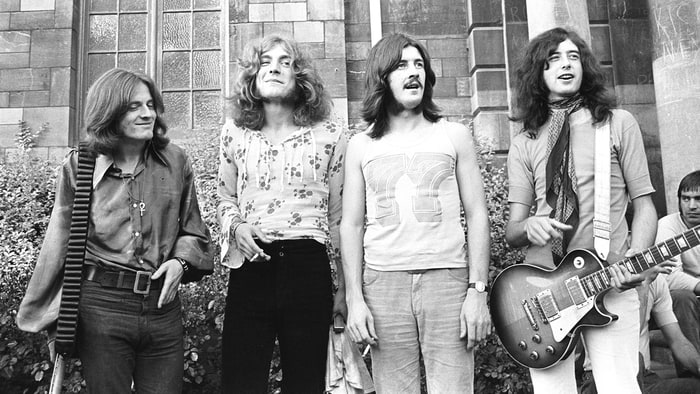
But something strange struck me today while listening to a recently released new album by a new band called Greta van Fleet. Greta van Fleet is a group of twenty-somethings who sound as if they have listened to nothing but classic rock for all of their young lives. And, they may have dabbled with the blues elders that the classic rock artists all grew up listening to, from the sound of the songs on their really good album released in late 2017. But, most of all, they sound as if they have been worshiping at the alter of Led Zeppelin, as their lead singer sounds the closet that any young singer has come to the Golden Norse God wail of Robert Plant. But, Greta van Fleet’s album made me want to go back to the original source, Led Zeppelin, to attempt to tackle arguably their finest moment as a studio band, 1971’s untitled album that has come to be known as Led Zeppelin IV.

It seems as though that every fan of rock music owns this album, as over 23 million copies of that album have reportedly been sold over the nearly 50 years this album has been available for purchase. If you listen to the album, even if you are a youngster who has just purchased their first copy of the album, you have probably heard nearly every song on the classic rock radio stations throughout the world. Why? Those songs seemed to have become incorporated in our DNA. Additionally, this album contains The Song That Has Been Played the Most Times on Radio Ever, the power ballad prototype “Stairway to Heaven.”

4.9 led zeppelin band photo

So, what is it about this album that appeals to rock lovers everywhere? Although Led Zeppelin is often lumped under the label of Heavy Metal, the band has always been so much more than metal. All of their music, no matter which album the song in question is placed, the band shows much more dexterity and subtleness than other bands with their power and of their ilk. The Zep has the musicianship that allows them to saddle up with the heaviest bands of their era and beyond, while maintaining a tranquility in their songwriting that allows them to maintain a certain mellowness that is absent from nearly any other metal band. Seriously, could Metallica or Sabbath pull off either “Hey Hey, My My” or “Going to California”? Well, maybe Metallica could, but their reputation would not allow them to travel down that road, while Ozzy and the boys in Black Sabbath could not, even though the musicians sound as if they may have been practicing some jazz on the side.

What separates Led Zeppelin from the other heavy blues-based bands of their era or any following, is guitarist Jimmy Page’s love of British folkie Bert Jansch of the band Pentangle, in addition to singer Robert Plant and drummer John Bonham’s experience in the neo-Americana band called Band of Joy. Add to that the talents of bassist and multi-instrumentalist John Paul Jones pushed the band well beyond its initial blues-based heavy rock sound. Page and Jones were well-established session musicians in England, who joined forces with the other two who were relatively novices in the late-Sixties. But, the band quickly gelled and matured so much, that by the time they convened for the recording of their fourth album. The result is now recognized as one of the granddaddies of rock music.

But, as great as the reputation of the album is, it really does live up to all the hype. Everything that Zeppelin did on their first three albums is there, from the heavy blues riffing of their first album on “When the Levee Breaks” to the soft folkie sound of their third album on “Going to California” to their all out show of strength of their second album on “Rock and Roll,” “Black Dog” and “Stairway to Heaven.” It’s all there on this, Zep’s fourth album, their masterpiece.

4.9 led-zeppelin-logo

And, as great as this album is, it never reached Number One on Billboard‘s Top 200 Albums list, nor did it ever win a Grammy Award. Yet, it is constantly listed in the Top 30 Greatest Albums of All Time. Not bad for an album that stalled in the number two position on the album chart.

Led Zeppelin IV, as this album is commonly known, deserves its lofty position as one of rock’s immortal albums. If you do not have, go out and get it for your collection. It really does live up to the hype.